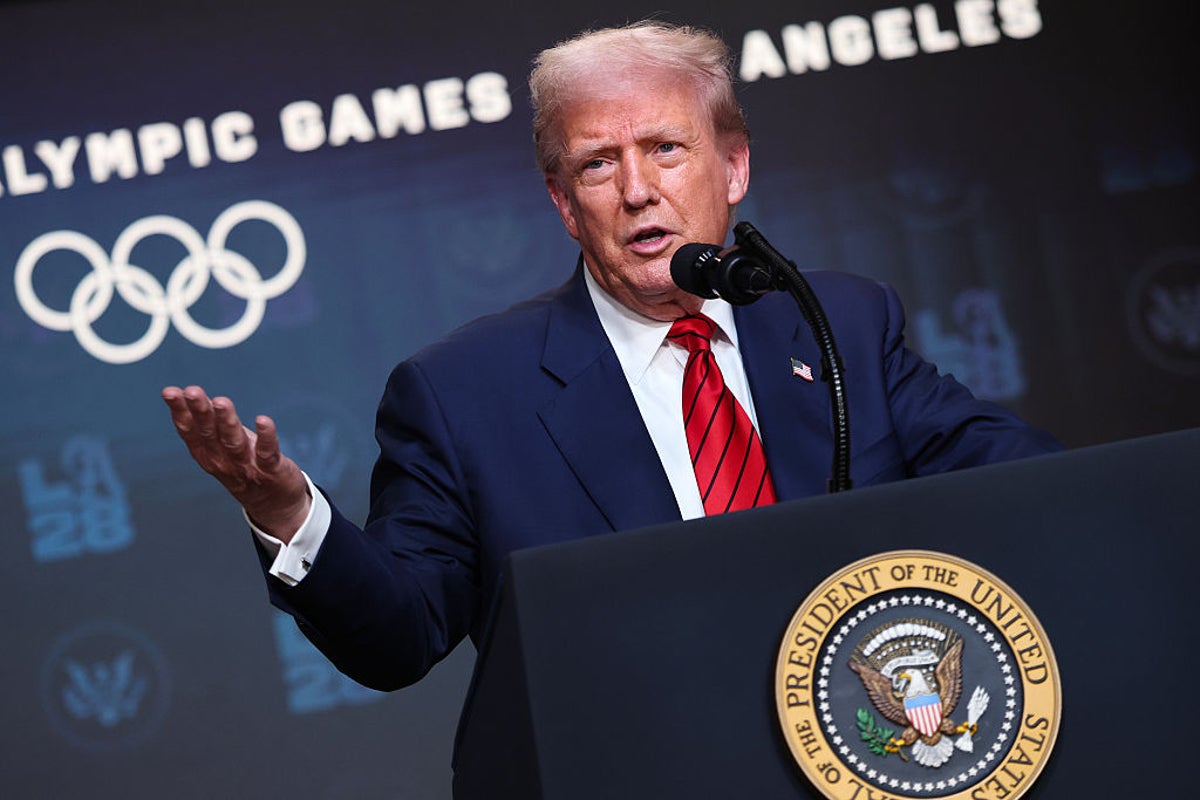
The world’s leading doping agency is considering whether to ban U.S. government officials, including President Donald Trump, from going to the LA Olympics in 2028.
Officials at the World Anti-Doping Agency (WADA) are proposing to rewrite the rules after Washington has for years refused to pay its dues to the watchdog, in response to the handling of a doping case involving Chinese swimmers and several other issues.
If passed, the rule would likely be symbolic, as WADA would have little power to prevent the U.S. President from attending events.
But WADA has described the story, reported by the Associated Press, as “entirely misleading.” Spokesman James Fitzgerald said there is “nothing new here,” noting that talks on how to address governments’ withholding of funding have been ongoing since 2020 and don’t relate directly to the U.S.


The proposal was first brought up in 2024, before U.S. authorities lobbied for its rejection. The U.S. no longer holds a seat on the committee.
The proposal applies to any government that has not paid its dues by 31 January of the year following the billing. The U.S. has not paid WADA dues since 2023.
A three-tiered set of sanctions would be introduced for countries failing to pay dues. For the U.S., this would amount to around $3.7 million from last year, plus $3.6 million it didn’t pay in 2024.
But among the most extreme sanctions include “government representatives being excluded from participation in major events such as World Championships and Olympic & Paralympic Games,” a ban that would include Trump, Vice President J.D. Vance and members of Congress.
WADA added in its response to AP story that if proposals being discussed were “introduced, given that the rules would not apply retroactively, the FIFA World Cup, LA and Salt Lake City Games (in 2034) would not be covered”.

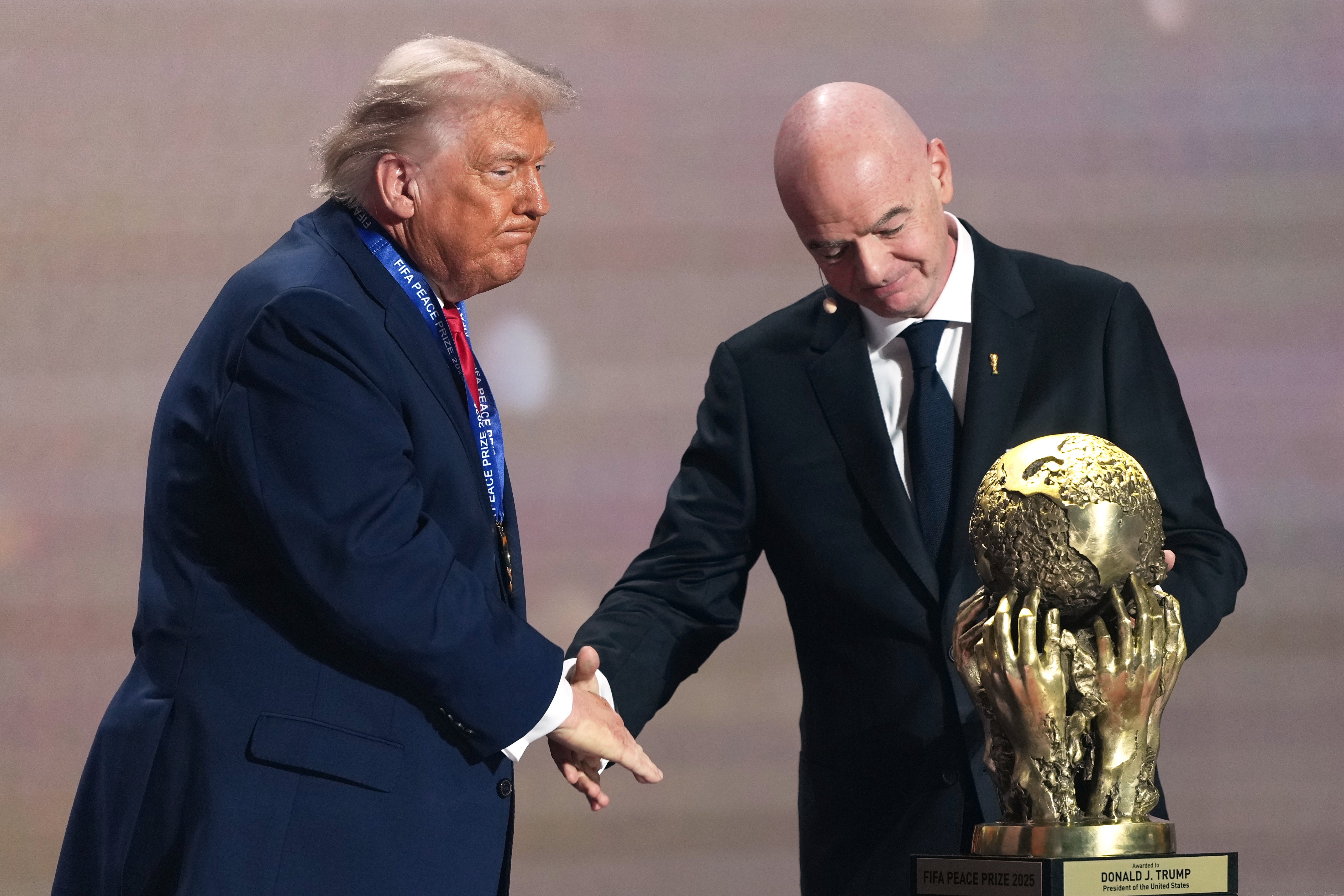
When asked to clarify this, he explained that because the next meeting of the board is scheduled for November and the measure would not apply retroactively, he doesn’t see “how it could come into play for this year’s World Cup” – although this still raises into question whether it could affect the Olympic Games in 2028 and the Winter Olympic Games in 2034.
But a WADA response in February to a question from the European authorities regarding possible timings said: “The proposal could be implemented without undue delay. If necessary, the Foundation Board could consider the proposal by circular or within the context of an extraordinary meeting.”
“In spite of WADA’s increasing threats, we continue to stand firm in our demand for accountability and transparency from WADA to ensure fair competition in sport,” said Sara Carter, the director of the U.S. Office of National Drug Control Policy (ONDCP).
The proposal was also heavily criticised by Rahul Gupta, Carter’s predecessor at the ONDCP. Gupta was formerly on the WADA’s executive board, where he led opposition to the proposal.
“I have never heard of a $50-million-budget Swiss foundation being able to enforce a rule to, for example, prevent the United States president from going anywhere. And the next question you have to ask is: How are you going to enforce it? Are they going to post a red notice from Interpol? It’s ludicrous. It’s clear they have not thought this through.”