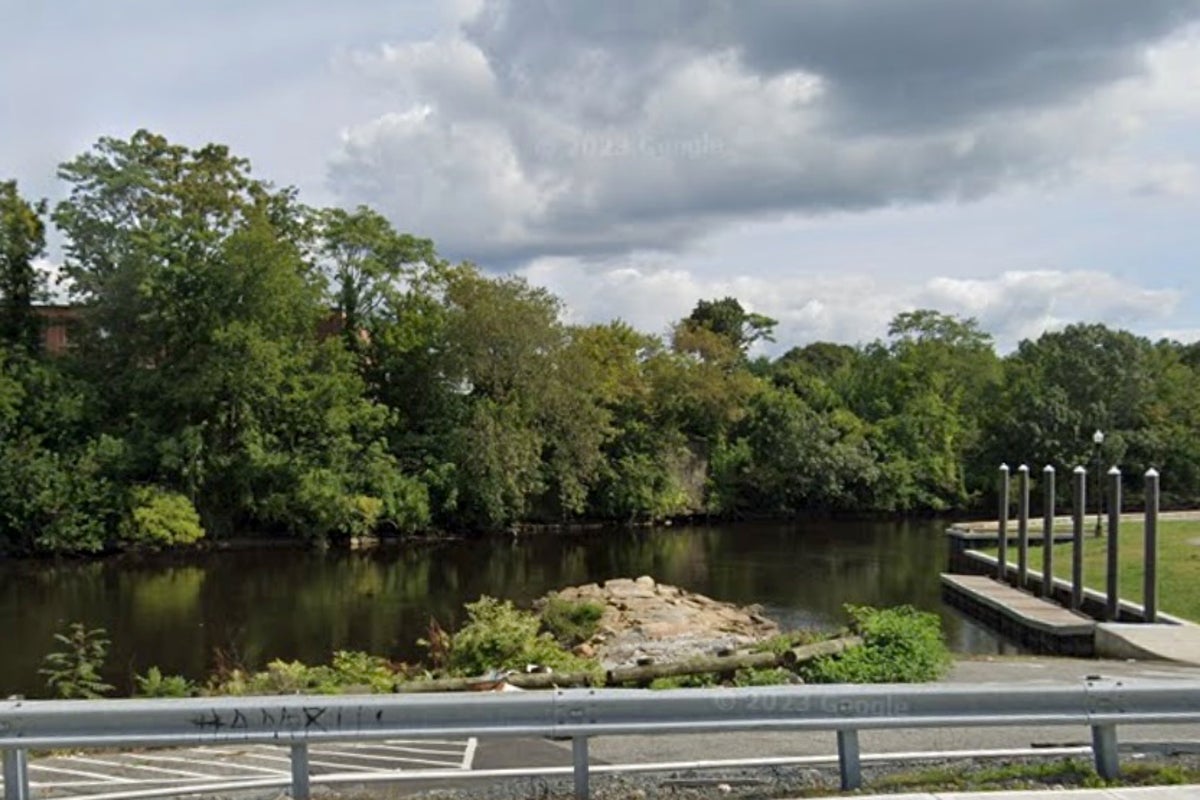

A woman’s body was found by authorities in northeastern Japan’s Iwate prefecture, shortly after a police officer was injured in a bear encounter while searching for a missing person in the area.
The 56-year-old officer suffered wounds to his arm and face after coming across the animal near a stream on Tuesday.
He remained conscious while being taken to the hospital, local authorities said on Tuesday. Authorities believe the bear was an adult. A short distance away, the search team later found the woman’s body.
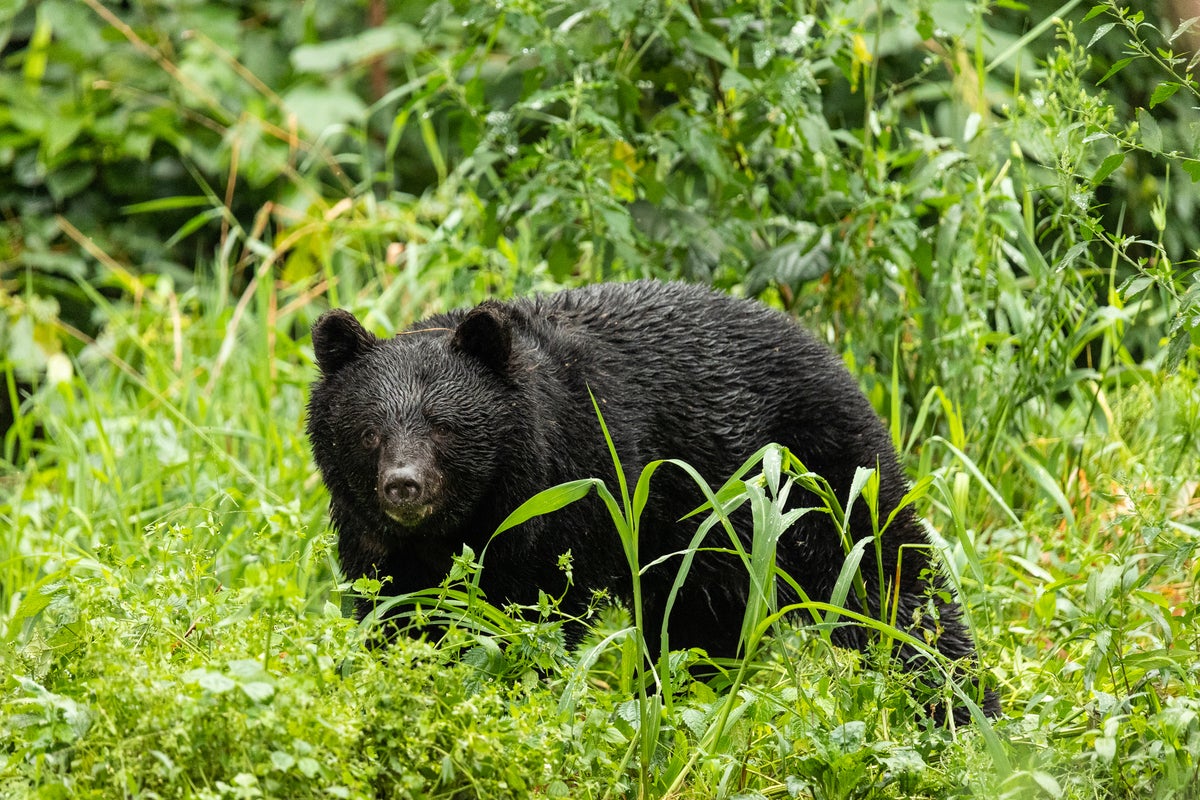
A hunter accompanying the team shot and killed the bear, an adult measuring about 1.3m.
Mainichi Shimbun reported that the police officers were searching for the driver of a vehicle found on a road with its engine running late Monday afternoon when the bear attacked the officer.
If the death is officially confirmed as a bear attack, it would mark Japan’s first such fatality of 2026, following a series of incidents in recent years. The details of whether the injuries on the woman’s body were in line with bear attack could not be ascertained.
The last bear attack occurred on 3 November last year in Yuzawa, in neighbouring Akita prefecture, according to the environment ministry.
Bear encounters in Japan have become increasingly dangerous, with 13 deaths recorded nationwide since April last year, including several in Iwate alone. Hundreds were injured. Five people were killed in bear attacks between July and October last year in the prefecture – four of them in October alone, the government data shows.


The attacks had left the residents in the area scared, especially in Iwate and Akita prefectures and in fact it was reported at the time that they were carrying bags with bells to scare off the animals.
Japan had deployed its Self-Defence Forces (SDF) to the Akita prefecture to help contain an increase in the deadly attacks, as bear sightings in the region jumped sixfold to over 8,000 last year till November.
The Japan Tourism Agency was planning to subsidise up to half the cost of installing protective fences around its open-air baths at traditional inns and hotels following the rise in bear sightings near popular tourist areas.
In Akita, residents said at the time that bears were increasingly straying into villages and near shops in sparsely populated rural areas. Experts noted that this is likely driven by dwindling natural food supplies.
They say bear attacks usually rise in autumn before hibernation, but climate change and a shortage of their usual beech nut food may be pushing them into towns.
Experts also warn that Japan’s bear population – now more than 50,000 across brown and black species – has outgrown the country’s mountainous habitats, with climate change, rural depopulation, and declining hunter numbers worsening the crisis.
Japanese black bears, found across much of the country, can grow to around 130kg, while the larger brown bears that inhabit the northern island of Hokkaido can reach weights of up to 400kg.
Japan reinstated bear population control measures in 2024 after years of protection, but efforts are hampered by a shortage of hunters, now fewer than half the number in 1980 and mostly elderly.
Despite limited resources, authorities culled over 9,000 bears in 2023-24 and more than 4,200 between April and September last year, including over 1,000 in Akita prefecture alone.