



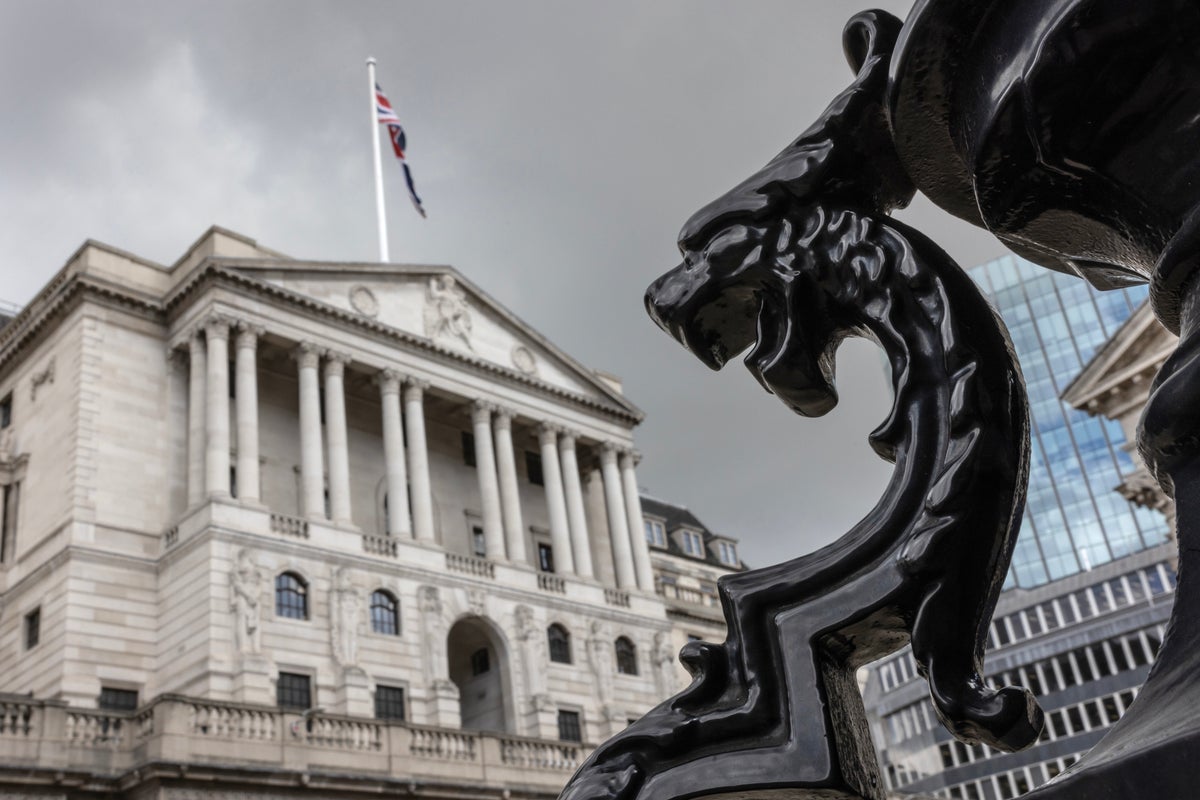
The Bank of England’s committee is due to meet on Thursday this week to decide over interest rates, with the Monetary Policy Committee (MPC) able to lift, cut or keep the base rate at 3.75 per cent, where it has been since just before Christmas last year.
But conflicting domestic and global pressures could force a change sooner rather than later, with stagnant growth and concerning unemployment levels being met head on by inflation threats – primarily through rising energy costs – and supply chain worries.
While the BoE are expected to keep rates on hold this week, further down the line it’s inflation in particular which might force members to vote to raise rates once more.
So when do the experts think that could happen?
Economists at Barclays are expecting this week’s vote to shed some light on that.
While analysts Jack Meaning and Cian Hennigan still think the end result is a hold, they are forecasting three dissenting votes in the mix – each of those looking to raise rates now.
That may increase pressure and expectation that a hike might not be too far away, especially if the next inflation read shows a bigger than expected jump after taking higher energy bills – which are already known about – into account.

But Thomas Pugh, chief economist at tax and consulting firm RSM UK, said he is still currently expecting interest rates to be held at 3.75 per cent for the rest of 2026 – with one notable caveat.
“Our central forecast remains that rates stay on hold through the rest of the year. The labour market is still soft enough, and growth weak enough, to prevent a sustained pickup in domestically generated inflation,” he said.


Get a free fractional share worth up to £100.
Capital at risk.
Terms and conditions apply.
Go to website
ADVERTISEMENT
Get a free fractional share worth up to £100.
Capital at risk.
Terms and conditions apply.
Go to website
ADVERTISEMENT
“But that forecast depends heavily on energy prices easing. If oil and gas remain close to current levels through August, we would probably shift to expecting two further rate increases over the coming year, particularly if the Autumn Budget delivers another dose of fiscal stimulus.”
Clearly, a lot of focus will be on upcoming economic data during the summer, including GDP figures and wage growth rates.
The next MPC meeting after this week is in mid-September and Prem Raja, head of trading floor at Currencies 4 You, expects that to be when a hike is realised – but with potentially more to come.
“Policymakers likely want more evidence that inflationary pressures remain under control [before raising rates],” he said. “Markets are increasingly pricing September as the most likely window for the next 25 basis point hike, with the recent rebound in oil and energy prices adding to concerns that inflation could prove more persistent than previously expected.
“If price pressures remain elevated and wage growth stays resilient, I think there is also a reasonable chance of a further 25 basis point increase towards the end of the year.”
That said, while Danni Hewson, AJ Bell’s head of financial analysis, agrees that September is the big test, she feels an equal consideration is the BoE being aware of the perception of inaction, following their slow reaction to surging inflation in 2022.
“Sometimes it’s easy to read the room and Bank of England rate setters are hyper aware of the value of being reliable, especially at a time of uncertainty,” she said.
“The real test is expected to come at the next meeting and investors will be carefully monitoring the number of committee members who signal they’re ready to act.
“There’s been much criticism that rate setters acted too slowly during the last rate hiking cycle and allowed the secondary effects of inflation to crawl their way into the fabric of the UK economy. Things are decidedly different in 2026, and the fragile state of economic growth and the tight labour market will give those at Threadneedle Street significant pause.
“No one wants to rush into a decision which could plunge the UK into a recession if they don’t have to. The swift fall in oil prices when a ceasefire in the Middle East seemed to be holding suggests a quick end to the current conflict could see the hot spark of inflation doused pretty quickly.
“At the moment markets are pricing in the potential for two possibly three interest rate hikes in the next twelve months. But even the fact that the MPC is keeping that door open impacts borrowing costs, and those tight financial constraints could be enough to keep inflation on simmer without the Bank needing to take a single step.”