
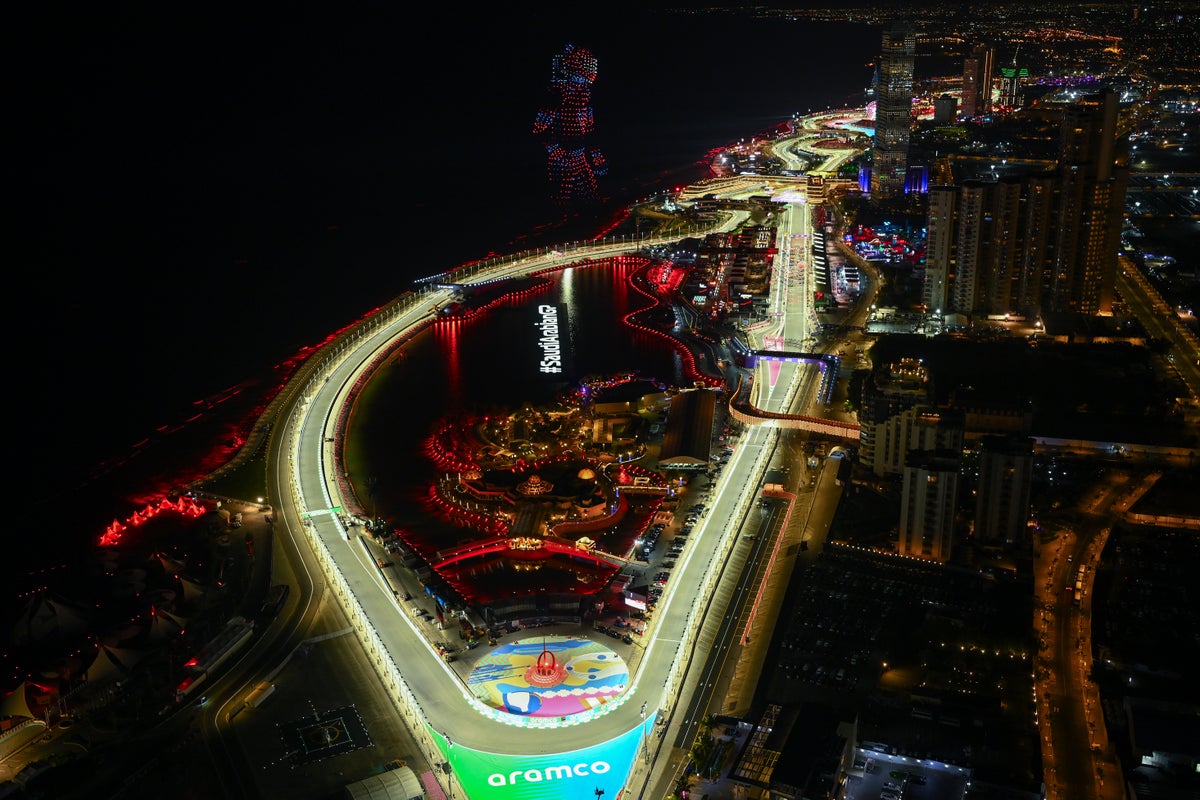
Formula One is set to cancel grand prix events in Bahrain and Saudi Arabia next month amid heightened tension in the Middle East region.
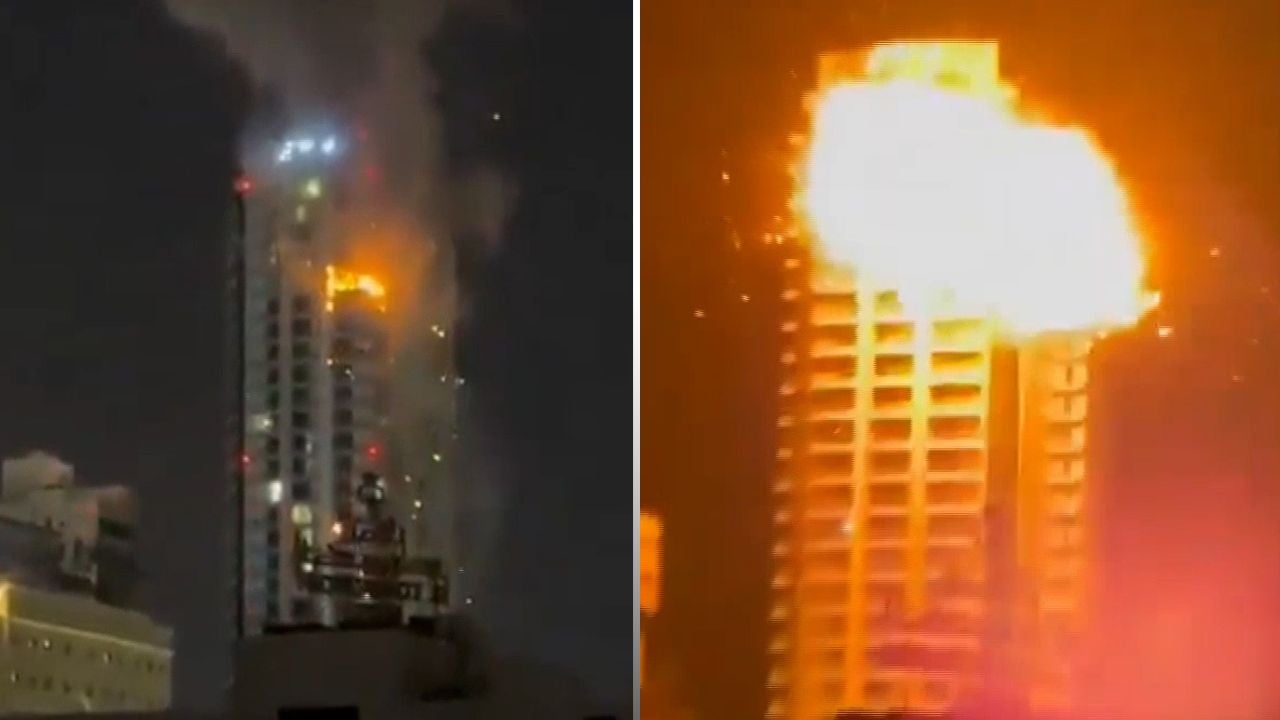
Bahrain’s capital, Manama, has been attacked by Iranian missiles, while locations in Saudi Arabia have also been targeted. Just on Monday, according to the state-owned Bahrain News Agency, 32 people were injured near Manama after an Iranian drone attack.
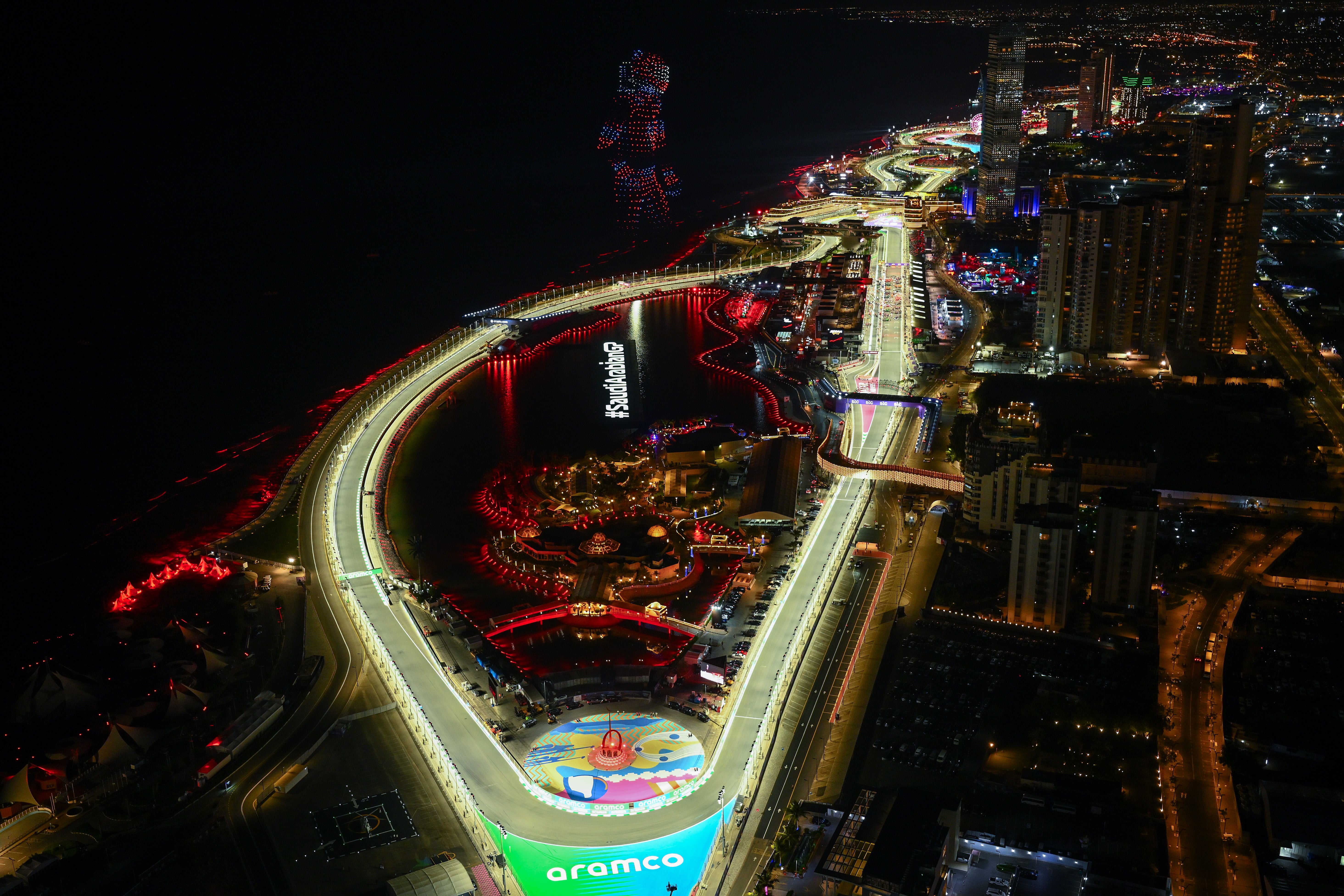
With less than a month until F1 was set to return to the Sakhir circuit, 30km south of Manama, on 12 April and with the Saudi race in Jeddah a week later on 19 April, a cancellation of both events now looks a formality. The Independent understands the cancellations will be officially confirmed over the next 48 hours, while the Chinese Grand Prix takes place in Shanghai this weekend.
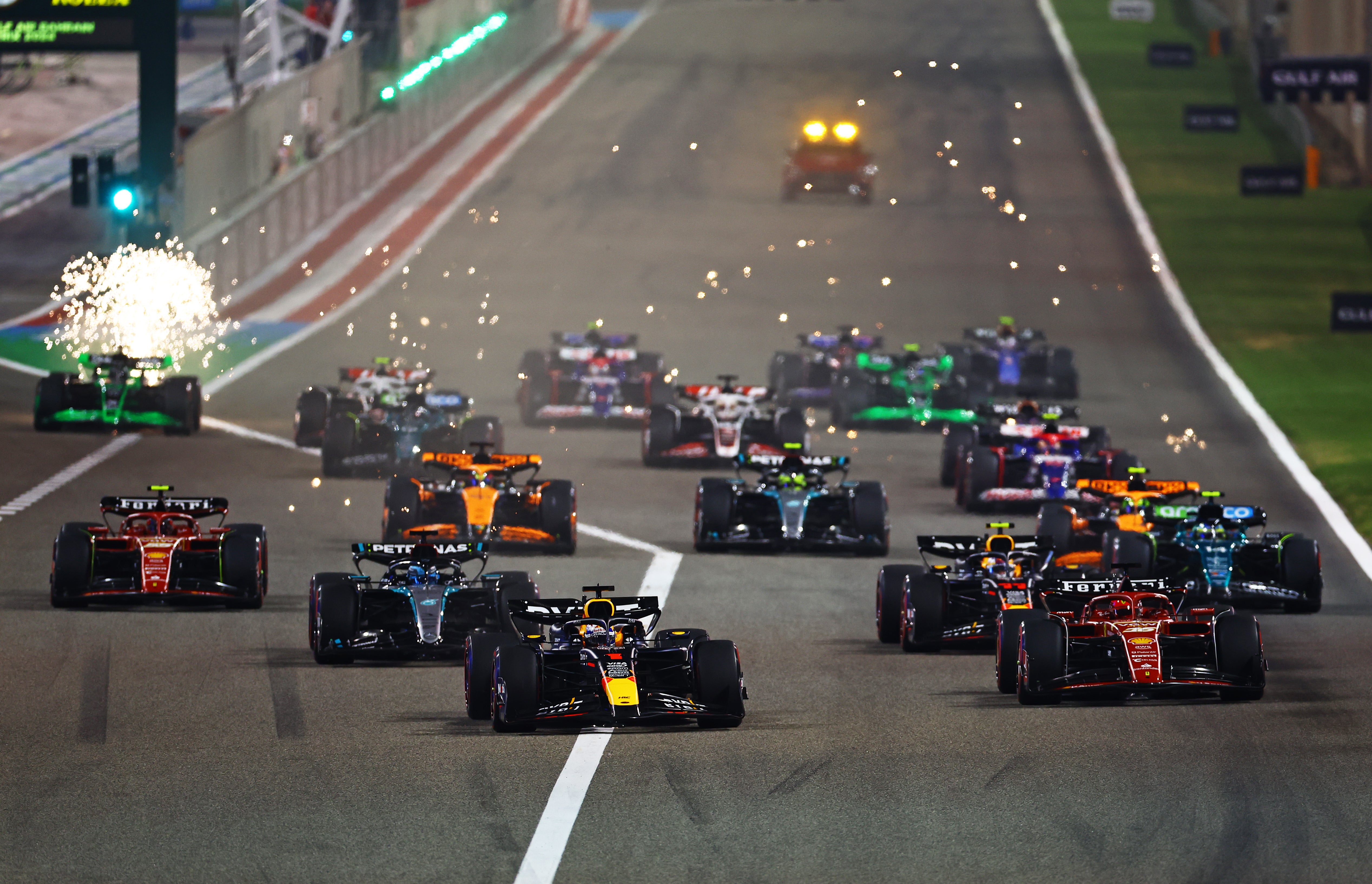
There has also been speculation as to whether F1 could replace the races, with tracks in Italy, Turkey and Portugal suggested for a mid-April date. Yet, inevitably, the last-minute nature makes the logistics difficult and it is understood the sport will now have a five-week gap between the Japanese Grand Prix (29 March) and the Miami Grand Prix (3 May).
With rounds four and five of the 2026 season set to be cancelled, we address the key topics.
Will F1 cancel the Bahrain and Saudi races?
At this stage, with no end in sight to the US-Iran conflict and the knock-on impact on the Middle East, it looks highly likely and we expect confirmation in the coming days.
Major hotels in Manama, which often house F1 personnel, have been hit in the last week and international travel hubs in the region, such as Doha and Dubai, remain impacted – though have at least partially reopened.
Even if, in the best-case scenario, the conflict ended soon, there would be a lingering question as to whether F1 should race in a country so recently impacted by airstrikes.
A loose deadline of 20 March, a week before round three in Japan, was set by F1 and the FIA, who have said they are “closely monitoring” the situation. Both declined to officially comment on Friday, but we expect an announcement over the weekend.
Speaking in Shanghai on Thursday, seven-time world champion Lewis Hamilton backed F1 to make the right decision. He said: “I know that (F1 CEO) Stefano (Domenicali) will do what is right for all of us and the sport.
“That is the great thing with having a great leader like him.”

Will the races be rescheduled or replaced?
Rescheduling the Formula One races at their original venues later in the year presents considerable challenges. Temperatures in the Middle East region soar during the European summer and autumn, making racing impractical.
Furthermore, the existing F1 calendar offers no obvious alternative slots, as the sport is keen to preserve its August break and alleviate the demanding schedule for teams.
While alternative circuits such as Italy’s Imola, France’s Le Castellet, Portugal’s Portimao, and Turkey’s Istanbul Park have been suggested, the logistical complexities of relocating the entire F1 operation at short notice are immense.
Promoters would also have little incentive, facing a limited window to sell tickets to cover hosting fees, alongside the time-consuming organisation of marshals, security, and transport.

An option to host a second race at Japan’s Suzuka after round three has also been mooted, but this would introduce its own set of problems, not least for track owners Honda, who would likely be reluctant to draw further attention to their engine partnership issues with Aston Martin.
Although races were held behind closed doors at stand-in venues during the Covid-19 pandemic, sometimes with two events in succession, there was a pressing need then to complete a season.
A reduced 22-race calendar, while still extensive by historical standards, would nonetheless fulfil commercial obligations, albeit with a likely reduction in Formula One’s overall revenues.
How much money would it cost F1 to cancel?
Though not confirmed, Formula 1 stands to lose an estimated £54m if both races are cancelled.
It is understood Saudi pays the joint-most of any race, alongside Qatar, at approximately £30m ($55m). Bahrain, which hosted the first-ever race in the Middle East in 2004, pays F1 an estimated £24m ($45m) for the right to host a grand prix.
Not only are the Middle Eastern races significant financial contributors to F1, but both Bahrain and Saudi Arabia have deep ties to the sport; Bahrain owns McLaren, while Saudi Arabia is a prominent sponsor and investor via state-owned oil company Aramco.

A precedent for cancellation without replacement exists: the 2011 Bahrain Grand Prix was called off due to unrest in the kingdom and was not rescheduled after teams objected to a late October date.
Formula One’s then-commercial supremo Bernie Ecclestone later confirmed that Bahrain had paid its hosting fee regardless. Whether the Bahrain (Sakhir) and Saudi (Jeddah) races would do the same remains to be seen.
What have F1 bosses said?
Various F1 team bosses have emphasised that safety is paramount and have placed trust in F1’s executive team to make the appropriate call.
When asked by The Independent about the situation at the season-opener in Australia, Mercedes team principal Toto Wolff said: “Formula 1 in a way becomes the second priority. It’s such an important topic in the region that it’s even quite difficult, I guess, to talk to the local leaders and say: ‘What about the grand prix?’
“I think this is up to Stefano [Domenicali, CEO] as a promoter and the FIA to manage that situation while respecting the current challenges that they have. My hunch is: I would very much hope we race. Is it realistic that we race there at the moment? I’m not quite sure.

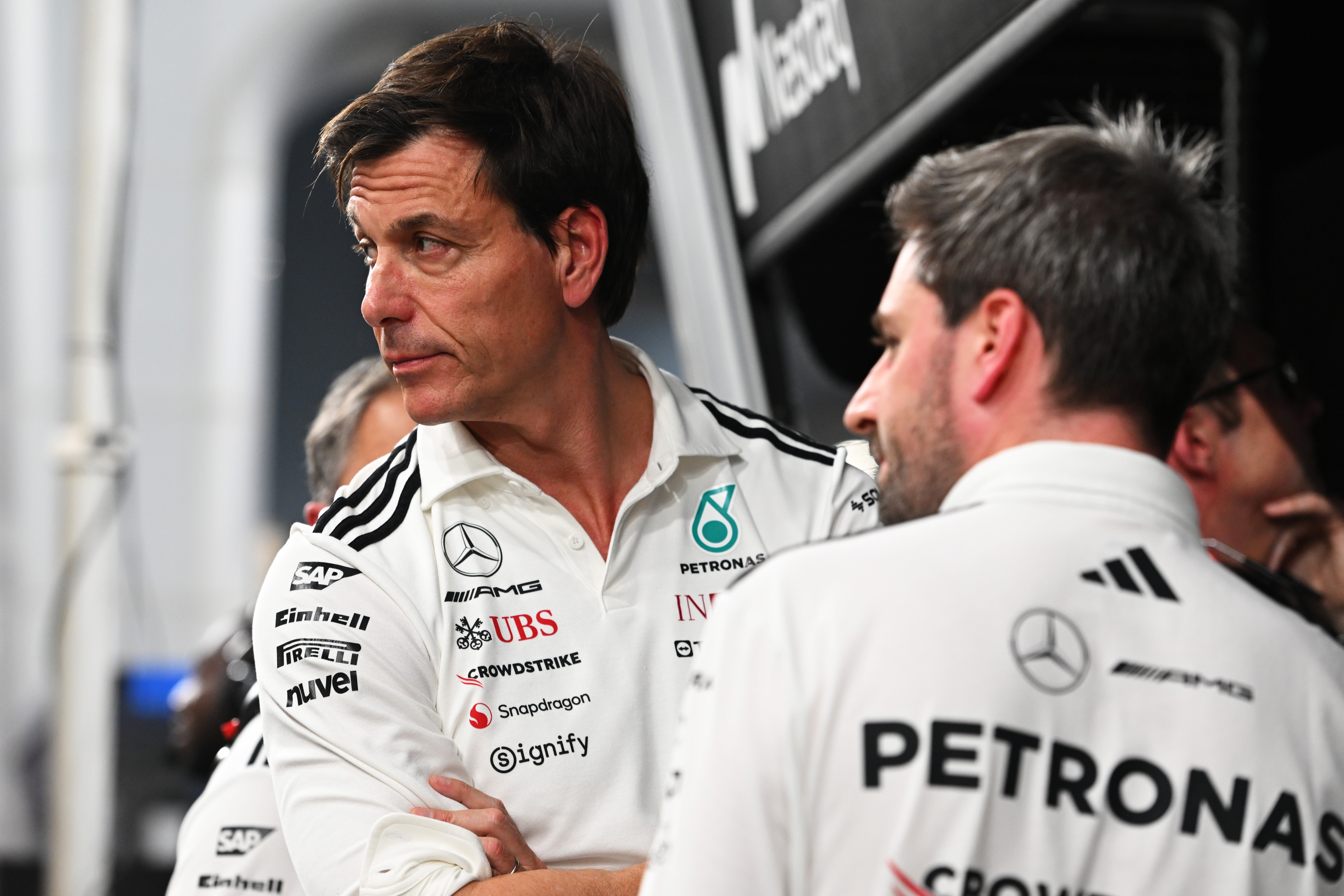
“But again, I leave it to Stefano to manage that situation. I hope generally it gets better there so we are able to come back as soon as possible.”
McLaren F1 CEO Zak Brown commented: “It’s the first get-together of all the teams. There’s been very little communication about it (the situation) yet because of the effort that it took just to get here to Australia.”
Domenicali told Sky Sports in Melbourne: “We don’t want to do any statement today because things are evolving and we still have time to make the right decision. This decision will be taken together.”
How else has motorsport been impacted?
The World Endurance Championship (WEC) event in Doha, originally set for 26-28 March, has already been postponed and rescheduled for October.
MotoGP’s Qatar round at Lusail, near Doha, on 12 April is facing significant difficulties and is unlikely to be rescheduled.
Formula Two, F1’s key support series, has its freight still in Melbourne after the season-opener. Should the Bahrain and Saudi F2 rounds be cancelled without replacement, the championship’s second race would not occur until Monaco in June.
Additional reporting by Reuters