



Viktoria Terekhova shipped virtually her entire summer collection of children’s clothes last week to the giant warehouse of online retailer Wildberries at Elektrostal, east of Moscow.
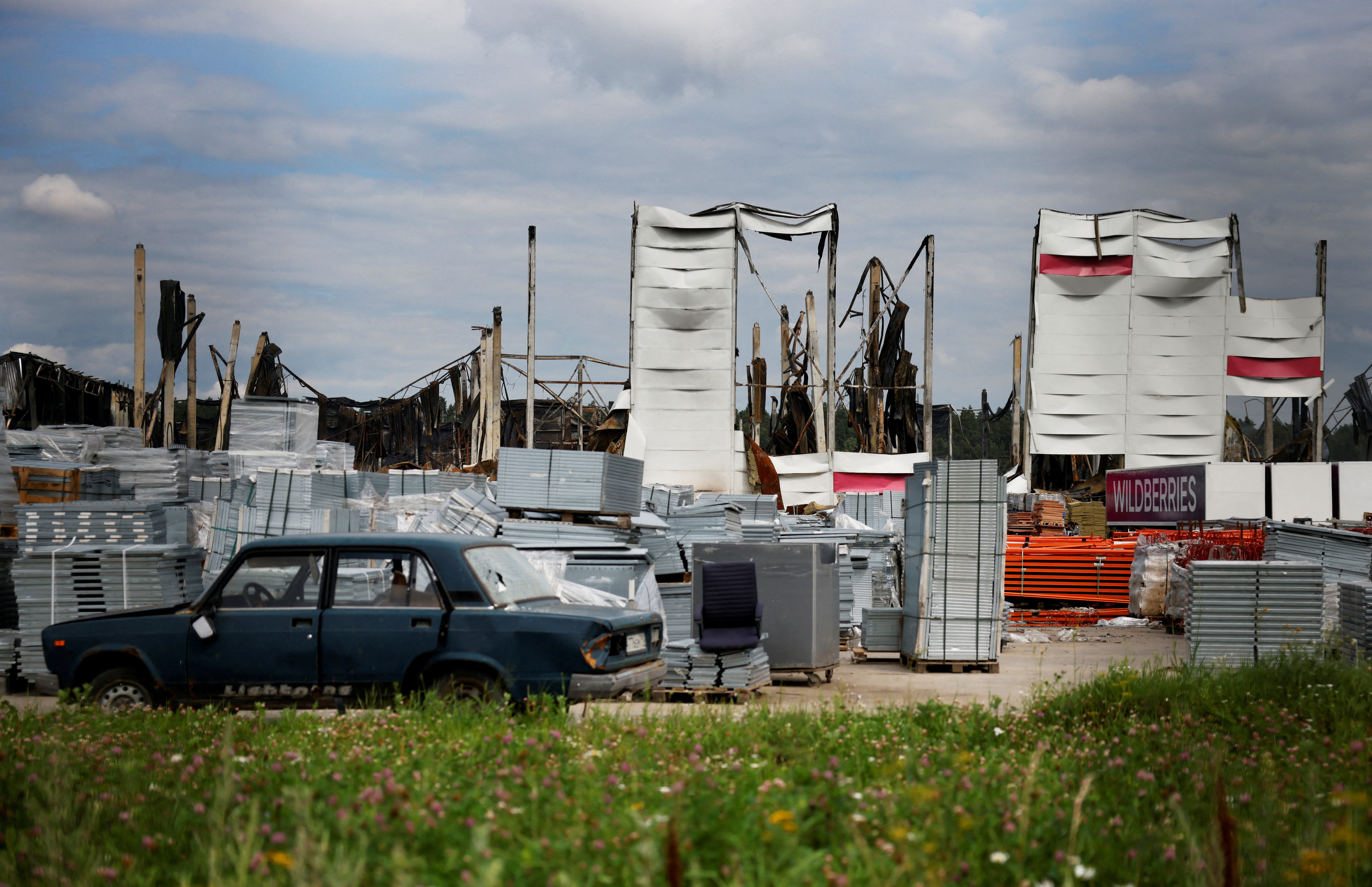
Within a couple of days, it was destroyed in a Ukrainian drone strike.
Fashion designer Terekhova says she lost 12,000 items, amounting to about 45% of her company’s total inventory, and another 4,000 items in attacks on Wildberries hubs in southern Russia.
Eight Wildberries warehouses accounting for more than 10% of the company’s storage capacity have been attacked since July 18 in a wave of strikes against Russia’s leading online retail company.
They appear to be part of a wider Ukrainian campaign to make ordinary Russians feel the impact of a war which has raged on Ukrainian territory for more than four years.

Ukrainian President Volodymyr Zelenskiy said this week Kyiv was “bringing the war back home to Russia”, which continues to pound Ukrainian cities. Moscow accuses Ukraine of terrorism and attempts to destabilise Russia.
The consequences are severe for thousands of Russian small businesses that use Wildberries as their main online marketplace. Terekhova says her company, Fareal Kids, makes up to 70% of its sales through the site.
“Simply losing inventory worth 10 million roubles ($128,000) has much larger economic consequences because we cannot meet our existing obligations and plans. We have no way of settling them,” she told Reuters.
“On top of that, the summer collection was produced using borrowed funds. It was supposed to cover the remaining payments we still owed, as well as help finance the next collection.”


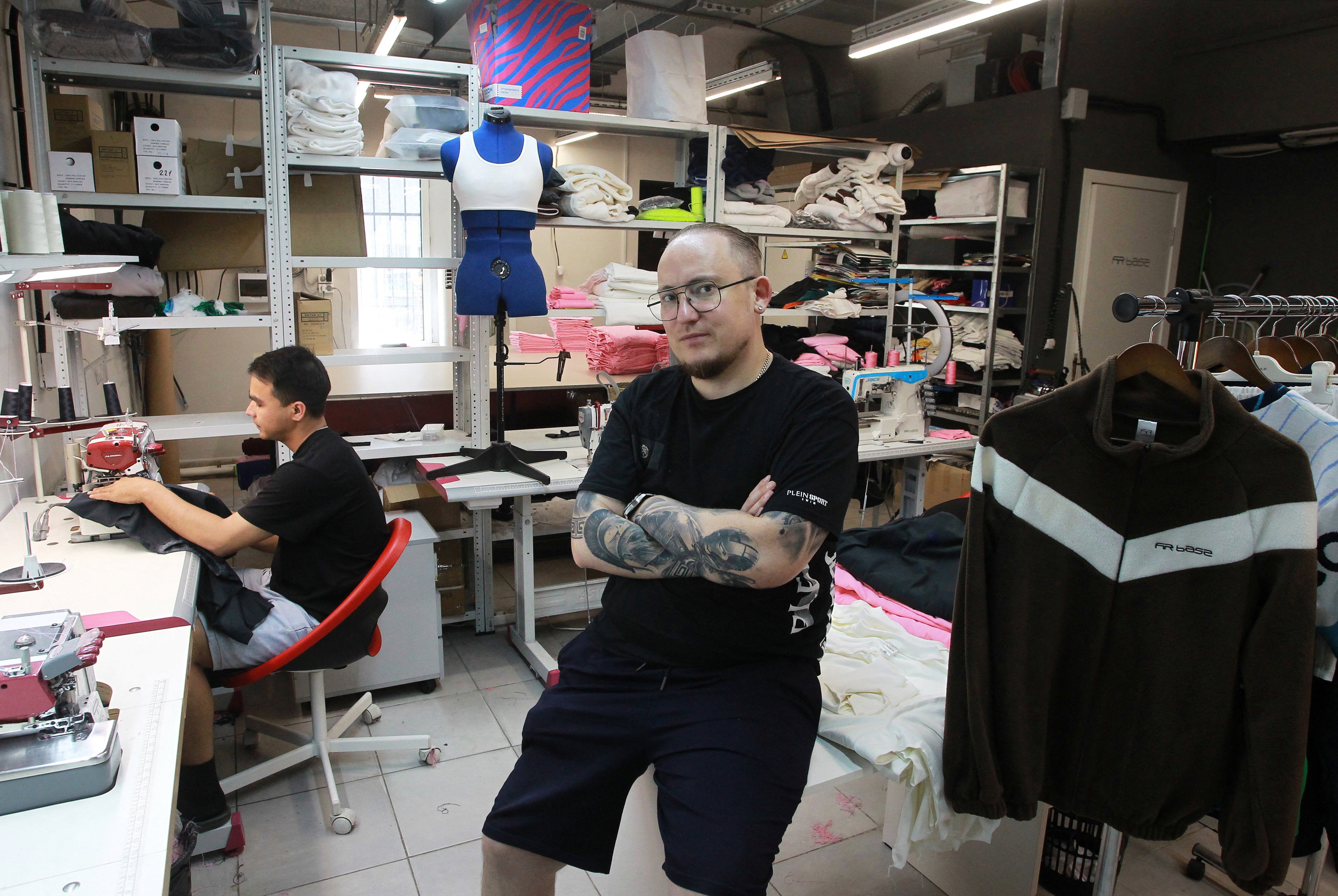
Oleg Kondratyev, co-founder of the clothing brand Airbase that manufactures mostly women’s tracksuits, said he had lost about 5 million roubles of stock in the warehouse attacks, several of which caused massive fires.
That has placed him in a dire financial position, he said.
“For today, we cannot pay our loans because sales through Wildberries have stopped. Tax payments are not due yet, but they will be soon, and most likely we will not be able to pay those either,” Kondratyev told Reuters in the city of Kazan, where he is based.
“I am hoping for payment deferrals from either the government or the banks. If that does not happen, I could potentially become the next bankrupt business owner.”
Kondratyev said he would “take legal action all the way to the highest court” to recover his losses from Wildberries.
However, the company states in its terms of business that it is exempt from liability in “force majeure” circumstances. It specifically lists drone strikes as one such scenario.
Reuters has requested comment from the company on how it will handle demands for compensation or what other help it may offer to sellers.

Terekhova, the children’s clothes maker, said the warehouse attacks were part of a long chain of blows to her business, including a January increase in VAT and a hike in Wildberries’ commission at the start of July.
She plans to keep going by developing her website, storing goods in her own warehouses and shifting towards a model of delivering direct to customers instead of through intermediaries.
“This has been an expensive lesson, like going through an incredibly costly training programme,” she said.
“In the future it should help us because now we know from firsthand experience what we will never do again.” (