
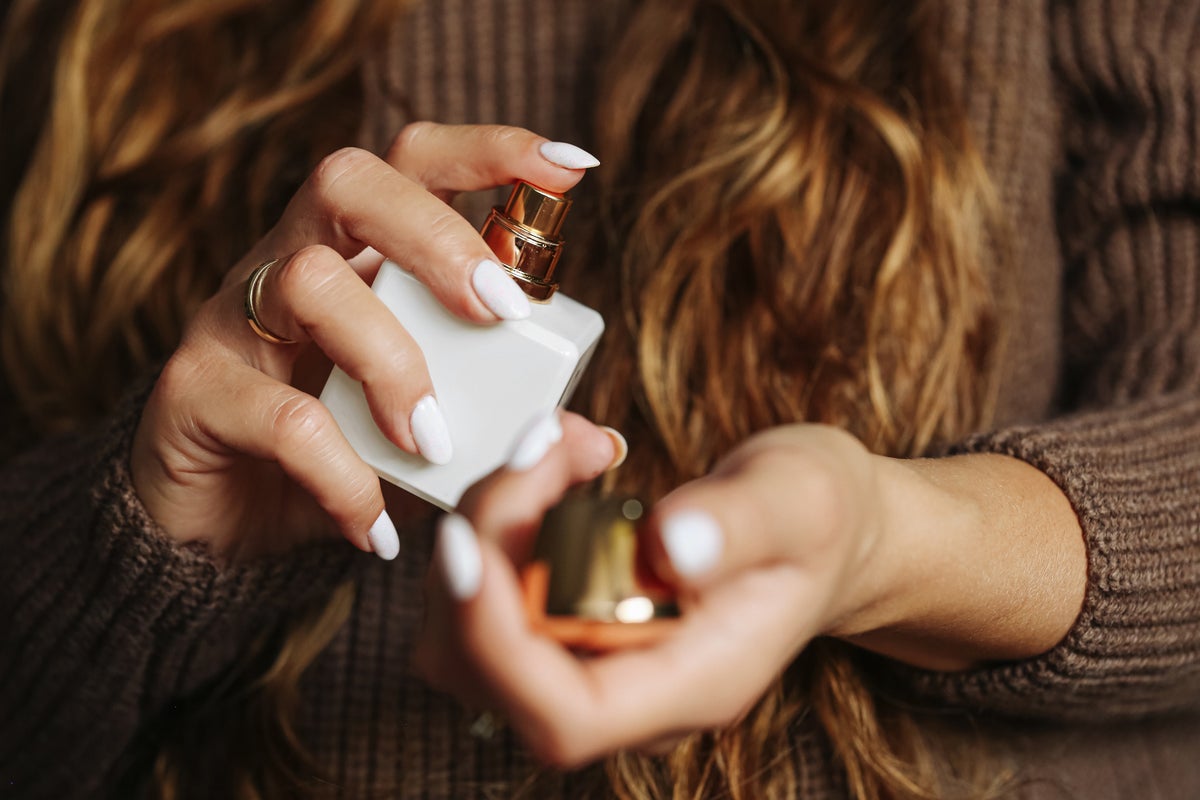
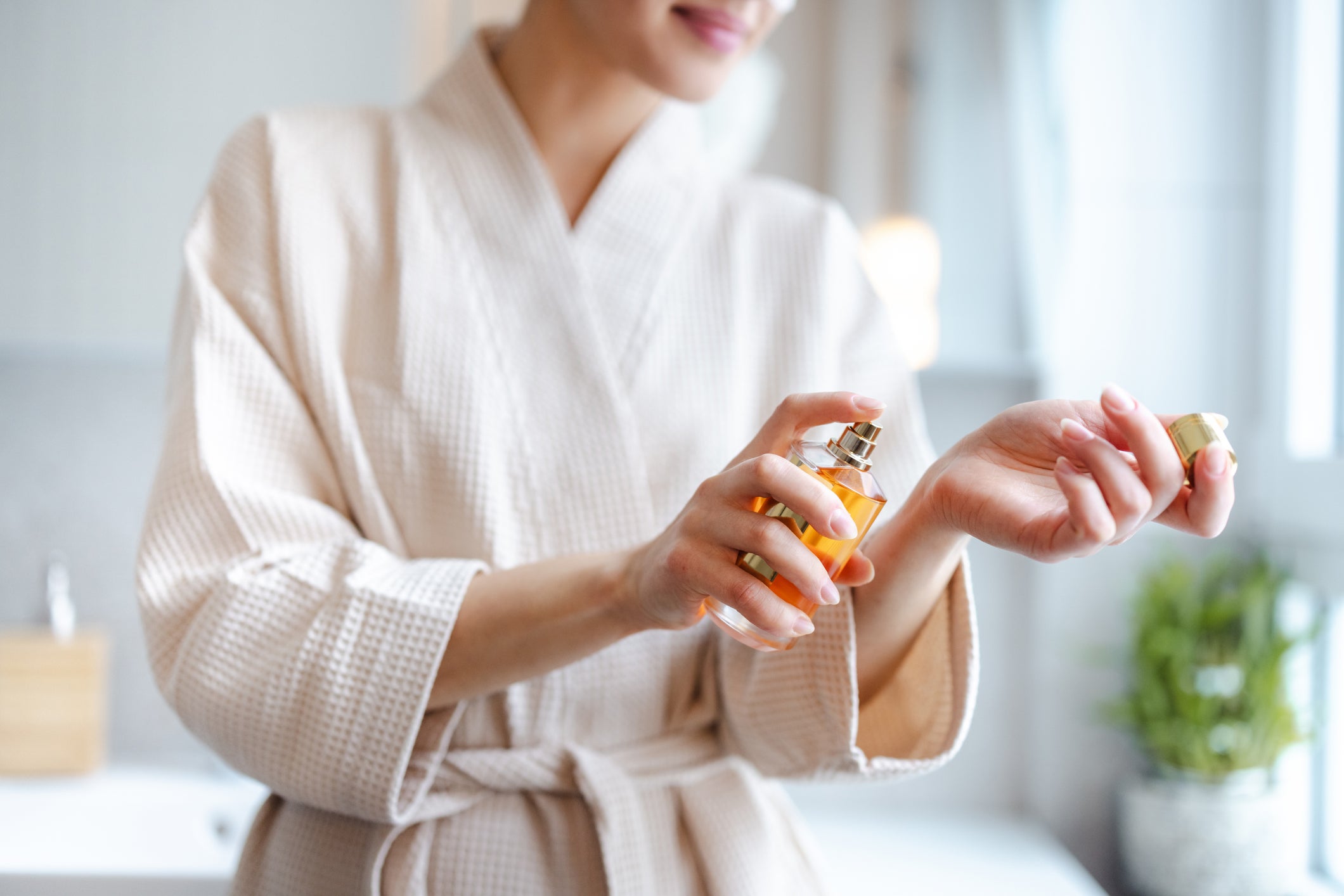
Perfume (emotional sniff) has become astronomically expensive over the last decade. The same scent I used to wear as a university student in 2014 has now almost doubled in cost, with 100ml of the sea salt-scented fragrance now sitting at over £120. Simply put, it’s out of my price range.
My phone, like most things about me, knows this. As such, my targeted social media ads aggressively point me towards bargain fragrance sites that claim to offer a dupe of the same coastal aroma for around a fifth of the price. Except, (big shock here) they’re so weak that the smell is only detectable for roughly five milliseconds, which is how I took to browsing for real bottles of the stuff on second-hand sites and cheaper, lesser-known – and less reputable – online cosmetic stores.
Now, imagine my shock and horror when Helen Barnham, head of enforcement campaigns at the Intellectual Property Office (IPO), warned shoppers that these cheap products may not only be fake, but could also contain wee. Yes, that’s p*** perfume.
“Cosmetics and perfume, when we had some tested, have had horse urine in them, so you don’t want to be putting that on your skin,” she told the BBC. You can say that again, Helen.
Noor Khan, perfumer and co-founder of the fragrance community Juice, tells me he’s not even shocked by this piece of horrifying news. “That’s the concerning part,” he says.
“Horse urine is one ingredient but you’ve also got industrial solvents, methanol, phthalates – sometimes even antifreeze. Or, just in general, low-grade synthetic fragrance oils that are known to be harmful to the skin.”
Unlike at established fragrance houses or lower-price point dupe brands, counterfeit fragrances operate entirely outside of regulation.
“There’s no quality control or ingredient traceability,” says Khan. “Essentially, you’re putting something completely unknown onto your skin. If a deal sounds too good to be true, then it generally is.”
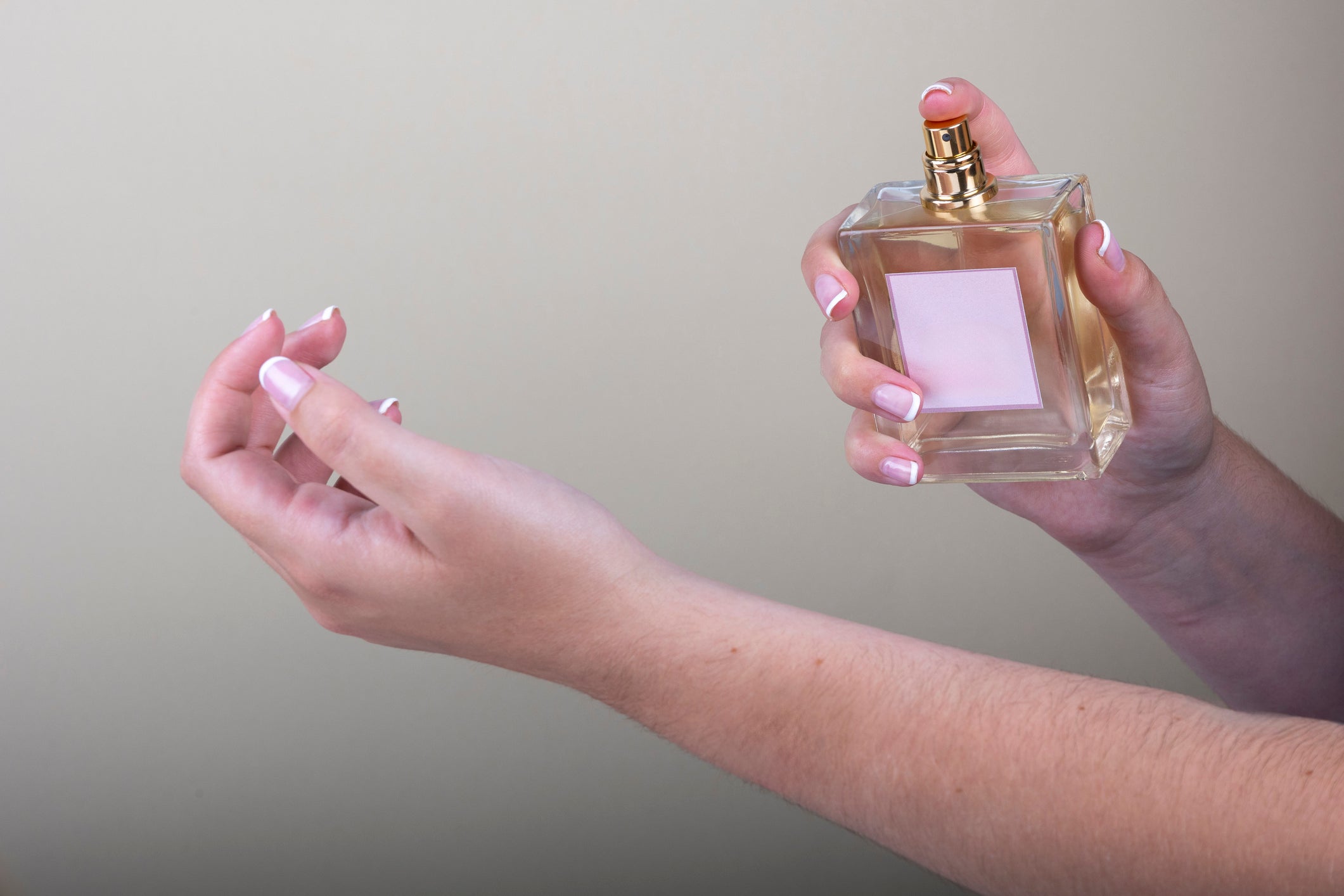
Aside from low prices, other red flags are “sellers on marketplaces without a brand identity, poor packaging, or spelling errors,” according to Khan, who says to watch out if a product is described as a “tester” or “unboxed” with a heavy discount.
“Sadly, the safest route is to always buy directly from the brand or authorised retailers,” he says. “You do get amazing sales, but ultimately, fragrance is a cosmetic product and it should always come with a level of trust and traceability.”
Director General at the Cosmetic Toiletry and Perfumery Association (CTPA), Dr Emma Meredith, adds: “Counterfeit beauty products might look like the real deal, but that’s where the similarity stops. Behind the copycat packaging, you could be buying something that doesn’t work as promised — and could even put your health at risk. Your safety is a top priority for the cosmetics industry. Fake and illegal products don’t just put you in danger; they also undermine the trust millions of people place in the genuine, safe products used every single day.”
In recent years, there have been certified efforts by high street brands to offer fragrances at lower price points that still feel somewhat luxe. Zara, for example, collaborated with Jo Malone in 2019.
The store’s standard fragrances are also regularly compared with high-end scents: Red Temptation with Baccarat Rouge 540, Energetically New York to Le Labo Santal 33, and Golden Decade to YSL Libre are just a handful of examples of dupes that are similar and safe.
“In the UK, you’ve also got The Essence Vault, Noted Aromas, which is incredibly well known for its quality, Perfume Shark and Rebel Aromas,” says Khan. “There are quite a few [dupe websites] that are UK-based and are far more reliable [than counterfeits].”
Ultimately, though, Khan recommends that consumers (myself included) stop getting so hung up on brand names and try something else.
“The issue really is that the fragrance sits in a luxury space but it’s also something you want to have access to daily,” he points out. “So, you get this grey area where consumers are constantly searching for alternatives and sadly not all of these alternatives are safe or transparent.
“In many cases, it’s just better to buy a well-formulated fragrance at a lower price point than it is to chase a copy of something expensive,” Khan adds. “There are so many great fragrances under the £50 value now that are developed safely, they smell beautiful and they have their own identity.
“Perfume should really be considered a purchase, not a gamble. The counterfeit risks aren’t just that they smell off, it’s that you genuinely don’t know what you’re putting on, and absorbing into your skin.”
Eau de pee, probably.