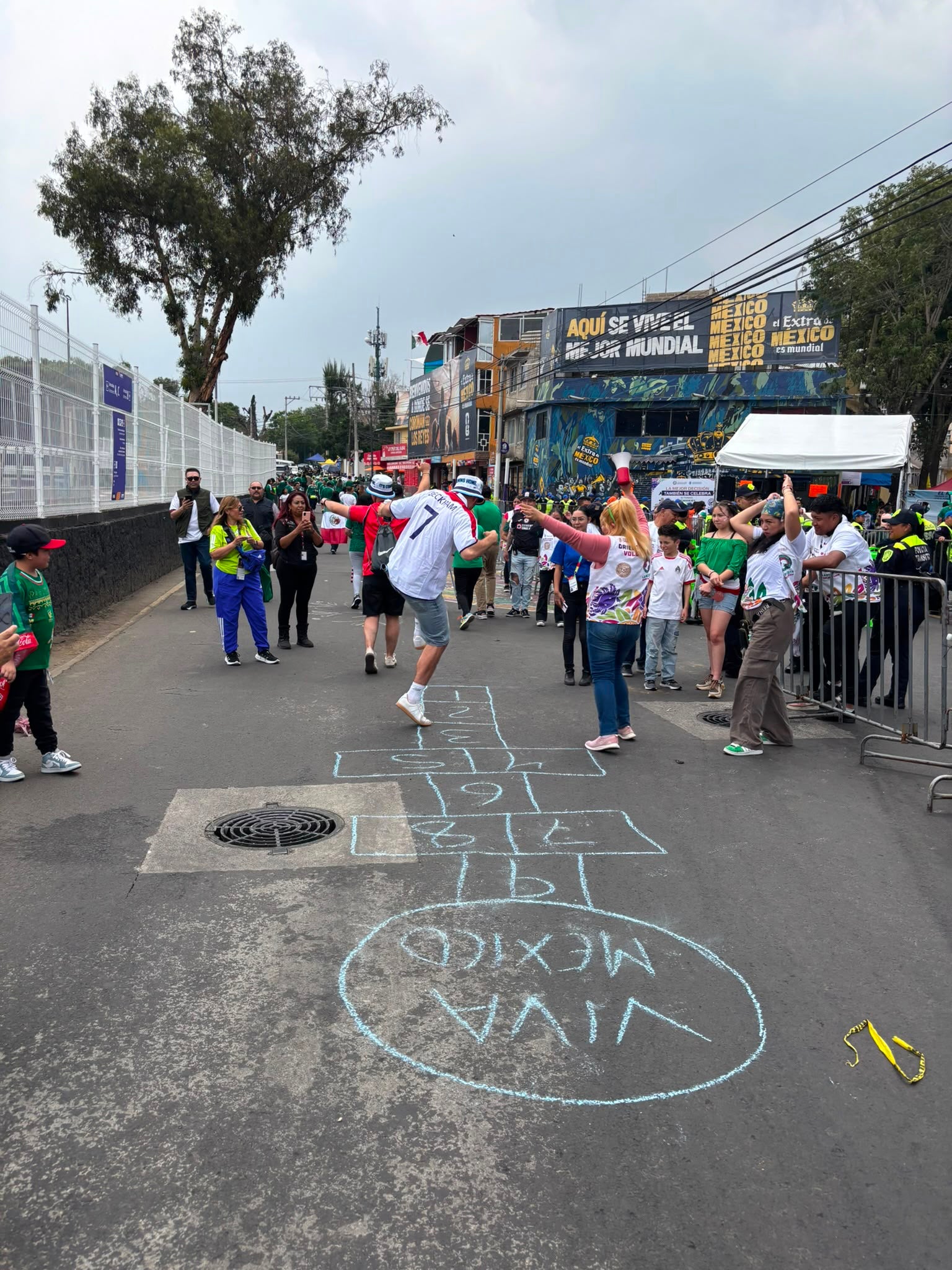
As the beginnings of a Mexico City thunderstorm swirl high above, dark clouds circling like a slow-motion whirlpool, a pair of English fans do not give a jot.
It is three hours before Mexico face England in the most anticipated match at the Estadio Azteca in 40 years. Attendees are being warned to take cover as the police implement their electrical storm protocol. But these adults, merry on pure vibes, are engrossed in the most childlike of games: a chalk-drawn hopscotch on the gravel, outside the stadium’s Cabecera Norte end, with ‘Viva Mexico’ at the top. And the locals, kids and adults alike, are loving it.
And when embarking on a lap of the outer perimeter of the World Cup’s most iconic venue before the blockbuster last-16 occasion, similar feel-good scenes are at every corner. Event volunteers dressed in blue and green form a ‘Limbo’ dance opportunity for passers-by; half a dozen Mexican dance groups greet ticket holders to the south of the main entrance; Mexicans joust with English in gentle ribbing as they queue for entry into the arena.


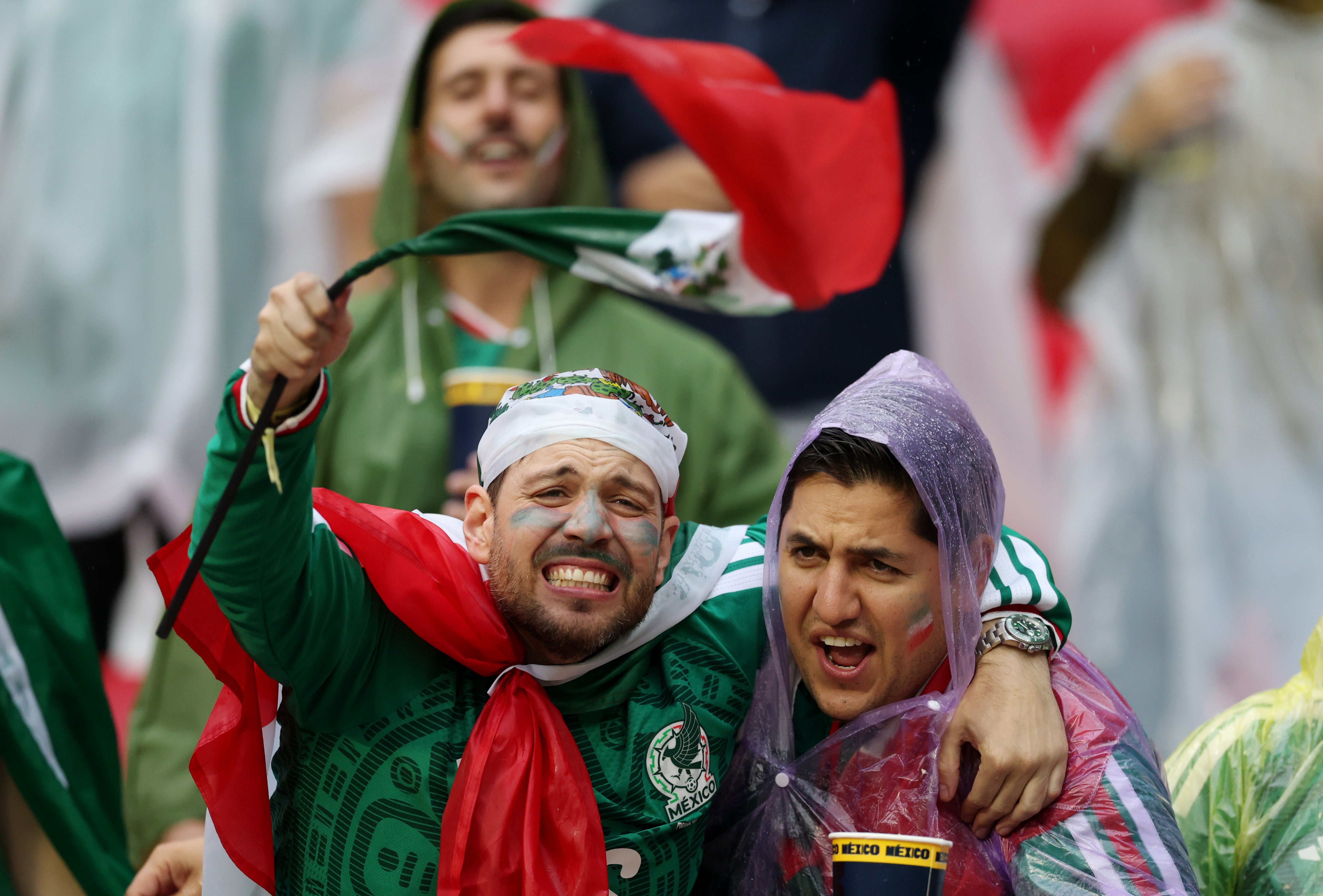

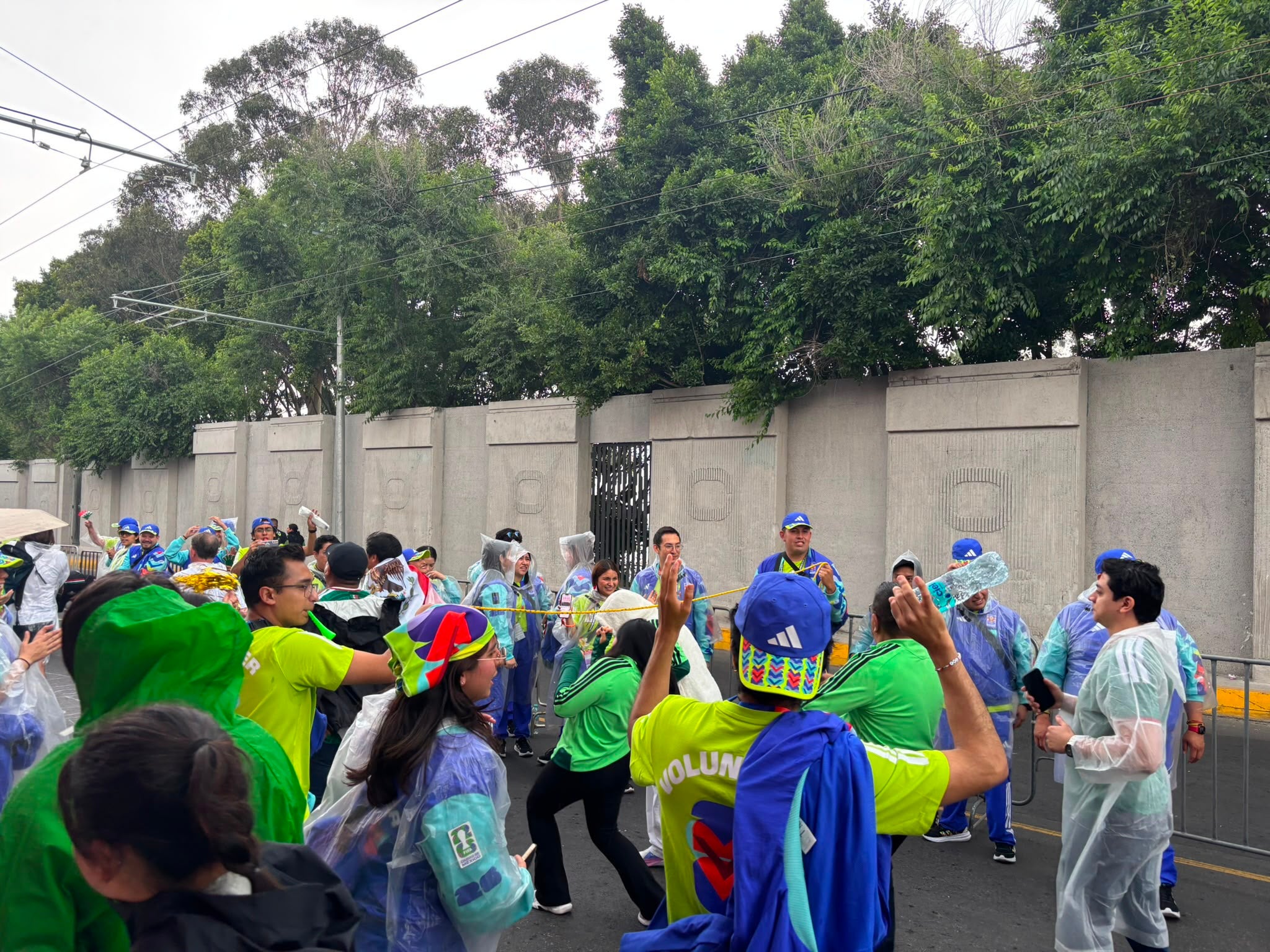
It is an intoxicating, smile-inducing, dopamine-hitting environment. This is the essence of the biggest event in world sport: the amalgamation of different nationalities and cultures, old and young, male and female. All coalescing, with passion and fervour, in a setting completely irrational and illogical, if it were not for two national football teams going head-to-head.
This is the premise of founder Jules Rimet’s vision when he formed the very first World Cup in 1930. In his words: “It’s about bringing together countries from around the world, people who might otherwise have nothing in common… at least for a little while.” And, mercifully, 96 years on in its 23rd edition, the tournament still fulfils this overarching ethos, despite all the factors working against those in the stands.
The message to Fifa is clear: you can take our affordable tickets, our visas, our water bottles, our stadium names, our red card suspensions. But what you can’t take, what you can’t overshadow, is the heartening blend of unique multi-culturalism; the interweaving of peoples, races and religions. And with it, the sentiment of something greater.
This was my first World Cup in attendance and, whether it be city centres, airport terminals or stadium precincts, what has been most striking is the enthusiasm, devotion and pure enjoyment on show between different groups at every turn, even in the most unlikely of environments.
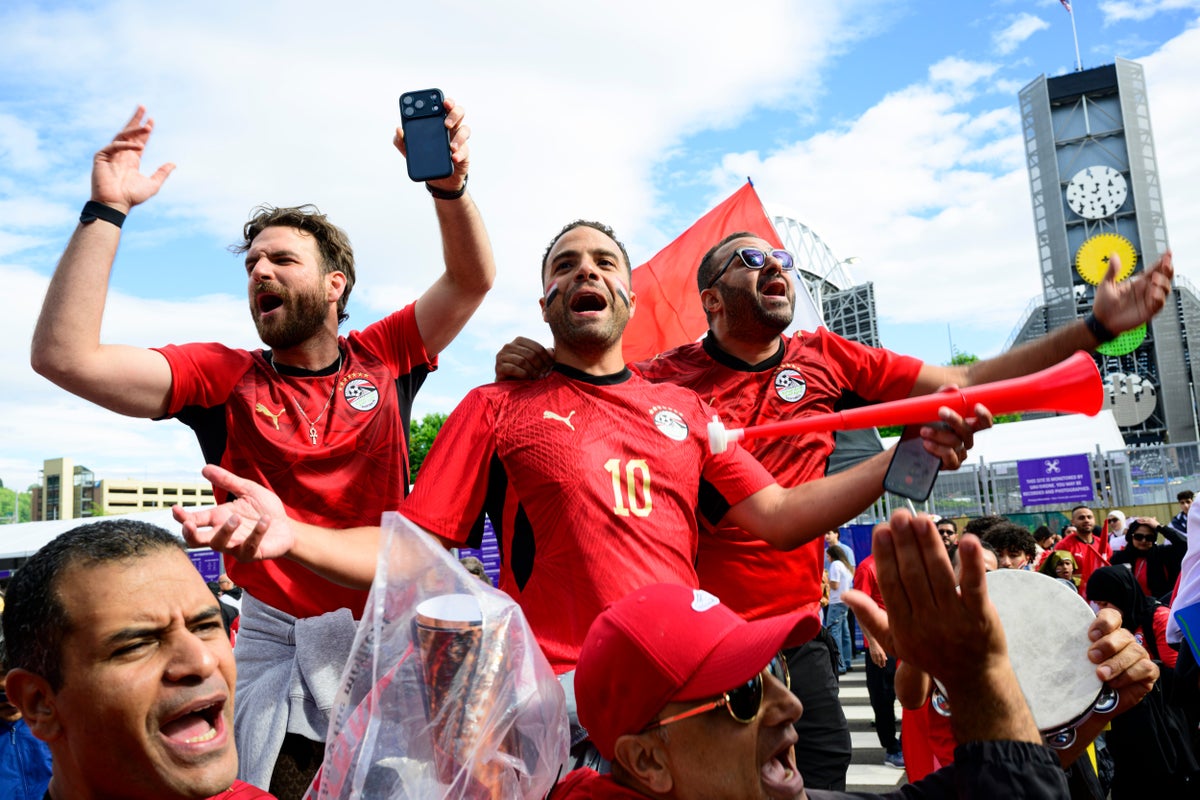
A fortnight ago, Iran took on Egypt in a critical Group G clash, also dubbed the first-ever World Cup pride match, which coincided with Seattle Pride Weekend. Within a wider context of two countries with anti-gay regulations and directives in one of America’s most liberal cities, and one country at war with the host nation, the sentiment ahead of the Friday night kick-off was one of deep intrigue and, amongst local law enforcement, natural concern.
How could so many different strands of humanity – Egypt fans, Iran fans, anti-Iranian regime protestors, pro-Palestine activists, Christian preachers, Pride campaigners – co-exist as one in the pre-match festivities? The answer: quite easily.
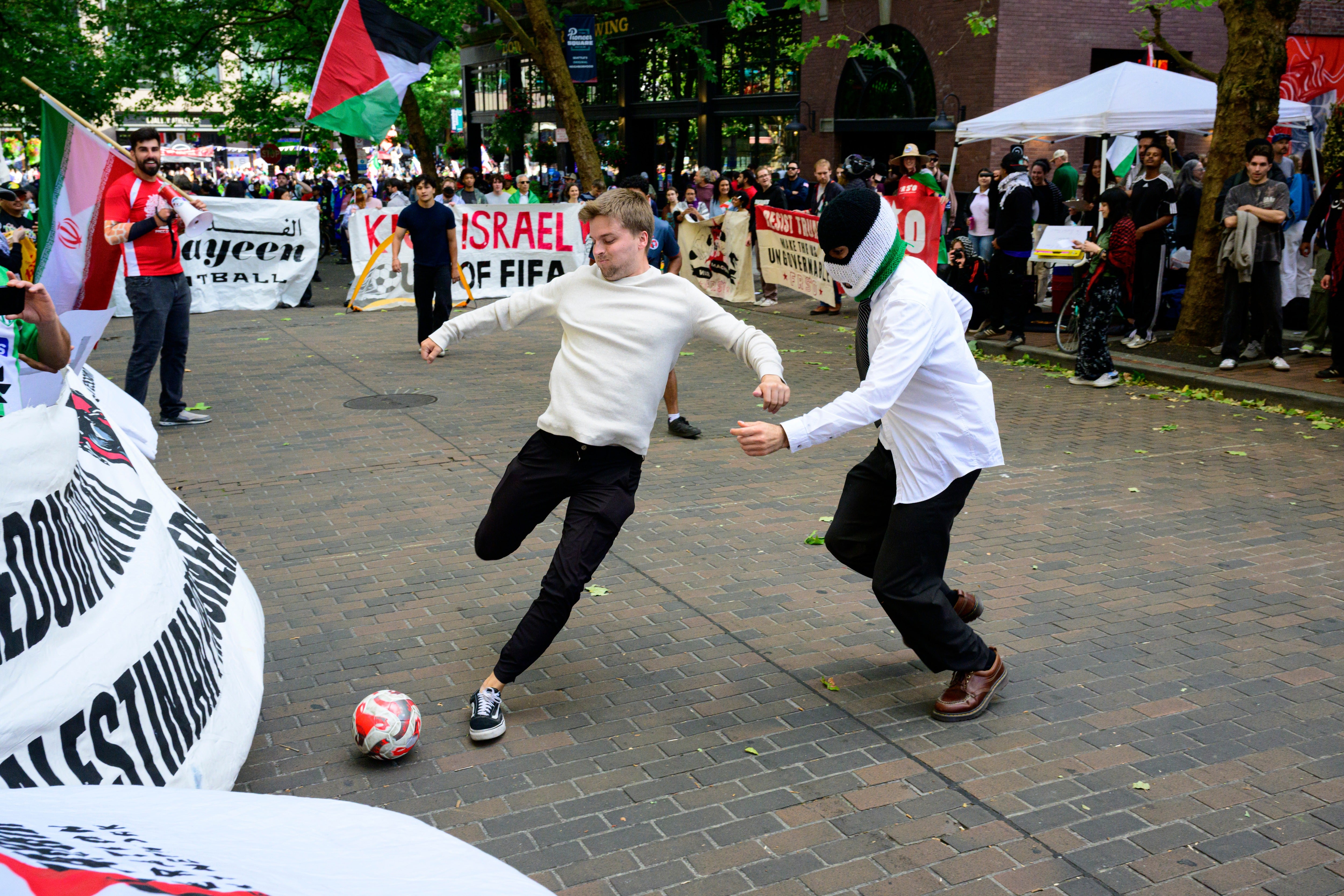
Walking from Seattle’s spectacular waterfront amid thousands of Egyptian supporters, Iran fans playfully integrate into the crowd, posing for selfies with men wearing Mo Salah masks. Trot a few metres down on Occidental Avenue within downtown Seattle’s Pioneer Square, a 5-a-side football match takes place, with the match mapped out with political placards, calling for Israel to be kicked out of Fifa. “Football is the people’s sport, despite the fact it’s been used and twisted at the top,” says Adam, a 29-year-old Palestinian campaigner. “We want to raise awareness that football can unite.”
.jpeg)

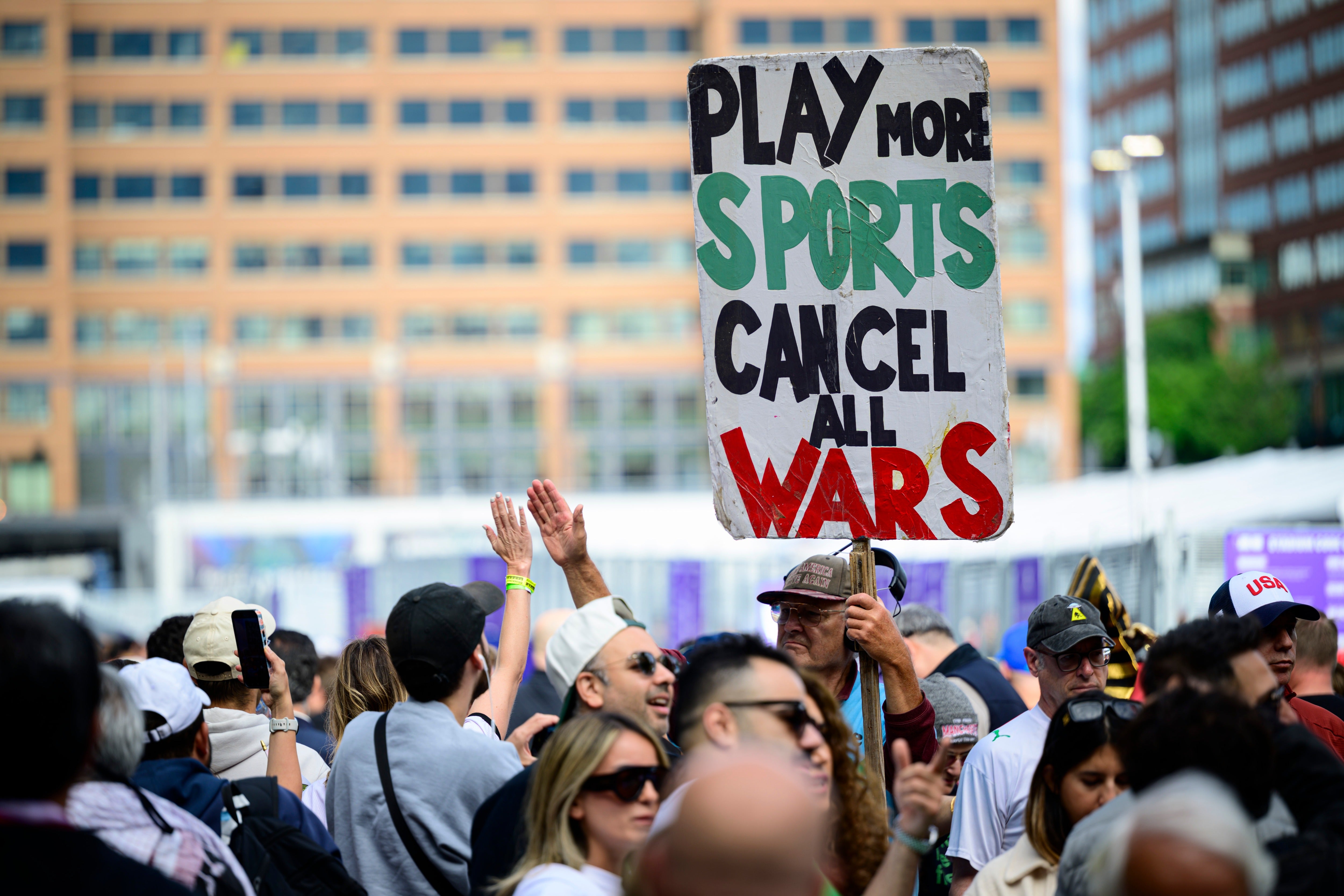
Twenty metres down the same stretch of road lies a smaller movement of anti-Trump protestors. Then, on the street corner outside the Quality Athletics gastropub, a group protesting the Iranian regime gathers; people who support Trump and his war with Iran, a few footsteps from people with an altogether different viewpoint.
A larger anti-Iranian regime march from the south end of the stadium eventually joins them, but not before they pass a sole Christian preacher in their path. A nearby Seattle police officer twitches, telling the devotee to move on. He refuses.
The scene is so incomparable, the disparity in beliefs so stark, but the vociferous messaging from both groups continue. A few eyebrows are raised, naturally, but there is no disorder. “That is not the Iranian national team, this is the regime’s team,” says Emery, a 37-year-old Iranian living in Seattle.
“We are here to tell the world that this, killing more than 42,000 innocent people in 12 days, is not normal. They [the team] stay silent.” Emery is also one of hundreds parading the pre-revolutionary Iranian flag, technically prohibited from World Cup stadiums, but plenty make it in regardless.

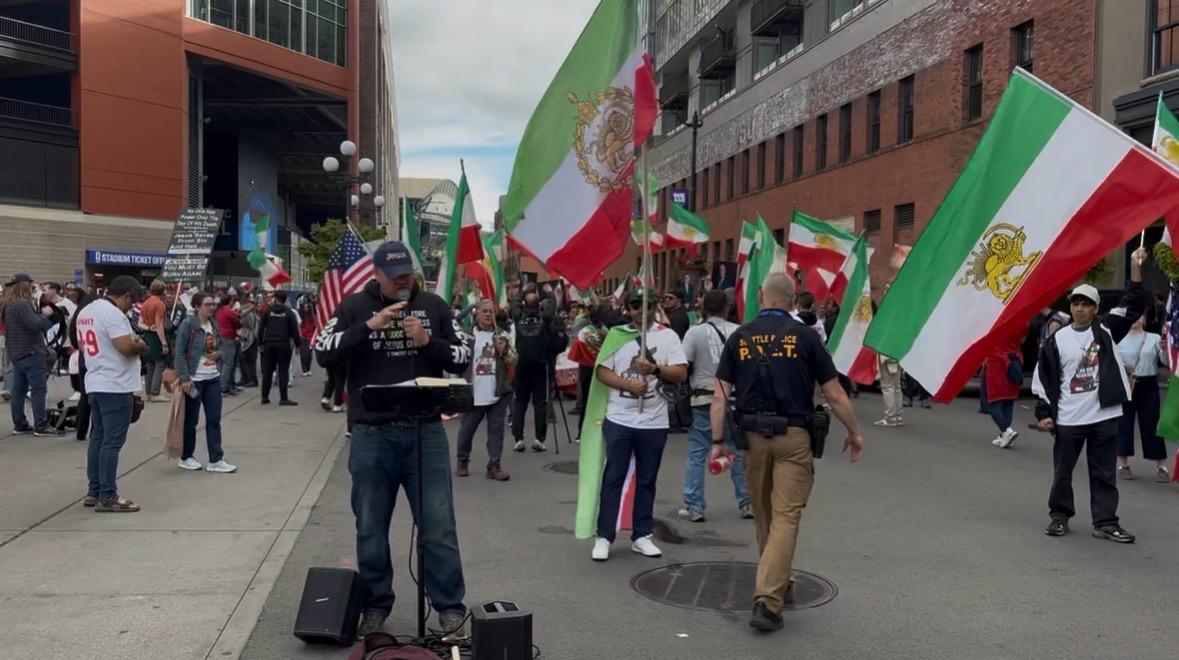
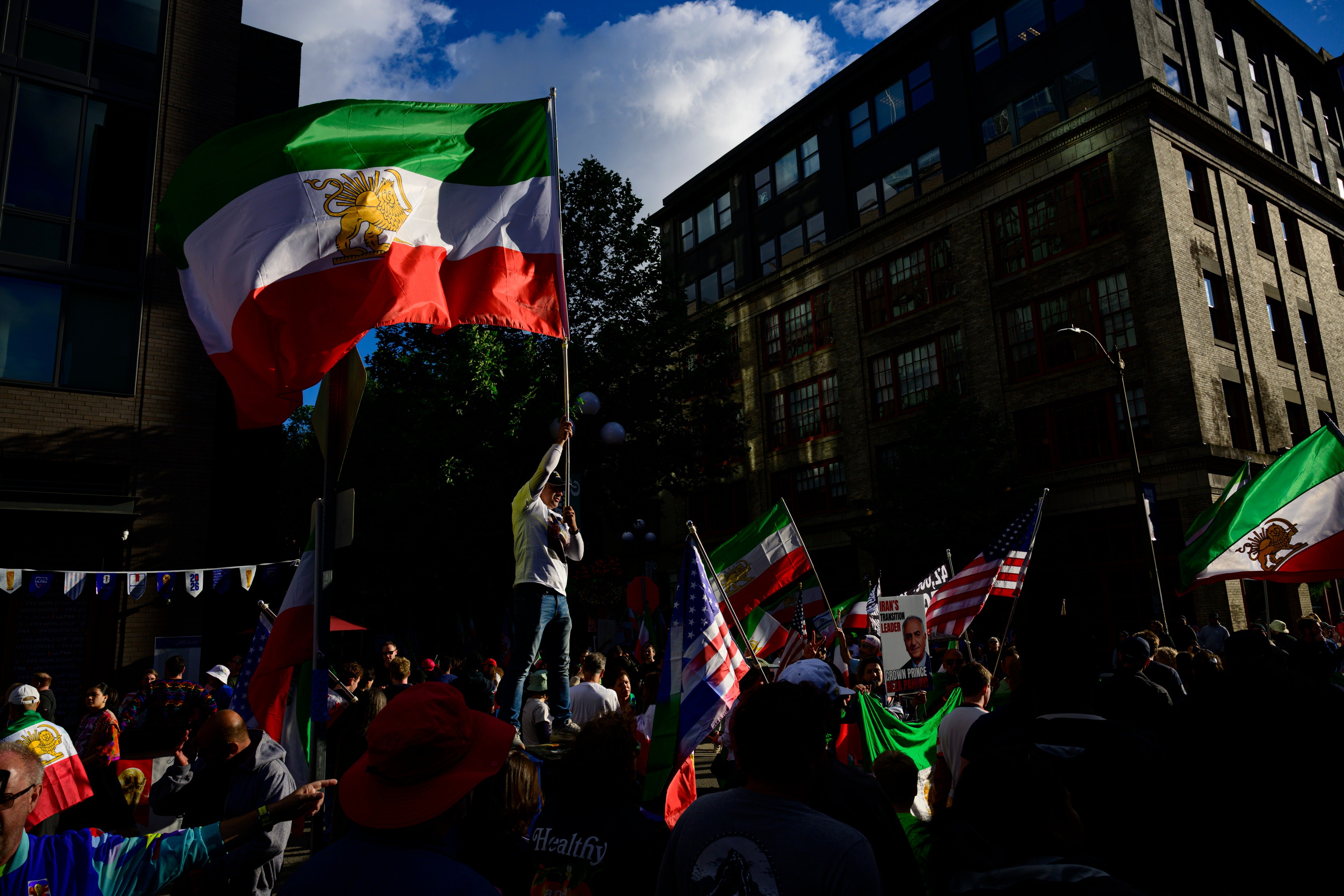
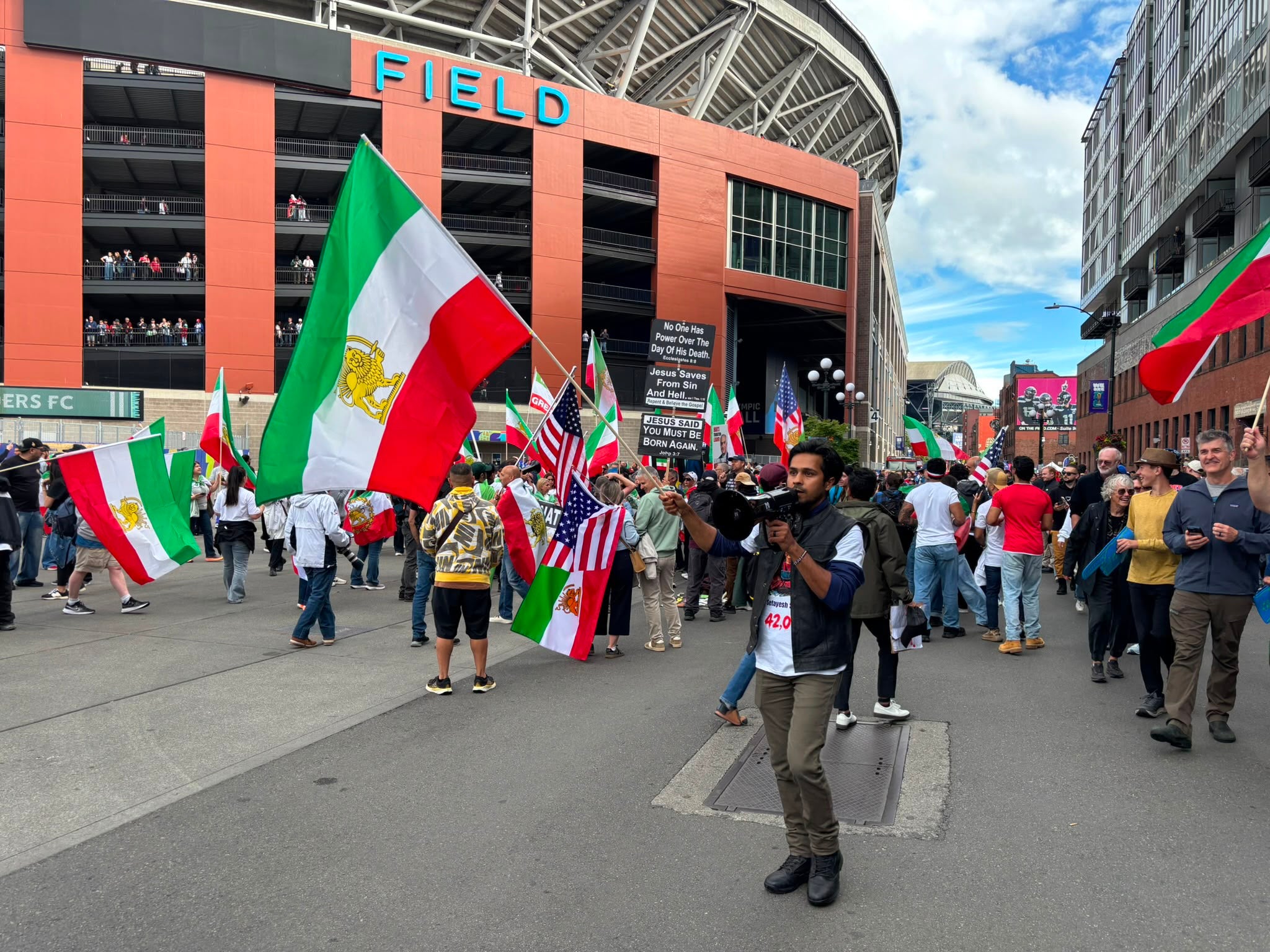
The point is this: all these groups coalesce peacefully in various forms of political protest on the day. Pride campaigners, wearing rainbow attire, immerse themselves within the naturally fever-pitched atmosphere. The match itself is full of drama, with Iran’s late winner ruled out via VAR in a call which eventually eliminates them from the tournament.
But in both Seattle and Mexico City, there is not one fan arrest.
Festivities post-match also paint a picture of distinctive cultures assembling in a heartwarming blend of joyousness. After England’s 3-2 triumph amid a cacophony of deafening noise inside the Azteca, the majority of Mexicans are magnanimous. They’ve tried, they’ve toiled, they’ve fallen.
At a bar just outside the stadium’s perimeter, England fans sing ‘Wonderwall’ on the karaoke. Mexican fans smile and mouth along. A myriad of different fans assemble in the fanzone at Zocalo in the city centre. Similarly, after the match in Seattle, Iran and Egypt fans dance the night away outside the Elysian Fields microbrewery. Rivalries are put to one side. Now, there is not a police officer in sight.
And as we near the finale this week, it is worth a reminder of what the last month has brought. In football terms, it is truly unparalleled. Sporting-wise, only the Olympics are comparable. Not many events, amid a world of increasing volatility and tension, can bring together such a diverse assortment of people in an atmosphere of pure patriotism and visceral energy. Beyond the Fifa-led commercialism and “Trumpification” at this summer’s tournament, that is – and will always remain – the World Cup’s most beautiful feature.