

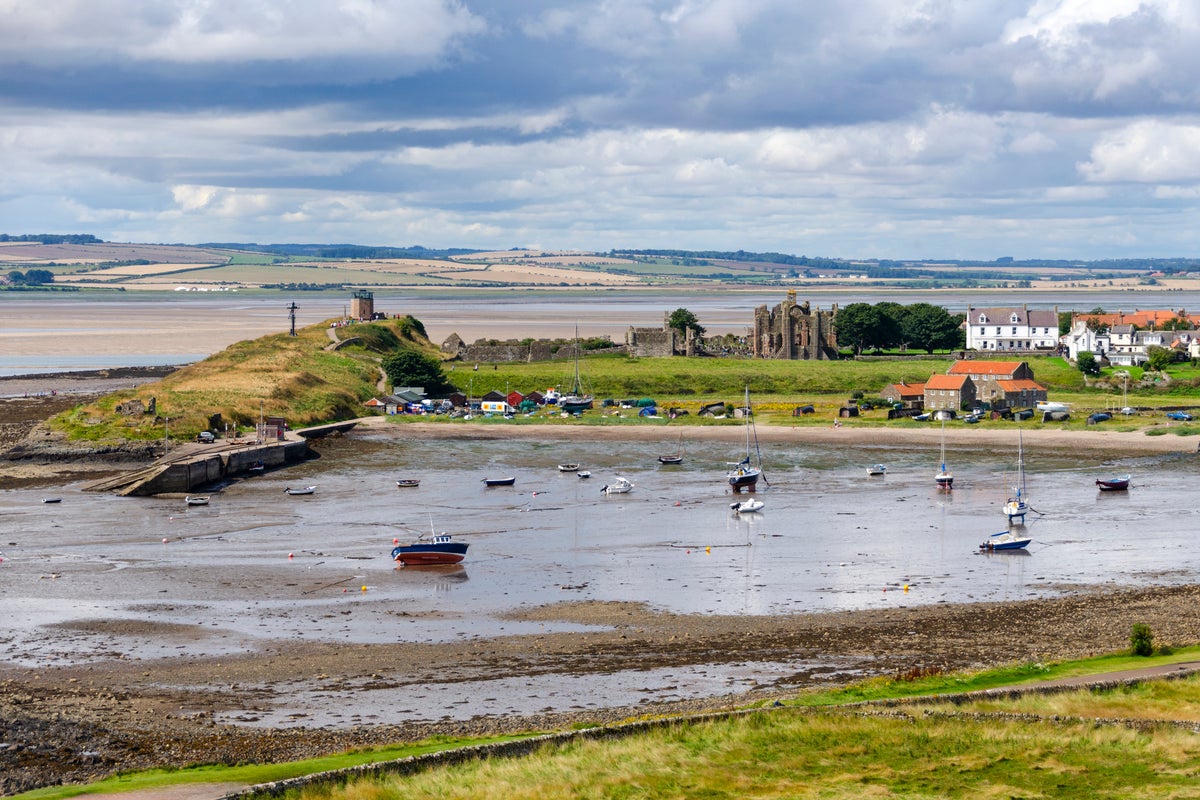
There’s a tidal island in Northumberland where every year 10-20 vehicles become stranded, submerged in rapidly-rising water and requiring rescue. Accessible by a causeway just twice daily, the Holy Island of Lindisfarne is 60 miles north of Newcastle.
On a clear day you can catch sight of Holy Island’s 16th-century castle from the London to Edinburgh train, and this intriguing place was recently used as the apocalyptic backdrop for the 28 Years Later films.
The breathtakingly beautiful tidal island has both cultural and natural significance. Holy Island falls within the Northumberland Coast National Landscape – an area protected because of its national importance – and is also at the heart of the Lindisfarne National Nature Reserve.

Read more: How an archaeology holiday can unearth real calm and connection
From the monastery founded there by St Aidan in AD635 signifying early Christianity to the lime kilns dating from 1860 that speak to the area’s industrial heritage, history is woven throughout the island. The permanent residence of around 150 people, this three-mile-long island sees up to 500,000 visitors per year. I’ve lived in Northumberland for most of my life, and it’s one of my favourite places to go.
Andrew Fox, chair of Visit Northumberland, highlights that while Holy Island is an iconic destination, those visiting must also be mindful of its preciousness: “It relies on visitors treading lightly and respecting the tides, sticking to paths, giving wildlife space, and remembering that this is a living community as well as a much-loved place to explore. Looking after Holy Island means preserving the essence of the island.”
Will Smith, whose family lived on the island for several generations, explains why it is so unique: “Holy Island is surrounded by history, which islanders are a part of. My grandma used to tell stories of taking a horse and cart to the mainland before the main causeway road opened in 1954. Here you’ll find pure freedom, beautiful scenery and a community like no other.”
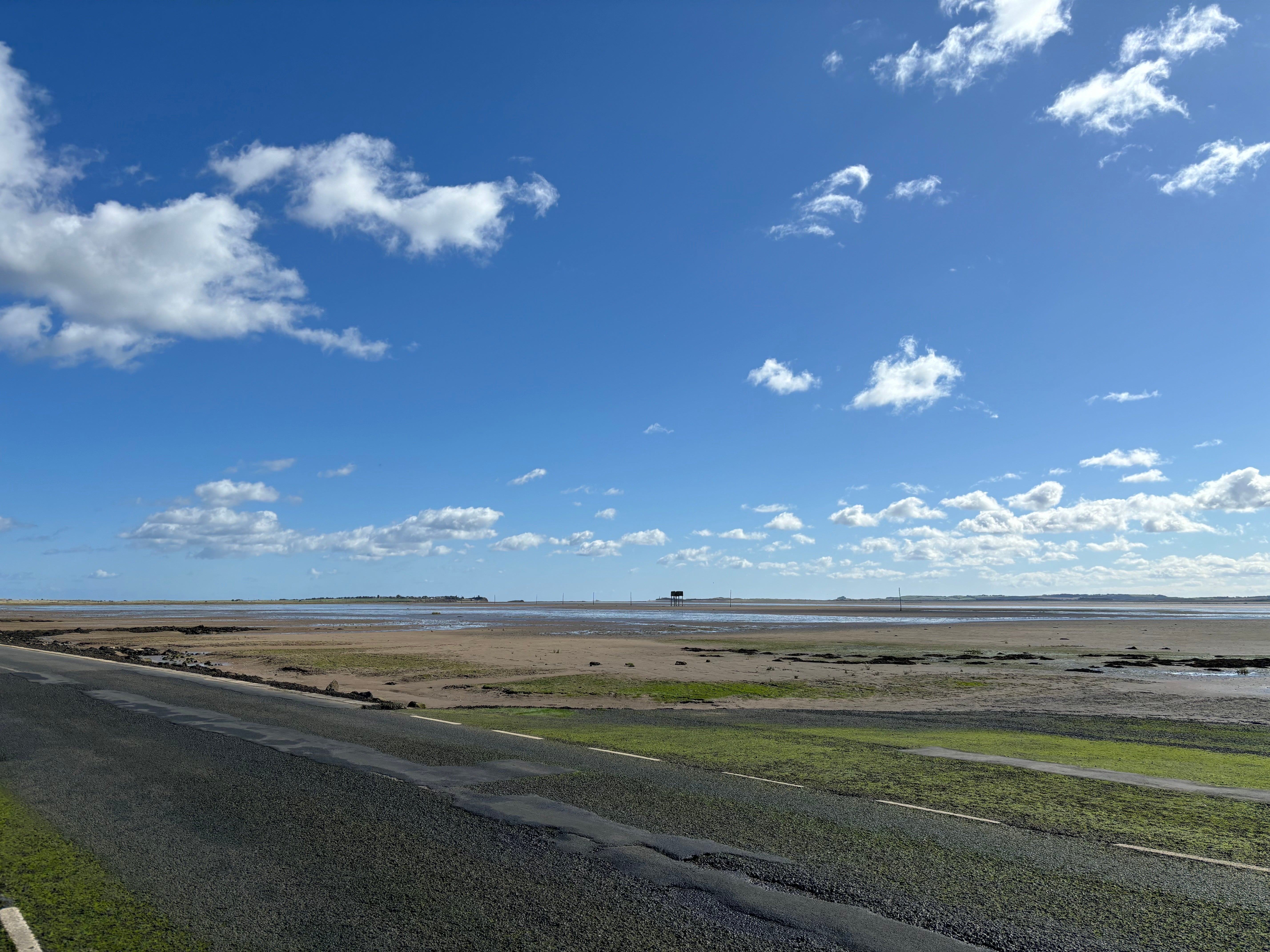
Driving across the causeway feels surreal, as the mud flats and saltmarsh whizz past and you leave the mainland for this special haven. Atlantic grey seals can be spotted – you won’t miss their signature wail – as well as redshank, curlews and herons. It’s worth knowing that once on the island, there are two main car parks but parking beyond that point is restricted.
Another way to discover this evocative place is without a vehicle, by walking the three-mile route also known as the Pilgrim’s Way. This still requires paying close attention to the safe crossing times, which you can easily check online or on boards displayed across the island. To experience the seven-mile route with an expert, Footsteps in Northumberland offers guided walks across the causeway for everyone aged six and upwards.
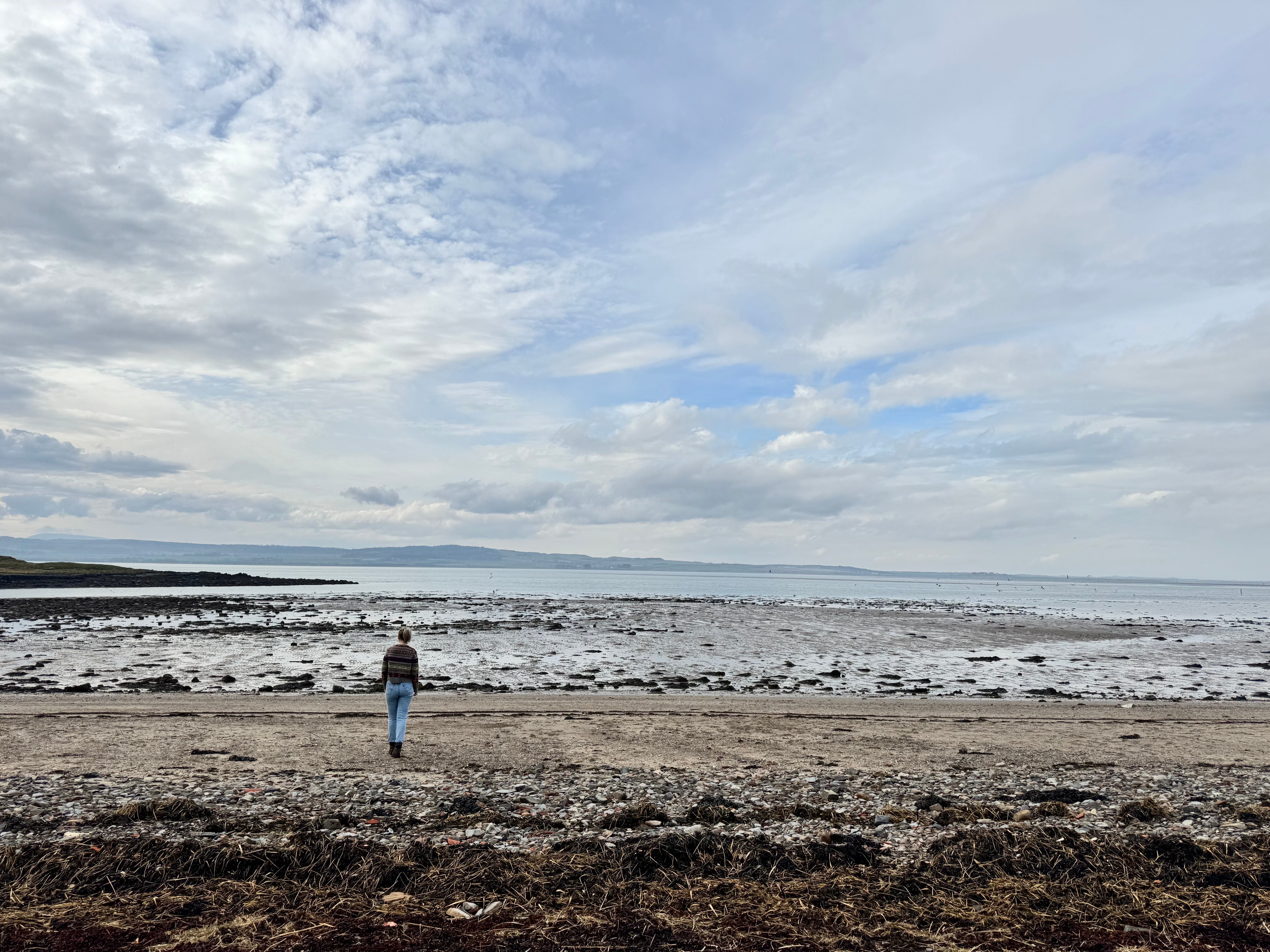
As well as enjoying numerous days there, I’ve spent a week on the island – when it’s cut off by the tide this place is other-worldly. The eerie, desolate nature depicted in Danny Boyle’s zombie horror sequel isn’t far from the truth of its dramatic, rugged beauty after the daytrippers have gone home. Looking across to the mainland at sunset while seals and birds sing, and you soak up the incredible view and unrivalled peace, is utterly idyllic. Joined by my husband and kids, we’ve also crossed the causeway early in the morning to see the sunrise from this serene spot.
Northumberland Coast National Landscape manager Iain Robson recommends planning a visit with tide times that let you stay for the whole day while being cut off from the mainland. “Holy Island is at its most magical at closed tide. This is when you can really enjoy the island’s tranquillity. Visiting out of season also lets you escape the crowds, with it being a dramatic place to visit in the autumn, winter and spring.”

Read more: My journey to the Scottish island that looks like the Maldives
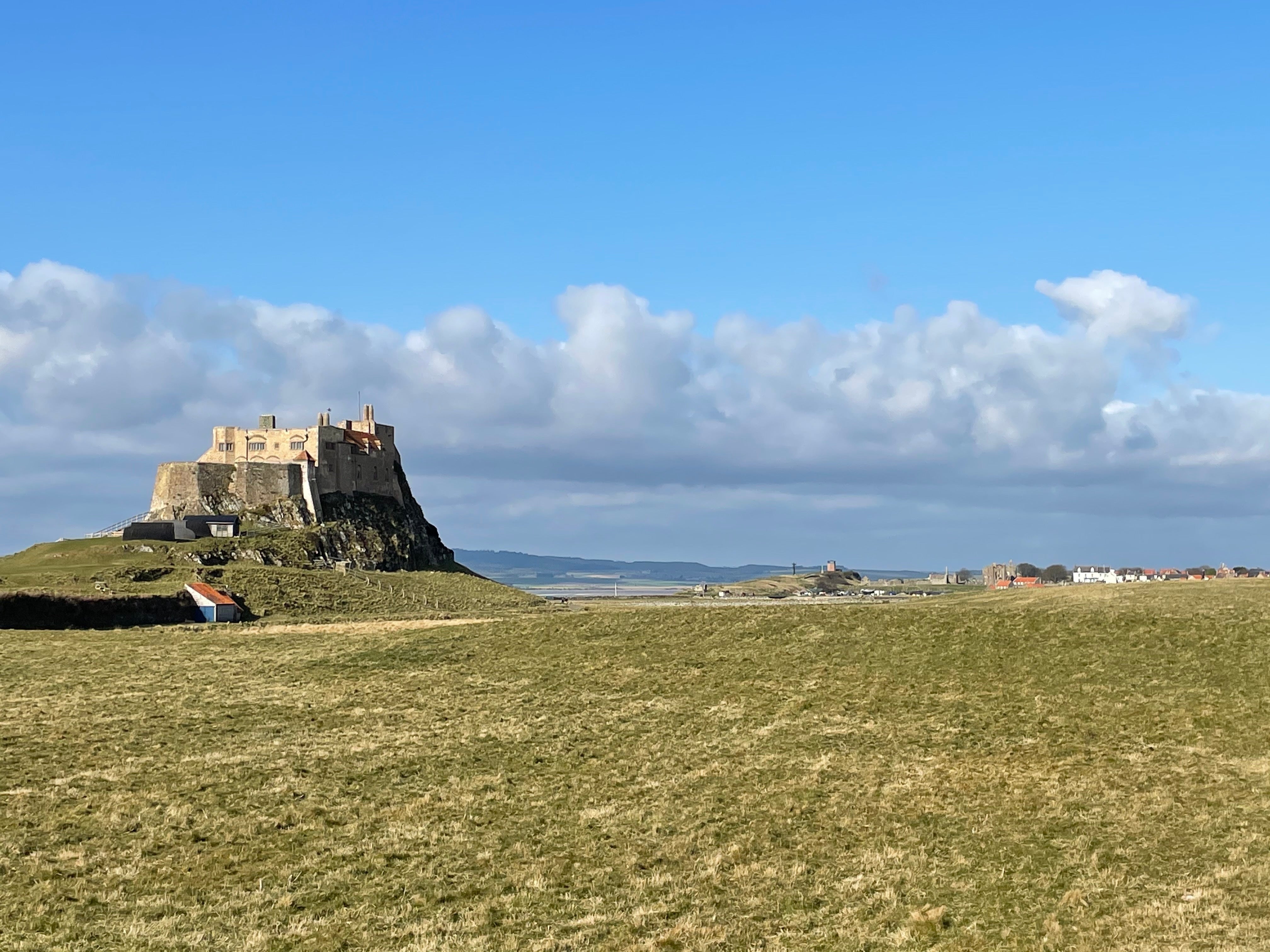
One of the top tourist draws is its main street leading to the castle, originally built as a Tudor fort to protect against Scottish invasion and now a National Trust property. On the impact of the island’s increasing visitor numbers, Smith says: “Tourism is necessary for island life: pubs, shops and cafes thrive as a result. Many people who live there work on the island.”
I love grabbing a takeaway cuppa from Pilgrims – a family-run coffee house and roastery – and following the cobbled route onwards. The sound of waves and those dramatic sea views soothe the soul and I’m usually joined by my equally happy spaniel. This is a dog-friendly place, but LNNR byelaws state they must be kept on leads throughout, to protect wildlife and ground-nesting birds (especially around the castle and on the beaches).
To the left of the castle is a stunning walled garden created by British horticulturalist Gertrude Jekyll in 1911. Just below it are the well-preserved lime kilns: in the 19th century limestone was transported here from the island’s quarry and then exported by sea.
It’s not the only indicator of the island’s geological importance. Holy Island is the most northerly point of the Great Whin Sill – a volcanic rock formation dating from around 295 million years ago. It’s also the foundation of the Farne Islands, Bamburgh and Dunstanburgh castles nearby, and Hadrian’s Wall. There are two main Whin Sill outcrops here: one which the castle sits upon and another is The Heugh – a southern point above St Cuthbert’s Beach and Lindisfarne Priory, 12th-century ruins now owned by English Heritage.

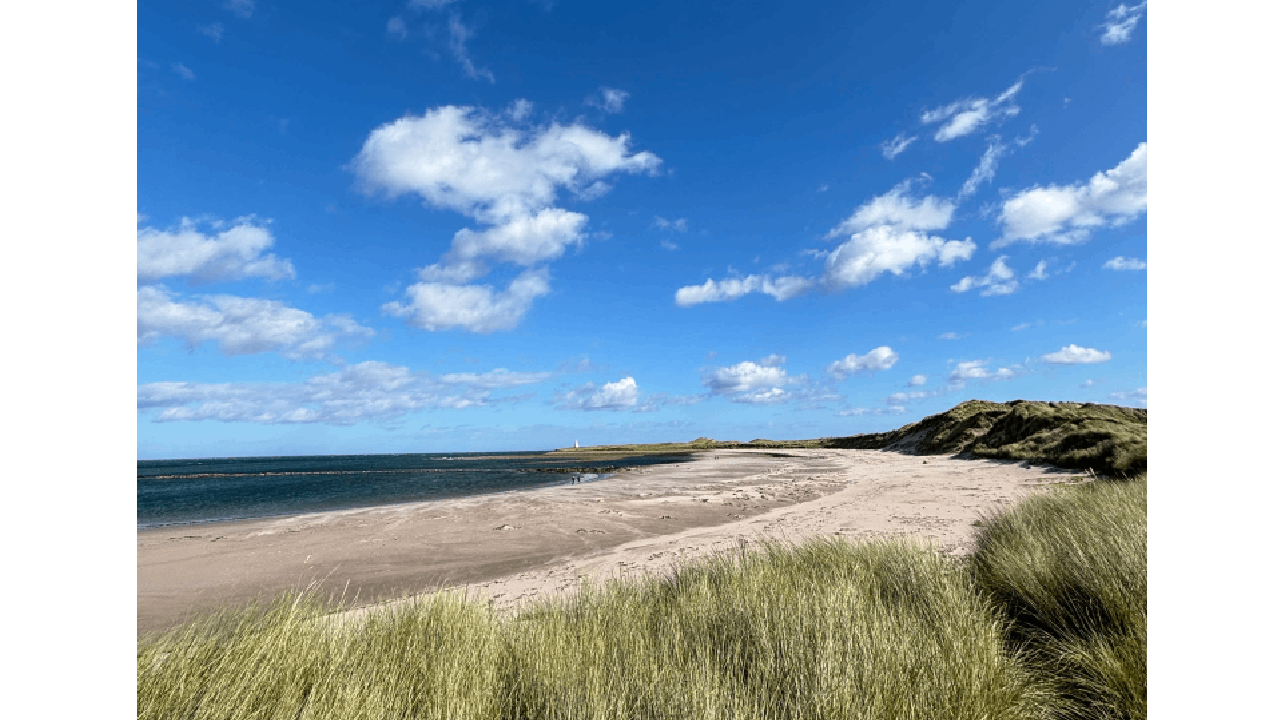
If you follow the winding route north, a 30-minute walk from the castle and walled garden, you’ll come across glorious golden sands and clear turquoise water at Sandham Bay beach. It is near Emanuel Head, a tall white pyramid-shaped structure that was built in the early 1800s as a daymark to guide ships. Beyond this, there is the similar, but more secluded, Coves Haven. These beaches are off the beaten path, and they feel a real treat to discover – on a sunny day or during the colder months.
Read more: This Greek island made our first empty-nest holiday truly romantic
Whether you fancy exploring the castle, priory, wildlife, beaches or seeing them all, there are several local places to refuel at in between. Grab lunch or dinner (or tea, as us Northumbrians would say) at one of two main pubs – The Ship Inn or The Crown and Anchor – or pick up a cake at Pilgrims to go with your coffee.
Accommodation-wise, there are self-catering options (although short stays are often limited) and rooms are available at the pubs, as well as The Manor House Hotel. Alternatively, you could visit the island from nearby Northumberland coast towns and villages like Berwick, Bamburgh, Seahouses, Craster, and Alnmouth. Visit Northumberland is a great place to start if you’re keen to make a trip.
Leaving this phenomenal place feels like going back to reality, and I always have a yearning to return again soon. Just don’t forget to check the safe crossing times before you head home.