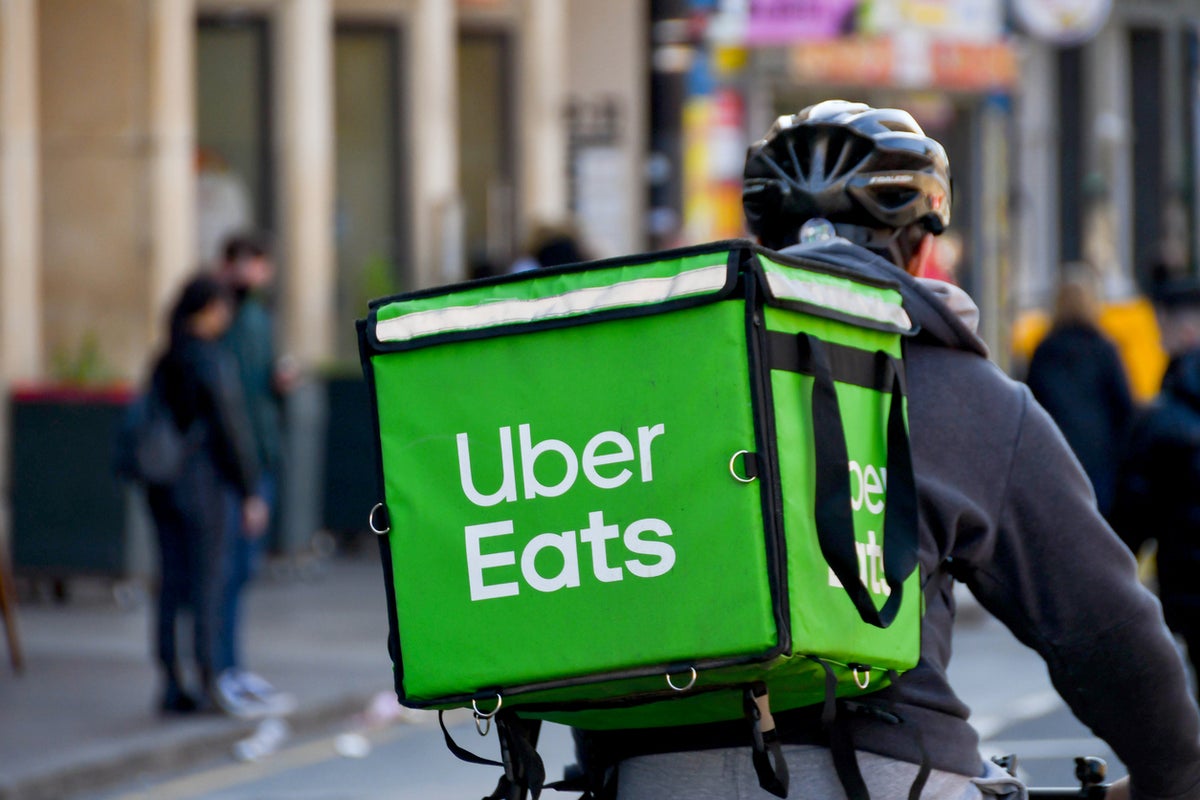
Millions of Americans tap their smartphone screens daily to order rides, groceries or dinner, hooked on the seamless convenience of the gig economy.
Yet beneath this frictionless interface lies a brewing war.
On one side, consumers are squeezed by volatile and erratic surge pricing, which adjusts to reflect spiking demand or dropping supply. On the other, gig workers face manipulative algorithmic payouts, erratic schedules and the skyrocketing costs of keeping their cars on the road.
For years, gig-economy executives have wielded the blunt instrument of surge pricing to manage their workforce. It treats human labor as a frictionless commodity. The logic is simple: If the number of drivers drops, throw more cash into the pool, and supply will correct itself.
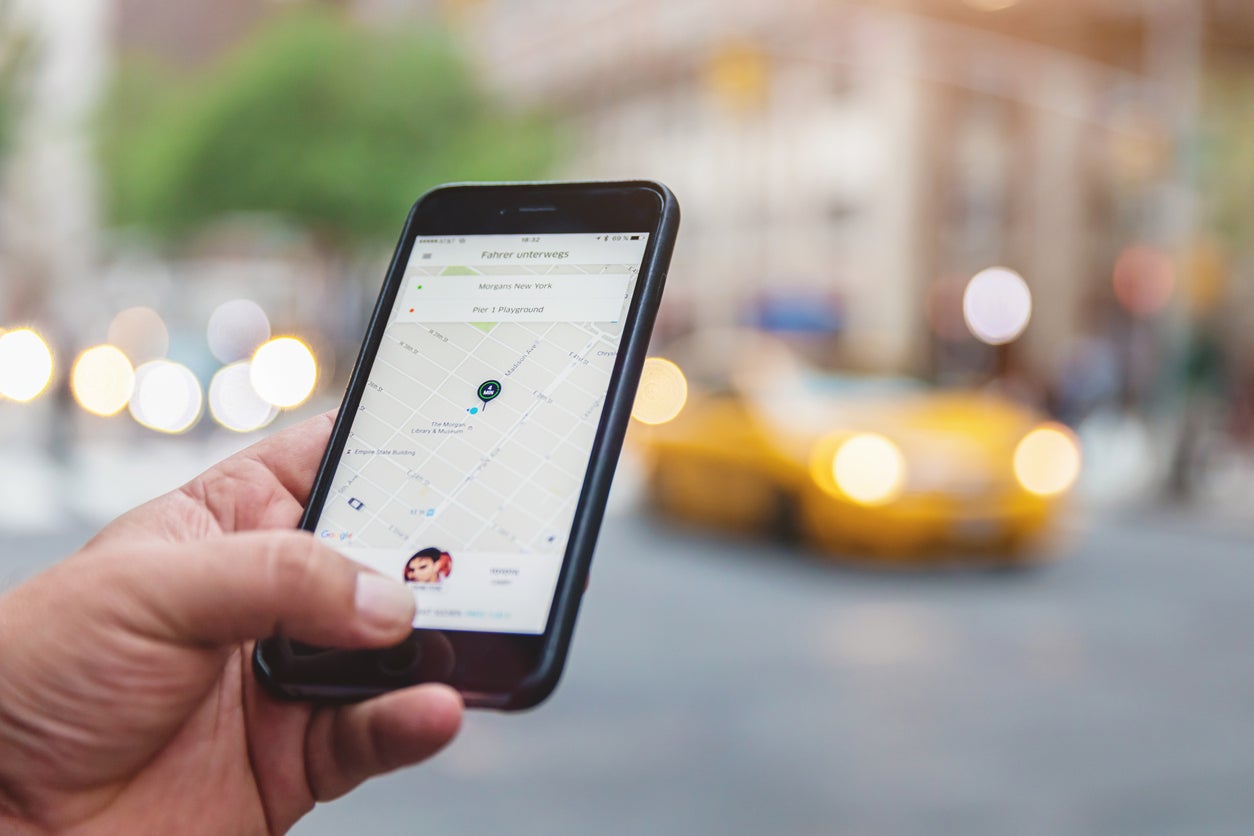
But there’s a huge catch. This strategy has created severe market friction, leaving consumers frustrated by high prices and platforms struggling with widespread driver shortages. Compounding the issue, fresh research shows that drivers don’t actually benefit from surge pricing and are increasingly demanding compensation reforms.
A case in point is Massachusetts, where that frustration led to the launch of the first U.S. gig-worker union in May 2026. It followed a 2024 settlement between the state and rideshare platforms that guaranteed a minimum wage of $34.48 an hour for Lyft and Uber drivers.
As business professors who study consumer psychology and supply chains, we analyzed 2 million delivery tasks, completed by over 70,000 drivers for a Fortune 500 retailer from February through April 2022, to unpack this problem. We discovered that gig workers aren’t just driven by money. They’re sophisticated micro-entrepreneurs who perform a strict “mental audit” of every single task to see if it’s worth their time – before hitting the “accept” button.
By understanding these hidden frictions among drivers, platforms can stop overcharging consumers and start designing work that aligns with the drivers’ preferences and makes their jobs more satisfying.
The three dimensions of friction
Domingo, an Uber driver who declined to give his last name, captured these systemic frictions in a 2023 CBS interview.
“It feels like the algorithm is turned against you,” he said. He recalled a night when he had completed 95 of the 96 trips required for a $100 bonus, only to be left waiting 45 minutes in a busy area for his final ride. That led him to believe the platform was intentionally baiting him to stay online.
This example underscores why it’s so important to consider the driver’s perspective to understand why traditional cash incentives in surge pricing fail.
With inflation squeezing their margins and rideshare platforms demanding a large share of their earnings, a driver’s split-second decision to accept a fare is a high-stakes calculation of business survival.
It’s not just the money
In effect, drivers consider more than the top-line dollar figure, we discovered. Instead, they evaluate three distinct factors.
First is what we call the “efficiency paradox.” Drivers are acutely aware of their pay-per-mile ratio, so they treat their personal vehicles like small corporate fleets where every mile is a capital expenditure. By that logic, if a route is long and inefficient, platforms should simply raise drivers’ pay and pass on the fare hike to the passenger.
But it turns out that higher pay alone doesn’t guarantee that a long, isolated route is worth it for the driver. We found that when compensation rises from $7 to $45 per ride, drivers were only 50% more inclined to accept “inefficient” tasks, such as long distances with few drop-offs. By contrast, their acceptance rate of “efficient” tasks, covering short distances with dense clusters, shot up by 70%.
Why did drivers prefer high-density volume over raw mileage premiums? Because they clear more customers and gain higher earnings, which feels like a win for their microbusiness. To acknowledge this calculation, platforms should group rides and deliveries into tight, localized clusters instead of heavily subsidizing long, isolated routes, in recognition that drivers prioritize route efficiency.
The second factor is what we call the “uncertainty tax.” Beyond the odometer, rideshare drivers price in behavioral and operational uncertainty. This friction is most visible during complex pickups, such as chaotic airport terminals or massive sports stadiums, where they often have to circle around and around before finding their customer.
To drivers, this kind of pickup is a volatile risk that drains time and burns fuel, another hidden tax.
Surge pricing tries to incentivize drivers to accept a high-friction pickup. But there’s a better way: Platforms could let passengers opt into “low-friction hubs,” like walking one block away to an easy pull-off zone, in exchange for a lower price. This reduces the cost of uncertainty for rider and driver alike.
And last, there’s the “sunset threshold.” The final and most rigid factor is the personal and physical cost of being on the road after dark. Despite the pressure to make money, gig drivers heavily value their safety and personal life above the extra dollar earned.
Our research confirms that the desirability of a delivery task drops off sharply at sunset, regardless of the base pay. Fatigue and safety concerns create an operational drag that money alone has a notoriously hard time overcoming. To address the reluctance, platforms could shift nonurgent evening orders – say, for groceries – to the following morning. This approach mitigates the need to offer costly incentives to exhausted drivers working past sunset.
What about consumers?
Because algorithmic platforms pass the cost of driver friction directly to the user, consumers hate surge pricing. When you encounter a massive upcharge, the algorithm isn’t just telling you that there are too few drivers. It’s telling you that your specific order represents high friction for the available fleet.
But consumers can take steps on their own to restructure their orders and minimize the driver’s “mental audit” penalty.
One way is to avoid the uncertainty caused by unattended delivery. With measures like selecting the “leave at my door” option or providing clear gate codes, the consumer can reduce the “uncertainty tax” imposed on drivers. When algorithms see these frictions falling away, the need for a driver premium plummets, deflating the surge price.
Another way is to rethink timing and scheduling, essentially what platforms could do on their side. In particular, consumers should avoid peak sunset and dinner rushes for nonperishable goods.
Ordering items for a flexible morning delivery window, for example, makes the most of “smart postponement.” Algorithms can hold nonurgent items for the next morning, when more drivers are available and ready to take orders, for a lower price. The evening “inconvenience premium” disappears.
Finally, consumers should be smart about order bundling. Instead of placing three separate orders throughout the week from different local spots, for example, they can consolidate purchases into a single drop. This directly aligns with the driver’s desire for high-density, low-mileage clusters, effectively neutralizing the “efficiency paradox.”
A win-win outcome
Ultimately, our research shows that gig workers and consumers alike can create a win-win outcome by shifting their approaches.
Consumers can save money by reducing uncertainty, bundling and pooling orders strategically and timing them to avoid the sunset penalty. And drivers can gain more control over the algorithm and their earnings – prioritizing density over distance, holding out for higher baseline premiums on complex deliveries and aligning their schedules with daylight hours when safety risks and physical fatigue are lowest.
Just as important, drivers are taking matters into their own hands at the political level. Along with the successful unionizing push in Massachusetts, rideshare drivers secured the right to organize in California in 2025, and Illinois is considering similar legislation.