A document on my laptop is named IranFlights. I created it on the morning of Saturday 28 February, when US and Israeli attacks on Iran began – triggering airspace closures like dominoes across the Gulf and wider Middle East.
It quickly expanded to include the closure of the key aviation hubs, in which thousands of British travellers were trapped as Iran retaliated with drones and missiles.
The document has grown fat on a diet of remarks from aviation chief executives about the price and, more critically, availability of jet fuel. More recently, airlines have been “optimising” their route networks: plucking unprofitable services from their schedules and merging flights in a bid to turn loss-makers into just-about-profitable departures.
As of 6pm on Monday 27 February, the word count is just over 47,000.
The density of information, plus the spectrum of views and action, is boggling. No surprise then that prospective travellers are confused and anxious.
“We are considering if we should cancel our £2,900 trip from Edinburgh to the south of France,” writes Richard. “Balance is payable next Thursday.” He is concerned that a shortage of fuel might cause the homeward flight to be cancelled – and even if it operated, maybe EU entry-exit system delays might mean “not boarding plane on time and missing the return flight as happened to easyJet customers in Milan this week”.
While the European digital border scheme has been an annoying presence in the back of the mind for years, two months ago none of us even thought of aviation fuel. We just took it for granted that there would be a plentiful supply of the stuff to get us to our holiday destination and back again.
Since the start of the appalling humanitarian crisis in the Middle East, and the subsequent closure of the Strait of Hormuz, the price of aviation fuel has doubled. On top of that, European officials have piled on the worries about availability of the precious hydrocarbon.
Through the fog of war-related problems, it is hard to see the reality: which is that tens of millions of us will enjoy relaxing, energising and indulgent summer holidays in the Mediterranean and beyond.
Refreshingly, I have just spoken to an airline boss who believes fuel availability will turn out not to be an issue – simply because there is so much money to be made supplying Europe. József Váradi, chief executive of Wizz Air, says the high price of aviation fuel means suppliers will be “creative” in finding alternative sources.
Furthermore, airlines are cutting flights in the tens of thousands and thereby reducing the demand for fuel. You could find your flight grounded to save money. But that does not mean you lose your holiday.
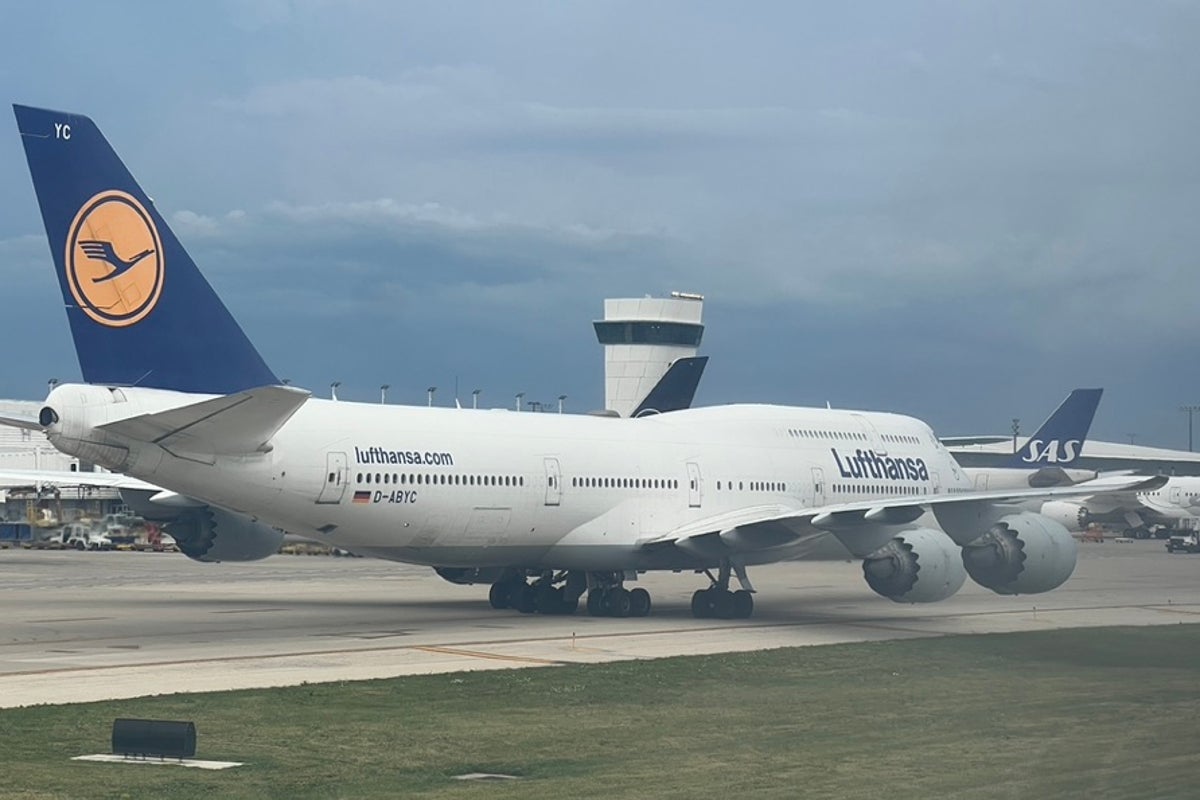
Let’s take Lufthansa, for instance. Last week the German national airline announced 20,000 cancellations, and there will be thousands more on top of that. But the passengers impolitely ejected can be accommodated elsewhere. Cancel the trip from Glasgow to Frankfurt, and passengers can be rebooked from Edinburgh, an hour away by bus.
If the cuts go deeper: with 10 flights a day each way between London Heathrow and Frankfurt, the German airline has plenty of scope for merging departures.
An airline cannot simply cancel your flight and say, “Sorry, we can’t afford to run it” or “We haven’t got enough fuel – here’s your fare back”. If you’re flying with a European airline or from anywhere in Europe, they must find you an alternative way to get to your destination on the same day if at all possible.
Holiday companies are also saying they fully intend to run services as expected. They’ve hedged most of their fuel costs, which means they won’t experience much of a price shock. Hedging means locking in prices – so, effectively, you’ll be flying this summer at last summer’s fuel prices, which is very good news.
Longer term, we will certainly see higher prices if aviation fuel remains expensive. Which makes summer 2026 prime holiday time. But do not hesitate to commit to Spain, Italy or Greece between May and September: prices now are about as good they will ever get.
That applies all the more to intercontinental air fares. Hoping prices might come down? They probably won’t, except in the special case of trips to the US during the World Cup, where bookings are lighter than expected.
For trips further afield – to South America, Southeast Asia and Australia, booking now gives you the reassurance of knowing the airline must get you to your destination.
Many airlines are adding surcharges, but these only go as far as what the market will tolerate. At the moment, that is not a lot.
If airlines end up cancelling more flights, those who have already booked will be fine. Those trying to book at short notice may find no seats available, or prices far higher than expected.
A fresh question has just arrived from Kristi: “I’m going to Cyprus in September. What if there’s fuel in the UK but they run out in Cyprus?”
First, that’s unlikely. Second, Cyprus is a good example because, unlike flights to Spain or Portugal, planes can’t really carry enough fuel for the return journey. But in a worst-case scenario, planes could fly from Cyprus to somewhere like Athens, refuel there, and continue.
“A pit stop,” as the boss of an airline that flies to Larnaca called the practice when I asked about this hypothetical case.
Not ideal, but perfectly tolerable. If you are understandably fretting about the many ways in which a trip could go wrong, step back and look at the bigger picture: the world is waiting to deliver a summer that is memorable for all the right reasons.
And now that word count has topped 48,000. When will it end?
Read more: Top travel firms vow not to apply ‘war’ surcharges to summer holidays