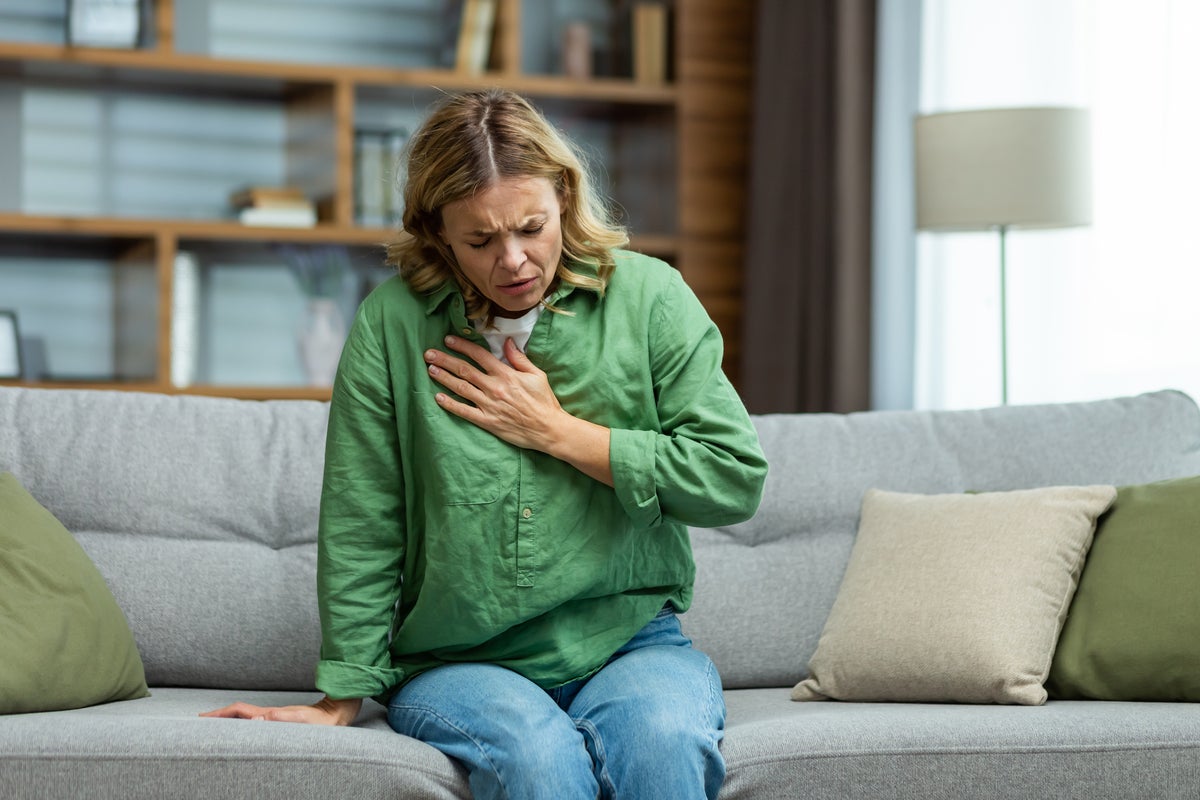
A racing heart can be frightening at any age. Palpitations are common during perimenopause and may occur alongside hot flushes, anxiety and disturbed sleep. In many cases, they do not indicate a serious heart problem, but they should not automatically be attributed to hormonal changes.
Palpitations can occur for many reasons, including stress, anaemia, thyroid disorders, abnormal heart rhythms and long COVID. A racing or irregular heartbeat can also accompany a heart attack or another serious condition, including Takotsubo syndrome, also known as “broken heart syndrome”.
New, persistent or worsening palpitations should be assessed by a healthcare professional. Palpitations that do not go away or occur with chest pain, shortness of breath, feeling faint or fainting require urgent medical help.
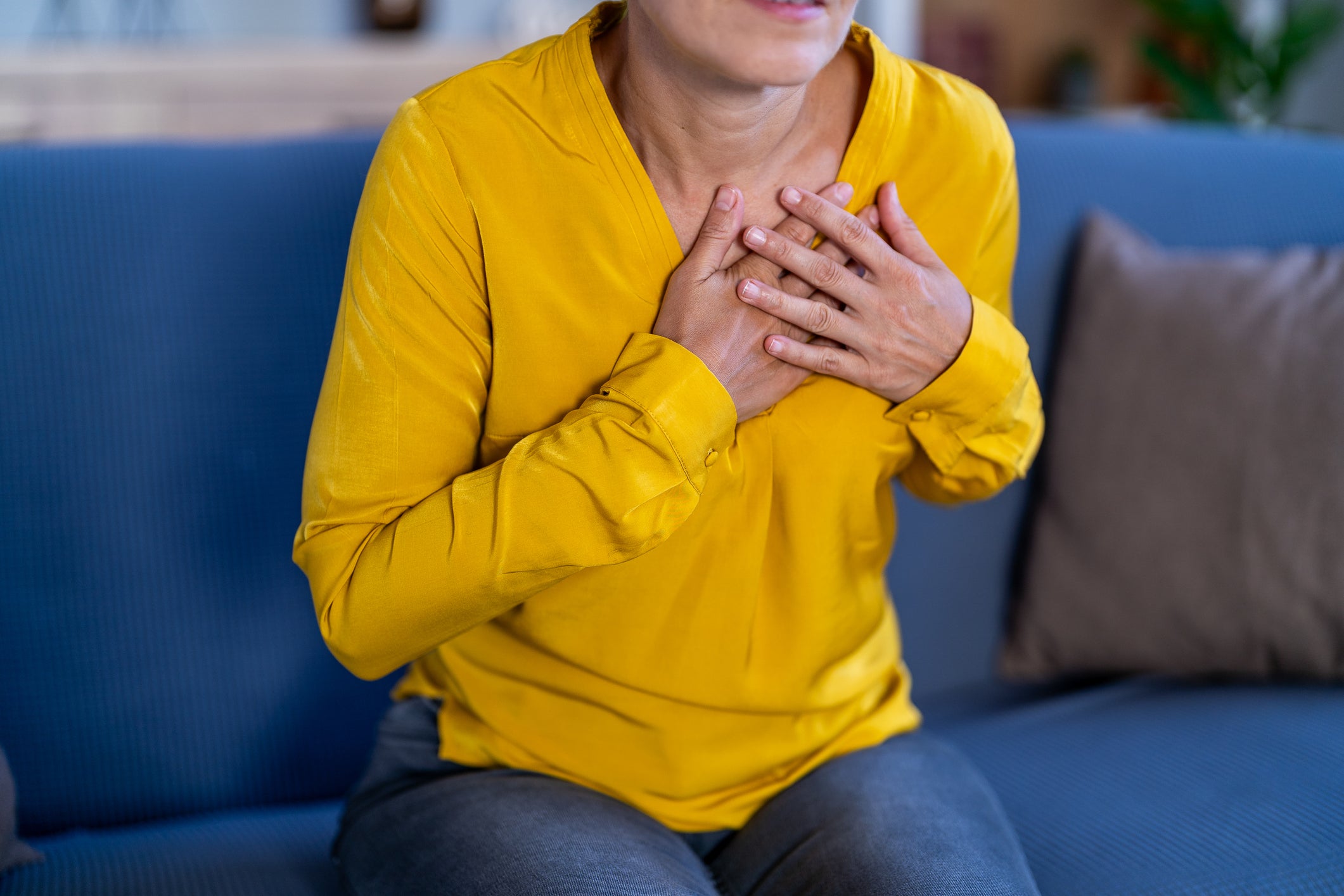
Perimenopause and cardiovascular health
Perimenopause is the transitional phase before menopause, when ovarian hormone levels fluctuate and periods become less predictable. Menopause is reached after 12 consecutive months without a menstrual period.
Oestrogen influences several aspects of cardiovascular health, including blood-vessel function, cholesterol and the body’s response to stress hormones. During the menopause transition, some women develop higher blood pressure, less favourable cholesterol levels and more fat around the abdomen. Insulin resistance may also increase, making the body less effective at controlling blood sugar. These metabolic changes may contribute to longer-term cardiovascular risk.
Age, genetics, existing health conditions and lifestyle also influence heart health, so these changes cannot all be attributed to hormones. Even so, research suggests that some cardiovascular risk factors can begin to worsen during perimenopause. The American Heart Association identifies the menopause transition as an important opportunity to check blood pressure, cholesterol and blood sugar and address risks early.
Broken heart syndrome
Takotsubo syndrome causes a sudden, usually temporary change in the way part of the heart muscle contracts. It most often affects the left ventricle, the heart’s main pumping chamber.
The condition was first described in Japan in 1990. It was named after a traditional Japanese octopus trap because, during an episode, the left ventricle can temporarily balloon into a shape resembling the trap.
Takotsubo syndrome may be triggered by intense emotional stress, such as bereavement or shocking news. It can also follow physical stress, including severe illness, surgery or injury, although some people develop the condition without an obvious trigger.
Its precise cause remains uncertain. A sudden surge of stress hormones, including adrenaline, appears to play a central role. These hormones may temporarily affect heart-muscle cells, small blood vessels and the nervous signals controlling the heart. Researchers have examined several possible biological mechanisms, while experimental studies have shown how very high adrenaline levels can produce the characteristic pattern of heart dysfunction.
Takotsubo is rare and predominantly affects postmenopausal women, but it can also occur before menopause. Around 90% of diagnosed patients are women, and studies report an average age at diagnosis of between 67 and 70.
Palpitations can be one of its symptoms, particularly when they occur alongside chest pain, breathlessness, dizziness or fainting. Because these symptoms can also indicate a heart attack, they should not be dismissed as an expected part of perimenopause.
The predominance of Takotsubo among older women has led researchers to investigate whether lower oestrogen levels make the heart more vulnerable to stress hormones. Oestrogen may influence blood-vessel function and the cardiovascular response to stress, but a direct causal link between falling oestrogen and Takotsubo has not been established.
Takotsubo is estimated to account for around 1–3% of people presenting with suspected acute coronary syndrome, a group of emergencies that includes heart attacks. The proportion rises to approximately 5–6% among female patients presenting with suspected acute coronary syndrome. These figures apply to patients already being assessed for a possible cardiac emergency, rather than to perimenopausal or postmenopausal women generally.
Why it can look like a heart attack
One of the greatest challenges in diagnosing broken heart syndrome is that its symptoms closely resemble those of a heart attack. Both can cause sudden chest pain, shortness of breath, sweating, nausea, dizziness, palpitations and extreme fatigue. The symptoms can be severe and life-threatening, making immediate medical evaluation essential.
A heart attack usually occurs when blood flow through a coronary artery is interrupted, often because the artery has become blocked. This can permanently damage the heart muscle if treatment is delayed.
In Takotsubo syndrome, the pattern of heart-muscle dysfunction is usually not explained by a blockage in a single coronary artery. However, coronary artery disease can occur alongside Takotsubo, so doctors cannot diagnose the condition simply by finding that the arteries are unobstructed.
Doctors may use an ECG, blood tests and an echocardiogram, an ultrasound scan showing how the heart is pumping. A coronary angiogram can identify narrowed or blocked arteries. Cardiac magnetic resonance imaging, or MRI, provides detailed images of the heart muscle and can help distinguish Takotsubo from other conditions, including inflammation of the heart muscle.
Because Takotsubo and a heart attack can look almost identical at first, suspected cases are initially managed as a possible heart attack.
Heart function often improves within days or weeks, and many patients recover well. However, the acute episode can cause heart failure, blood clots, stroke, shock or cardiac arrest. Research suggests that some patients experience persistent symptoms or less complete long-term recovery than was previously recognised.
When to seek medical help
In the UK, call 999 for sudden chest pain or discomfort that does not go away, feels tight or squeezing, spreads to the arms, neck, jaw, stomach or back, or occurs with sweating, nausea, light-headedness or breathlessness.
Call 999 for severe difficulty breathing or if someone collapses and does not respond normally. Do not drive yourself to hospital.
Palpitations are common during perimenopause and often have causes other than a serious heart problem. However, new, persistent or worsening episodes should be assessed by a healthcare professional.
Call 999 if palpitations do not go away or occur with chest pain, shortness of breath, feeling faint or fainting. A heart attack and Takotsubo syndrome cannot be distinguished from symptoms alone.