A humanitarian worker is being observed in a London hospital following a potential exposure to Ebola, health officials have said.
The UK resident had been working with a humanitarian organisation in the Democratic Republic of Congo (DRC), supporting the Ebola outbreak response.
While the individual is not displaying any symptoms and appears well, they have been flown out of the country on a flight chartered solely for their evacuation as part of precautionary measures.
The World Health Organisation reported 2,423 confirmed cases of Ebola (Bundibugyo virus), 967 confirmed deaths, and 252 suspected cases as of Sunday.
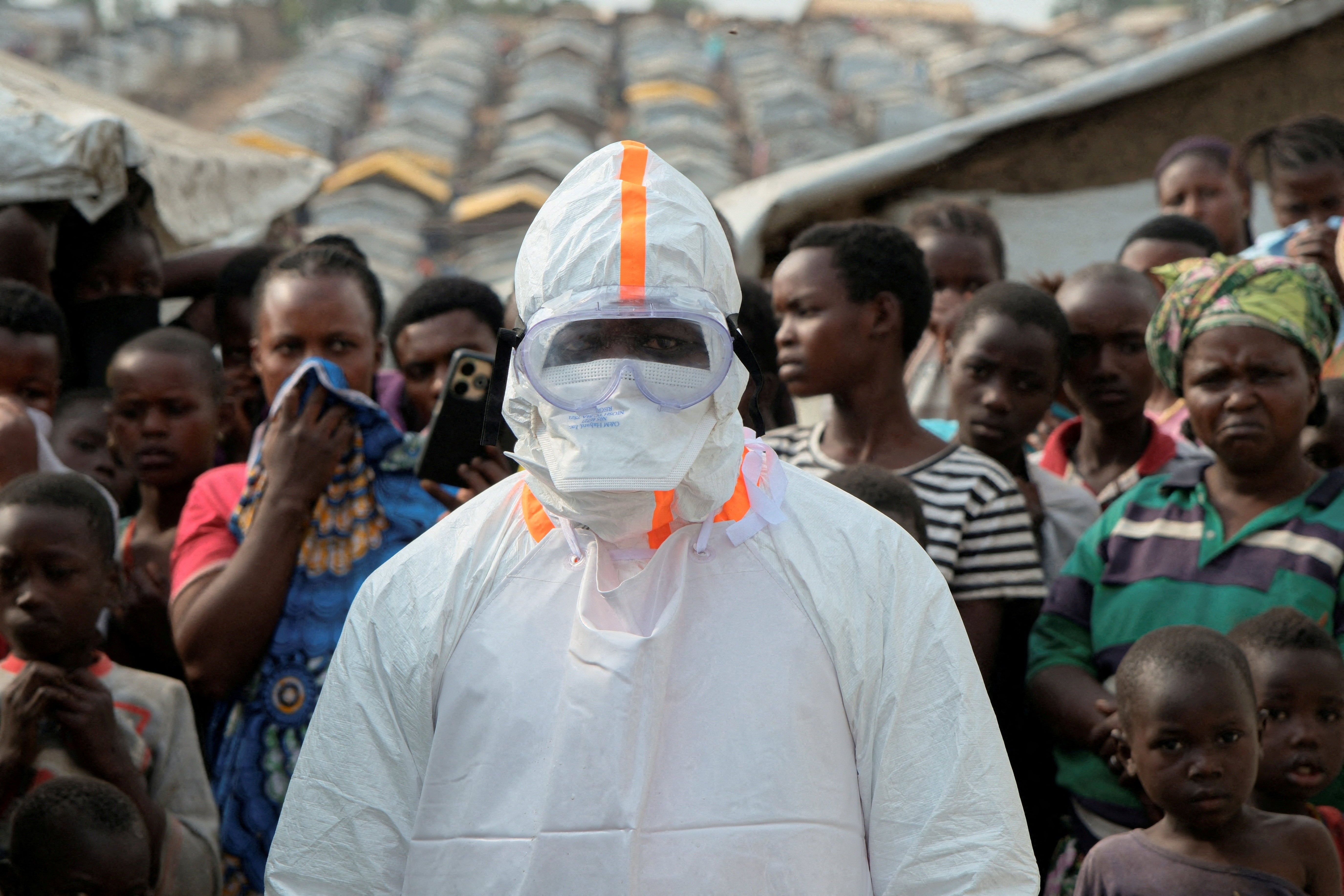
The worker is now being assessed and monitored in isolation by infectious disease specialists at an unnamed London hospital. They are expected to isolate throughout the entire potential incubation period for Ebola, which ranges between two and 21 days.
The UK Health Security Agency works with international partners to make sure that any British residents at risk of Ebola can return to the UK and be given the treatment and care required.
There are currently no confirmed cases of Ebola in the UK and the risk to the general public remains low, an expert from the UKHSA said.
Richard Pebody, director of epidemic and emerging infections at UKHSA, said: “The risk to the general public remains low. This individual has been transferred out of an abundance of caution, and we’re pleased they remain well.”
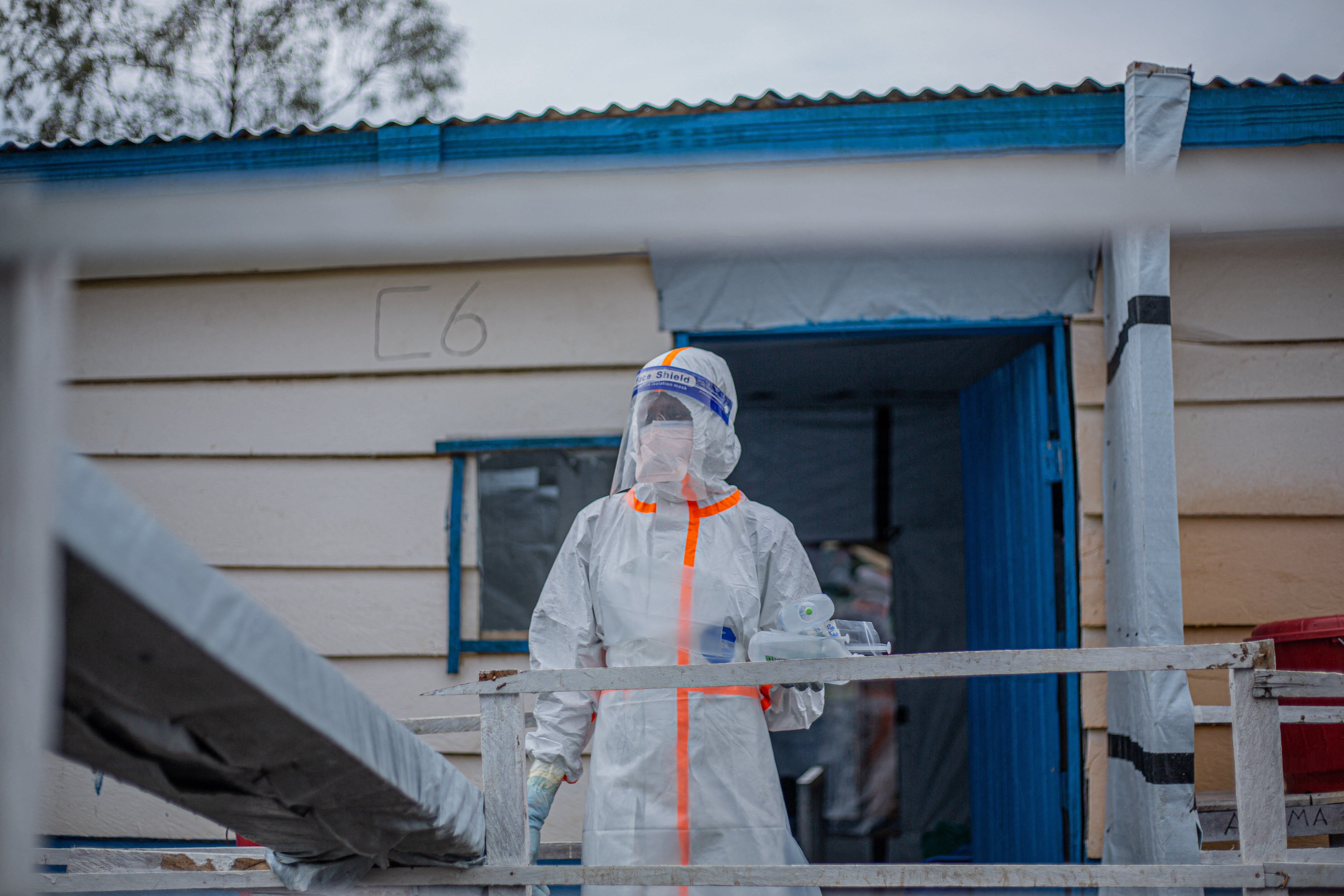
An Ebola outbreak was confirmed in the DRC and Uganda in May 2026.
The Bundibugyo variation of Ebola currently dominating DRC’s outbreak has no vaccine or specific treatment, the WHO has said, although the University of Oxford is set to begin human trials for a new jab which could be ready within weeks.
The health body warned that it would be a challenge to control the outbreak due to an ongoing humanitarian crisis in the DRC, and the fact it’s ongoing in a remote and densely populated area with insecurity, high population and trade movements.
Ebola disease symptoms can be sudden and include fever, fatigue, malaise, muscle pain, headache and sore throat, according to the WHO. These are followed by vomiting, diarrhoea, abdominal pain rash, and symptoms of impaired kidney and liver functions.
Bleeding, often perceived as a common symptom, is less frequent and can occur later in the disease. Some patients may develop internal and external bleeding, including blood in vomit and faeces, bleeding from the nose, gums and vagina.
Patients can feel confused and irritable, becoming aggressive due to the impact on the central nervous system.