



After just five years of employment, my retirement is a very long way off – about four decades off, actually, which, if I think about it for too long, will make me collapse with despair.
I look forward to my future spent tucked up on a beachside deck chair, reading a book with a packet of Hobnobs; my 6am alarm clock and packed tube a distant nightmare. “We can paint in the afternoons,” fantasises my best friend, a civil servant who will retire early and also plans to live in the dream beach house. “And we should have at least three dogs.”
Our crinkled selves, with grey hair, a thermos flask, and a great chunky knitwear collection: that’s who we think about when we pay in our pension contributions each month, despite the present-day us contending with the impending financial doom of a potential recession, which makes us, obviously, very grateful to be employed at all when many others are out of work.
But despite doing everything we’re supposed to do to make this far-off retirement dream a reality, we’re already falling behind if the latest research is correct. According to data from HMRC, women in the UK retire with 48 per cent less than men, with the investment platform AJ Bell finding in a recent 2,000-person survey that this gap starts to open up at the age of 28.
At 29, this gives me the absolute hump – but I’m not terribly surprised. Between the ages of 29 and 40, a fifth (21 per cent) of women say they work part-time, compared with just 5 per cent of men, which, of course, hits our pensions in the long run of workforce life.
The reason for this? The majority of the time, it’s motherhood.
The UK is one of the most expensive countries in the world for childcare – amounting to 19 per cent of average income, according to OECD estimates in 2022. For an increasing number of families – predominantly mothers – that means it doesn’t make financial sense to work, with a survey of 27,000 parents by the campaign organisation Pregnant Then Screwed finding that childcare costs have forced 40 per cent of mothers to leave their jobs and 40 per cent to work fewer hours.

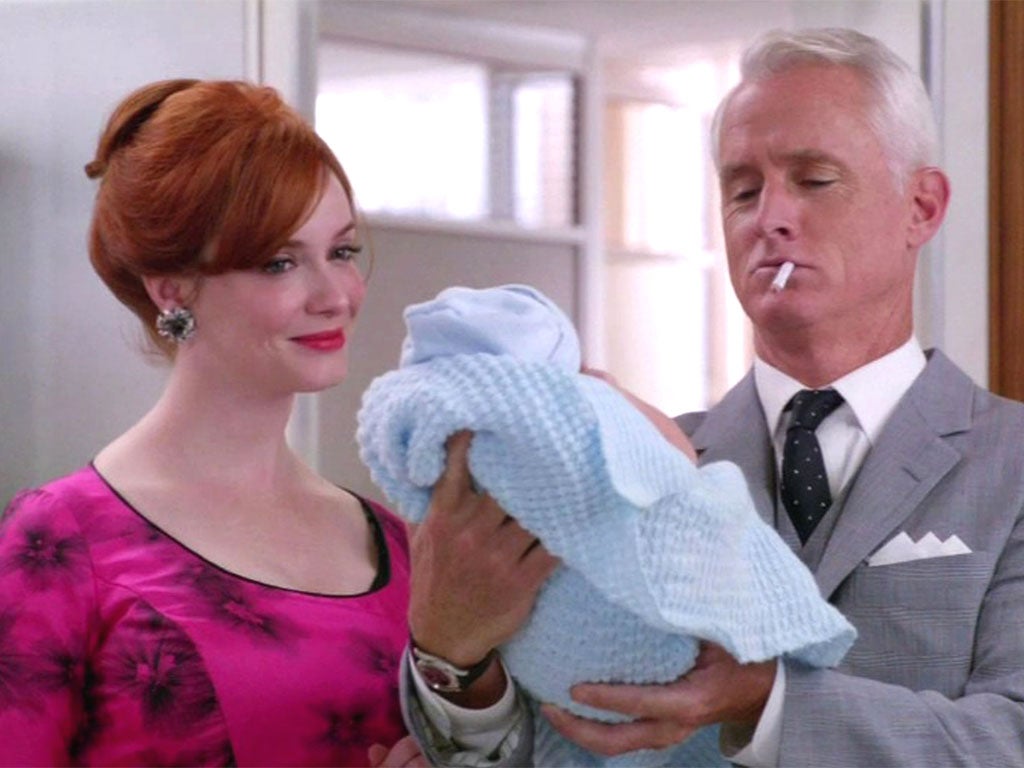
“Motherhood is the single biggest driver of the gender pension gap,” says Rebecca Horne, head of communications and campaigns at Pregnant Then Screwed. “Our data shows mums and primary parents are opting out of pensions, dipping into savings and even withdrawing pension funds just to stay afloat. These short‑term pressures turn into long‑term penalties, leaving women with pensions that are half the size of men’s.
“And that’s before we look at the families hit hardest,” she adds, “Single parents, parents of disabled children, families on the lowest incomes, and Black, Asian and minority ethnic families, who face even greater financial pressure with less support. This isn’t about different priorities; it’s about a system that still expects mothers to absorb the cost of care.”
This motherhood penalty doesn’t subside if women return to work. According to a report by the Fawcett Society, for each year a mother is absent from the workplace, her future wages fall by an estimated four per cent. By the time a mother returns to full-time work, her male colleague will, on average, be earning 21 per cent more than her.
If you don’t have children, the gender pay gap remains and is not projected to close in the UK for another three decades, according to analysis by the Trades Union Congress (TUC).
As such, sure, the pension pay gap might start to become clear at 28 years old, but actually, I would have needed to start saving at the ripe old age of three in order to retire with the same amount as my male counterparts – or work for an extra 19 years.
There is infinite advice out there about how to combat this inequality: start saving earlier (from the womb, presumably), increase your contributions, or invest your savings (if you have any knocking about). But, really, there’s only one thing that I can do to make a seismic difference to my pension pot: not have children – an option many women are clearly taking, as the UK’s birth rate is at a record low since comparable data began in 1938.
“Close the gender pay gap,” Charlene Young, AJ Bell senior pensions and savings expert, told political leaders alongside the firm’s survey this week. “Pension contributions are based on pay, so if women are paid more, their pensions will be healthier. Policymakers must continue to strive to close the gender pay gap by making sure women are given the same career opportunities, and importantly, the same pay as their male counterparts.”
It’s a drum that’s been banged again and again – and one I still may be beating if I ever make it to that deckchair beside the sea. But, much like with my measly pension contributions, it’s a dream that workers, campaigners and policy makers mustn’t give up on.