





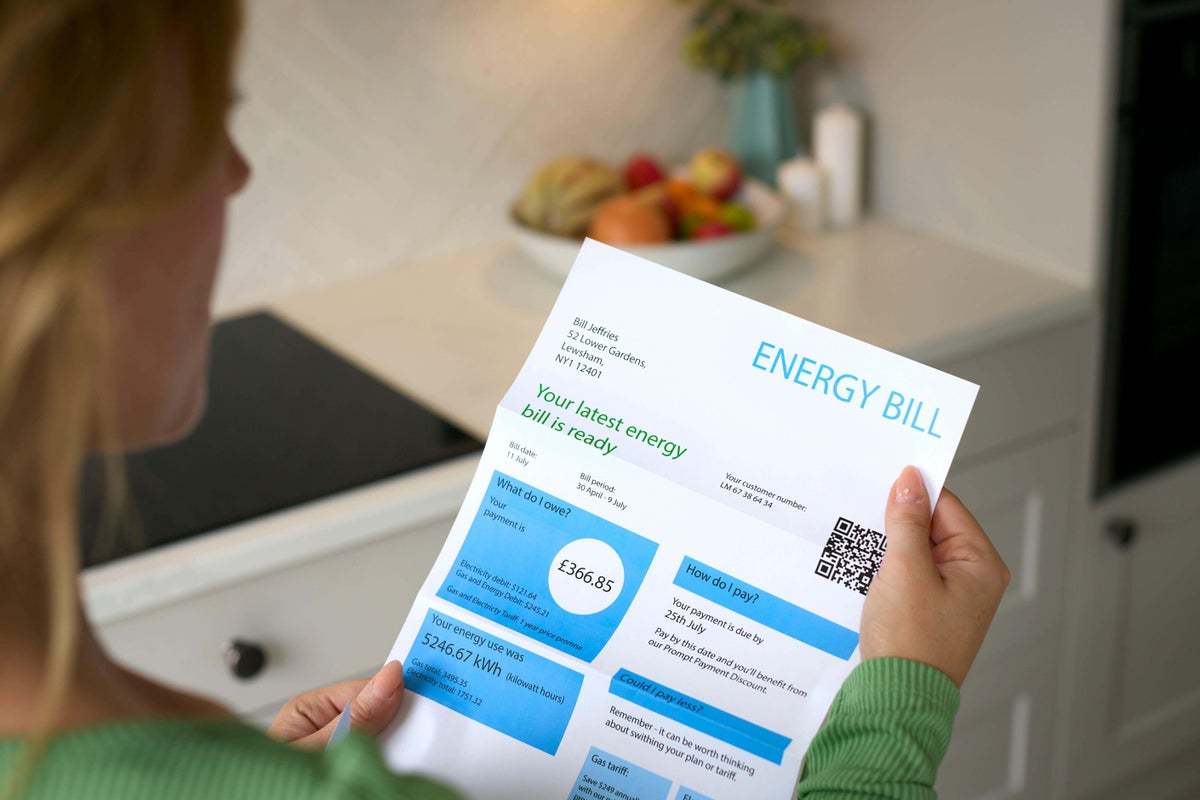
Wholesale gas prices are responsible for two-thirds of the electricity bill increases households have faced in recent years, new analysis has revealed.
An assessment by independent analysts at the UK Energy Research Centre (UKERC) found that typical electricity bills surged by £169 in real terms between 2021 and 2025, a period marked by soaring energy costs following Russia’s invasion of Ukraine.
The UKERC analysis attributed 66 per cent of the increase between 2021 and 2025 to heightened wholesale gas prices.
A further 17 per cent was linked to rising network costs, with 13 per cent stemming from policy costs, including those designed to support renewable energy initiatives.
Despite gas accounting for only a third of electricity generation, its price is estimated to drive the cost of electricity for up to 90 per cent of generation, leaving billpayers exposed to gas price shocks.
While energy prices have somewhat stabilised since the peak of the 2022-23 crisis, the government continues to face pressure over high bills.
This comes amid claims from some political opponents that ‘net zero’ policies aimed at reducing fossil fuel use are unduly burdening consumers.
This will change, the assessment said, as more renewables projects such as offshore wind farms come online with their prices fixed under the “contracts for difference” (CfD) scheme, with gas expected to set the price of electricity only 60 per cent of the time within three years.
That is set to reduce wholesale electricity prices by around 8 per cent by 2029, the analysis suggests.
In last year’s budget, the Government moved to cut bills by around £150 a year on average by scrapping a flagship energy efficiency programme that levied costs on consumer bills and moving the cost of older renewables subsidies off bills and into general taxation – which will help households from April.

But the UKERC said the Government – and consumers – could save further by shifting older renewable generators, whose subsidies are paid on top of the wholesale cost of electricity, on to the fixed price CfD regime.
That could save between £2 billion and £8 billion a year in the late 2020s, benefiting the Treasury, households and commercial customers, the study said.
UKERC director Professor Rob Gross said: “We are at an awkward moment in the UK energy transition.
“Unpredictable global gas prices still dominate our power market, even as policies drive the rollout of renewable and nuclear projects that will deliver stable prices in the long run.
“Government is rightly committed to reduce reliance on volatile fossil fuels.
“UKERC is seeking options to accelerate the benefits, which is why we argue for a new contract for older renewables.
“Like a fixed-price mortgage, this can help provide predictable prices for households and business alike.”
The UKERC’s annual review of energy policy also warns that action is needed to roll out smart meters and half-hourly metering so that consumers can get cost savings from flexible tariffs for electric car charging, heat pumps and smart appliances.
And it warns that the shift away from gas must be managed, to prevent high costs for vulnerable customers left on the gas network as other households move to clean heating and cooking and consumption falls.
Currently £4 billion of capital investment costs for the gas network are set to be recovered from customers after 2050, when net zero plans would mean there are no customers left on the network, while disconnecting customers and making the network safe for abandonment will cost billions more.
The state “will have to bail out the gas industry in one form or another”, the report warns, calling for a wide-ranging debate on the future of the network and suggesting options including paring back investment, a planned area-by-area approach to retirement and even nationalisation.

