
Westminster has a special obsession with plumbers at the moment – and it is not just because the state of the toilets in the Houses of Parliament borders on the scandalous.
The victory of plumber Hannah Spencer for the Greens in the Gorton and Denton by-election, as well as the selection of Reform UK’s own ‘plucky plumber’ Robert Kenyon to fight Andy Burnham for the Makerfield seat, has brought a new appreciation for white van man and woman – the “real working people” Sir Keir Starmer is so fond of referencing.
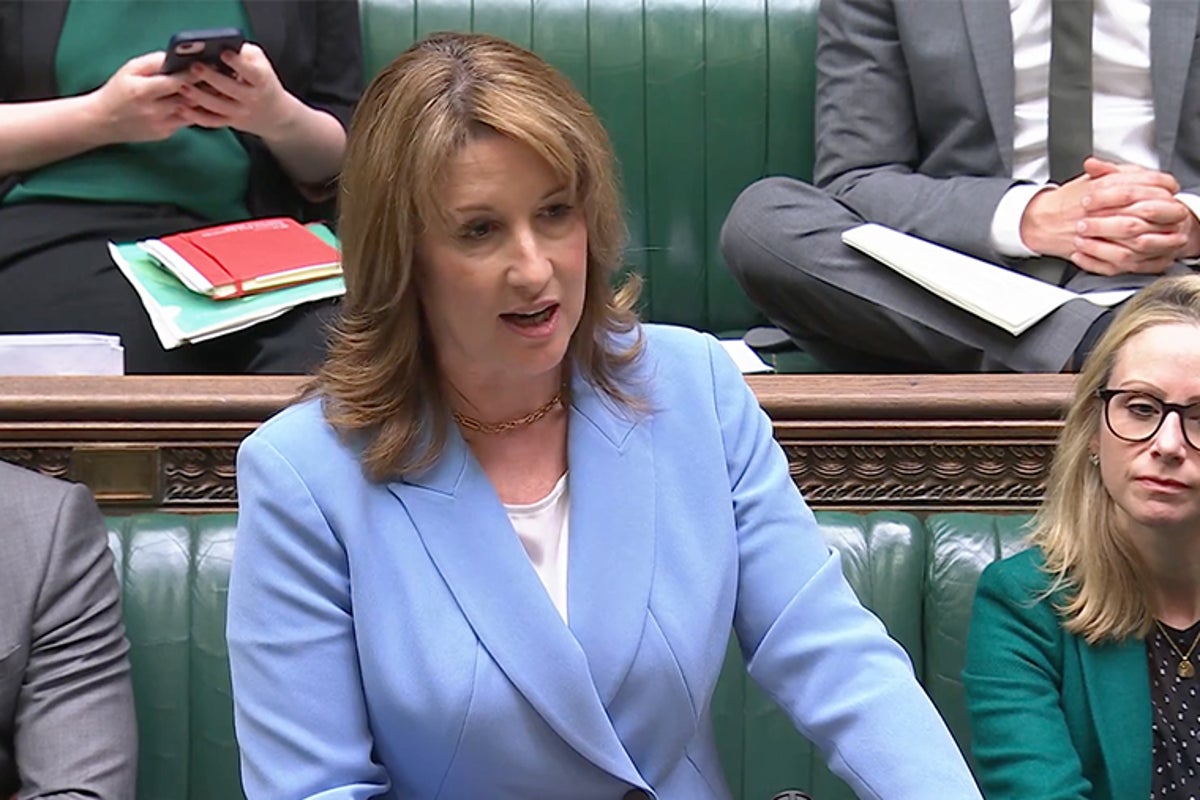
So it is no surprise that the biggest “cost of living” measure Rachel Reeves announced in the Commons to deal with the impact of Donald Trump’s war in the Middle East is aimed at helping those who need their vans and cars for work. She even name-checked plumbers.

It is 15 years since the tax free mileage rate was last raised by a chancellor, when George Osborne took it from 40p to 45p, so Ms Reeves’ 10p increase – backdated to April 2026 – is a big boost for people who use their vehicles for work, a win for the white van man in particular. It will significantly help offset costs against their tax.
The chancellor had already extended the fuel duty cut until the end of the year and it comes amid concerns over the price of oil and gas rising sharply with the ongoing uncertainty with the war in the Middle East.
But that was the biggest help in the measures, but there was little else to try to deal with household bills and the costs for younger people. The rest was incremental at best.
Ms Reeves’ plans for free bus travel over the summer holiday for children had already been trailed, along with her announcement of removing tariffs from important of 100 food items which includes biscuits and baked beans among other things.

There was also a VAT cut to 5 per cent on tickets for summer attractions (not a lot when cost of some tickets are north of £80) and children’s meals.
Nevertheless, that should help families a little with household costs, especially over the summer holidays as well as boosting the UK’s domestic tourism industry.
But the mooted big ticket items were missing. The chancellor ducked a war with supermarkets with a suggestion of putting a price cap on essentials like bread, milk and eggs.
She also avoided a package to cap energy bills – a measure which scuppered Liz Truss’s government – almost certainly because she could not afford it.
There was though help for the ceramics industry largely based in Stoke-on-Trent with a £120 million package.
Ceramics is a lot more than just bathroom and kitchen tiles and dinner plates, it is also important for the aerospace sector.
But the real reason for this is that Stoke is a major battleground between Labour and Reform. It was won by Boris Johnson’s Tories in 2019, Labour won it back in 2024 but now Nigel Farage’s party is set to sweep the area.
And in some ways that very specific package sums up a highly political announcement.
After all, the context is that this is a government teetering on collapse. The prime minister could be replaced before the summer and his chancellor Ms Reeves will surely follow him out of the exit door.
The uncertainty ties the hands of ministers in attempting to do anything significant. So this announcement, while helpful to parents and low income households, is more about reminding people that Keir Starmer’s government is still alive and still trying to do something even if it is not much.
It is proof of life for a government which many think is dead and in some ways an attempt by Ms Reeves to validate her economic legacy as change approaches.
Her argument is that big changes were not necessary because “the fundamentals are right” and the International Monetary Fund has upgraded the low forecast on growth.
But the reality is that this was one last chance by Ms Reeves to give this government a political boost in the face of what seems to be inevitable change.