




A potential end to the Iran war gives the Bank of England a clear path to hold interest rates on Thursday – just one week after the European Central Bank raised rates for the first time in nearly three years.
With the US and Iran agreeing on a framework deal to stop military operations and allow the reopening of the Strait of Hormuz, the hope is that ships will soon again begin to move through the key route with oil and other commodities.
The price of oil and the yield on UK government bonds both fell on Monday morning, in an effective sigh of relief from the money markets that further global economic pain might be spared. Brent Crude fell almost 5 per cent to $83, while the 10-year gilt yield is down more than one per cent to its lowest level since mid-April.
While that latter is a small boost to government borrowing costs, it’s also a signal – along with two-year gilts falling 1.5 per cent on Monday morning – that money markets are removing some of their expectations of an interest rate hike in 2026.
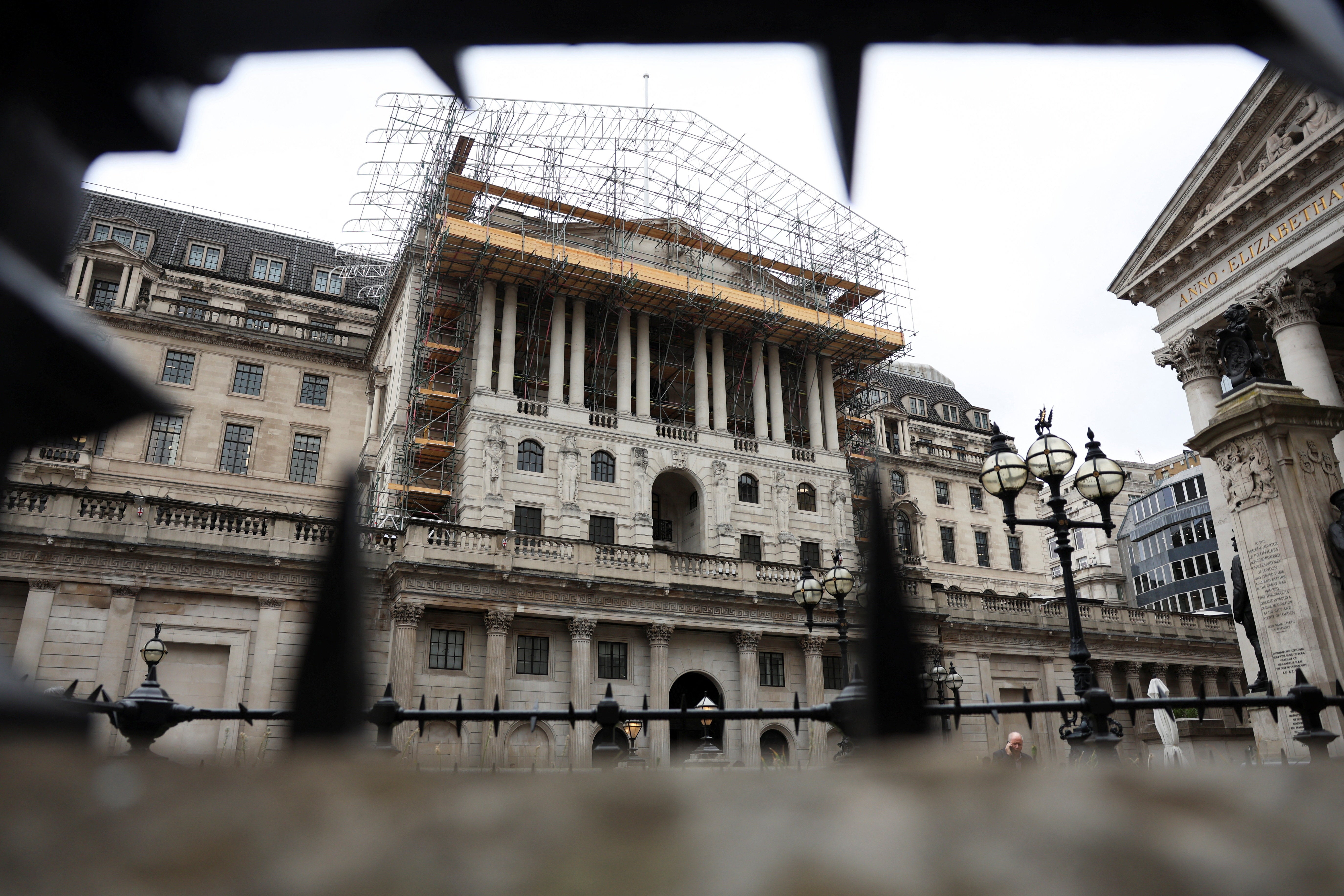
The Bank of England’s (BOE) Monetary Policy Committee (MPC) meet on Thursday 18 June and will be expected to hold at 3.75 per cent, as they battle the threats of rising inflation, a stuttering economy and a job market which is expected to see unemployment rise further later this year.
“We have already tightened policy considerably in response to the shock relative to what had been expected by markets. And that is already affecting the economy,” BoE governor Andrew Bailey said recently.
Back in February, the expectation was for one or two rate cuts this year, but the Iran war – causing a surge in oil prices, which sends energy costs up and contributes to rising inflation – saw the BoE have to change course. The base rate has been at 3.75 per cent since December 2025.
Kathleen Brooks, research director at XTB, said: “It is worth noting that although inflation is a major concern right now, inflation trends suggest that the pass-through effect is weaker than originally assumed. Producer prices and headline inflation are rising sharply, yet this is not feeding into core inflation, which adjusts for the price of commodities, or higher wages.”
Of course, how long markets, inflation and even the BoE continue down this path depends on how sturdy that framework ends up being.

Get a free fractional share worth up to £100.
Capital at risk.
Terms and conditions apply.
Go to website
ADVERTISEMENT
Get a free fractional share worth up to £100.
Capital at risk.
Terms and conditions apply.
Go to website
ADVERTISEMENT
Mortgages and the property market
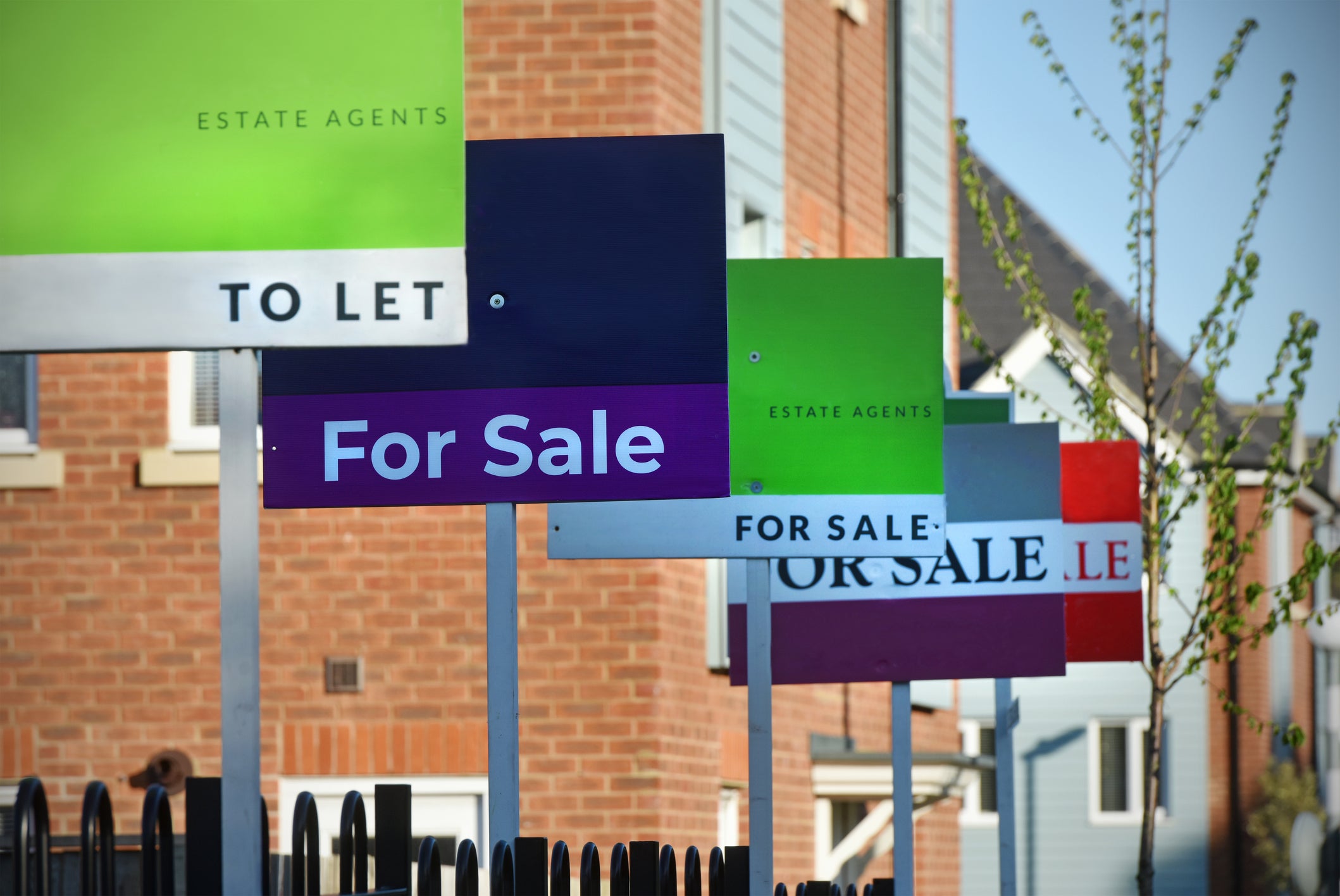
In terms of wider impact on British consumers, the falling bond markets and a hold on interest rates could see further reductions in swap rates (the market that property mortgage deals primarily take their pricing from).
Mortgage rates have been coming down recently already. The average two-year fixed residential mortgage is now at 5.61 per cent, per Moneyfacts, having been at 4.84 per cent on 28 February before the war started and reaching a high of 5.9 per cent by early April.
Two-year tracker deals have been favoured by many homeowners renewing deals this year and remain lower at 4.49 per cent.
“Mortgage borrowers will breathe a sigh of relief at the news of a peace deal in Iran. While we are far from being out of the woods yet, a lasting peace deal should dramatically reduce the risk of the Bank of England’s worst-case scenario for inflation and interest rates becoming a reality,” said Adam French, head of consumer finance at Moneyfactscompare.co.uk.
“Borrowers can be optimistic but with a word of caution, as inflation and economic data will continue to influence the outlook. However, a lasting peace should remove one of the biggest risks to mortgage costs and may help restore a more stable environment for hard-pressed remortgage borrowers and prospective buyers.”
The industry remains cautious however, as there is much to sort out in the peace agreement and it will take time for ships to move, energy infrastructure to be rebuilt and fears of conflict resuming to dissipate.
That means a message of slowly but surely, says Jamie Elvin, director at Strive Mortgages, rather than immediate benefits to the property market.
“We could see some lenders become more competitive on fixed rate pricing in the coming weeks, but borrowers shouldn’t expect a dramatic overnight shift,” he said.
“While this removes one source of uncertainty, the direction of UK mortgage rates will still be driven largely by inflation, swap rates and Bank of England policy. It’s encouraging for the housing market, but it’s not a silver bullet.”
Food and fuel
Elsewhere, it might be a case of the damage already being done in terms of prices paid by British consumers.
Oil has already been more expensive, so energy costs will need to factor that in – and that feeds through to the cost of producing food, manufacturing products and powering buildings or vehicles.
Petrol prices could eventually come down for example, but the energy price cap has already been set for July to September.
The RAC last week said their analysis suggested prices should keep falling. “Unleaded ought to come down by another 4p at least while diesel should drop even further, by possibly as much as 8p,” a statement said.
On the other hand, some products such as heating oil react far more quickly to wholesale prices, so has already seen a dip this week – the average price for homeowners to buy it on Monday is 79.4 pence per litre, compared to above 81p on Friday last week and over 133p within the first weeks of the war. Prior to the conflict, it was around 60p.
Food costs increase gradually over time as different pricing factors impact the supply, but the hope will be that oil not spending too much time, comparatively speaking, above $100 might mean the worst of food price inflation is avoided over the long term.
However, it has already gone up and prices do not tend to go back down, even if inflation slows – it would need to reverse, or see deflation, for prices to go back down. Aside from energy, fertiliser costs going up and supply lines to and from different parts of the world being impacted all have an effect on the eventual price of products, as well as domestic matters such as packaging taxes and the cost of employment rising.

