


Three passengers are dead and an investigation is underway after a suspected outbreak of hantavirus ripped through an Atlantic Ocean cruise ship.
While only one hantavirus infection has been confirmed through testing, five others have also fallen ill on the MV Hondius, which was traveling from Argentina to Cape Verde.
The deceased passengers include a senior Dutch couple and a German national, according to Dutch shipowner Oceanwide Expeditions.
Just last month three deaths were reported in Northern California linked to the illness, which came to broad attention with the death of actor Gene Hackman’s wife Betsy Arakawa in February 2025.
Hantavirus is typically spread from through the urine, feces and saliva of infected rodents and is fatal in nearly 4 out of 10 people who are infected.


There are around 150 passengers of 23 nationalities on the ship – including 17 Americans – and no other people with symptoms have been identified. The ship remains anchored off the coast of Cape Verde.
“The exact cause and any possible connection are being investigated. Therefore, the only confirmed case of hantavirus is the passenger who was medically evacuated and is now being treated in Johannesburg,” Oceanwide Expeditions said.
How the suspected outbreak impacted the ship
The Oceanwide Expeditions cruise departed from Ushuaia, a resort town in southern Argentina, on March 20. It was due to arrive in Cape Verde on May 4, before heading to Spain’s Canary Islands.
There are 88 passengers and 61 crew members on board.
The first passenger died just weeks into their trip, on April 11.
The passenger, a 70-year-old Dutch man, suddenly developed a fever, headache, abdominal pain and diarrhea. His 69-year-old wife helped take his body off the ship upon arriving at the island of St. Helena.
His wife, who was 69, was evacuated to South Africa and later died in a Johannesburg hospital.
It has not yet been confirmed that the couples’ deaths are connected to the current medical situation on board, Oceanwide Expeditions noted.
On the same day, a 69-year-old British man fell seriously ill and was medically evacuated to South Africa. He is in critical but stable condition. He has since been confirmed to have a variant of hantavirus, and is in critical but stable condition.

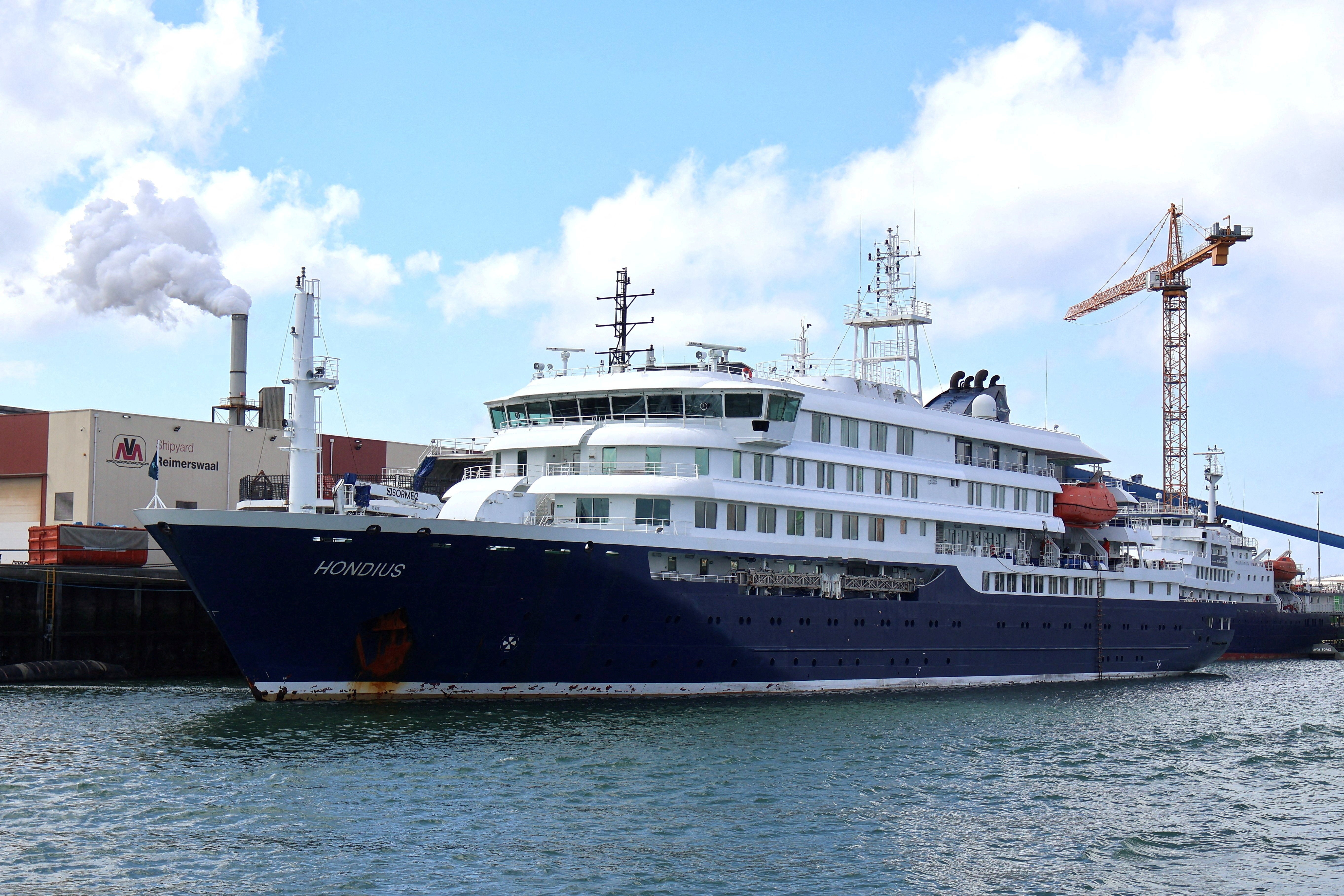
And over the weekend, a German passenger died. No other information about the passenger or his cause of death has been shared publicly.
Two crew members, who are British and Dutch, also fell ill on the ship.
One has mild respiratory symptoms and the other’s symptoms are severe. It was not said which crew member was more severe.
The ship’s owner said it was working with local and international authorities – including the World Health Organization and the Dutch National Institute for Public Health and the Environment – to begin “possible medical repatriation and next steps.”
“The option of sailing on to Las Palmas or Tenerife are being considered to be the gateway for disembarkation, where further medical screening and handling could take place,” Oceanwide Expeditions said.
Other passengers are being asked to isolate and practice good hygiene. The ship is also conducting medical evaluations.
“Detailed investigations are ongoing, including further laboratory testing, and epidemiological investigations. Medical care and support are being provided to passengers and crew. Sequencing of the virus is also ongoing,” the World Health Organization explained Sunday.
What to know about hantavirus


Hantavirus is typically tied to exposure to infected rats and mice.
There are dozens of species of the virus circulating worldwide, leading to the acute respiratory disease now known as hantavirus pulmonary syndrome, the condition that killed Arakawa and is most commonly spread by the deer mouse.
Hantavirus pulmonary syndrome initially causes flu-like symptoms that can progress to more a severe illness where people have trouble breathing and need to be intubated.
Symptoms typically start within a week to up to two months after contact with an infected rodent and may include fever, fatigue, muscle aches, dizziness, chills, headaches and abdominal issues, according to the U.S. Centers for Disease Control and Prevention.
The disease first emerged during a hantavirus outbreak in the U.S. Southwest in the 1993, with 900 cases reported across the nation since then, federal data shows.
Cases normally occur in rural areas, although animals can enter homes where they may leave urine or feces. Hantavirus can also spread between people – but does so incredibly rarely. The Andes virus, the most common cause of hantavirus pulmonary syndrome in South America, is the only hantavirus known to spread between people, the New York Times reports.


But hantavirus pulmonary syndrome is not the only consequence of infection.
Hantaviruses that are largely found in Europe and Asia can cause a hemorrhagic fever with renal syndrome, resulting in kidney failure, leaky blood vessels and shock. according the CDC says. It may require dialysis.
Symptoms may develop up to two weeks after exposure and include back and abdominal pain, fever, chills, nausea, blurred vision, intense headaches, eye inflammation and redness, flushing of the face and a rash, the CDC says.
There is no specific treatment for hantavirus infection. Patients should receive supportive care, including rest, hydration, and treatment of symptoms.
To reduce the risk of developing an infection, people should seal holes or gaps rodents can get through and place traps around the home.
Worrying hantavirus trends in the US
Early last month, three people died from hantavirus exposure in a small northern California ski resort town.
The deaths occurred in the town of Mammoth Lakes, which has a population of just over 7,000 and is located in Mono County. Deer mice are widespread in the region.
There was no clear picture of how the third person, a young adult, had contracted the virus, Dr. Tom Boo, the county’s public health officer, said in a statement.


There was no evidence of mice at the person’s home. While there were some mice at their workplace, it was “not unusual for indoor spaces this time of year in Mammoth Lakes,” he noted.
He said health officials believe deer mouse numbers are high in Mammoth and the Eastern Sierra.
“The occurrence of three cases in a short period has me worried, especially this early in the year,” said Boo. “Historically, we tend to see Hantavirus cases later in the spring and in the summer. We’ve now gone about a month without any additional suspect cases, but remain concerned about the increase in activity.”
Boo’s statement came just a year and two months after a New Mexico medical examiner announced that Arakawa had died from hantavirus pulmonary syndrome.
Both Hackman and Arakawa were found dead in their Santa Fe home. The 95-year-old Academy Award-winning actor is believed to have died of heart disease around a week after his wife, on February 18, 2025.