



.jpg?width=1200&height=800&crop=1200:800)
Outgoing Secretary of Homeland Security Kristi Noem will serve as “Special Envoy” to The Shield of the Americas, a new initiative launched by President Donald Trump to stop mass migration to the U.S. and thwart drug cartels, the president announced Thursday.
The Shield of the Americas is Trump’s newly-established summit that will feature allied leaders of Latin American countries, such as President Javier Milei of Argentina and President Nayib Bukele of El Salvador, to discuss and commit to stopping illegal immigration and drug cartels.
Noem’s new position comes after the president ousted her from her role leading the department on its aggressive anti-immigration operation, which resulted in 675,000 deportations and led to the deaths of three U.S. citizens.
In a statement, Noem thanked the president for the appointment and said she was looking forward to working with leaders “to dismantle cartels that have poured drugs” into the U.S.
As one of her primary acts as special envoy, Noem said she plans to join Trump, Defense Secretary Pete Hegseth, Secretary of State Marco Rubio, Commerce Secretary Howard Lutnick and Trade Representative Jamieson Greer at the first summit Saturday in Miami, Florida.

.jpg)
White House Spokesperson Anna Kelly said in a statement, “The President has successfully strengthened our relationships in our own backyard to make the entire region safer and more stable, and this weekend’s ‘Shield of the Americas’ Summit will encapsulate all of his work to Make America, and our partners, Strong Again.”
It’s unclear what duties Noem will be completing in her role as special envoy. Though other administration officials in special envoy roles represent the U.S. in meetings and negotiations.
Noem said Thursday the goal of the newfound summit was to “promote freedom, security and prosperity in our region.” Part of that includes partnering with the 12 attending countries to “address criminal narcoterrorist gangs and cartels and counter illegal and mass migration.”
The first Shields of the Americas summit will include a signing of the Doral Charter, which will affirm the right of the peoples of our Hemisphere to chart their own destiny free from interference.
“After years of neglect, President Trump established the ‘Donroe Doctrine’ to restore American preeminence in the Western Hemisphere,” Kelly said.
That is directly tied to Trump’s “Donroe Doctrine,” which is the president’s current policy based on the 1823 Monroe Doctrine – when the U.S. declared any foreign interference in America’s efforts to expand could be considered a hostile act against the U.S.
Not every Latin American country has been invited, or at least accepted an invite, to the Shield of the Americas. Most of the attendees appear to be leaders of countries that have elected more right-leaning figures or who have expressed a desire to work with Trump.

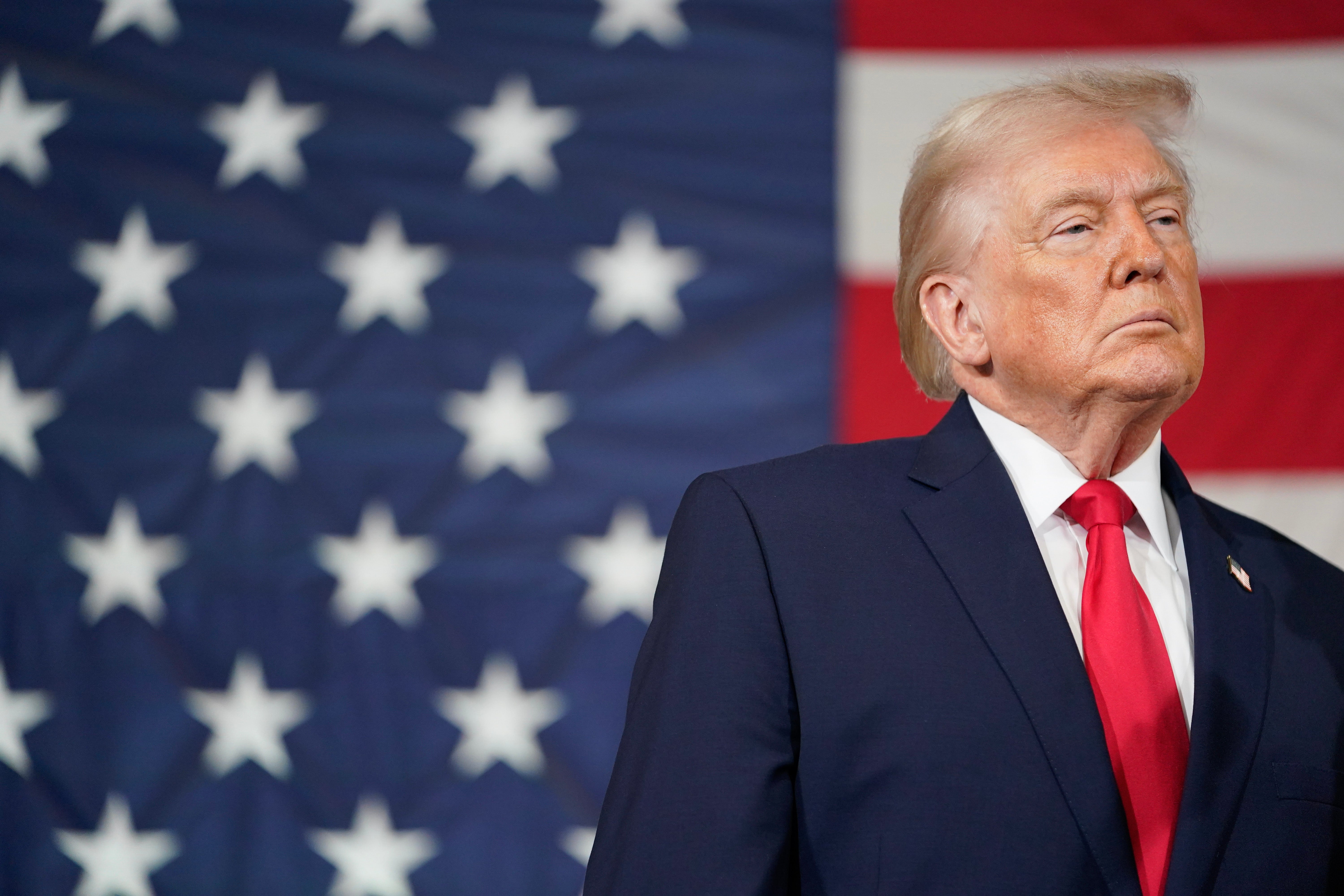
Notably missing will be Mexican President Claudia Sheinbaum, Acting President of Venezuela Delcy Rodríguez, Brazilian President Luiz Inácio Lula da Silva and Colombian President Gustavo Petro.
Early reports indicate the Shield of the Americas will support Trump’s “Donroe Doctrine” ambitions as he seeks to exert U.S. influence over Latin American countries such as Venezuela and possibly, Cuba.
Those efforts, such as the capture of now-deposed Venezuelan leader Nicolas Maduro, have been conducted under the motivation to stop narcoterrorism and drug trafficking into the U.S.
Trump has made it a priority to target and stop drug cartels from trafficking narcotics into the U.S. by issuing various executive orders declaring cartels foreign terrorists, pressuring the leaders of Latin American countries to take more action and conducting periodic strikes on boats accused of drug trafficking.
The president and his administration have accused drug cartels of killing millions of Americans through the trafficking of fentanyl.
But while combating narcotic trafficking, the administration has also cemented itself as having enormous influence over Latin American countries. After capturing Maduro and supporting the installation of Rodríguez, Trump moved to control Venezuelan oil, giving him more control over the region.
Since then, the administration has controlled the flow of oil to Cuba, another communist country that has a long and complicated relationship with the U.S. The country has been plunged into darkness, left without fuel and on the brink of a crisis – increasing pressure for leaders to cut a deal with Trump.

.jpeg?trim=0,0,0,0&width=1200&height=800&crop=1200:800 "Son of Jimmy Lai pins hopes on Donald Trump to rescue jailed media tycoon during Xi visit – UK Times")