
Before a ball had been kicked, the World Cup was apparently going to make Britain rich.
One estimate put the potential boost to the UK economy at £7.6bn between May and July. Pubs were told that England reaching the final could be worth £275m to them. There would be millions of extra pints, packed bars and a nation temporarily forgetting that it had spent most of the year worrying about the price of almost everything.
These forecasts arrive before every major football tournament and should generally be treated with the same caution as predictions that England will win it. But now, with England’s World Cup 2026 run over after they lost 2-1 to Argentina in the semi-final, there is something we did not have in June: receipts.
And the receipts suggest Britain has spent the past month eating burgers, ordering pizza and drinking an extraordinary amount of lager.
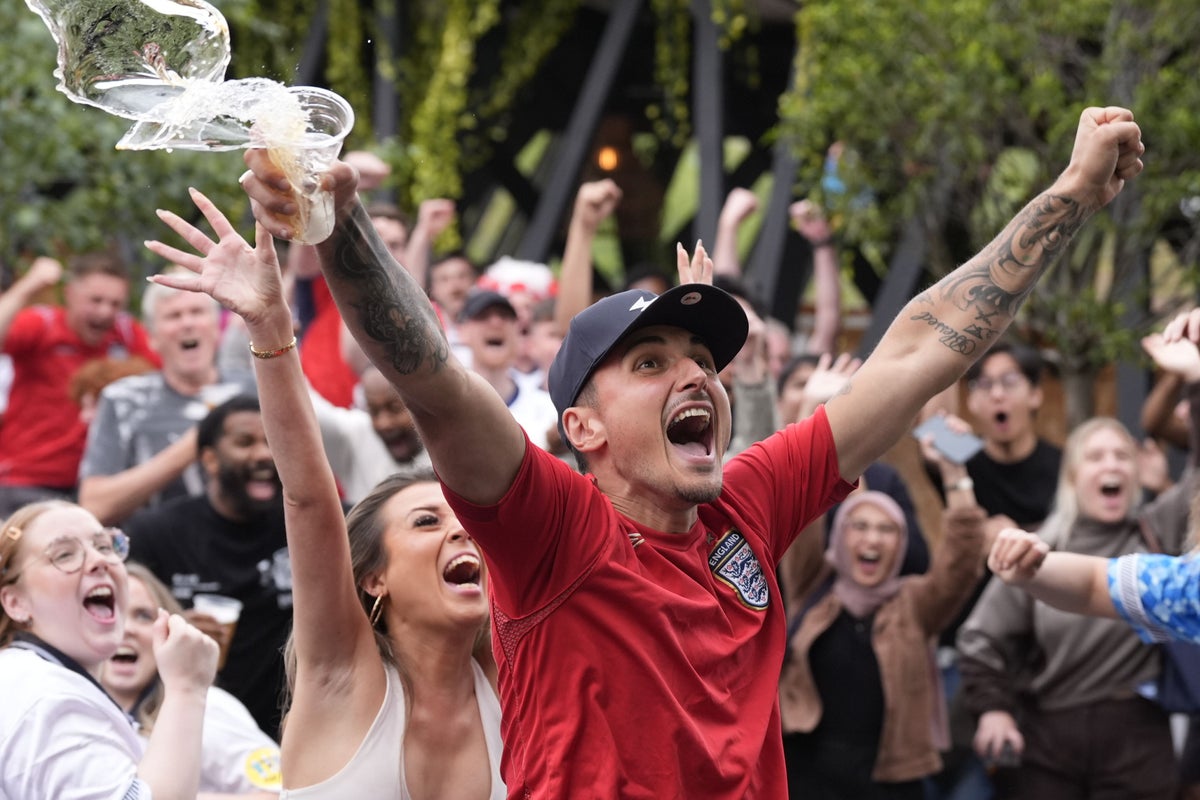
The most obvious winner is the pub. England’s three group games generated an estimated 5.5 million extra pints of draught beer and cider. By the time they beat Panama, pubs, bars and social clubs had sold around 8.6 million pints in a single day – roughly a fifth more than a typical June Saturday.
The quarter-final was bigger still. During England’s extra-time win over Norway, an estimated 12.5 million pints were sold. More than four in five pubs and bars screened the match and, as the game dragged deep into the night, people simply stayed put, with footfall in venues showing it was almost 50 per cent higher than the average pub between 10pm and 1am.
Extra time, it turns out, is excellent for the drinks trade – possibly to quiet nerves around a potential penalty shootout. By midnight, pub spending was more than double what it had been at the same time the previous Saturday. Beer and cider sales after 11pm tripled.
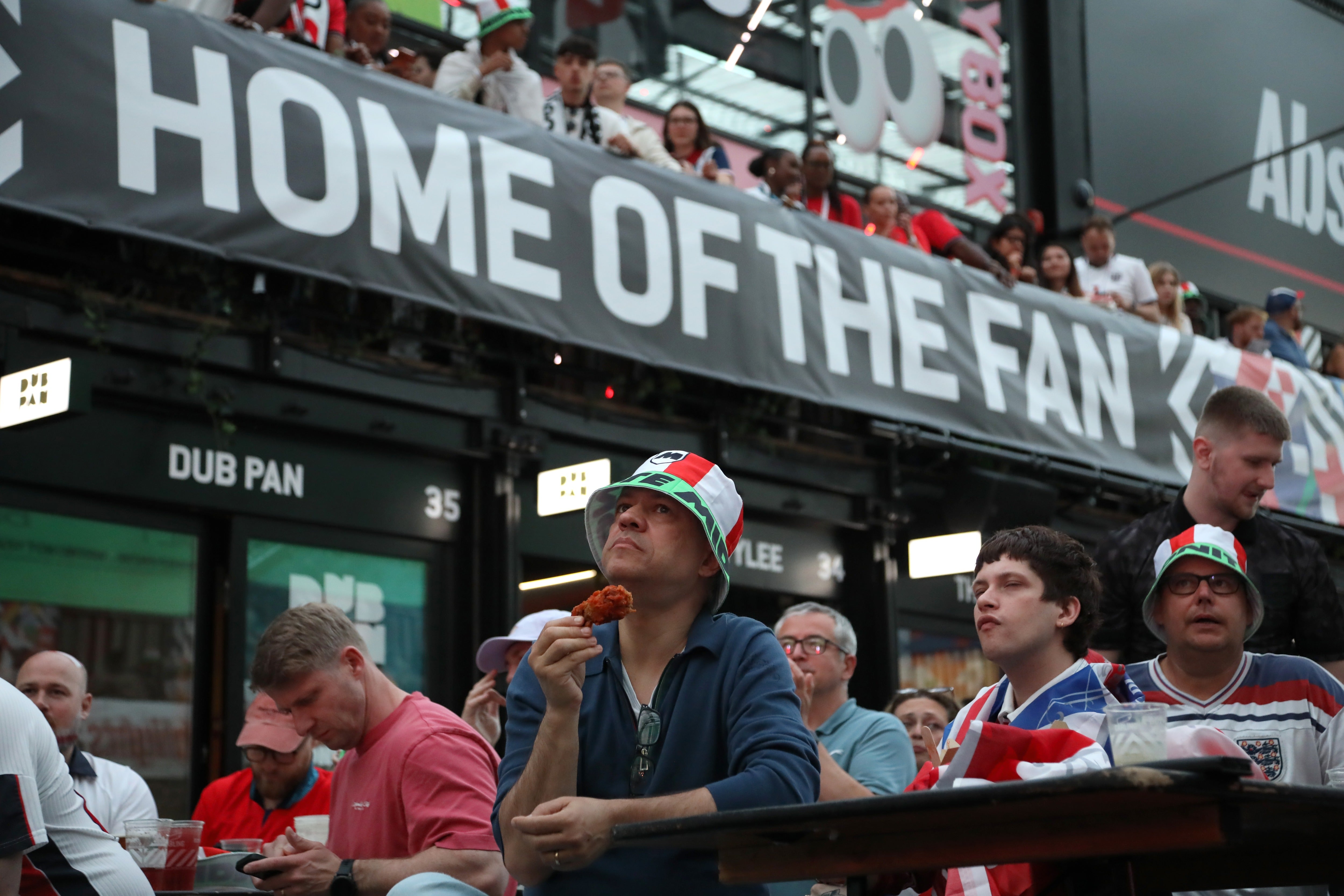
Barclays’ figures tell much the same story. The Panama game produced the busiest pub trading day of the year so far by transaction volume. Compared with an average day in 2026, pub transactions were almost five times higher.
This is not simply a story about pubs, though. In some ways, the more interesting money is the money spent by people who never left the sofa.
Visa found food and grocery spending on England matchdays during the group stage was 10 per cent higher than on equivalent weekdays last year. Across the group-stage period, grocery spending rose 7 per cent.
What did we buy? Pretty much exactly what you would expect a country watching football to buy.
Lager sales rose sharply, cider did too, and premixed alcoholic drinks had a particularly good month. Soft drinks were up as well. NielsenIQ said warmer weather and the start of the World Cup were encouraging viewing parties and other social occasions.
Britain has been unusually hot and it would be convenient, but wrong, to give Harry Kane credit for every burger sold during a heatwave. Retail analysts have repeatedly pointed to the combination of sunshine and football rather than the tournament alone.
Still, a fairly clear World Cup menu is emerging. Fresh beef burger sales were up 40 per cent during the tournament. Prepared salads and chilled dips both rose 13 per cent, while no and low-alcohol drinks climbed 23 per cent.
The cost of living crisis has not disappeared because England got through the group stage. Britain is splashing out, but with one eye on the yellow sticker
The weather helped, certainly, but so did the sudden national requirement for food that can be put on a table and eaten while looking in another direction.
We are not, apparently, cooking elaborate three-course meals before kick-off. Ahead of the tournament, 43 per cent of World Cup followers said they planned to buy more convenient, easy-to-prepare food. The later match times were expected to reshape mealtimes and the sales data suggests they did.
World food also did well. Sales of Japanese, Thai and southeast Asian and Mexican products all rose, fitting neatly with the idea of quicker dinners, sharing food and things that can be opened, heated or put down in front of a group without much ceremony.
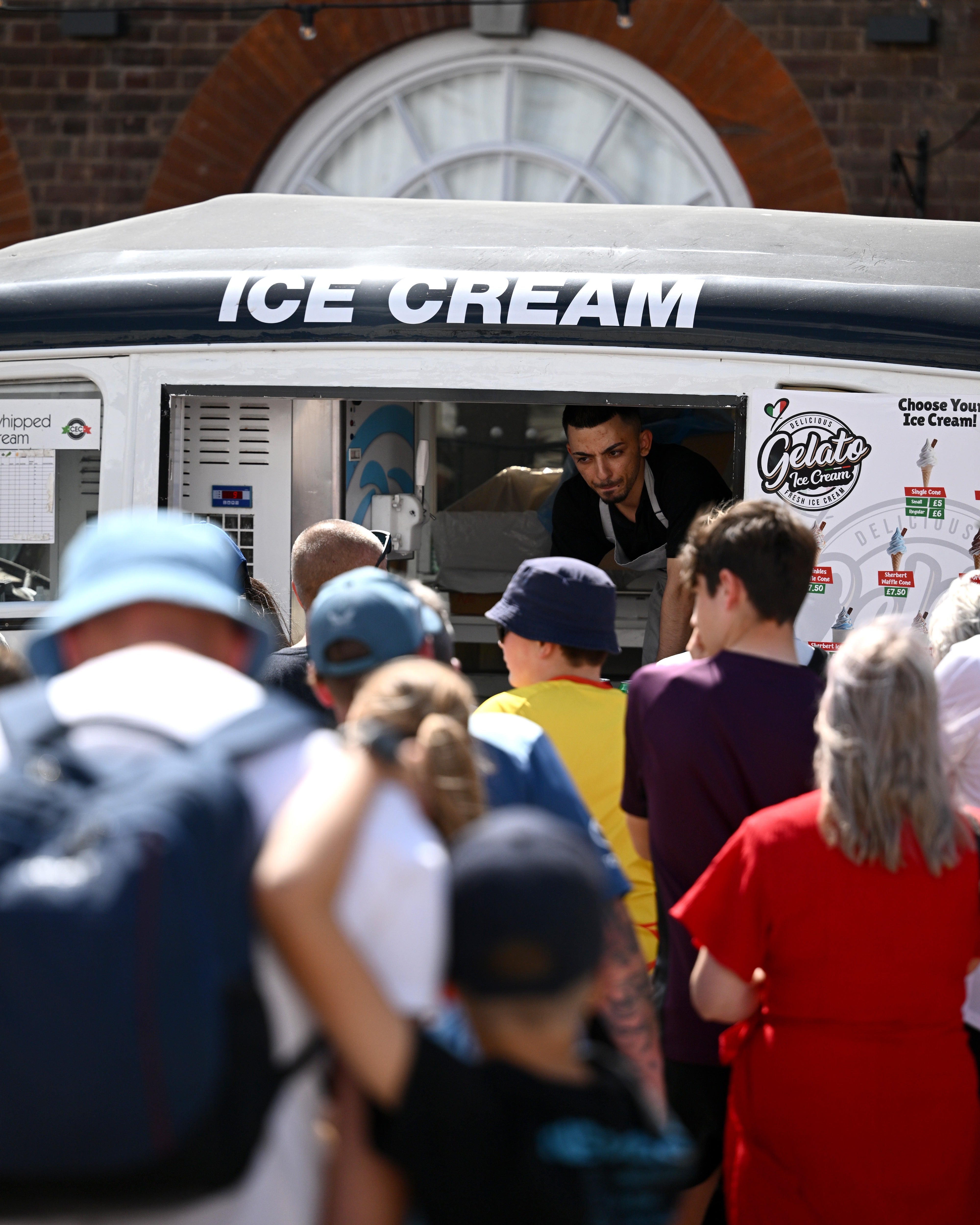
There is another clue in the way we are shopping. Promotional purchases now account for a quarter of sales across everyday consumer goods, helped in part by World Cup-themed offers. Before the tournament, almost half of the followers said they would be looking for deals.
In other words, the cost of living crisis has not disappeared because England got through the group stage. Britain is splashing out, but with one eye on the yellow sticker. We will buy the lager, dips and better burgers; we would simply prefer them on a Clubcard offer.
The supermarket figures support that slightly contradictory picture. Food sales rose in June, but not by enough to suggest consumers have suddenly stopped worrying about money. The World Cup has created spikes rather than a new boom.
A nation that remains cautious about money has simply found a reason to make an exception for Saturday night. Nowhere is that clearer than in takeaway data.
During England games, Just Eat saw orders rise by an average of 16 per cent compared with the same period the previous week. Burgers repeatedly topped the charts, with pizza and chicken close behind.
The tournament’s North American time zones have produced some stranger habits, too. England’s 2am game against Mexico caused orders to more than double in the build-up to and during the match.
There were effectively two dinners: a normal rush between 6pm and 7pm, followed by another between 2am and 3am as supporters opened the app again before kick-off.
The morning after has become a food-based occasion in its own right. Morning orders rose across England’s first five games. After Mexico, supporters apparently decided even ordering breakfast was too much work and grocery deliveries rose instead.
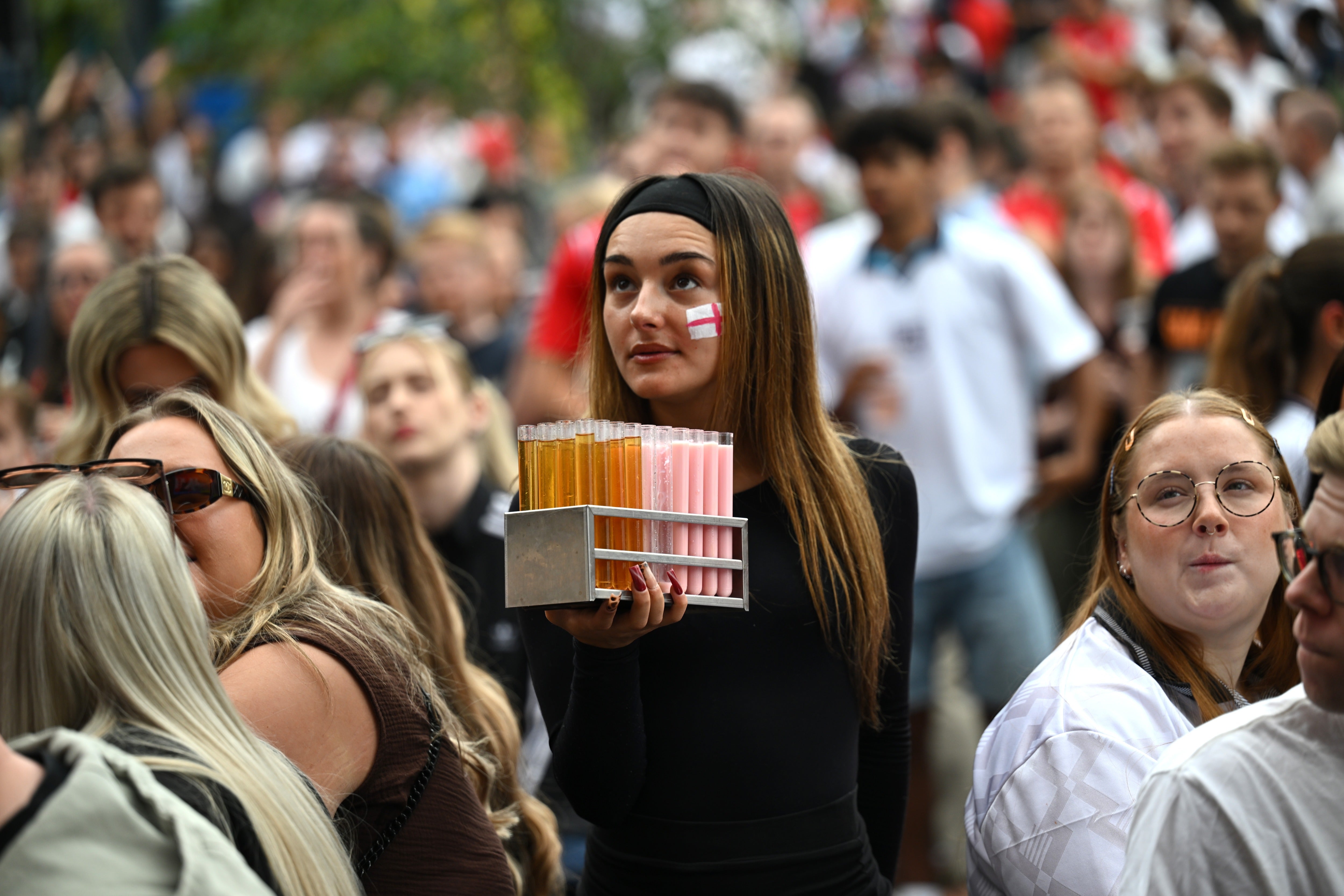
There is something very British in all this. Faced with a World Cup being played five to eight hours behind us, we have not adjusted our sleep patterns so much as added extra meals.
Even the timing of takeaway orders tells a story. For evening and late-night games, around three-quarters are placed before kick-off. People want the pizza on the table and the doorbell safely silenced before the football begins.
The exception was England’s 5pm match against DR Congo, when orders continued rising during the game because football had collided directly with family dinner time.
Pubs have had to adapt to the same timetable. Spending later in the evening rose sharply during the group stage and, on the night England played Ghana, late-night pub spending was more than triple the comparable level a year earlier.
England went far enough for us to know what a World Cup run looks like in pounds, pints and pizza boxes. It looks like 12.5 million pints during a quarter-final. Burgers up 40 per cent. Grocery spending rising on matchdays
NielsenIQ’s on-trade data recorded huge matchday uplifts too. Drinks sales were 45 per cent higher year on year on the day of England’s opening game and nearly 72 per cent higher for the Ghana fixture.
Again, the sun deserves some of the credit. Pub gardens were already doing brisk trade before England had done anything useful.
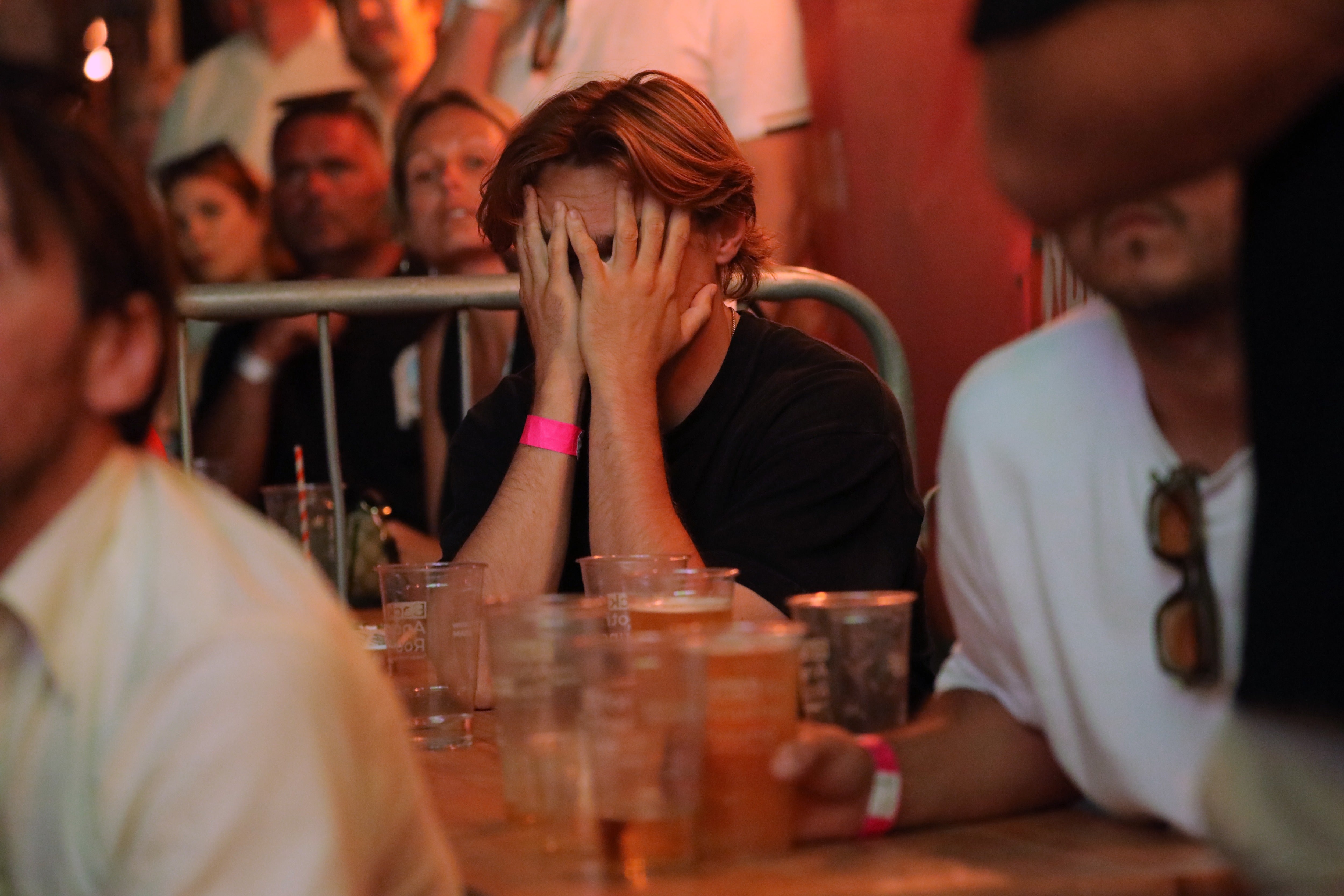
But the matchday surges are difficult to argue with. England have done something publicans, supermarkets and takeaway companies have spent much of the past year trying to do: persuade people to create an occasion.
That might be the World Cup’s real economic value. Not the £7.6bn headline, which is an estimate rather than a final bill to be presented to the Treasury, nor the suggestion that a good run of football can somehow repair the economics of British hospitality.
It cannot. Drinks sales were weak before the tournament’s biggest England nights and food retail growth in June remained below its 12-month average. The costs squeezing pubs – wages, energy, business rates and food and drink inflation – do not disappear at the final whistle.
A World Cup is also a finite number of very good nights. England’s defeat to Argentina means there will be no final on Sunday and no last enormous rush of supporters ordering another round or filling a shopping basket for the biggest game of all. The flags will come down and the supermarket displays will eventually be given over to something else.
But England went far enough for us to know what a World Cup run looks like in pounds, pints and pizza boxes.
It looks like 12.5 million pints during a quarter-final. Burgers up 40 per cent. Grocery spending rising on matchdays. Takeaway orders arriving twice in one night because kick-off was at two in the morning.
Football did not save the British food and drink industry, and England could not stretch the party to the final. But for five weeks, the team persuaded a financially cautious country to go out, invite people over and spend a little more on dinner.