


How does one measure greatness? It is a conundrum that has been deliberated over by scores of historians, philosophers and Year Nine English exam essayists, each forming their own view. One can be great in size, stature or office but not necessarily in deed; conversely, even the most trifling act can take on greater meaning. Greatness can be in the eye of the beholder – a difference of definition of the term is the bedrock of many a great debate.
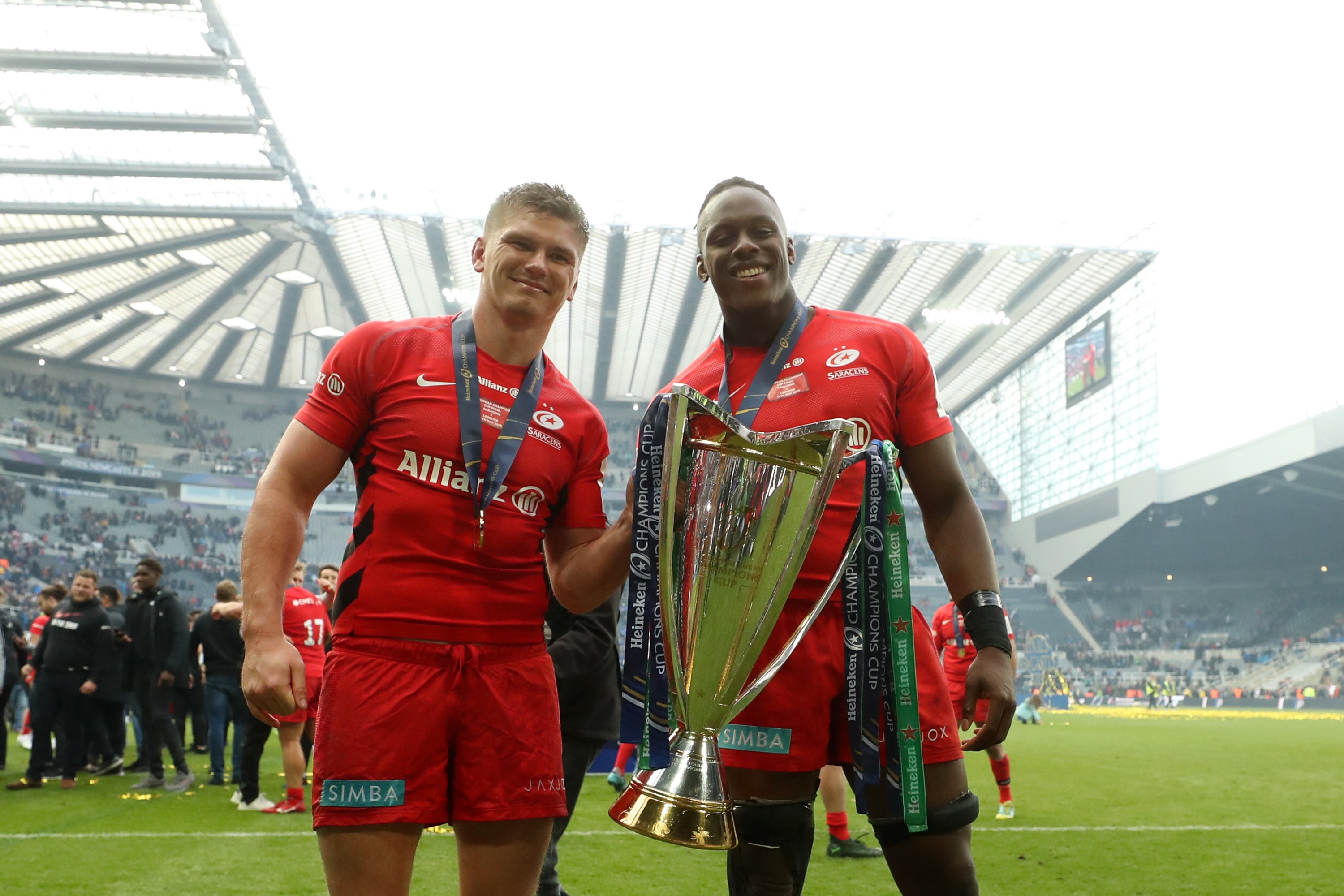
Let us narrow the parameters, then, and consider only sport; in fact, a smaller sample still and great English club rugby union sides. That, surely, is simpler to define: domestic dominance allied to at least one continental crown. A scan down the list of Investec Champions Cup winners and three teams standout: Leicester’s snarling Tigers at the turn of the century; the Warren Gatland and Shaun Edwards-led Wasps of 2003-04; the Saracens of a decade ago.

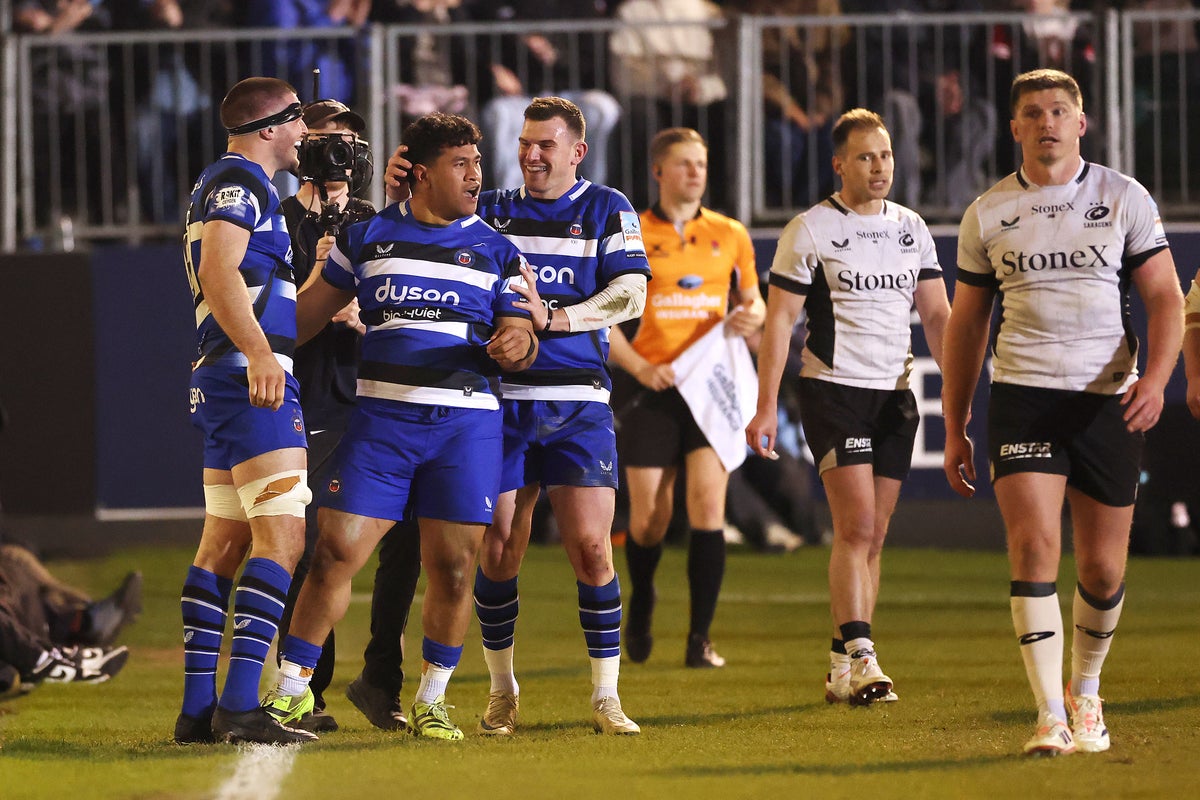
If things go as Bath hope over the next few months, they will make that elite trio a quartet. A city starved of silverware at last had the trophy drought ended with a treble last year, and now have their sights set on new goals. By most other sporting measures of merit, they are nearing elite territory – be it winning while playing poorly or the strength in depth shown with a heavily rotated team that proved successful at Sale on Sunday. It is they and Northampton that look likeliest to vie for the Gallagher Prem title, but it is the knockout rounds in Europe that will be the true test of their candidacy for elevated status.
That begins this weekend with a visit from Saracens; naturally, Bath’s process-driven director of rugby is not looking beyond the round of 16. “We are at our best as a group when we just take it week-by-week,” said Van Graan. “We haven’t even spoken about a quarter-final. Our only focus has been on Saracens. Sport has taught us all that if you take your eye off the ball, you’re going to get smacked on the nose.”


A 62-15 thrashing of the same opposition at the same venue in the Prem just two weeks ago will swell optimism along the Avon but Bath will expect a rather different Saracens side to show up. It is not just that Mark McCall’s men will have their Six Nations stars playing more of a part, having rested most a fortnight back, but also that the travelling squad have been stung by the harsh words of their outgoing director of rugby.
“This season has been highly frustrating,” McCall admitted after the defeat to Northampton that likely ended their Prem play-off chances. “There have been some wonderful performances in there. But we’ve lost some matches that we could have won. Last time down at the Rec was different – it was different because at times we lacked fight. It wasn’t all the time, and it wasn’t everybody, but it is hard to look at yourself in the mirror when that is the case.”
It is difficult to truly explain what, exactly, has gone wrong for Saracens this season. The squad remains highly talented. There is a view, articulated in public and private even by some of the club’s past players, that the club has fallen into the cracks between two eras: a new generation led by the like of Noah Caluori, Olamide Sodeke, the Bracken brothers and Nathan Michelow not quite ready to take over from an older guard beginning to show their age. If the return of Brendan Venter as McCall’s successor feels a nod to the past, there will surely be a look to the future over the final weeks of the season if their fading hopes of a top-four finish go for good.

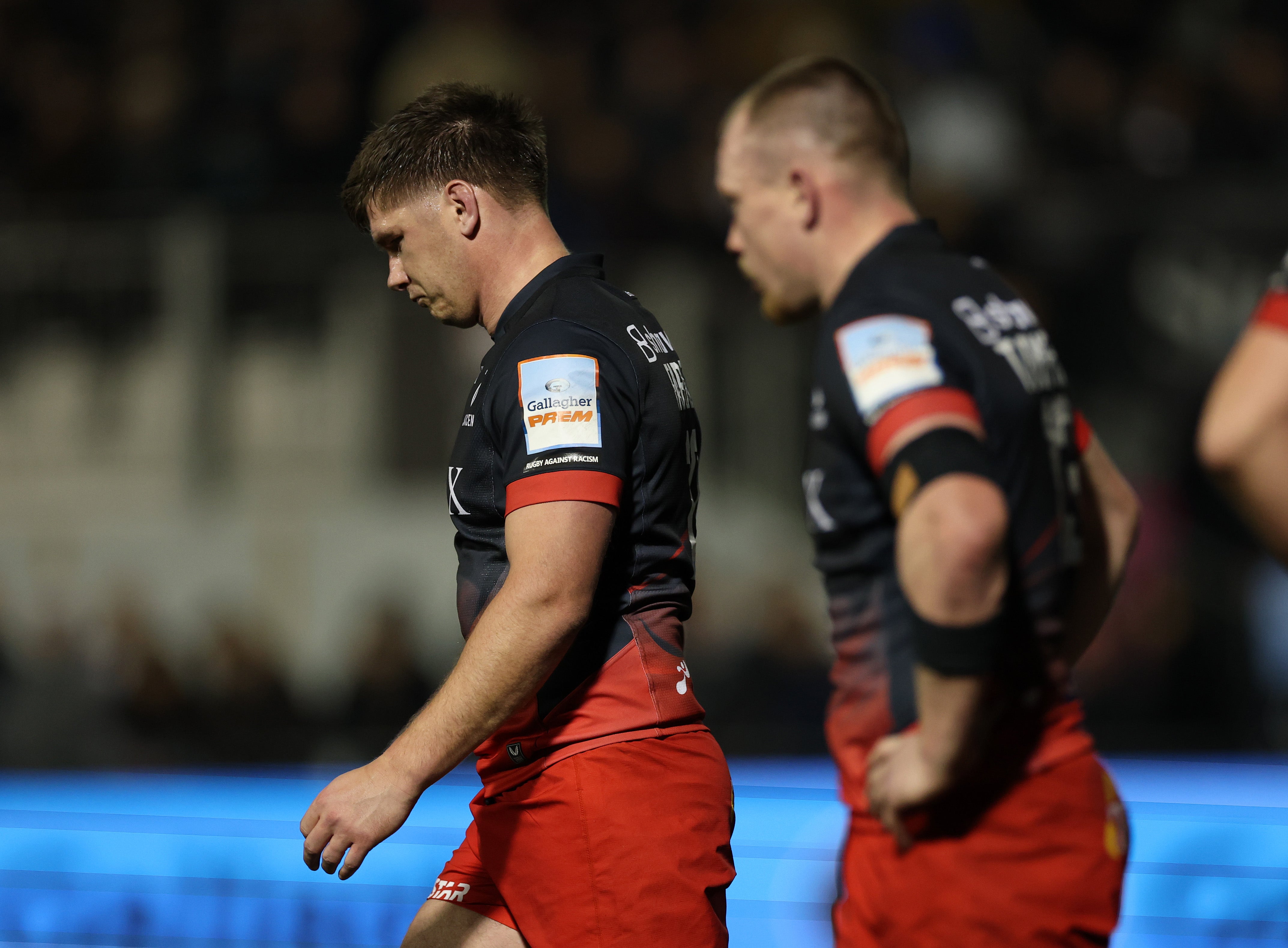
This campaign has been far from disastrous – they are in the Champions Cup knockouts, of course – but it was striking to hear McCall talk last weekend of heading down to the Rec with “nothing to lose”, rather than position his side as true equals. Such a suggestion would have been unconscionable during the glory years that the Northern Irishman oversaw.
That period of sustained success, tainted somewhat by financial misdeeds, perhaps contains a few lessons for Bath as they seek to forge their own dynasty. Captained by a skipper from the Saracens school in scrum-half Ben Spencer, the unwavering belief in the group and a common goal is where Bath want to get to.
“I think they had an identity at that time,” lock Charlie Ewels explained of Bath’s last-16 opponents. “Watching them and playing against them, it just felt like they didn’t need to talk about decision-making too much because they were really close-knit as a group.

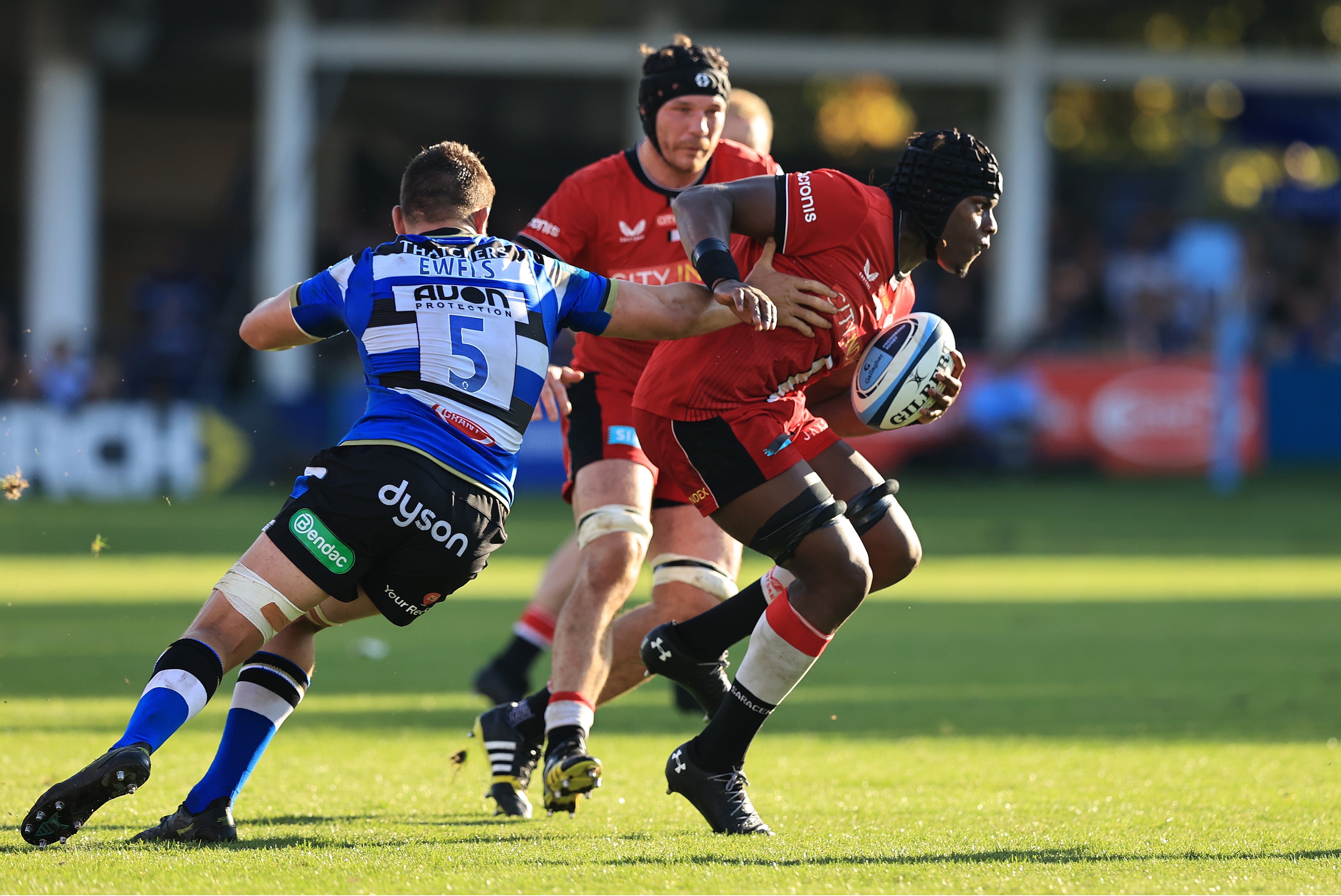
“They played exactly how you knew they were going to play, but they were very, very good and it was very difficult to stop them.”
One might say the same of Bath now. Van Graan bristled slightly this week when it was pointed out that his team have played wider than the first receiver at the lowest rate (13.4 per cent) of any team in the three big European leagues this season, but it has proved mightily effective, and a side with Finn Russell and Max Ojomoh in midfield has the capacity for expansion. “You’ve got to adapt to conditions and adapt to the game,” the South African suggested, and that ability to win any which way will be valuable if they go deeper in this competition.

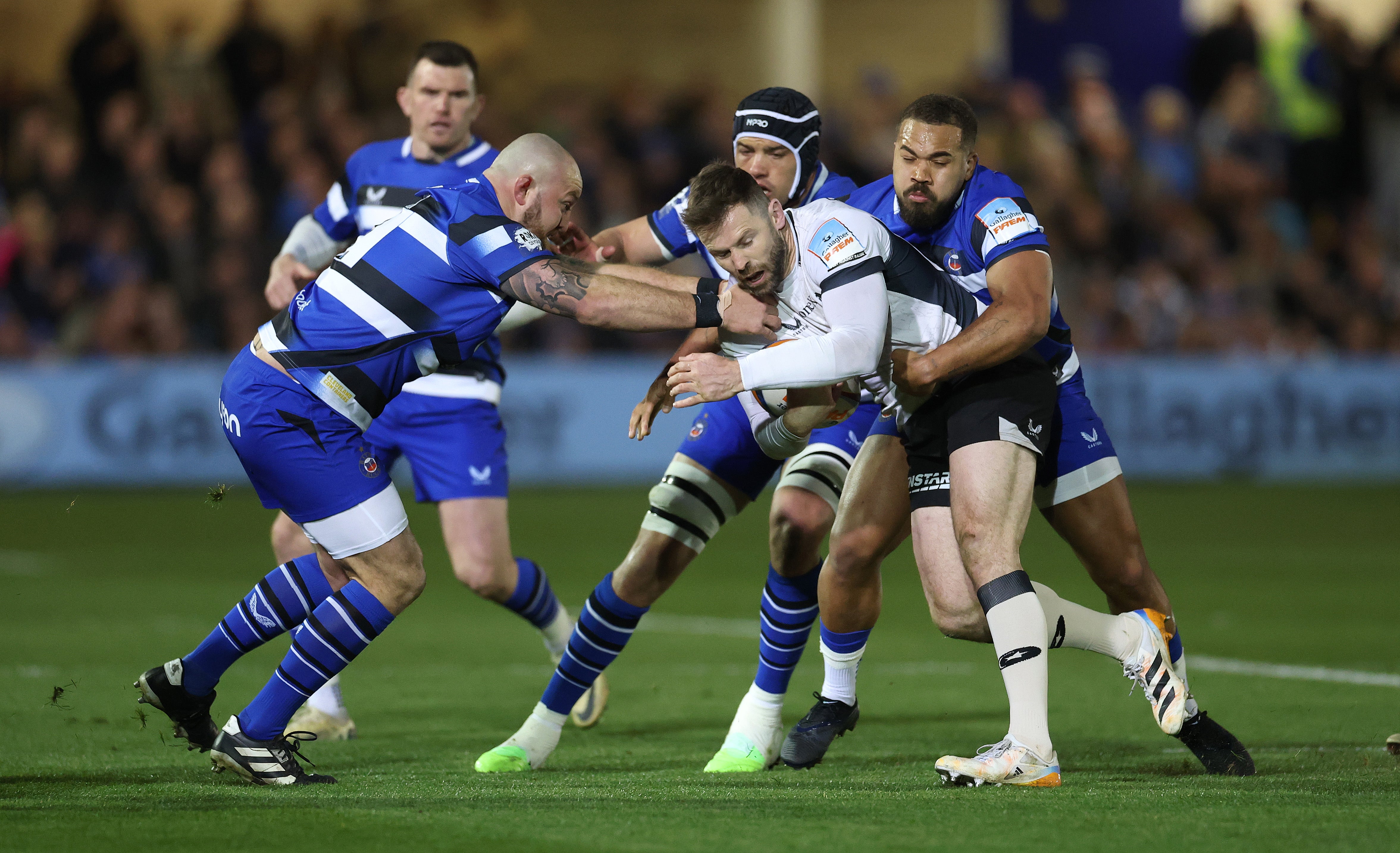
That assumption might be proved hasty, though, if Saracens are back to their best as they were against Toulouse in January. An early ejection from this competition would be an unsuitable end to McCall’s tenure. Make Saracens Great Again? The red caps may not fly off the shelves, but there might just be a vintage performance left in the north London club.