

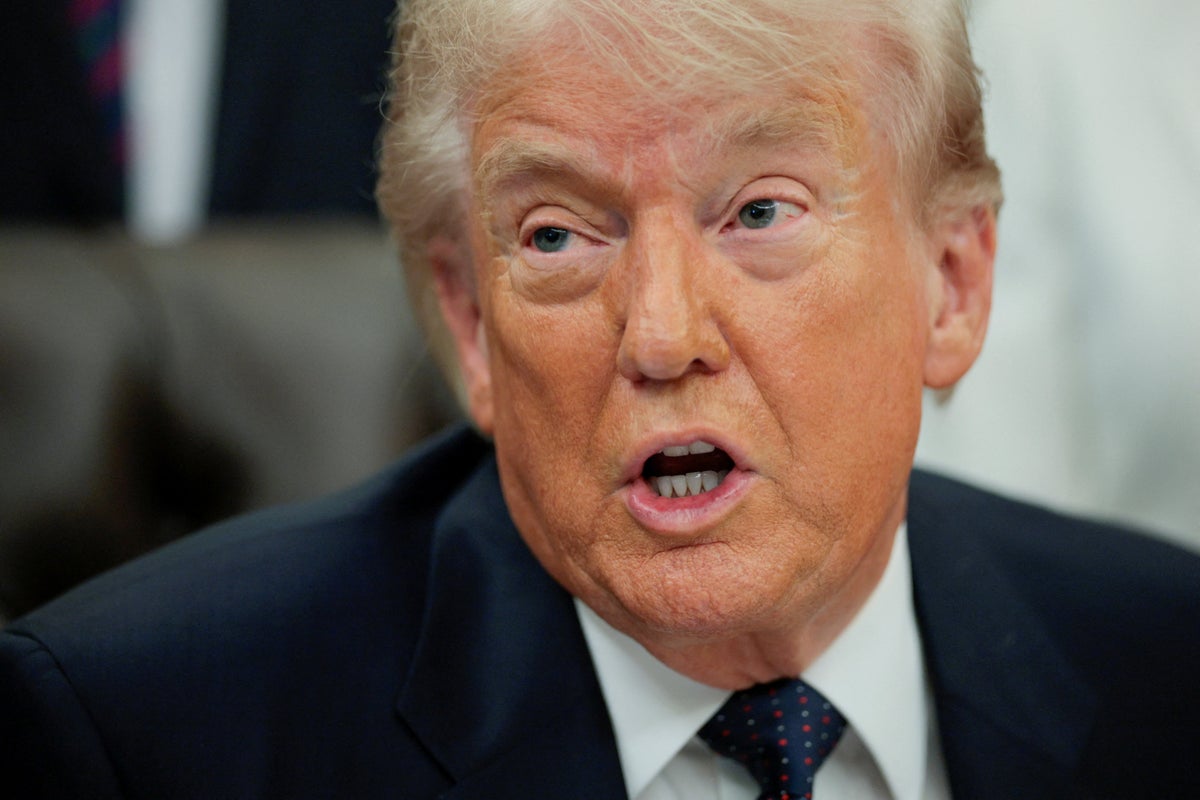
Donald Trump has asked for changes to the proposed Iran agreement negotiated by US envoys, triggering a fresh round of talks with Tehran, according to a report.
After deliberating for a day, the US president has demanded further amendments to a peace proposal put forward by the Iranian side which would see the Strait of Hormuz open to commercial shipping.
The proposed memorandum of understanding would reportedly extend the ceasefire by 60 days and create a framework for negotiations over Iran’s nuclear programme.
But Trump has now demanded revisions focussing on Tehran’s nuclear programme, its enriched uranium stockpile, and the reopening of the Strait of Hormuz, according to US officials cited by Axios.
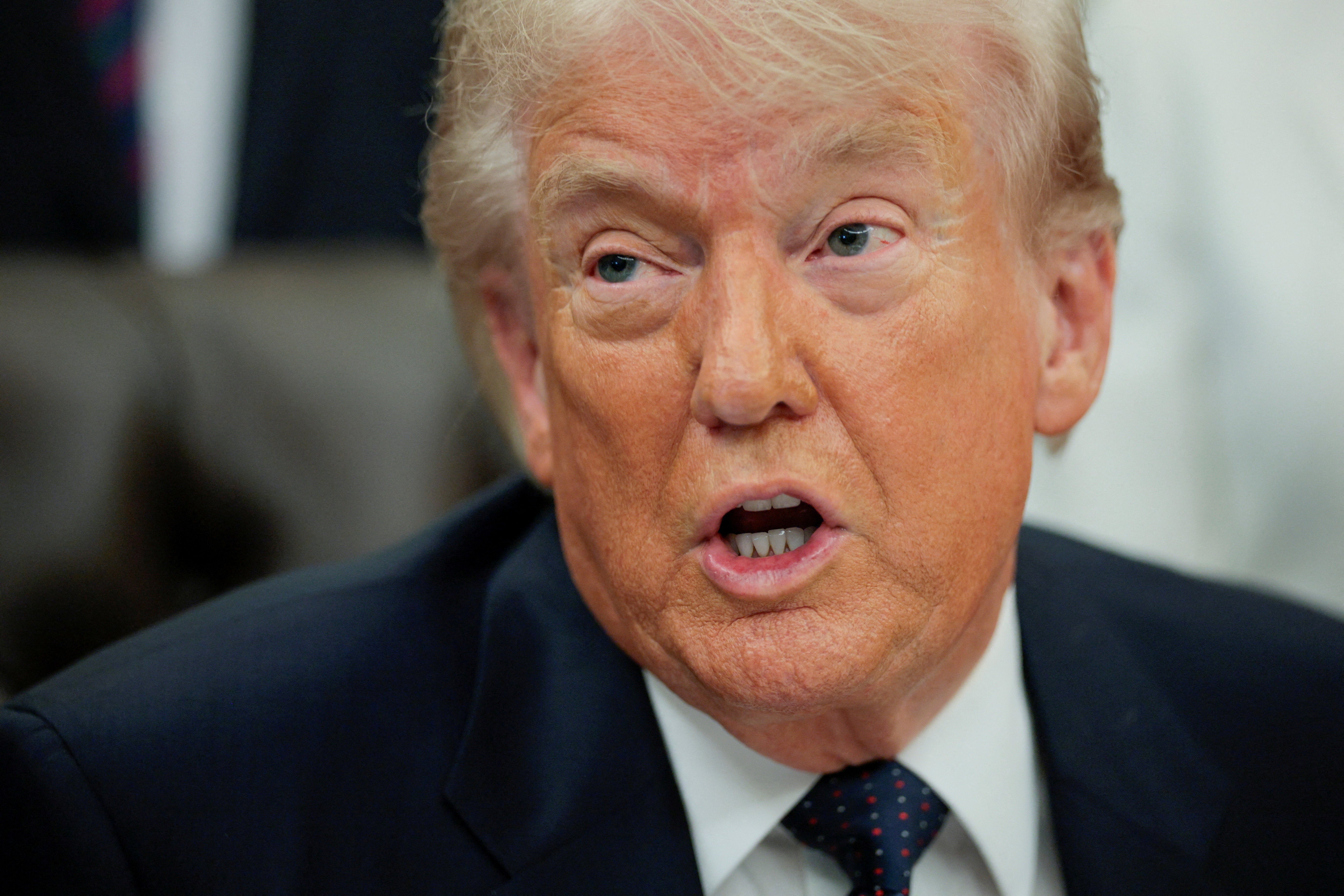
One official said Trump wanted more detail on “how the US gets the material and the timing”, referring to Iran’s enriched uranium stockpile.
US officials told Axios they expect Tehran to respond within three days. “At the turn of the week, we hope to have something,” a senior administration official said.
What is contained in the deal?
The Independent reported on Thursday that president Donald Trump was weighing the 60-day deal agreed upon by US and Iranian negotiators to extend the shaky ceasefire between the warring nations and reopen the Strait of Hormuz while setting up further negotiations towards agreements on Tehran’s nuclear program.
The 60-day memorandum of understanding under which Iran would remove mines placed in the strait and agree not to harass any commercial shipping or demand tolls for passage through the key maritime chokepoint. In return, the U.S. would end the blockade it has kept on Iranian ports as shipping through the strait resumes.
The proposed pact also states that Iran would commit not to pursue nuclear weapons and enter into talks about the disposal of its supply of uranium that has already been enriched to near-weapons grade.
Those talks would be the first order of business for any negotiations conducted during the 60-day window of the proposed deal.
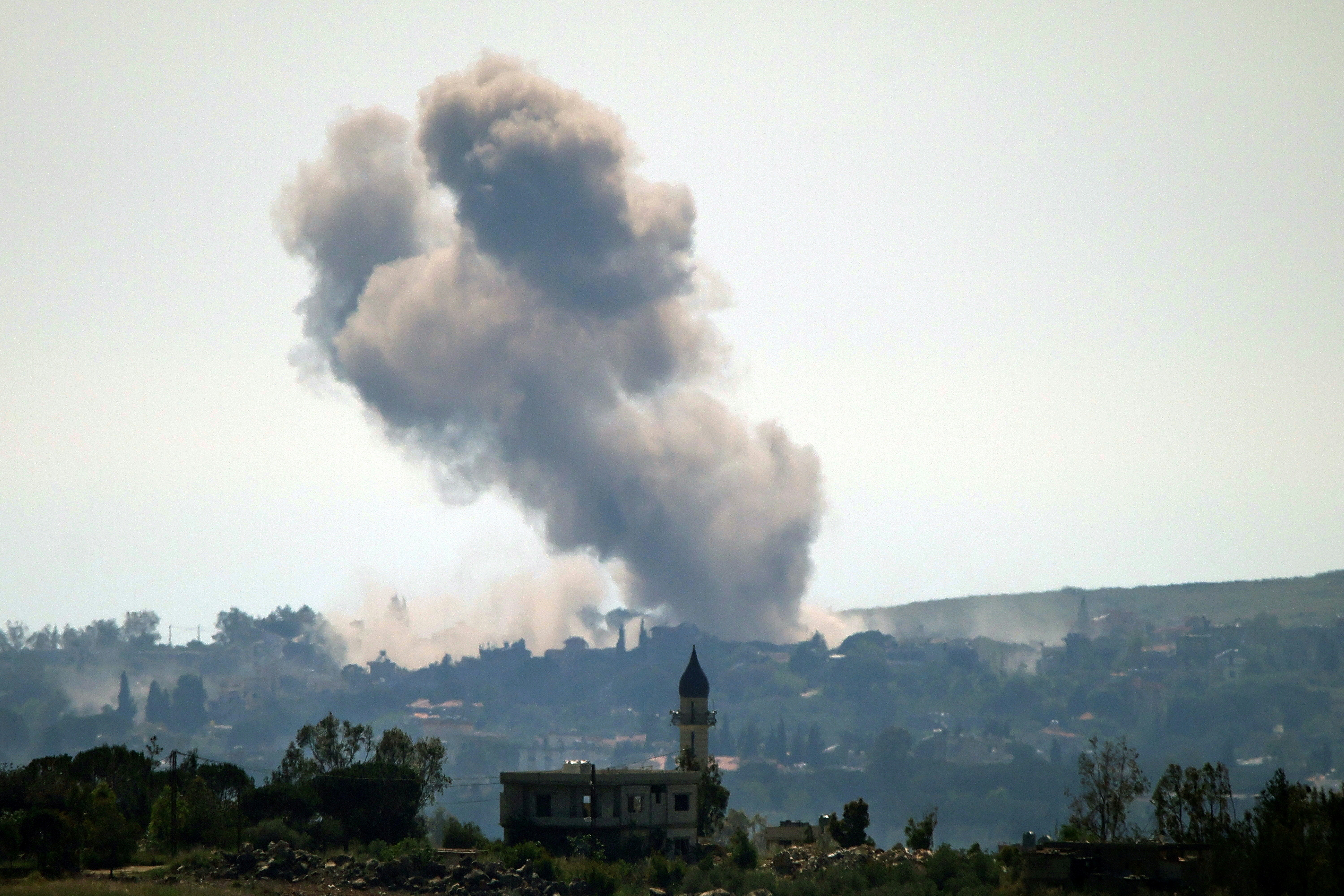
It additionally declares that the war between Israel and Hezbollah that has devastated much of southern Lebanon would come to an end.
It followed a previously proposed framework centres on ending the war and lifting a US naval blockade, in exchange for Tehran guaranteeing safe passage through the Strait of Hormuz, according to Iranian foreign ministry spokesperson Esmaeil Baghaei.
Senior Iranian diplomat Hossein Nooshabadi told ISNA news agency that Iran’s draft for an initial agreement encompasses an end to the war on all fronts, including Lebanon, the release of blocked Iranian assets, the lifting of the US naval blockade, the opening of the Strait of Hormuz, the withdrawal of US forces from Iran’s vicinity, and the freedom to sell Iranian oil.

What would still need to be worked out?
This initial phase would then be followed by negotiations on more complex matters, such as the status of Iran’s highly enriched uranium, specific details concerning the Strait, and the sequencing of various points outlined in the preliminary agreement, including sanctions relief and security measures.
Some of these aspects Trump is now reportedly seeking to address in the initial memorandum.
Should Iran’s Supreme National Security Council approve the memorandum of understanding, it would then be forwarded to the country’s supreme leader for final endorsement.
Both Baghaei and Nooshabadi confirmed that if the first phase of the agreement progresses, the nuclear issue could be reviewed and negotiated during the subsequent 60-day period. The last nuclear deal, struck in 2015 and subsequently abandoned by Trump in 2018, required years of intricate negotiations involving large teams of technical experts.
What sticking points remain?
Tehran views its control of Hormuz and Washington its blockade of Iranian ports as their primary points of leverage. The United States suspects Iran aims to develop a nuclear weapon, a claim Iran consistently denies, asserting its atomic programme is exclusively for peaceful purposes.
The focus remains on Iran’s uranium enrichment, which can produce fuel for power but also material for a warhead. A potential agreement might eventually include a lengthy moratorium on enrichment and the export or dilution of existing stockpiles.
Iranian sources suggested Iran might eventually agree to dilute part of its highly enriched uranium in a friendly country to 5 per cent purity, with subsequent return.
However, numerous other issues would still need addressing, including the duration of any nuclear programme halt, the potential dismantling of nuclear sites, the fate of 20 per cent and 5 per cent enriched uranium stockpiles, and the future of Iran’s advanced centrifuges and research and development programmes.
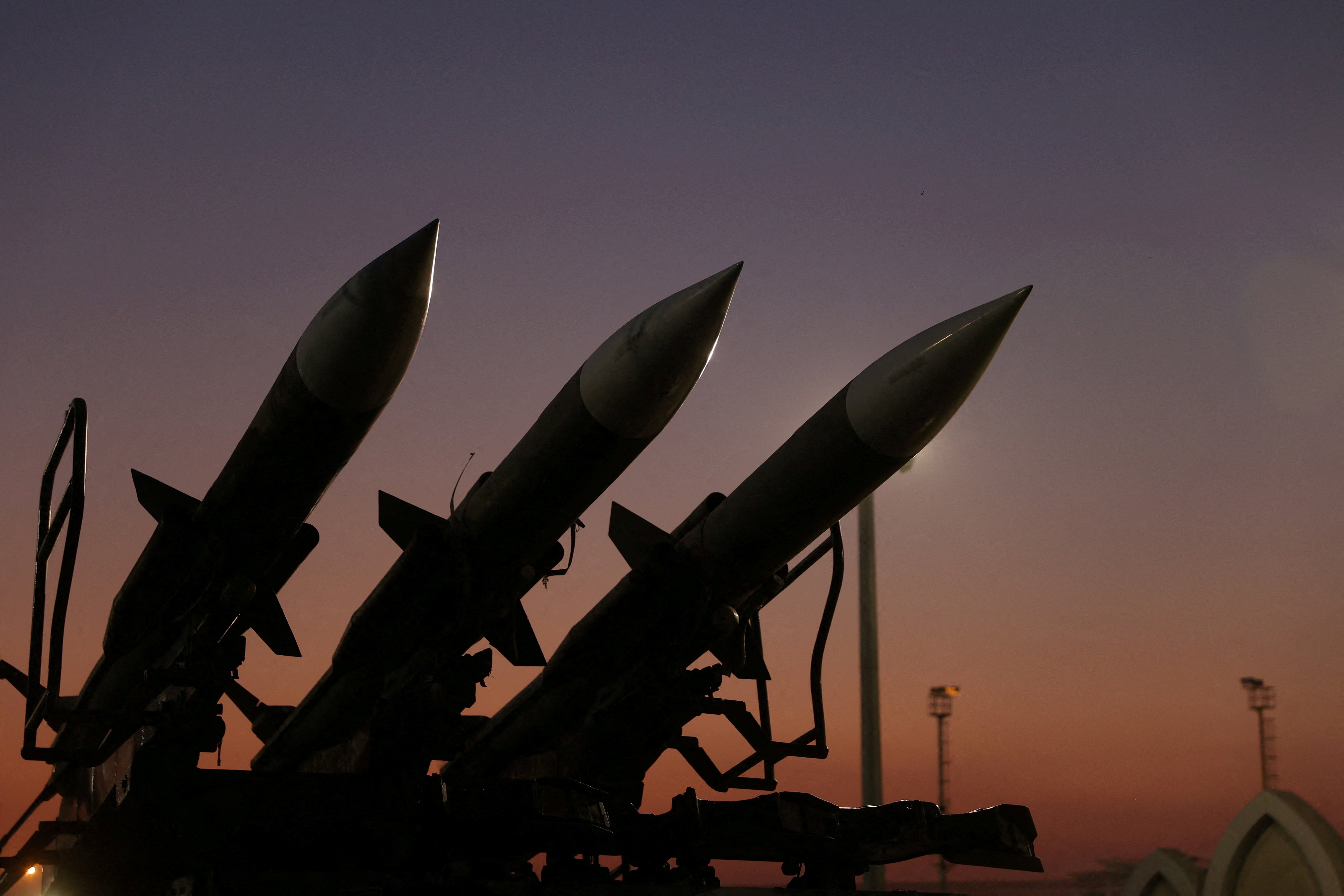
A key US demand prior to the war was for Iran to limit the range of its ballistic missiles to prevent them from reaching Israel.
Iran has consistently refused to discuss its ballistic missiles, maintaining that its right to conventional weapons is non-negotiable and that it possesses a substantial arsenal.
Iran’s economy has been severely impacted by years of sanctions, contributing to nationwide unrest in January. Tehran urgently seeks the lifting of these sanctions, the release of tens of billions of dollars in frozen Iranian oil revenues held in foreign banks, and reparations for war damage.