




International experts have recommended quick and targeted MRI scans for prostate cancer screening.
Some 21 urologists, radiologists and pathologists from Europe and the US agreed an “expert consensus statement” to identify harmful prostate cancers, reducing overdiagnosis and unnecessary biopsies.
Imperial College London researchers created the statement from existing research which is to be presented at the European Association of Urology congress in London.
The experts examined screening methods for all men, identifying high-risk individuals, and optimal MRI techniques.
Key recommendations include rapid MRI scans (under 15 minutes) for men aged 50-70, or from 45 for black men.
It also suggests prostate specific antigen (PSA) tests should precede MRI to pinpoint high-risk individuals, with repeat screening tailored to each patient.
Nikhil Mayor, a doctoral fellow at Imperial, who is presenting the study, said: “MRI is key to diagnosing prostate cancer but there’s no agreement as to how it should be used in population-level screening.
“We hope that (these) recommendations, backed by international expert consensus, will be widely adopted so that protocols are standardised for future screening pilots, studies and programmes.”

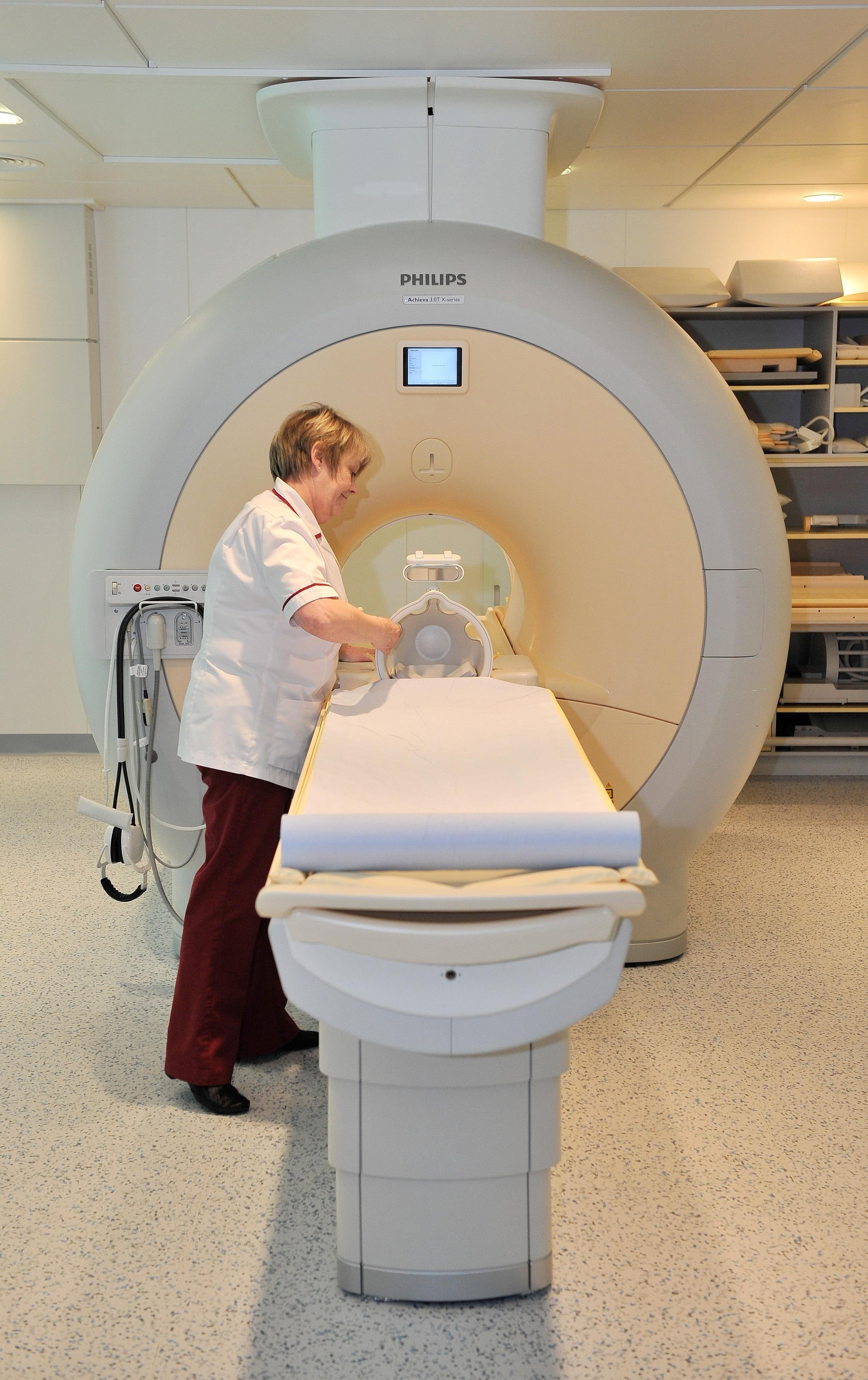
The recommendations will feed into the Transform trial which was launched by Prostate Cancer UK to gather more data in these areas.
This trial is looking at the most promising screening techniques available, including PSA blood tests, genetic tests and 10-minute MRI scans, and whether they can be combined for population-wide prostate screening.
The UK National Screening Committee’s (UKNSC) is expected to publish its final recommendation on population-wide screening for prostate cancer later this month.
In a draft recommendation in November, the UKNSC, which advises the Government, said prostate cancer screening should not be made routinely available for the vast majority of men in the UK.
It said it would not recommend population screening using the PSA test because it “is likely to cause more harm than good”.
Many experts argue the PSA test is not very reliable because men with a high PSA level may not have cancer and some men with cancer have a normal PSA result.
A positive test result may lead to unnecessary treatment for slow-growing or harmless tumours, leaving men at risk of side effects such as incontinence and erectile dysfunction.
However, others argue current evidence supports wider testing and say there are flaws in the UKNSC modelling.
For now, the UKNSC has put forward only a recommendation to screen men with BRCA1 and BRCA2 genetic mutations – which puts them at far higher risk of prostate cancer – every two years, between the ages of 45 and 61.
Also being presented at the European Association of Urology congress is a separate study which found a risk-based approach cut the number of MRI referrals for prostate cancer by up to 60%.
Following a PSA test, men who may genuinely benefit from an MRI were picked up through methods such as a digital rectal examination or ultrasound, the study suggested.
Meike van Harten, from Erasmus MC Cancer Institute University Medical Centre in Rotterdam, said: “The implementation of population-based prostate cancer screening programmes in Europe could result in around five million men being referred for MRI scans based on PSA solely.
“We need to find ways to reduce demand on MRI so that fewer men have unnecessary tests and those that need it get timely access to a diagnosis.
“This (PRAISE-U study) is showing how to identify a lower risk group of men who can safely avoid further tests, so only those most likely to have prostate cancer are referred for MRI.”
David James, director of patient projects and influencing at Prostate Cancer Research, said: “There is now clear international consensus around streamlined, MRI‑led screening pathways, alongside strong evidence that risk‑stratified approaches can reduce harm and improve cost‑effectiveness.
“These findings strengthen the case for the UK NSC to ensure the model they are using more accurately reflects contemporary diagnostic practice before reaching a conclusion on screening.”