

Wealthy Britons seeking to flee the impact of the Iran-US conflict in the Gulf are said to be heading to safety in other European countries in a bid to swerve big tax bills.
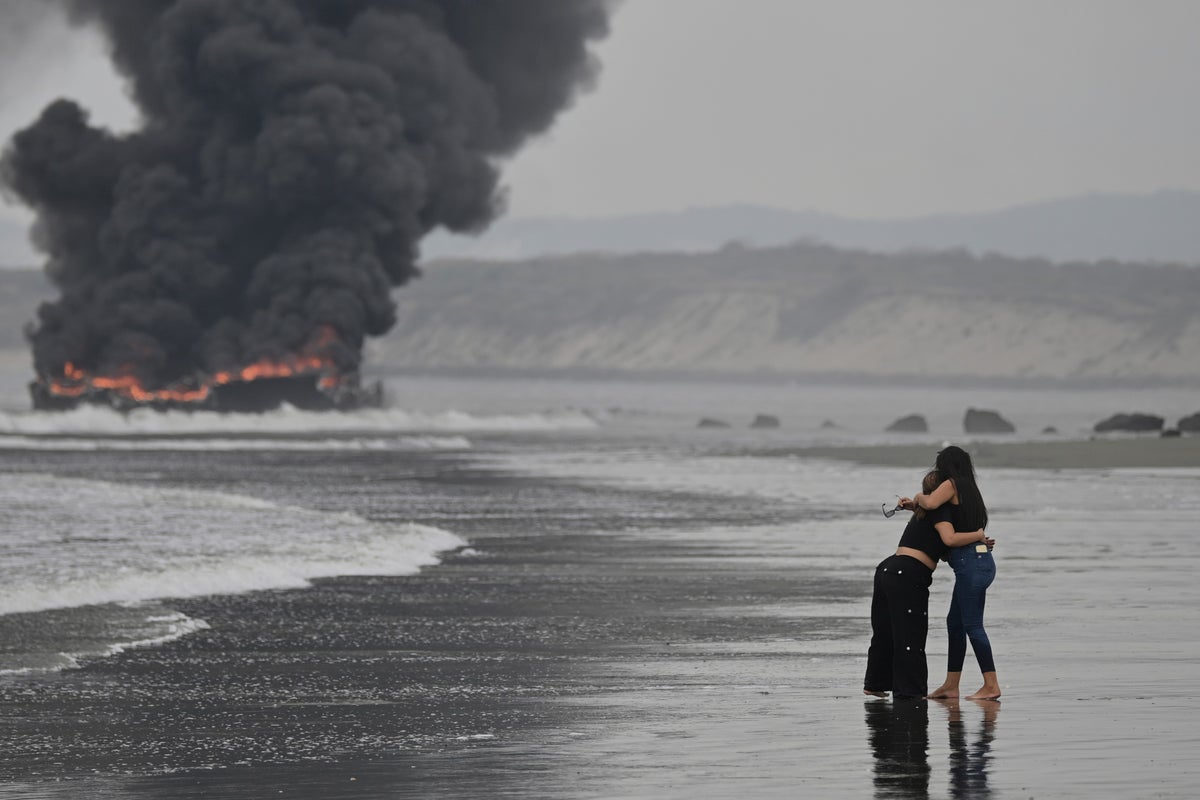
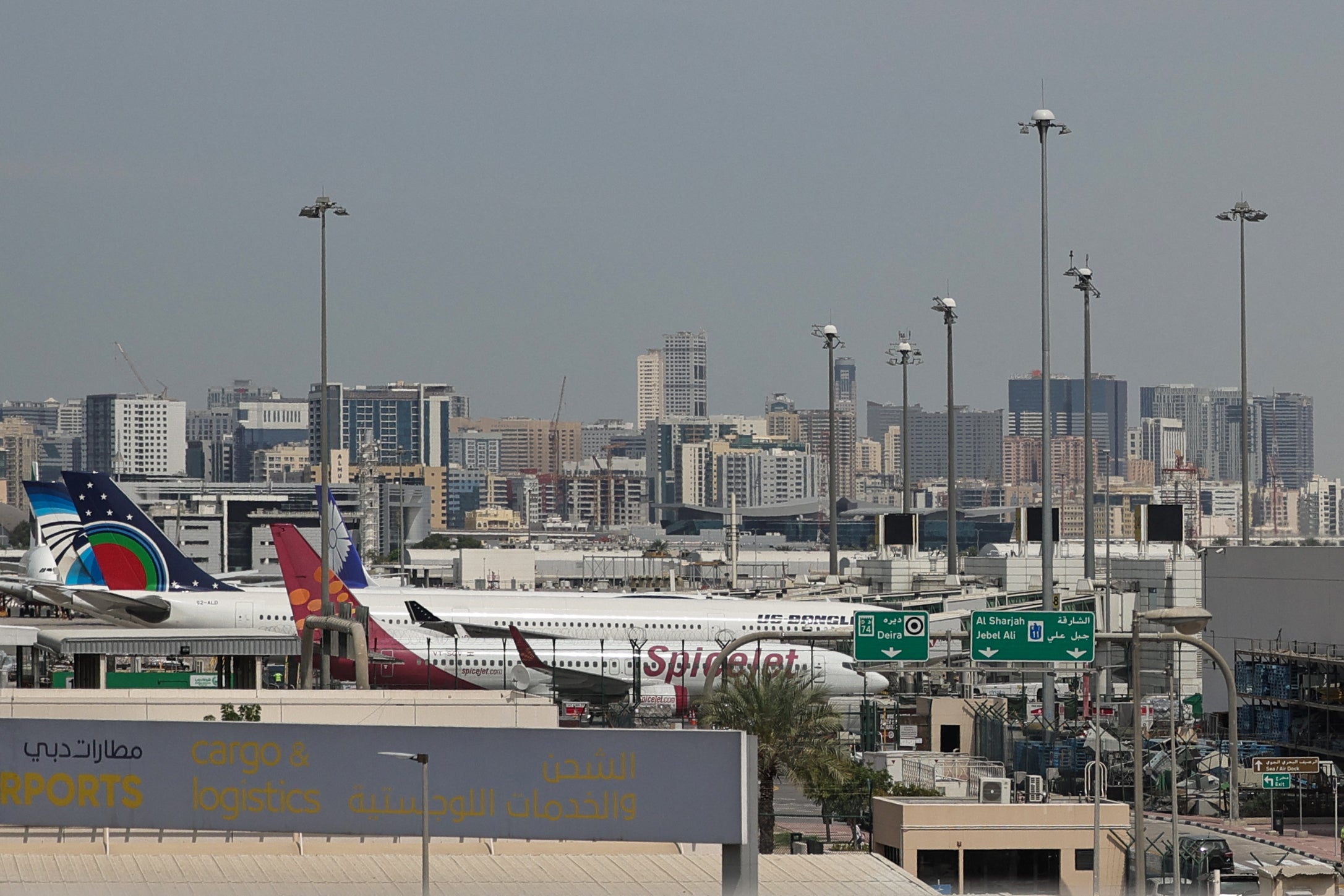
Around 300,000 UK national live in Gulf countries, which have been hit by missile and drone attacks following Donald Trump’s attack on Iran last month. According to foreign secretary Yvette Cooper, 102,000 British nationals have registered their presence in the region on the government’s safety system.
But those living in the United Arab Emirates and other nearby countries have been warned that HMRC is unlikely to be “sympathetic” to any requests to be relieved from paying additional tax if they return to Britain.
UK tax rules allow “non-residents” to only pay tax on their UK income. A person can be considered a non-resident if they spent fewer than 16 days in the UK, or 46 if they have not been a UK resident for the previous three tax years, or if they have worked abroad full-time and have spent fewer than 91 days in the UK. The tax year starts again in April, meaning many wealthy individuals will already have used up their allowance.
Nimesh Shah, the chief executive of the advisory firm Blick Rothenberg, told The Independent that he had received a number of calls from people looking to leave the Gulf who had been asking whether they could come back to the UK.

“From a tax perspective, we have to urge serious caution about coming back around their day counts. Because if they plan their tax affairs so they’re not strictly tax resident in the UK anymore, by coming back to the UK and spending days here, that all counts towards the day count for our UK tax law and whether someone’s resident or not.”
The Guardian, which first reported the story, said high-net-worth individuals are instead looking to flee to countries such as France or Ireland.
Mr Shah told the publication: “I’ve told them not to rely on any exceptional circumstances provisions from HMRC. I can’t imagine HMRC are very sympathetic here.”
He added: “There’s UK taxpayers who have decided to leave to go to the likes of UAE. In HMRC’s mind they’ve chosen to go there to not pay tax in the UK. They’re not going to give you a green light to spend more time here and not pay tax.”
In the current law, there is a provision for when a person is prevented from leaving the UK in exceptional circumstances. An example given in the rules is if there is a volcanic ash cloud and flights out of the country are halted.
However, Mr Shah said: “My position’s always been when I speak to clients is to say ‘don’t rely on it’. It’s very subjective. HMRC tends to want to use these things in their favour, and also, you’re choosing to come to the UK.
“It’s in your control where you go. You don’t have to go to the UK. You could go to plenty of other places which are in peacetime.”


Last week, it was reported that British social media influencers living in Dubai are reluctant to return home due to fears of being taxed.
One business owner quoted in The Guardian said he was spending time in Dublin until after the 2025-26 tax year ends, as he didn’t want to pay UK capital gains tax on a business he sold “years ago.”
Liberal Democrats leader Sir Ed Davey earlier this month slammed “washed-up footballers and tax exiles” seeking UK protection in Dubai.
He said: “We rightly expect our armed forces to protect British citizens around the world in crises like this,” he told parliament.
“But that includes tax exiles like Isabel Oakeshott and washed-up old footballers who mock ordinary people who pay our taxes here.”