



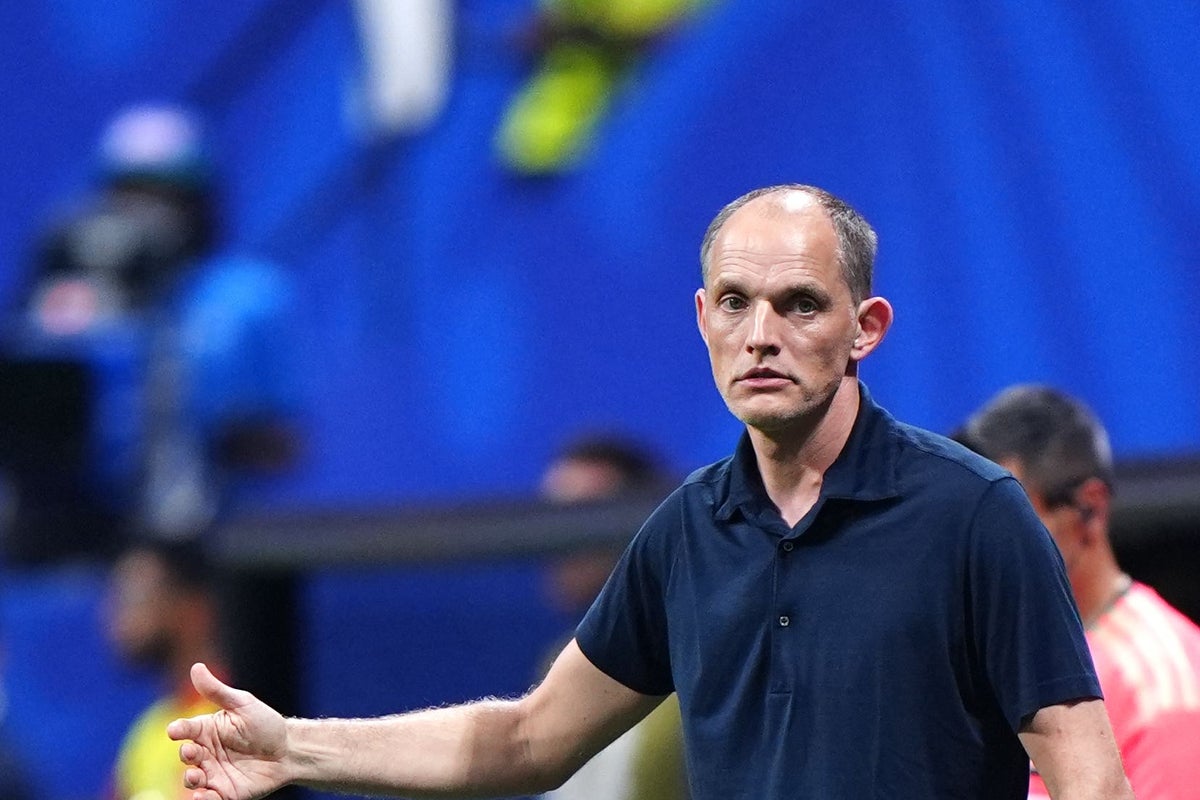
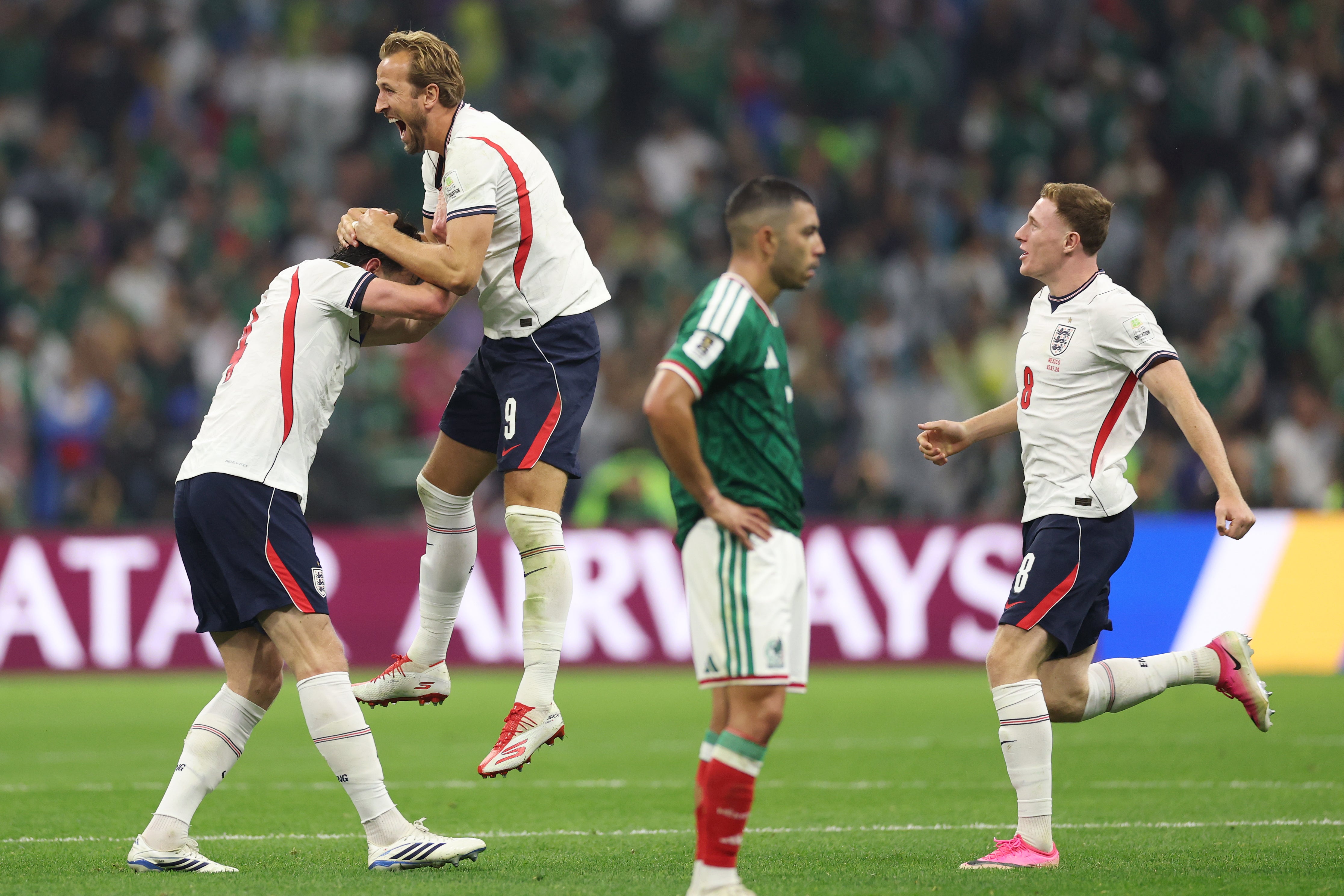
Wayne Rooney warned us. After England beat Mexico at the Azteca, the prevailing hot take was that this was part tactical masterstroke, part feat of heroism. It proved Thomas Tuchel had built a “brotherhood”. England stifled an intense atmosphere, survived high altitude and regrouped after Jarell Quansah’s red card. Jude Bellingham was majestic, Anthony Gordon was indefatigable and Dan Burn’s forehead should be the next England captain.
But Rooney wasn’t convinced by Tuchel’s approach. In the 74th minute, leading 3-2 but down to 10 men, England effectively gave up all attacking threat. Burn replaced Elliot Anderson for some penalty-box ballast, England reformed in a 5-3-1 formation, and then spent the rest of the game defending for their lives.
They did so magnificently, and Rooney credited the players. “They showed attitude, grit, desire – everything you would have wanted an England team to show, they showed tonight,” the former England captain said on BBC Sport. “We were the better team until the red card and then we showed a lesson in heading the ball out of the box, blocking shots, just brilliant.”
But with added time, it was effectively half an hour of backs-to-the-wall, anywhere-will-do defending. England stopped passing the ball, let alone attacking Mexico’s goal. And for all their stubborn resistance, it was Mexico’s failure to read the situation that froze the scoreline. Instead of dragging England defenders out of position to create pockets of space, Mexico looped crosses into the box as if they hadn’t noticed a 6ft 7in Geordie was now towering over Raul Jimenez.
“I thought it was a bit early to drop in and concede, ‘We’re not going to have the ball at all’,” Rooney explained. “We defended the box brilliantly, but I think Mexico played into our hands by putting balls in the box and allowing us to head it out, for Pickford to come and punch and take the pressure off his teammates. I think if Mexico played a little bit more around the box, and made us try and get to the ball, it would have been more difficult.”
Fast forward a couple of weeks to the 72nd minute of England’s semi-final against Argentina, and Tuchel repeated the tactic. This time the game-changing substitution was Ezri Konsa on for Anthony Gordon. There was no red card, no scenario that required the panic button. But England retreated to a deep 5-4-1 and once again ceded all notion of scoring goals, all pretence of attacking football. For reasons Tuchel himself couldn’t clearly explain, England evacuated the attacking half of the pitch.
Which made Argentina’s task pretty straightforward. Like Mexico, they no longer needed to worry about defending. It happened against Norway too, in the quarter-finals, when Burn came on with about 12 minutes left to play. And where Norway and Mexico failed to lure England out of their defensive cocoon, Argentina succeeded.
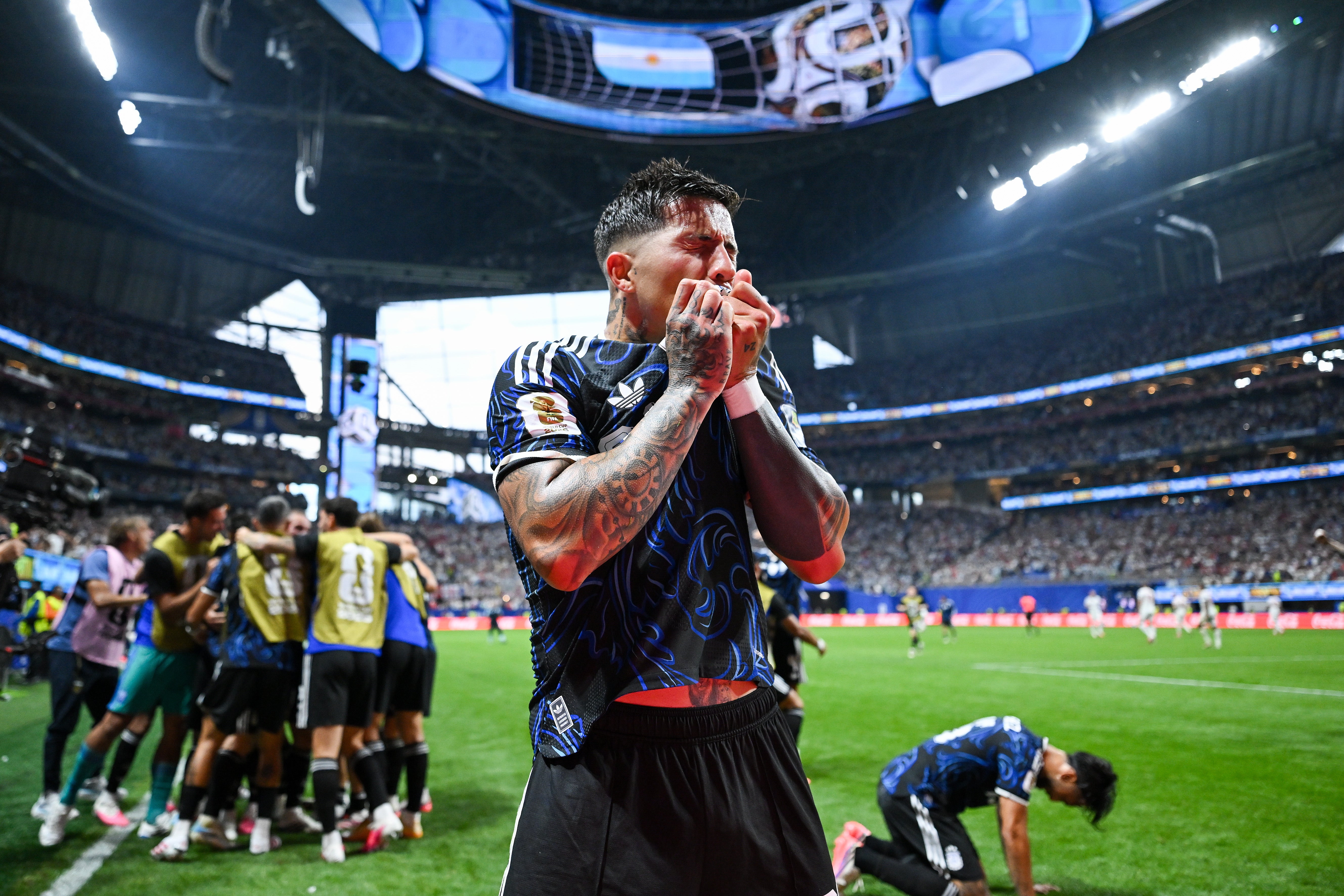
Lionel Messi realised where the space was, on the left edge of England’s newly narrowed midfield. From there, he wreaked havoc, and where Mexico and Norway lumped balls into the box, Messi lifted delicate balls onto the heads of teammates and laid on simple passes after sucking out defenders. That was how Enzo Fernandez had space to score Argentina’s equaliser.
Then he was tearing down the right side of the box towards the byline, England’s defence split and spread, and the cross on to Lautaro Martinez’s head was perfection, leaving the substitute a gaping goal he couldn’t miss.
There were other issues when England had their backs against the wall in this tournament. Tuchel’s reluctance to replace Harry Kane and Bellingham meant they carried virtually no counterattacking threat whatsoever when they were defending leads, situations where Ollie Watkins or Marcus Rashford were needed.
And this is not a new phenomenon. England have been resting their feet on winning scorelines since records began. At Euro 2000, England blew away Portugal for 20 minutes, went 2-0 up, and then fell back to the edge of their own box where they invited Luis Figo and company to take pot shots, a strategy only slightly less unhinged than giving the greatest player of all time half an hour to unpick a stationary defence.
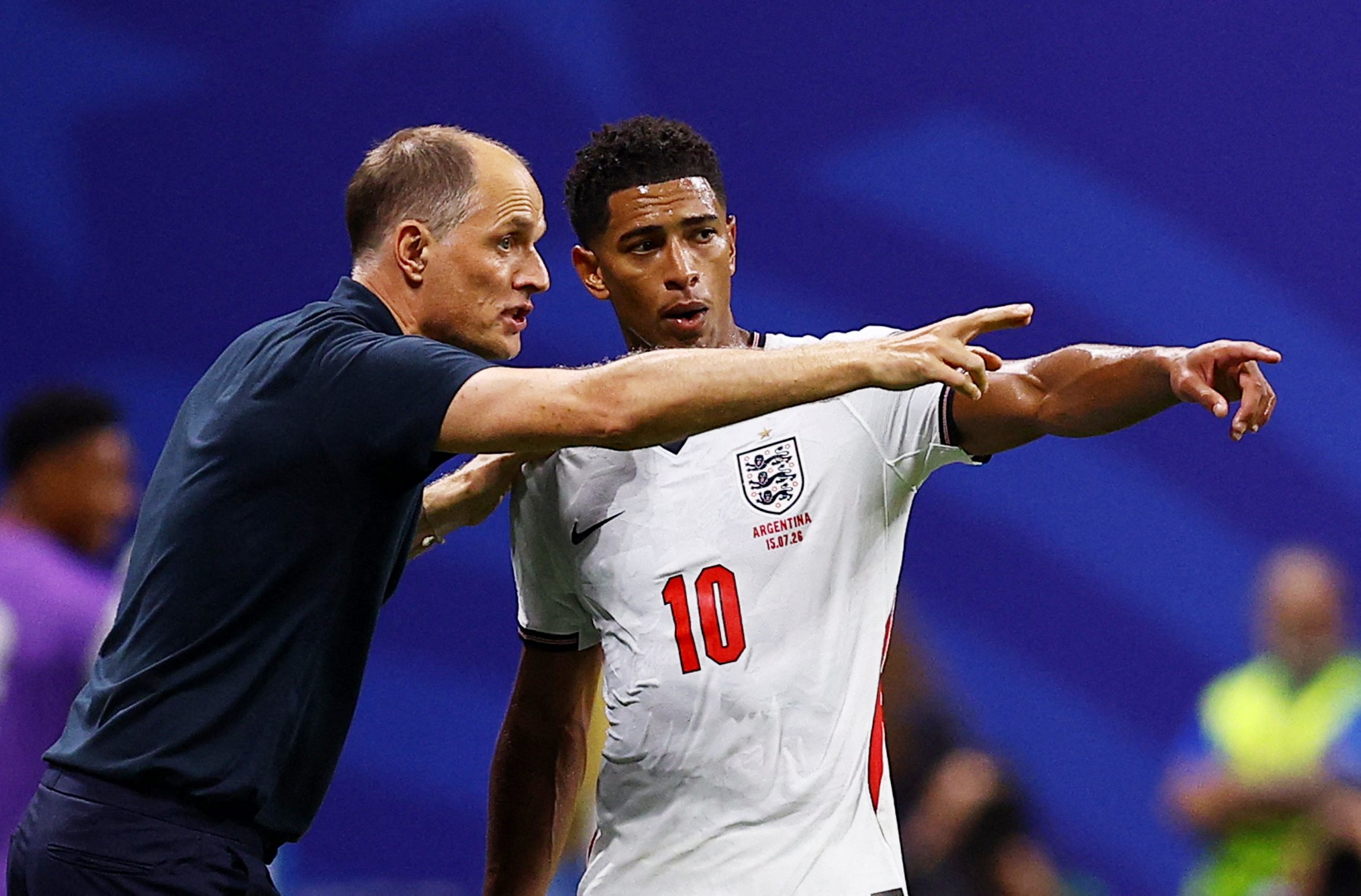
Tuchel was hired to break this cycle. Instead, the England players will probably now finish fourth, depart North America and spend the summer being told by friends, family, agents and club teammates that the manager cost them the World Cup.
Perhaps that is a little reductive; perhaps it is a viewpoint guided by the benefit of hindsight, by the final result. But the same could be said for the reaction to the Mexico game: England received waves of praise for their defensive heroics because they won, because Mexico failed to score. Meanwhile, Rooney unpicked the finer details of the game, raised the alarm, and no one listened.