


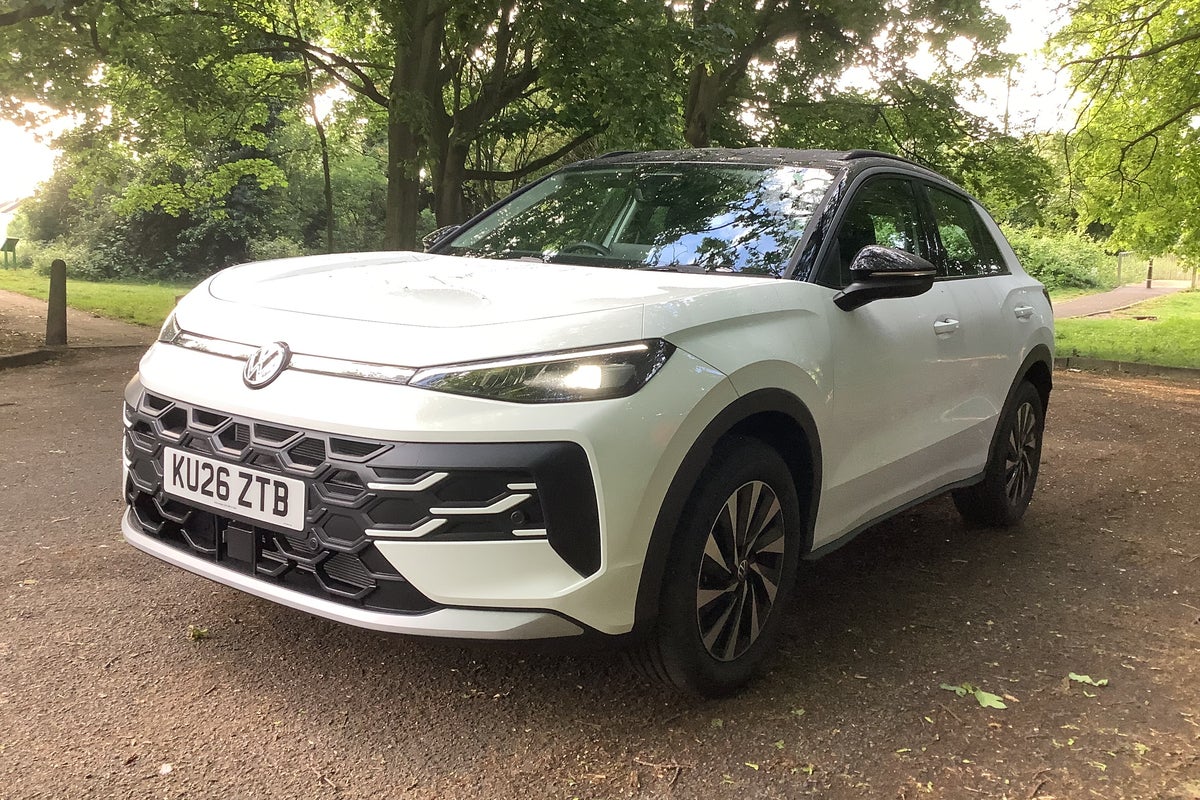
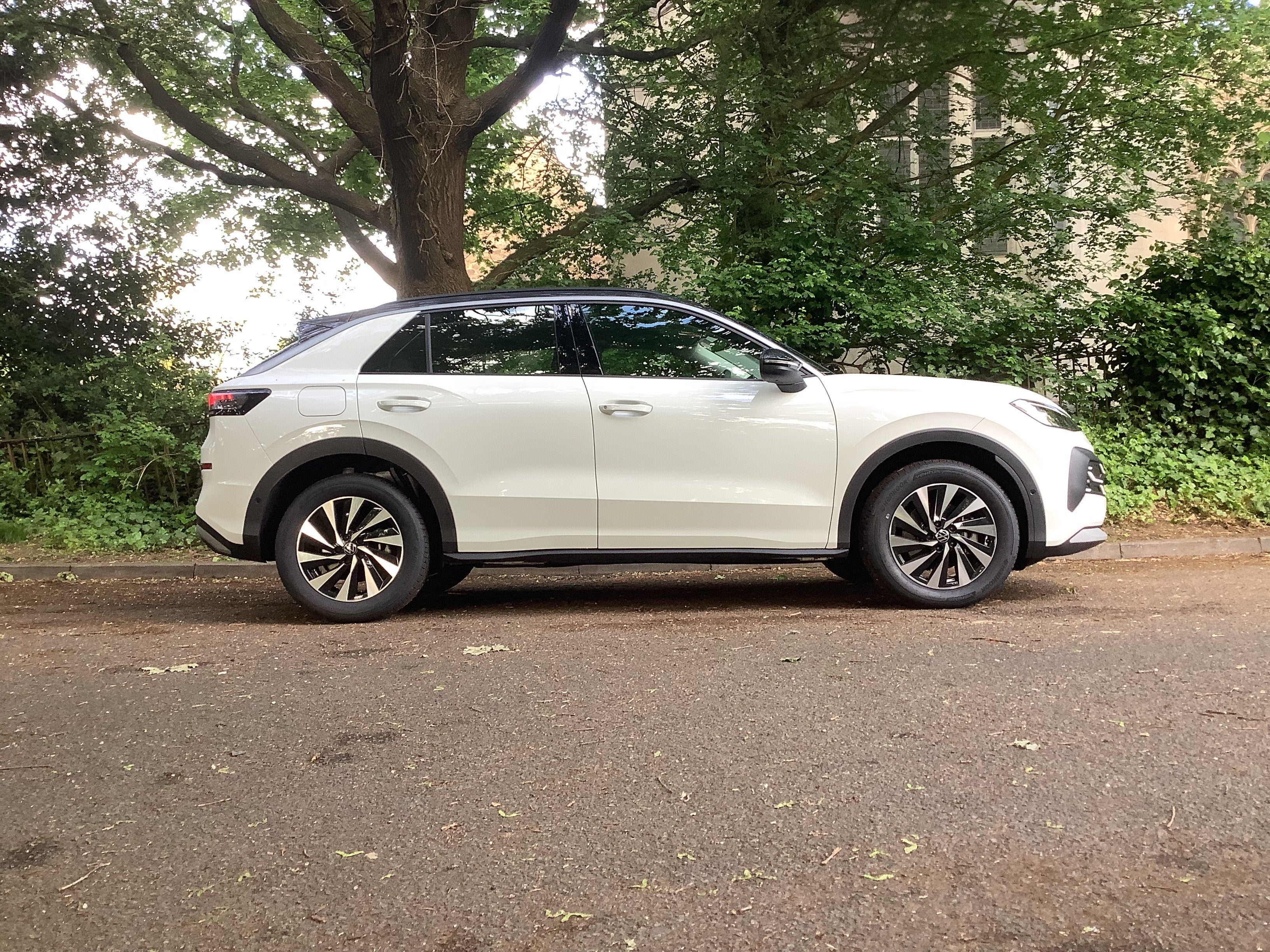
Essentially, the Volkswagen T-Roc is a taller, slightly roomier, more practical version of the newish Mk 8 VW Golf, with which it shares many of its components and basic engineering architecture. As a “compact SUV” or “crossover” – it’s not a serious off-roader – it is also fashionable, and sits squarely in one of the fastest-growing sectors of the market, while this latest iteration of the line looks just as smart as its predecessor, this being only the second generation since 2017.
It deserves its success, and I would fully expect it to be a real sales winner for VW this year, back in the Top 10 of UK bestsellers, and approaching, if not exceeding, the popularity of the VW Golf itself. The Volkswagen Group has its problems, but models such as this conventional front-wheel-drive, petrol-based mild hybrid model should at least help the company face its challenges.
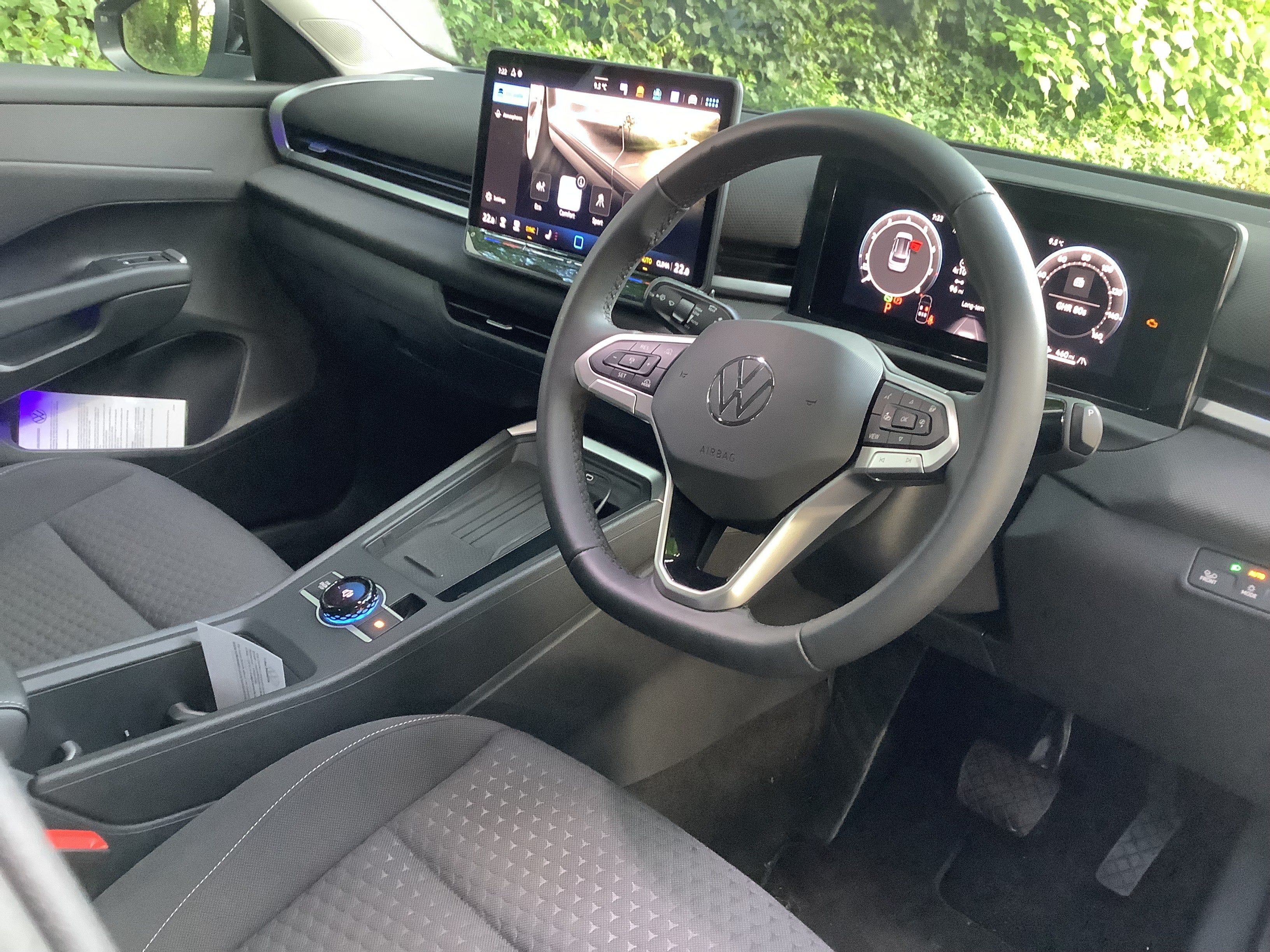
And talking of the Chinese, the T-Roc stands in stark contrast to its highly competitive rivals in one very important respect – VW have joined the trend away from touchscreen-based controls (which can go to extremes in some Chinese products). There’s a great big knob at the front (in the centre console, not the driving seat) which controls the radio volume (among other things), and proper clicky buttons (nicely weighted, and conveniently placed on the steering wheel).
Most of the unwanted “haptic” sliders that once blighted VW group’s products have disappeared, though one survives under the central monitor. But the news is good: one of the world’s leading brands has put safety first, and tech-for-the-sake-of-it second, which is encouraging indeed.
VW has also remembered another thing it’s supposed to be good at – a premium-quality, durable interior. Maybe it’s a bluff, and the nicely padded surfaces and expensive ambience will literally fade over the ensuing years of hard family work, but the T-Roc definitely has showroom appeal. Again, a point of difference with some of its rivals, such the Ford Puma, even if they can be just as nice to drive.
In my experience, only the sumptuous and costlier Lexus LBX really outclasses the new T-Roc, while the Range Rover Evoque is just too expensive full stop.
As I requested, I was lent a “mainstream” model, the entry-level Life variant, fitted with the more powerful of the two petrol power units, which benefit from “mild” hybrid assistance, but not the full-on or plug-in hybrid options you can find on, say, the innovative new BYD Atto 2 DM-i (the Chinese makes do have the edge in some respects).
A two-litre option with all-wheel drive will be along soon – and, more speculatively, hybrids, and a more performance-oriented product. A fully electric T-Roc is scheduled for 2028 (the group has a strategic partnership with X-Peng). For the eccentric, a T-Roc cabriolet, a kind of motorised pram, based on the old model, can still be purchased.
Anyway the latest T-Roc goes well, and has inherited all the smooth handling characteristics of its Golf sibling. It’s not that brisk, in truth, but it feels more fun to hustle along than you’d expect. The driver assistance system isn’t too intrusive, and the cabin is well insulated from noise and nuisance. I didn’t feel I needed the nine-speaker Harman Kardon upgrade available as part of the Style and R-Line trims.
What I would spend £410 on is the winter pack – heated front seats; leather-wrapped multi-function steering wheel, heated, with shift paddles. Obviously it feels a bit odd to mention that now, but the heatwaves won’t last for ever, one hopes, and that is outstandingly good value for an option.
As I say, aside from the Lexus LBX, this is one of the more immediately desirable compact SUVs I’ve tried in recent years, and I cannot see anyone being too disappointed with it, provided the sophisticated electronics stand the test of time. Its propulsion technology is approaching economic obsolescence in an EV age, but it’s not dead yet. Keep on T-Rocking them old-school dials, VW.
Sorry, couldn’t resist.