

Dozens of criminal trials will not take place for another four years, damning new figures reveal, as crime victims face “inhumane” delays for justice under Britain’s broken courts system.
Spiralling backlogs mean a shocking 29 cases – including violent crimes and drug offences – have been scheduled to start as far away as 2030, with victims left waiting at least four years to have their day in court.
In total, more than 2,600 Crown Court trials are not due to be heard until 2028, including 206 rape trials. A further 625 trials will not begin until 2029, including 14 for sexual offences – four of which are for alleged rape.
The Ministry of Justice figures, obtained via a freedom of information request, lay bare the full scale of the UK’s ailing justice system, with critics pinning the blame on decades of underfunding.
Britain’s former top judge, Lord John Thomas, told The Independent the delays “simply deny justice”.
Victims’ commissioner Claire Waxman described the waits for victims as “inhumane”, adding there is evidence of court delays causing marriages to break down, people to lose their jobs or triggering the onset of stress-induced illness.
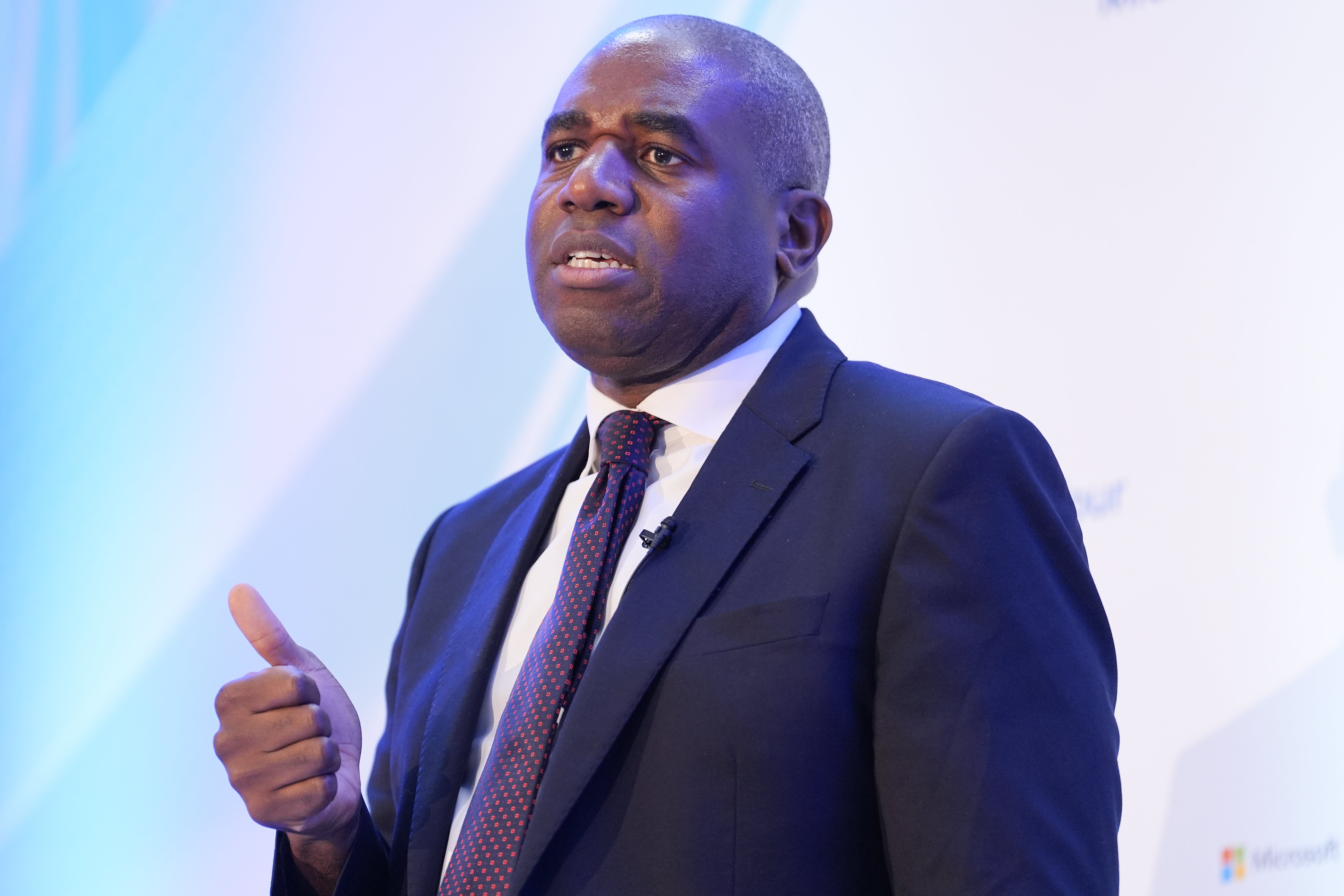
The figures come as justice secretary David Lammy ploughs ahead with controversial plans to curb jury trials, despite fierce opposition from parts of the legal sector who argue the reforms go “too far” and will not tackle the delays.
Ministers introduced legislation to parliament on Wednesday to overhaul the courts system to bring down the backlog of nearly 80,000 crown court cases by removing the right to jury trial for cases with a likely sentence of less than three years.
The MoJ has warned the backlog could reach more than 200,000 by 2035, with justice minister Sarah Sackman KC admitting this week that the government needs to do “nothing short of throwing the kitchen sink” at the system in order to cut the backlog. She admitted things will “get worse before they get better”.

Unlimited court sitting days will also be funded and so-called “Blitz courts” set up to speed up the justice system, along with increased use of AI in courts.
Responding to the latest data, Ms Waxman said the delays are “not shocking or surprising”.
“What concerns me is those that are listed as far away as 2028 and 29 – I am not confident that they will start on those actual dates,” she added.
“Behind every statistic and number is a victim who has experienced crime and will be suffering from trauma and maybe physical injuries and will have to have their life on hold for a number of years before they can get into court and access any type of justice and closure and start their recovery.
“Victims don’t start their recovery until the justice system is complete.”
The four rape cases listed to come to trial in 2029 are likely to have already been in the system for at least a year or possibly two, meaning it might be at least five years before they get to court, Ms Waxman added.
Although unlimited court sitting days will help, she insists it is not a “silver bullet” as too many cases are still adjourned on the day of trial. This is often due to logistics, like defendants in custody not being produced to court on time.
The controversial government reforms to jury trials follow two reports on the crisis from Sir Brian Leveson, a former senior judge.
Lord Thomas called for officials to tackle the backlog by implementing the changes from Sir Brian’s second report – which made 135 recommendations to improve court efficiency – before making any changes to jury trials.
Lord Thomas, a crossbench peer who served as head of the judiciary as lord chief justice from 2013 to 2017, said: “These delays simply deny justice and are unacceptable. They ought to be tackled immediately.
“And only then – if they don’t work – should we implement changes to jury trials.”
He also believes any trials without juries should be heard by a judge and two magistrates, rather than by a judge alone.
Chair of the Bar Council, Kirsty Brimelow KC, said the figures showed that “trial dates for sexual offences cases and rape cases are too far in the future but not as far back as the impression sometimes given.”
“Substantial delays are at the pre-court stage,” she said.

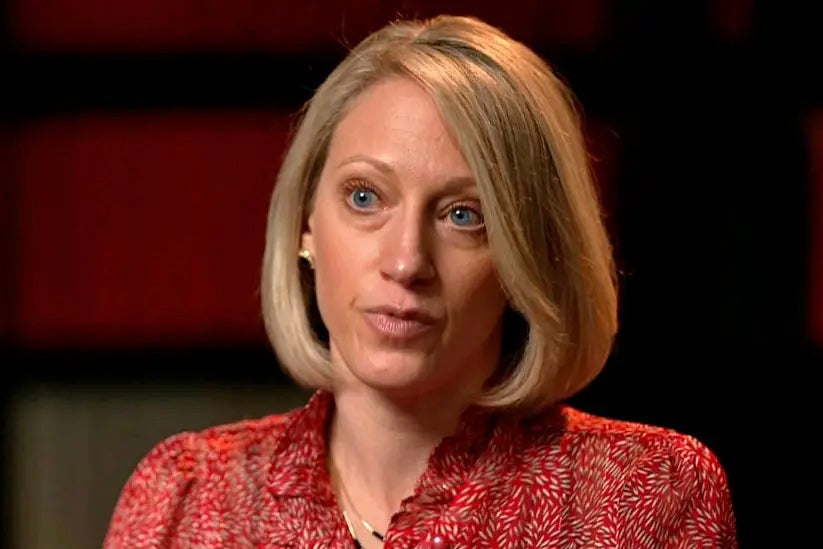
“To be serious about tackling delays means that there must be a focus on the delays incurred before the case gets to court.”
The Bar Council has said it “fundamentally disagrees” with proposals to limit the right to a trial by jury, adding there is “little evidence” to show it will address the courts crisis.
“Juries have not caused this crisis, and we have seen no evidence which validates curtailing them,” Ms Brimelaw said in a statement on Wednesday.
“That is why we fundamentally disagree with the restriction of jury trials. The objection is principled and pragmatic and the mantra of modernisation in relation to juries is a Trojan horse to hack at a deep-rooted constitutional principle.”
The Law Society has also slammed the move to restrict jury trials as “wrong”, arguing it goes “too far” and will grant single judges the power to determine guilt in life-changing cases.
Responding to the latest figures, Law Society president Mark Evans said: “These shocking figures are a consequence of decades of chronic underfunding of our justice system, which is a vital public service.
“The Leveson report highlights many measures that will help to address the crisis and confirms that UK government must provide sustained, substantial investment in all parts of the system.”
However, Ms Waxman cautioned parliamentarians against blocking the bill “for blocking’s sake” if they have not got another viable solution, adding: “Then I would say they are preventing us getting on top of these wait lists, and they are potentially failing victims.”

“While it absolutely has to be scrutinised, as any bill does, I just hope that those scrutinising are doing it for the right reasons,” she said.
“And if they’re saying ‘justice needs juries and that’s it’, I think they need to open their mind a little bit more and accept that we have to modernise the criminal justice system.”
The 29 trials listed for 2030 include 12 for drug offences, four for offences of violence against the person, three for theft and three for possession of weapons.
The 625 trials listed for 2029 include 14 for sexual offences, along with 133 for violence against the person and 190 drug offences.
A Ministry of Justice spokesperson said: “This government inherited a justice system in crisis.
“Only through these crucial reforms, the extra investment we will deliver, and our drive to increase efficiency in the system can we make sure brave victims and survivors of crime get the swifter justice they deserve.
“Combined, these measures will free up the space and time needed to prioritise the most serious cases – including those that can and should have a jury trial.”