
A 92-year-old federal judge will decide if Donald Trump’s administration is illegally blocking money for the defense of ousted Venezuelan leader Nicolas Maduro and his wife Cilia Flores while the U.S. government refuses to lift sanctions against their country’s government.
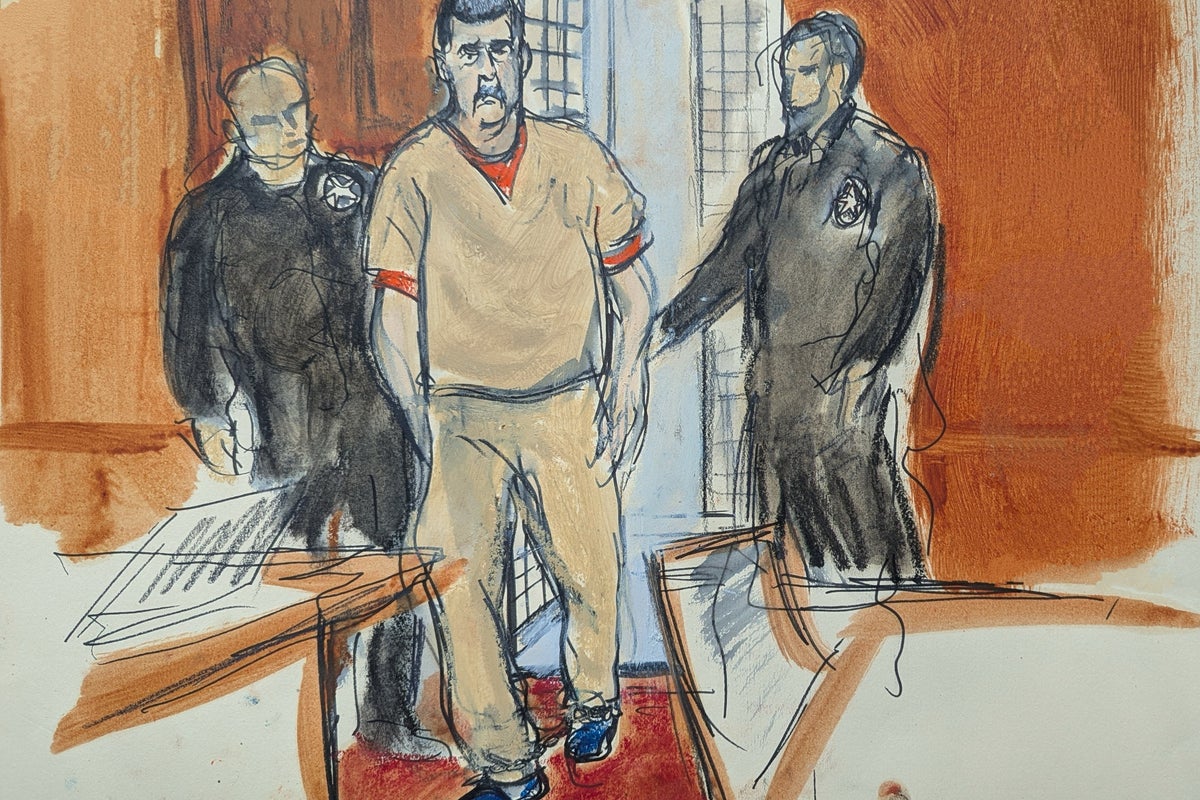
Maduro and Flores returned to a federal courtroom in New York City on Thursday wearing prison-issued khaki and orange prison scrubs from a Brooklyn detention center where they have been detained for more than two months after U.S. military forces captured them in Caracas.
They have both pleaded not guilty to charges stemming from allegations they steered a massive cocaine trafficking operation.
Attorneys for Maduro and Flores argued that the duo should be allowed to tap into Venezuelan government funds for their defense, but federal prosecutors argue that “national security and foreign policy” interests prevent the U.S. from carving out sanctions that would allow them to pay their attorneys.
“If the purpose of the sanctions is because the defendants are plundering the wealth of Venezuela, it would undermine the sanctions to allow them access the same funds now to pay for their defense,” Assistant U.S. Attorney Kyle Wirshba said.

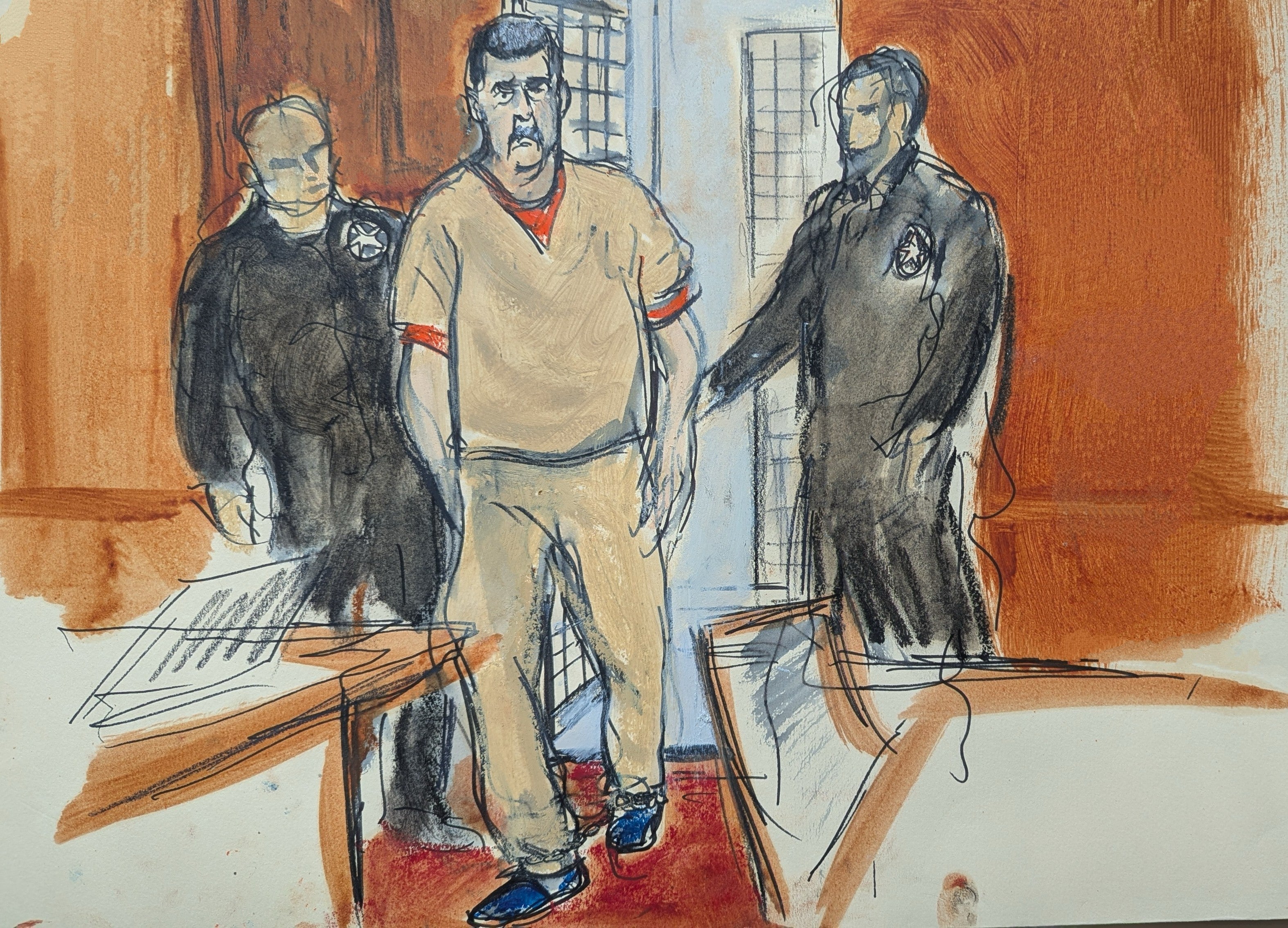
New York District Judge Alvin Hellerstein suggested that the U.S. government’s actions could amount to “potential interference” to their constitutional right to defend themselves.
“I see no national security issue to defend oneself,” Hellerstein said. “What are the interests here?”
He repeatedly suggested that the Trump administration’s attempts to reshape Venezuela’s government and seize its oil have neutralized any alleged national security threat.
Venezuela’s “oil business has become vital,” said Hellerstein, who noted that the Trump administration is invested in securing the country’s oil assets while Iran’s closure of the Strait of Hormuz has imperiled global fuel supplies. By capturing and prosecuting the former president and deploying oil companies to the country, “we have changed the situation in Venezuela,” Hellerstein said.
Allegations of human rights abuses that triggered sanctions “are no longer implicated” because the U.S. has now captured the leaders allegedly responsible for them, according to the judge.
“Defendants are here … They present no national security threat,” he said. “The Venezuelan government is no longer implicated in the atrocities we’re talking about. We’ve corrected that.”

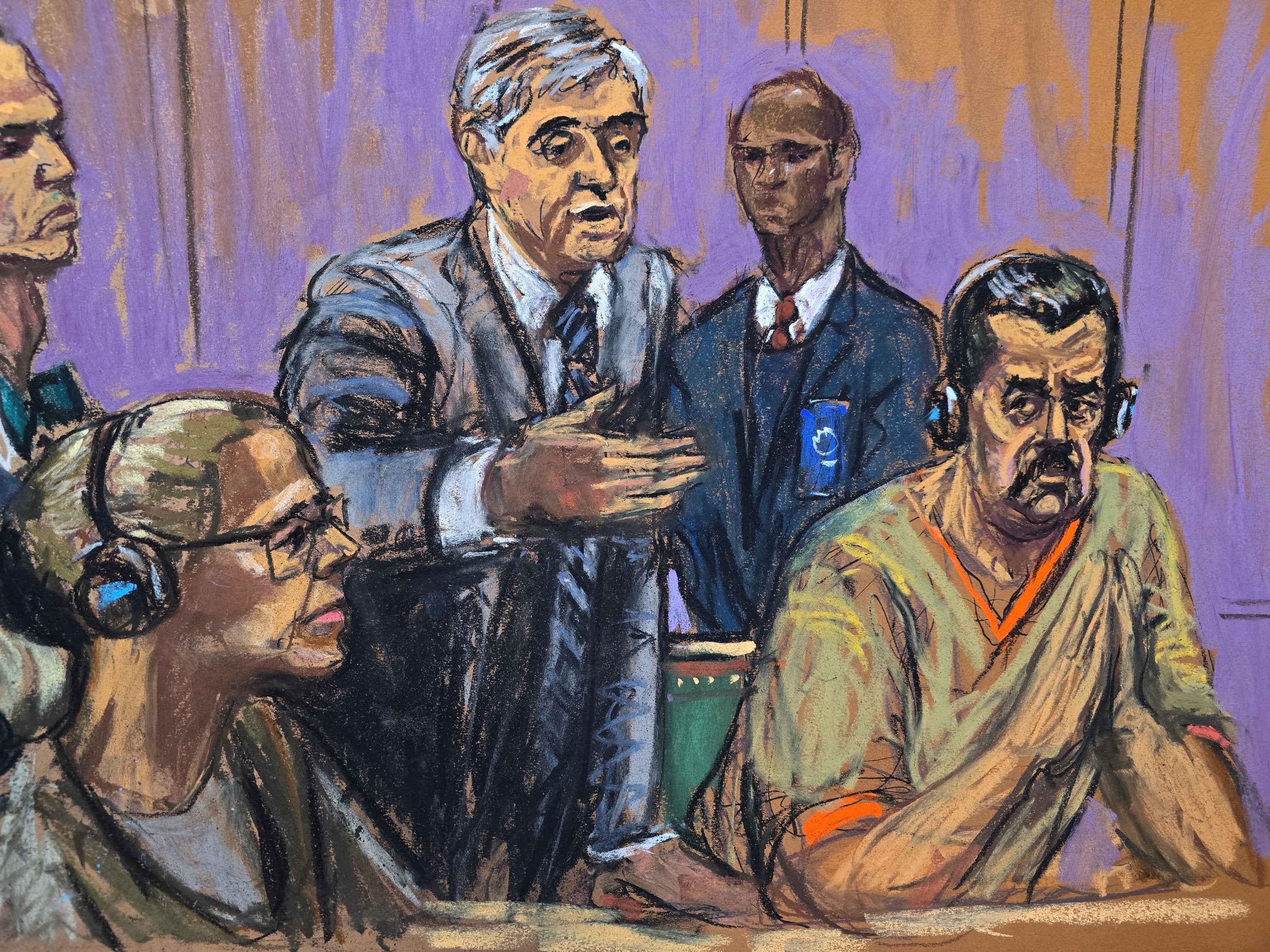
The Trump administration is not denying the couple’s access to federal public defenders, but it’s not clear the U.S. will be able to learn where Venezuelan funds are coming from, and if they are “tainted” by illegal proceeds from the alleged trafficking conspiracy at the center of the case, according to Wirshba.
Hellerstein said federal public defenders would be tasked with a sprawling, international case that is going to require a “significant investigative work” and a “great deal of expense,” which would unjustifiably tax their abilities to defend other clients.
Hellerstein repeatedly asked what, if anything, he does have the authority to do.
“We don’t believe a remedy is available to the court,” the prosecutor said.
Wirshba suggested a separate lawsuit could be filed to challenge the sanctions themselves but argued the courts do not have authority to carve out an exemption for Maduro and Flores.
The Office of Foreign Assets Control would have to create a specific license to lift sanctions against Maduro so he can access funds for his defense, but prosecutors say the judge can’t order the office to do so.
Maduro’s defense attorney Barry Pollack, who formerly represented Julian Assange and former Trump ally Paul Manafort, said there is no evidence that potential funds are “tainted” or illegally obtained. He argued that the judge should dismiss the case altogether, which Hellerstein immediately rejected.
“I’m not going to dismiss the case,” he said.
But, he added, “if I find that in this case a specific license was arbitrarily withheld, and the government does not comply, that would be a time of dismissing the indictment.”
“This is a unique case and will take some time,” he said.

Their capture — the culmination of Trump’s months-long pressure campaign to topple Maduro’s government and deploy U.S. oil companies into the country — also resulted in “significant injuries” to Flores, including “severe bruising” and a possible fracture, lawyers said in January.
She is now experiencing issues related to a “mitral valve prolapse” and not receiving adequate care in custody, attorney Mark Donnelly said Thursday. She needs an echocardiogram “after many EKGS,” he said.
Federal prosecutors allege Maduro led a conspiracy to ship drugs from Venezuela to the United States via the Caribbean and Central America using fishing boats and container ships as well as clandestine airstrips and commercial airports protected by “corrupt government and military officials,” according to the indictment.
The defendants allegedly relied on “violent narco-terrorist groups” including various cartels and gangs, including Tren de Aragua, which the Trump administration has targeted as part of the president’s vast anti-immigration agenda.
The alleged conspiracy “lines the pockets of Venezuelan officials and their families while also benefiting violent narco-terrorists who operate with impunity on Venezuelan soil and who help produce, protect, and transport tons of cocaine to the United States,” according to the indictment.

.png?trim=0,0,0,0&width=1200&height=800&crop=1200:800 "Pete Hegseth given brutal new nickname by Pentagon staffers, report says – UK Times")