



Nestled between the sea and mountains, the Caribbean coastal city of La Guaira used to be a bustling hotspot for tourists and trade.
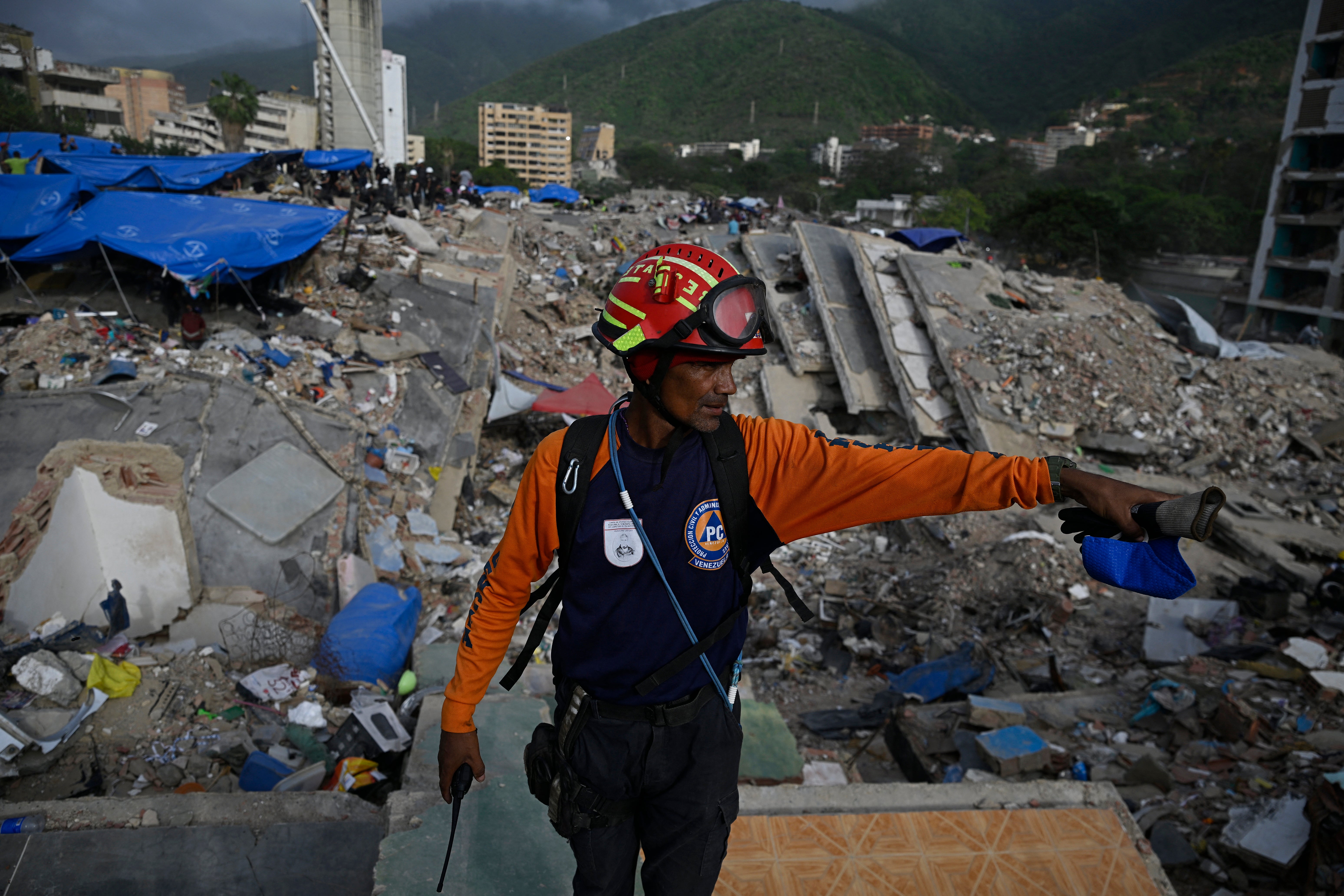
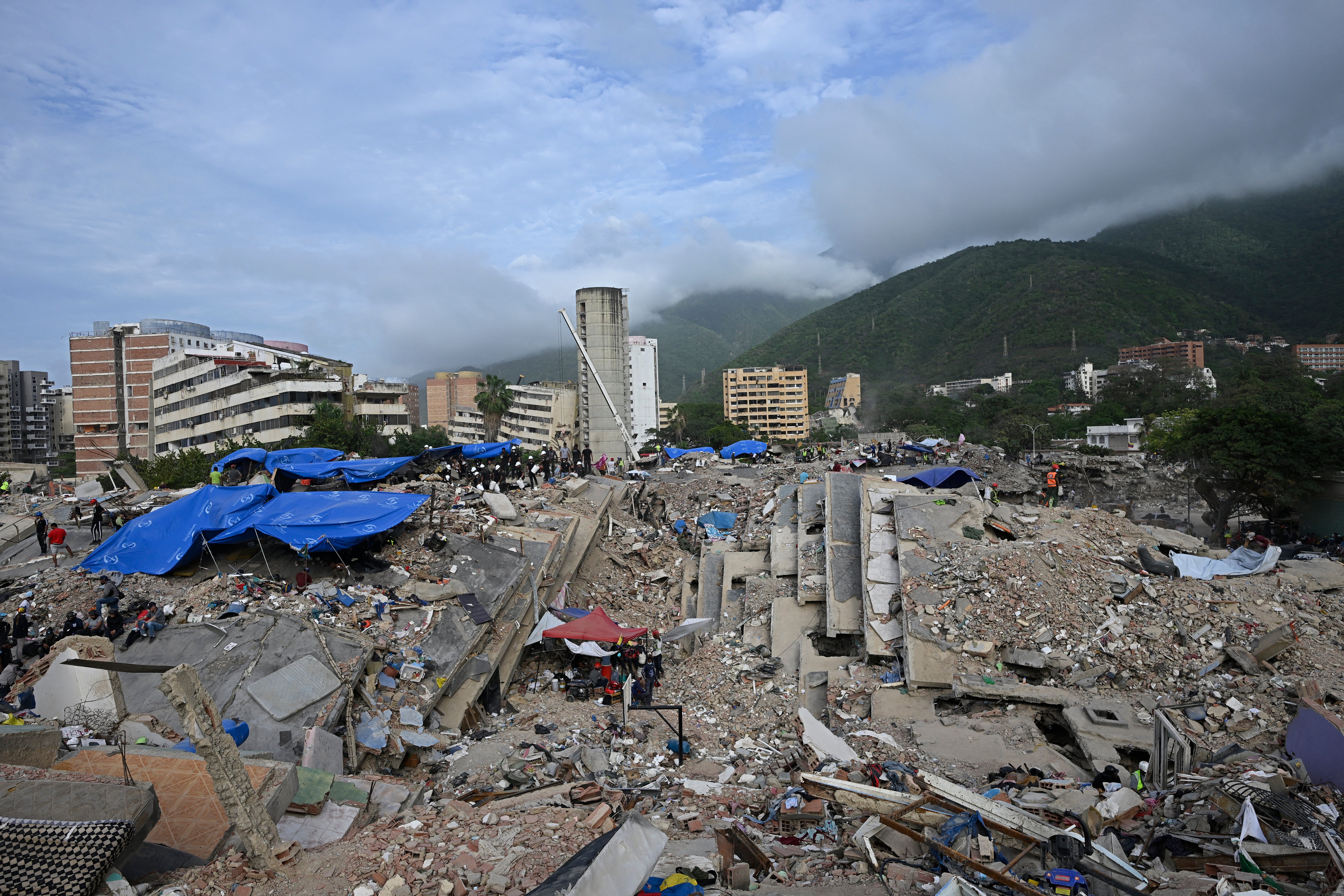
But a month after the worst tremors to hit Venezuela in a century, parts of the city are now a shadow of what they once were after being the heaviest hit by a double earthquake.
Satellite images show widespread destruction, with tower blocks of apartments flattened and hotels destroyed.
Government officials report that the death toll has surpassed 5,300 fatalities and the number of people missing is still in excess of 50,000. More than 16,500 people have been injured.
While the true cost of the devastation is still emerging with every passing week, the World Bank estimates that the disaster has caused around $19.6bn in damage in a statement on Thursday.

At least 47 per cent of the damage hit residential buildings while 27 per cent impacted infrastructure and 26 per cent affected non-residential structures.
“Recovery has been painfully slow and deeply heartbreaking,” Saddam Cedeño, 33, a cruise ship worker tells The Independent.
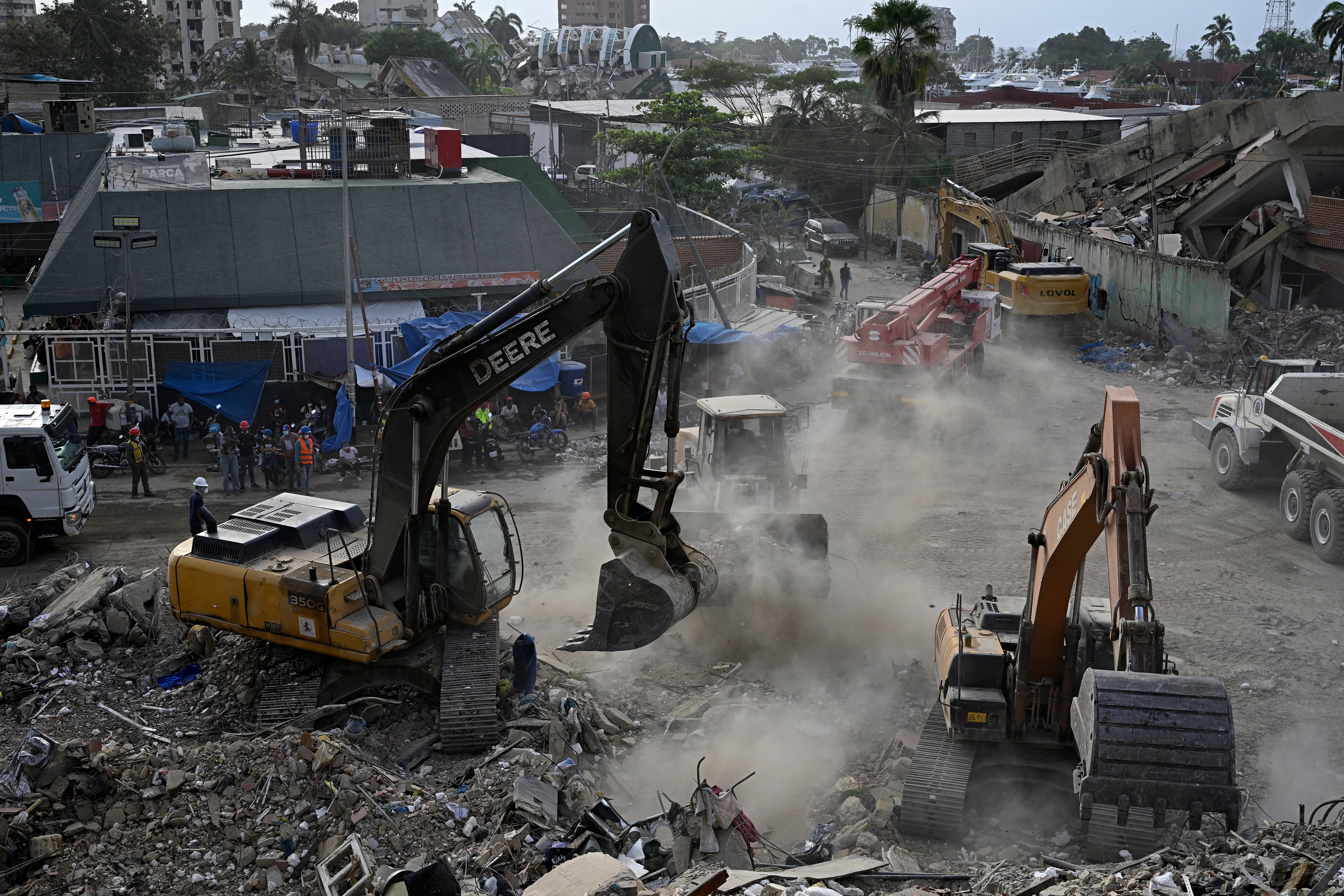
“Even though its been a month since the tragedy, the landscape in the hardest-hit areas is still devastating. Heavy machinery is continuously at work. Recovery hasn’t even begun because the focus is still on clearing collapsed sites and holding on to hope for missing loved ones.”
As the rainy season approaches, the need for shelter and housing is becoming urgent.
“Thousands of us are living in temporary camps, emergency shelters or improvised tents set up right next to what used to be our homes either because there is nowhere else to go or out of fear of leaving behind the few belongings we managed to save,” he says.
Cedeño explains that the search for clean drinking water remains a daily struggle and that relying on the support of others has become “exhausting” for many.
The living conditions are compounded by daily power outages and unstable phone services, making access to humanitarian aid patchy and communications harder.
“Small local businesses saw their livelihood disappear overnight,” he says. “Right now the daily fight is to secure food and supplies.”
Many of the victims are still searching for their loved ones.
Victor Calderón, a 49-year-old fisherman, told the BBC that he had lost 26 members of his family. They include his sisters, their children and grandchildren, stepfather and nine cousins – they were aged from two-years-old to their late 70s.
“It’s a terrible, terrible thing,” he said. “I haven’t cried for them yet, not until I find the last ones who are missing.”
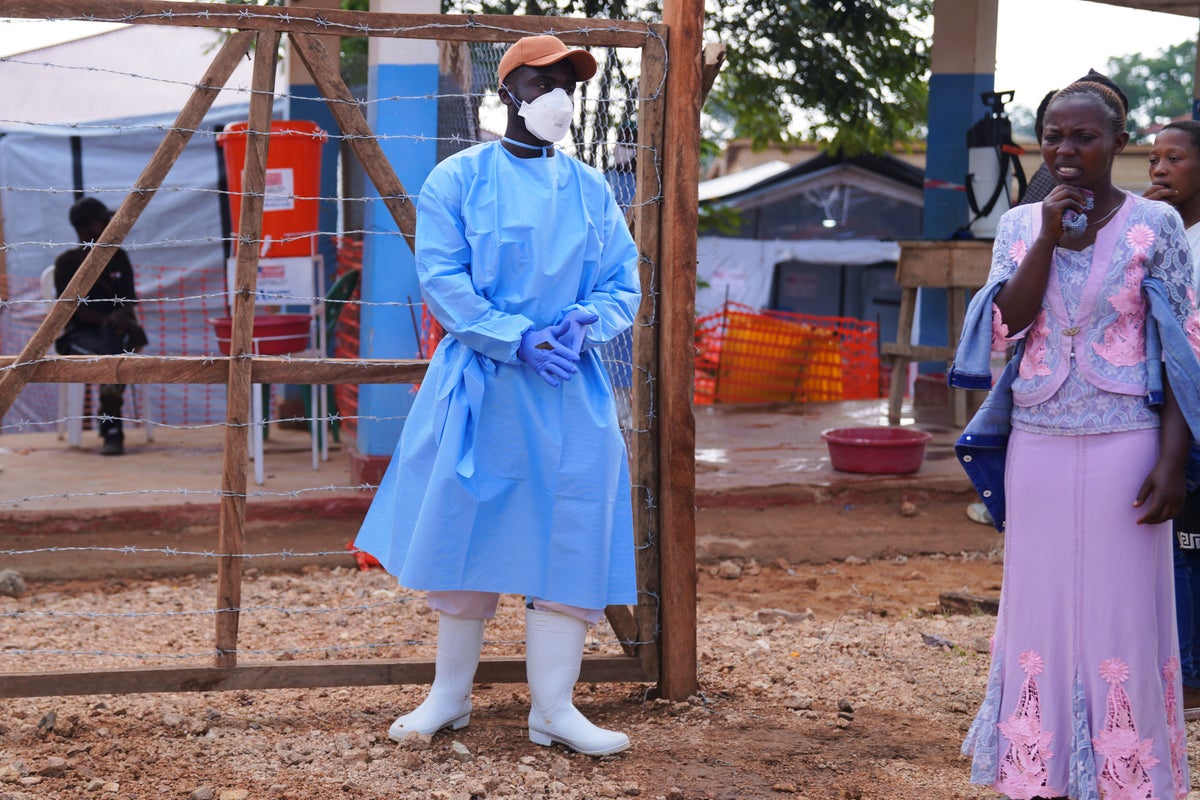
The medical crisis is also dire with hospitals and medical facilities severely restricted.
International Medical Corps deployed an emergency field hospital on 11 July and has provided nearly 1,000 medical consultations to people affected by the disaster.
They have offered care for wounds, treatment for acute and chronic illnesses, maternal and child health services, medication replacement and other critical services.
Three mobile medical units across affected communities have provided nearly 2,000 additional consultations so far, it says.
Another aspect is the mental health impact of the disaster, which has been severe for families still searching for loved ones, living in temporary shelters, still looking for answers and stuck in a limbo between hope and grief.
Medecins Sans Frontieres describes the terror and shock faced by those affected as amounting to a “psychological crisis”.

It says it has provided 113 individual mental health cases, 323 group therapy sessions and 1,402 psycho-education sessions over the last four weeks.
One 29-year-old Venezuelan based in La Guaira told The Independent that his apartment had been destroyed in the earthquake and that most of his university classmates in La Guaira had died.
“I spent many years working to save up the money to buy an apartment and buy one. Now it is just debris,” he said. “There are so many problems.
“People are worried about missing loved ones. They don’t have anywhere to live. There are many destroyed buildings, and the buildings that didn’t fall are tilted.”
With local infrastructure severely compromised, aid teams are implementing water, sanitation, and hygiene (WASH) intervention, says MSF.

International Medical Corps says it has delivered over 30,000 litres of safe water to date, which has reached around 2,400 people. Other emergency medical teams in the country are assessing sanitation and hygiene.
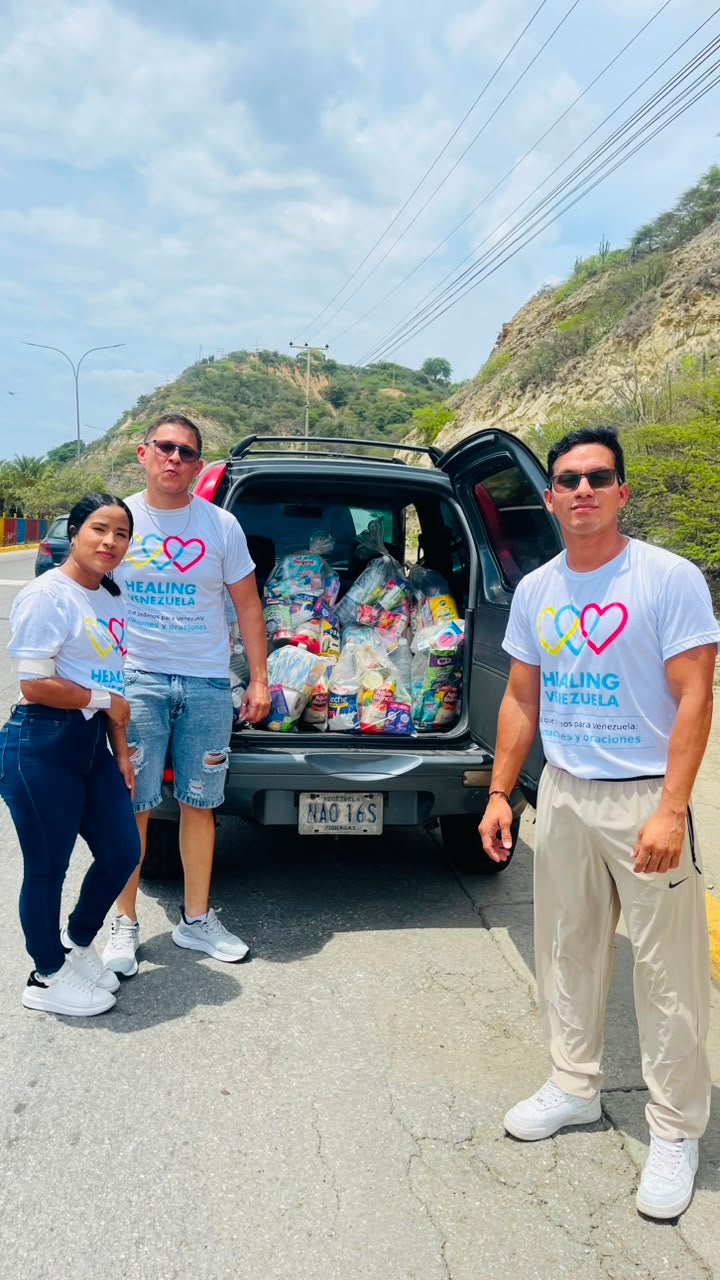
“On the one hand the period of solidarity is remarkable,” continues Cedeño. “Local volunteers are coordinating and humanitarian groups are providing essential psychological and medical support.” He cites Healing Venezuela foundation as a key organisation helping people on the ground.
“On the other hand, there is uncertainty about the future and about rebuilding houses and infrastructure. We know it will take a long time.
“Right now we are taking it one day at a time, trying to stay strong for our families. We are grateful to organisations and to God for the fact we have survived and got another opportunity to live this life.”