



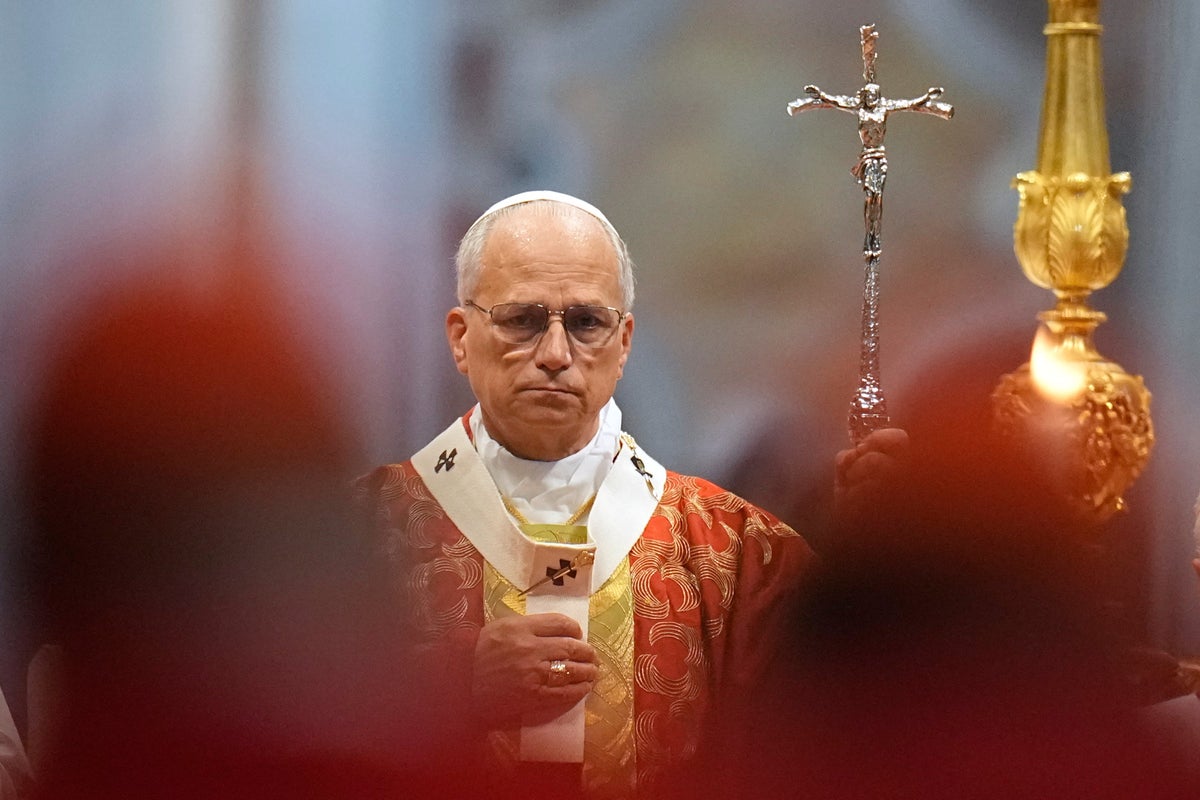
A traditionalist Catholic faction is poised to directly challenge Pope Leo XIV, risking schism and automatic excommunication, as it prepares to consecrate four bishops without papal consent. The Society of St. Pius X (SSPX) has scheduled a major ceremony for Wednesday at its seminary in Econe, Switzerland, nestled in a mountain valley in the country’s southwest.
This defiant move comes despite a last-ditch appeal from Pope Leo XIV, who warned that consecrating bishops without his approval constitutes a “sin of extreme gravity” that would ultimately harm their followers. The event is expected to attract thousands who favour the ancient Latin Mass over the modern liturgies prevalent in most Catholic churches.
Under church law, the act of consecrating a bishop without a papal mandate carries the gravest penalty: automatic excommunication for both the four new bishops and the bishop performing the rite. It is also considered a schismatic act, signifying an intentional rupture from the unity of the Catholic Church.
Yet, despite these severe warnings, Wednesday’s ceremony is being framed as a joyous occasion. The SSPX website has featured a countdown clock, with video clips showing seminarians enthusiastically preparing. Registered participants can even purchase a 75 Swiss franc (£65) “Cuvee des Sacres” souvenir wine set, featuring bottles adorned with bishop-themed labels, and receive an “Econe2026” baseball cap.
For the SSPX, neither the threat of a declared schism nor excommunication appears to be a deterrent. The society maintains that it alone is upholding true church tradition and the Catholic faith.
“We don’t fear it. It pains us immensely, but we believe that the good we seek is greater than the pain that will be inflicted upon us,” said Marc-André Mabillard, media manager for the society.
In a late response to Leo’s letter, the SSPX superior, the Rev. Davide Pagliarani, urged Leo to wait before declaring any penalty.
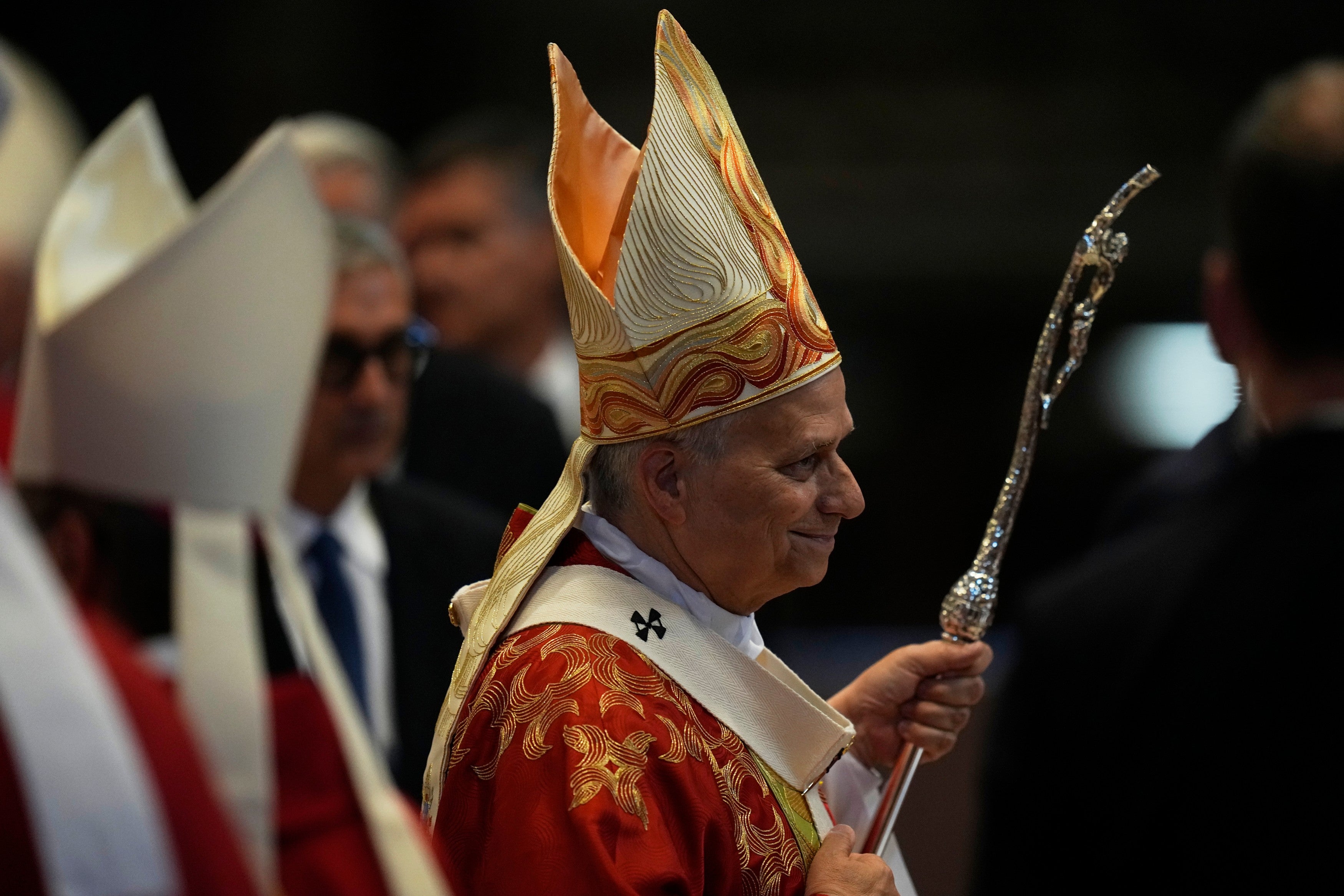
The ceremony is taking place 38 years to the day after the Vatican declared the last consecrations of SSPX bishops a “schismatic act” that incurred automatic excommunication for the bishops.
The French Archbishop Marcel Lefebvre had founded the ultra-traditionalist SSPX in opposition to the modernizing reforms of the Second Vatican Council. Among other things, the 1960s church meetings revolutionized the Catholic Church’s relations with other Christians, Jews and people of other faiths, and allowed Mass to be celebrated in the vernacular rather than Latin.
Today, the SSPX celebrates the ancient Latin Mass and has accused the modern church of being rife with heresies and errors, including modernism, liberalism and ecumenism. The society insists that only the SSPX is upholding the true faith of Christ and has justified the consecrations, citing a “state of necessity” to minister to its faithful.
But many Catholics, including conservative and traditional ones, are opposed to the consecrations, viewing them as an act of severe disobedience to the pope that hurts the church.
“You can’t serve tradition while disobeying the church and her authority,” said the Rev. Robert Gahl, an ethics expert at the Catholic University of America.
The St. John Paul II biographer George Weigel has written that the SSPX-Vatican divide is about far more than just whether Mass is celebrated in Latin or English.
It’s about “a rejection of the Second Vatican Council’s teaching on the church, salvation, religious freedom, church–state relations, and the church’s relationship to other religions,” Weigel wrote recently in First Things magazine.
Weigel recalled that Lefebvre was a supporter of the “collaborationist” Vichy regime in France during World War II. One of its original SSPX bishops denied the Holocaust.
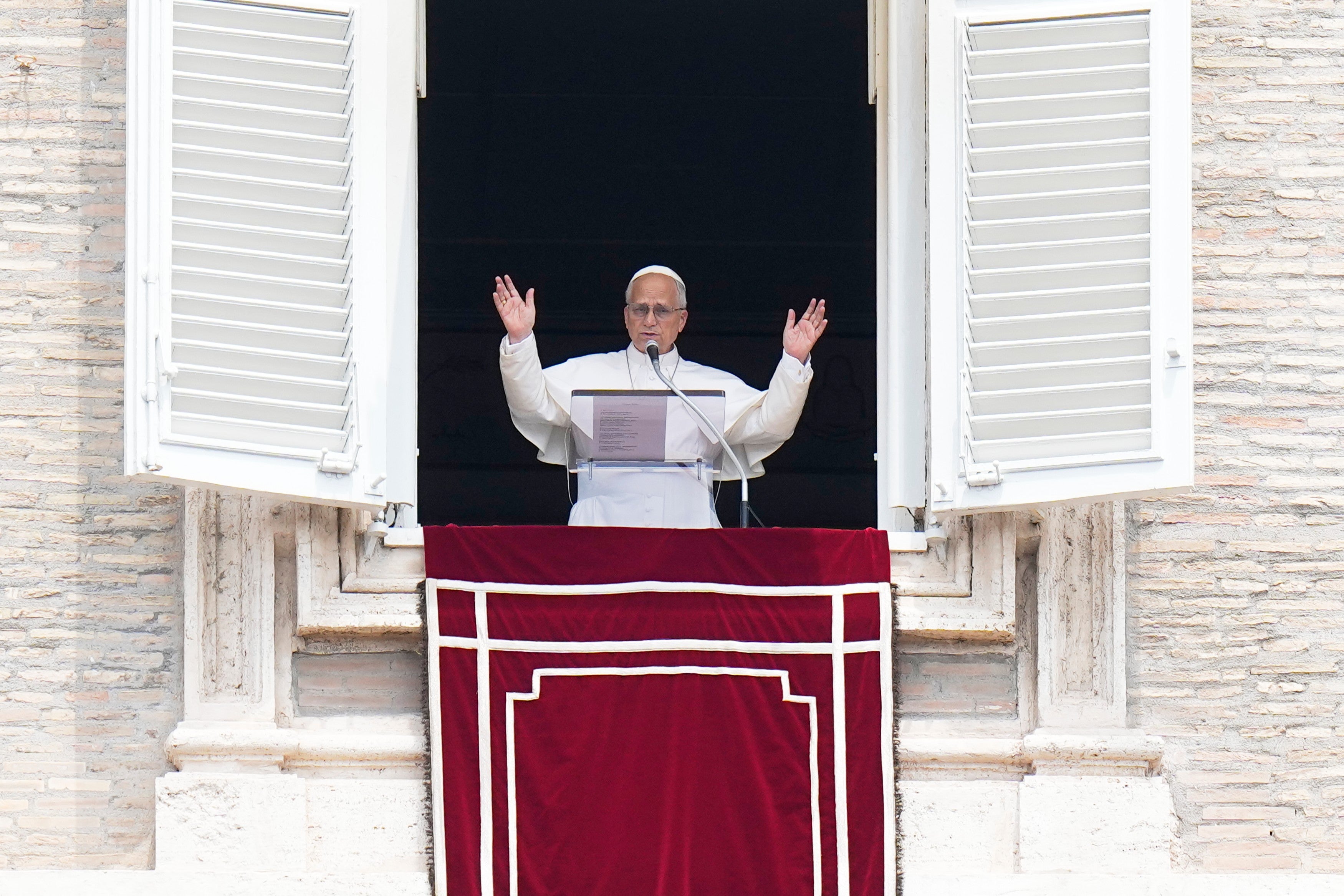
The SSPX has justified the consecrations by invoking a “state of necessity.” The group says that with only two of the original four bishops surviving, it simply needs more bishops to tend to the needs of a faith community that counts 800 places of worship in 77 countries.
The group denies that the consecration is a rejection of Leo’s authority or a challenge to his power. Rather, it says the creation of four new bishops is solely to be able to ordain new priests and preside over confirmation ceremonies according to the ancient rite.
The SSPX has identified the new bishops as Pascal Schreiber of Switzerland, Michael Goldade of the United States, Michel Poinsinet de Sivry of France and Marc Hanappier, also of France.
In response to the pope’s letter, Mabillard, media manager for the society, expressed “great sadness to not be understood by our leader,” and added: “We are changing absolutely nothing in our plans.”