The Trump administration has finalized a sweeping multi-state settlement with chemical giant Chemours Co. over alleged years of illegal discharges of synthetic “forever chemicals” known as PFAS, marking the first time the federal government has resolved enforcement claims against a major PFAS manufacturer.
The agreement, obtained by The Associated Press ahead of the official announcement, requires Chemours to pay a $22.5 million civil penalty and spend an estimated $90 million over 15 years to reduce PFAS contamination in West Virginia, North Carolina and New Jersey. The Justice Department estimates the total value of the penalties and cleanup efforts at roughly $450 million.
PFAS, short for per- and polyfluoroalkyl substances, are a group of chemicals widely used to make products resistant to water, grease and stains. They have become a major environmental concern because they can persist for years and have been linked in studies to potential health risks, including certain cancers and other serious conditions.

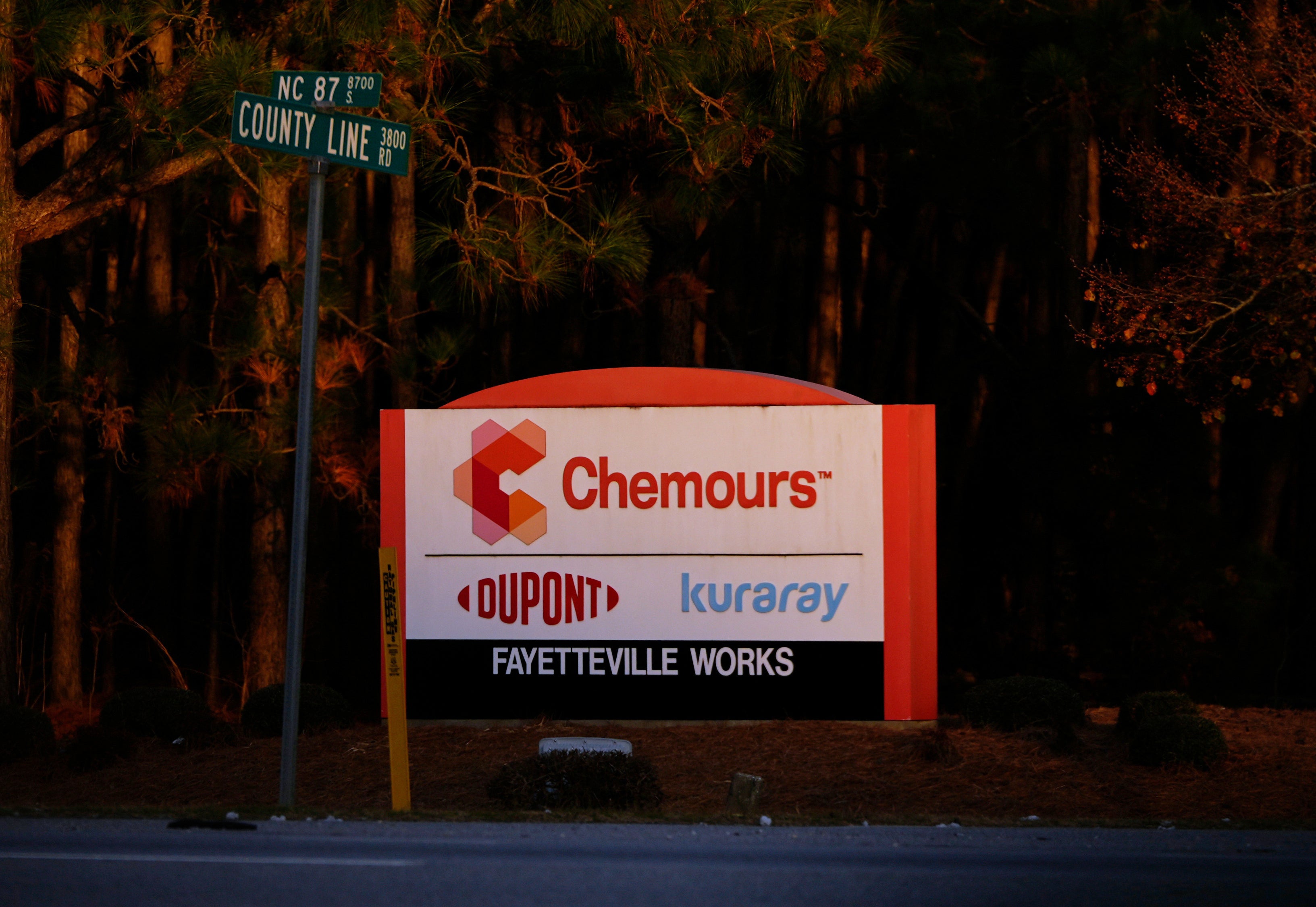
Under the settlement, Chemours will install pollution-control systems at its West Virginia facility, reduce PFAS releases from its North Carolina operations and provide clean drinking water protections for communities near its sites in West Virginia and New Jersey.
The company, a former DuPont subsidiary, will also be required to implement 14 treatment systems designed to reduce PFAS in wastewater, stormwater and groundwater near the West Virginia plant. Officials said Chemours must test drinking water around its facilities and provide treated or alternative water supplies where contamination is found.
Adam Gustafson, principal deputy assistant attorney general for the Justice Department’s Environment and Natural Resources Division, said the agreement balances environmental protections with the company’s role in producing PFAS-related products used for commercial and military purposes.

“The settlement protects public health while preserving that important balance,” Gustafson said.
Jeffrey Hall, assistant EPA administrator for enforcement and compliance assurance, said the deal reflects the administration’s goal of holding companies accountable for pollution.
“This settlement delivers on the Trump administration’s promise to make polluters pay and stop PFAS contamination at the source,” Hall said.
The settlement stems from allegations that Chemours facilities released PFAS into the Ohio River in West Virginia, the Cape Fear River in North Carolina and the Delaware River in New Jersey. The government said the company violated permits under the Clean Water Act, state regulations and federal chemical safety requirements.

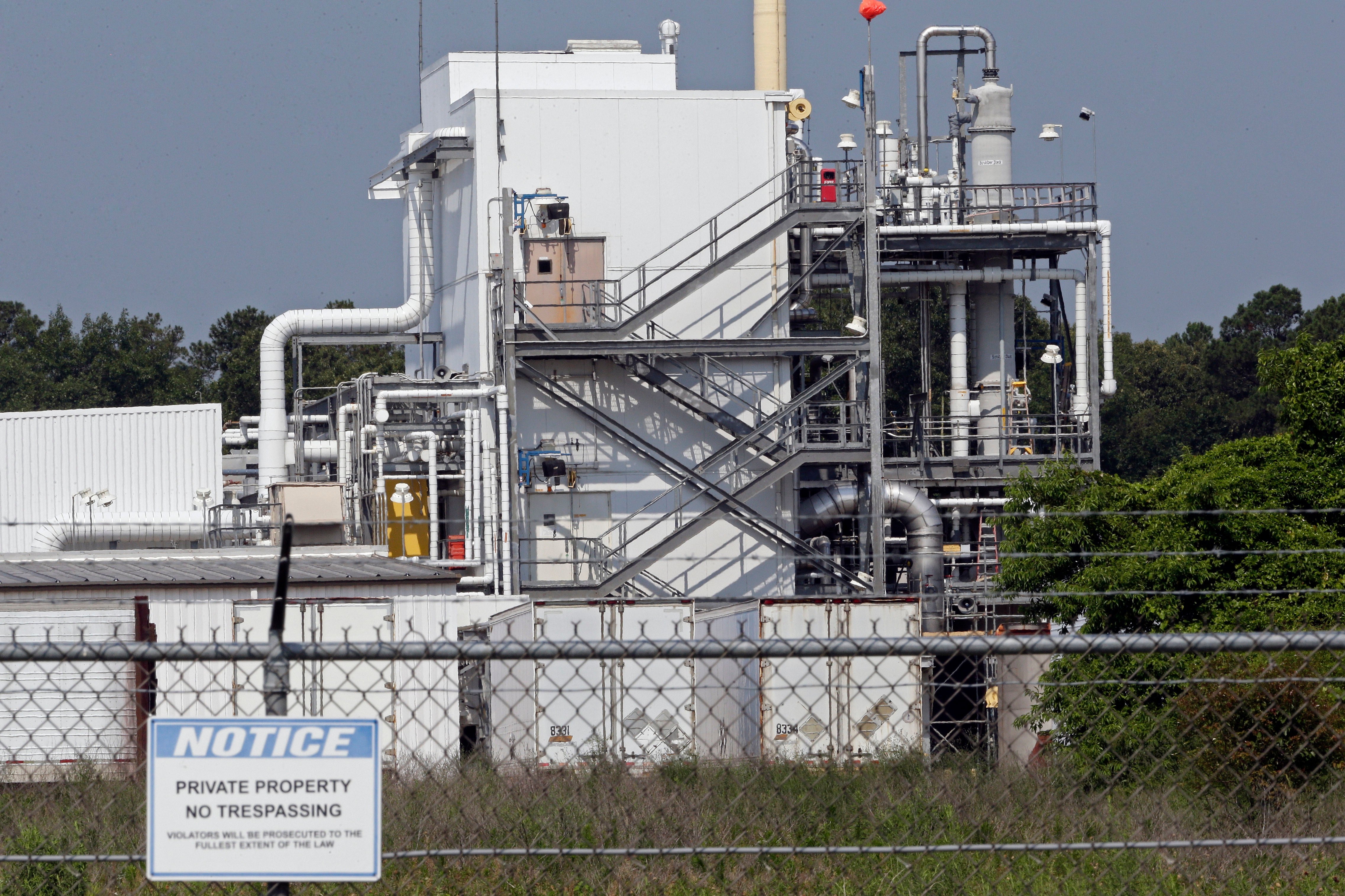
The Justice Department said the alleged violations continued for more than a decade and exposed nearby communities to PFAS contamination. The settlement, however, does not resolve potential liability for DuPont over historical PFAS violations connected to the facilities.
The agreement arrives as the Trump administration weighs changes to Biden-era PFAS drinking water regulations. The Environmental Protection Agency is expected to propose revisions to some limits while maintaining restrictions on two of the most common PFAS compounds. The Biden administration finalized the first federal drinking water limits for PFAS after citing research linking exposure to increased health risks.
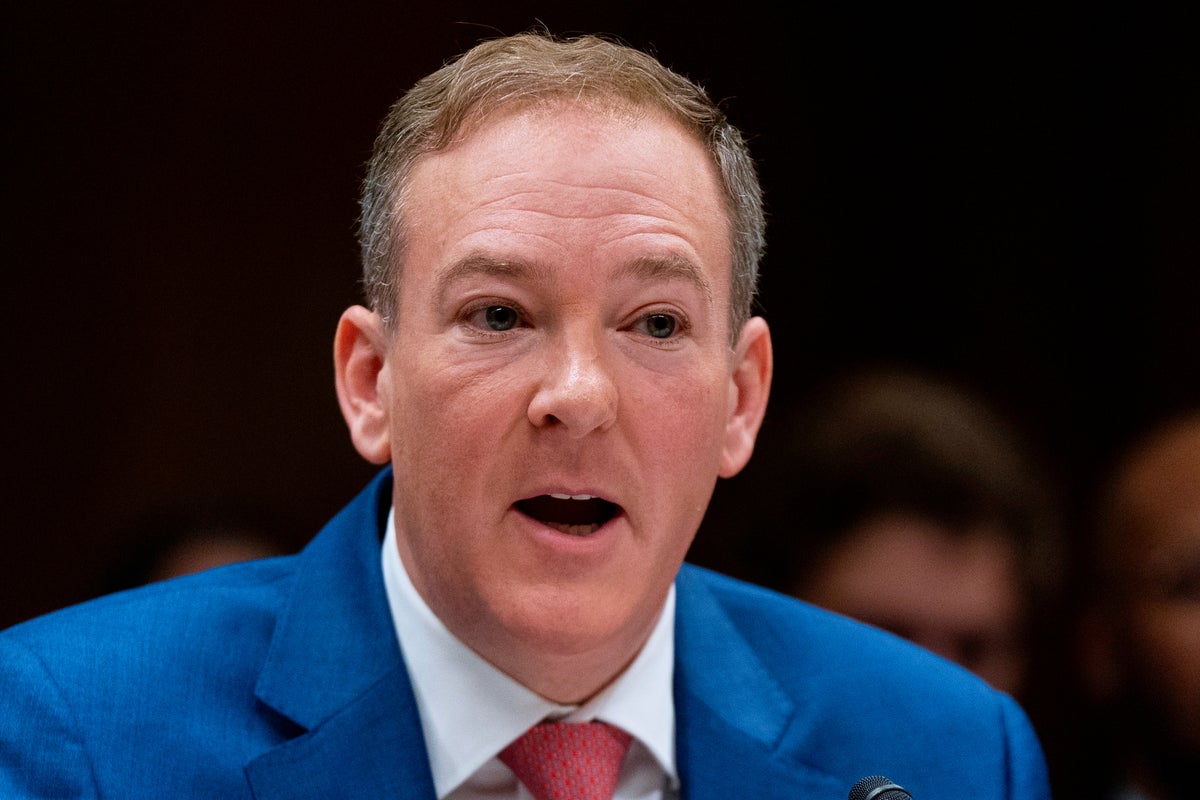
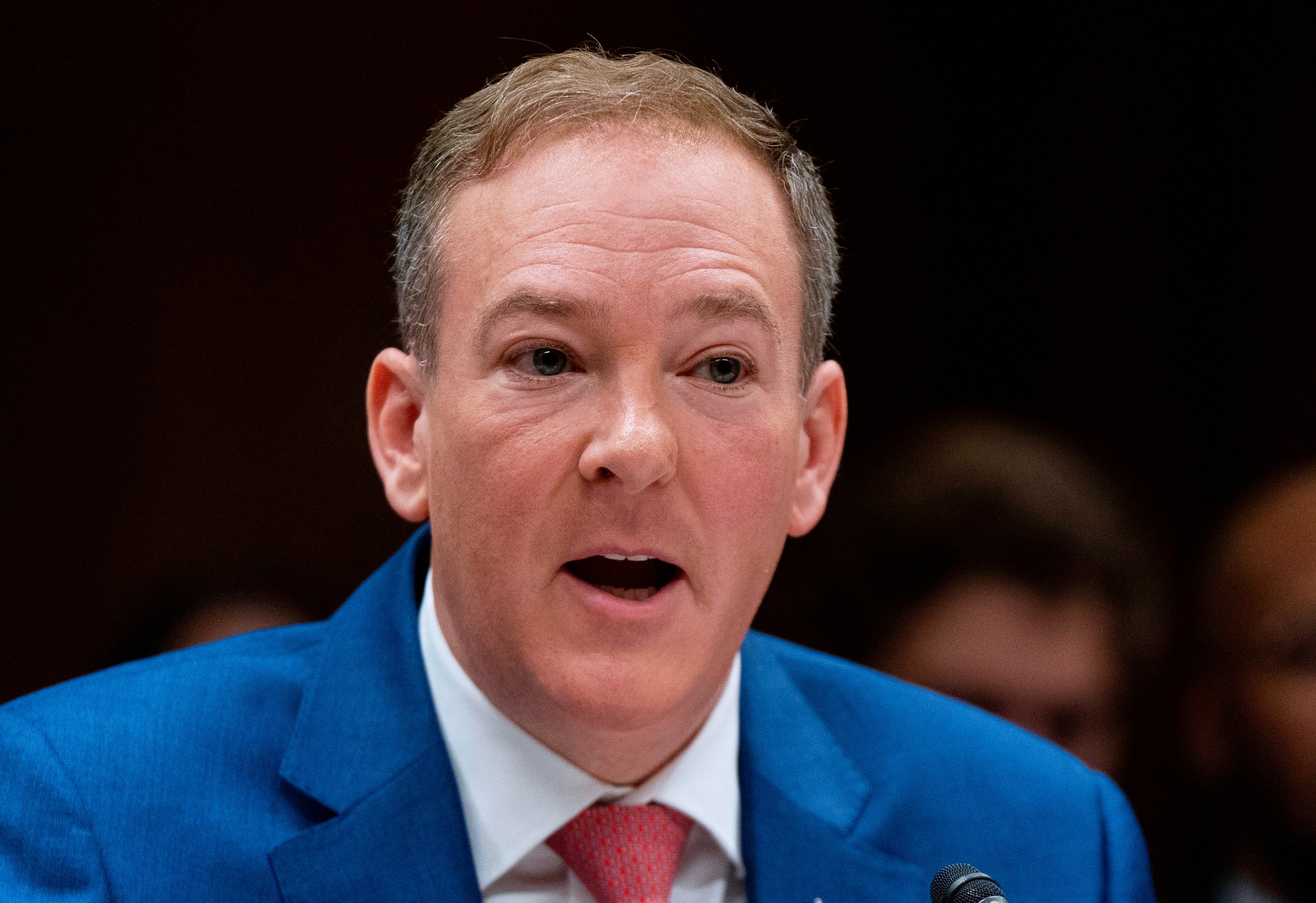
EPA Administrator Lee Zeldin said the agency remains committed to addressing PFAS contamination while ensuring regulations are achievable for water systems.
Chemours has faced mounting legal pressure over PFAS contamination in recent years. A federal judge previously ordered the company to stop unlawful chemical discharges from its West Virginia facility, citing risks to the environment, wildlife and public health. The company, along with DuPont and Corteva, also reached a separate settlement with New Jersey last year worth up to $2 billion over PFAS-related claims.
The new federal agreement represents a major test of the administration’s approach to environmental enforcement, combining cleanup demands with continued support for PFAS production tied to industrial and defense needs.