The Pentagon is reportedly considering diverting crucial weaponry initially earmarked for Ukraine towards the Middle East.
It comes as the escalating Iran conflict places significant strain on the United States military’s critical munition supplies.
The potential redirection of weapons, including air defense interceptor missiles, was reported by the Washington Post, which cited three informed sources.
The missiles were acquired through a Nato initiative launched in 2025, designed for partner nations to purchase U.S. arms for Kyiv.
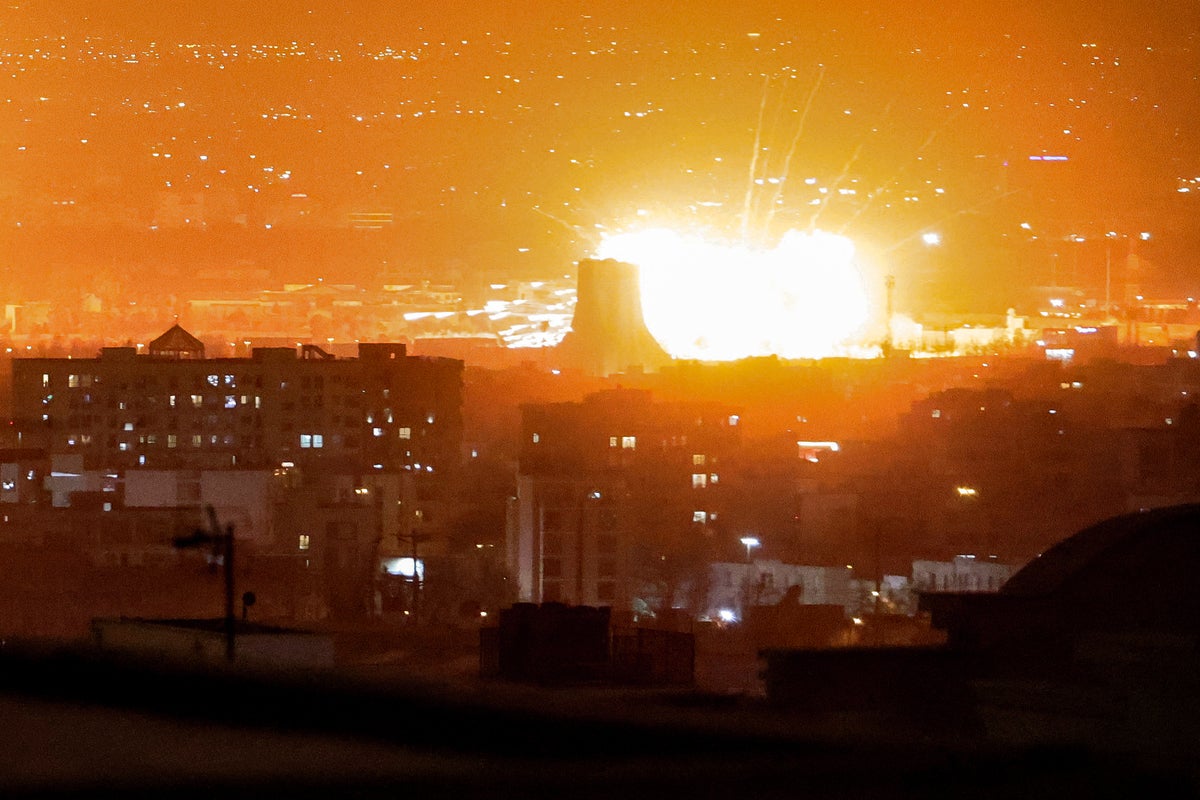
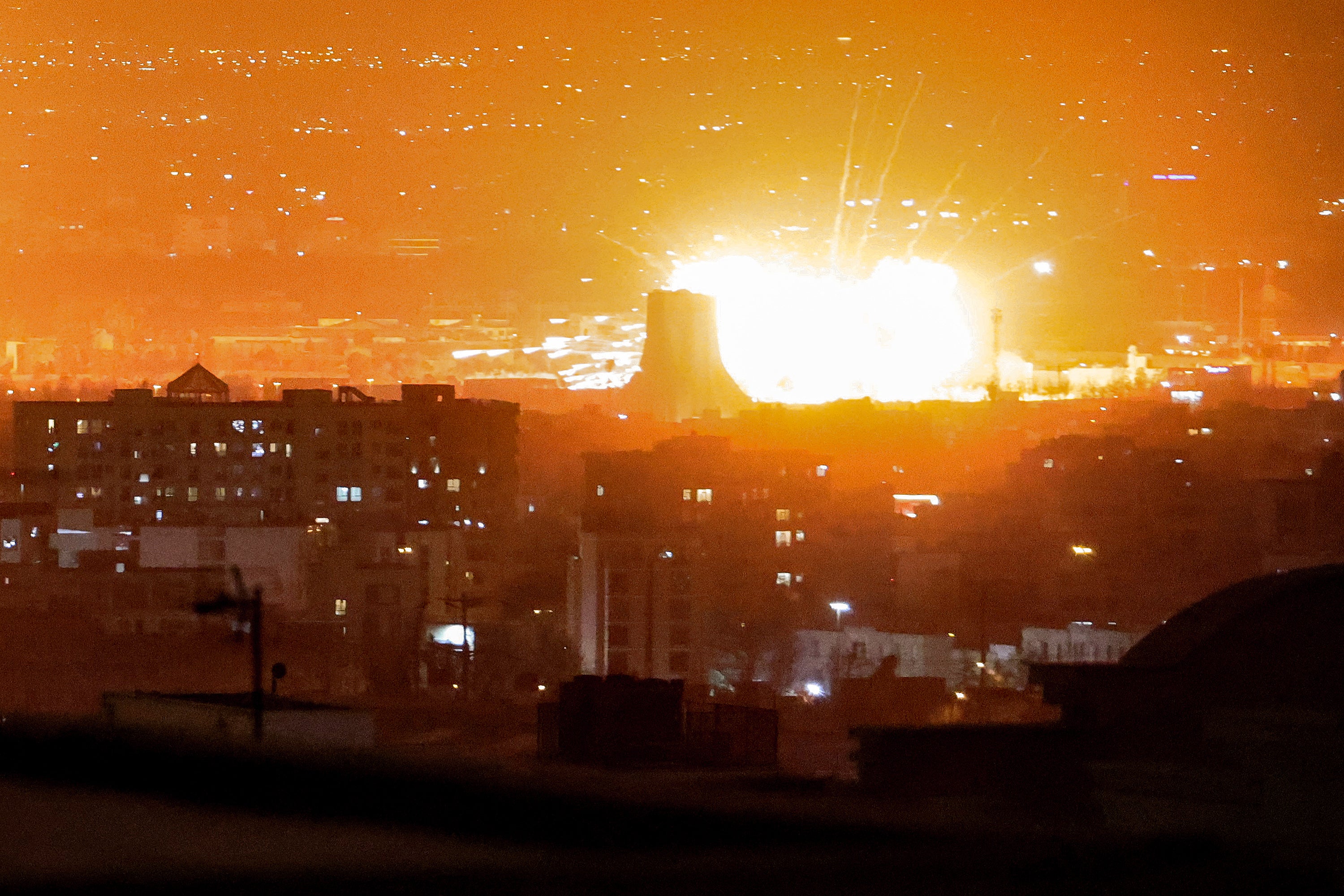
The potential move coincides with a marked intensification of U.S. military operations across the Middle East.
Admiral Brad Cooper, the head of U.S. Central Command, said on Wednesday that American forces had struck over 10,000 targets inside Iran and were on course to curtail Tehran’s capacity to project power beyond its borders.

A Pentagon spokesperson told the Washington Post that the Defense Department would “ensure that U.S. forces and those of our allies and partners have what they need to fight and win.”
Neither the Pentagon, the U.S. State Department, nor Nato immediately responded to further requests for comment.
Last week, U.S. defense officials told the Associated Press that a sizable number of U.S. Patriot air defense missiles had been moved from Europe toward the Middle East.
Two Patriot missile systems were sent from Germany to Turkey after several ballistic missiles were fired toward Turkey from Iran since the start of the war, the Turkish defense ministry and three U.S. officials said.
The U.S. officials said missiles for the Patriot system were moved from various locations around Europe in an effort to reinforce air defenses towards the Middle East.
The officials spoke on condition of anonymity to discuss sensitive military matters.
They said that the diversion of resources towards the war on Iran had left concerning gaps in Europe’s air defenses against Russia.
Meanwhile, Russia is close to completing a phased shipment of drones, medicine and food to Iran to bolster its war effort, according to a report.
Senior Iranian and Russian officials began secretly discussing the delivery of drones days after Israel and the U.S. launched their first attack on Tehran in February, two officials briefed on the intelligence told the Financial Times.
Moscow began its deliveries in early March, and they were expected to be completed by the end of the month, western intelligence said.