




The conflict in the Middle East is entering its fourth month with negotiators yet to make a breakthrough, which would pave the way for an enduring peace.
Both sides have been back and forth with revisions of draft agreements to restore shipping through the Strait of Hormuz and lift the dual blockades, allowing for more comprehensive talks on the central nuclear issue.
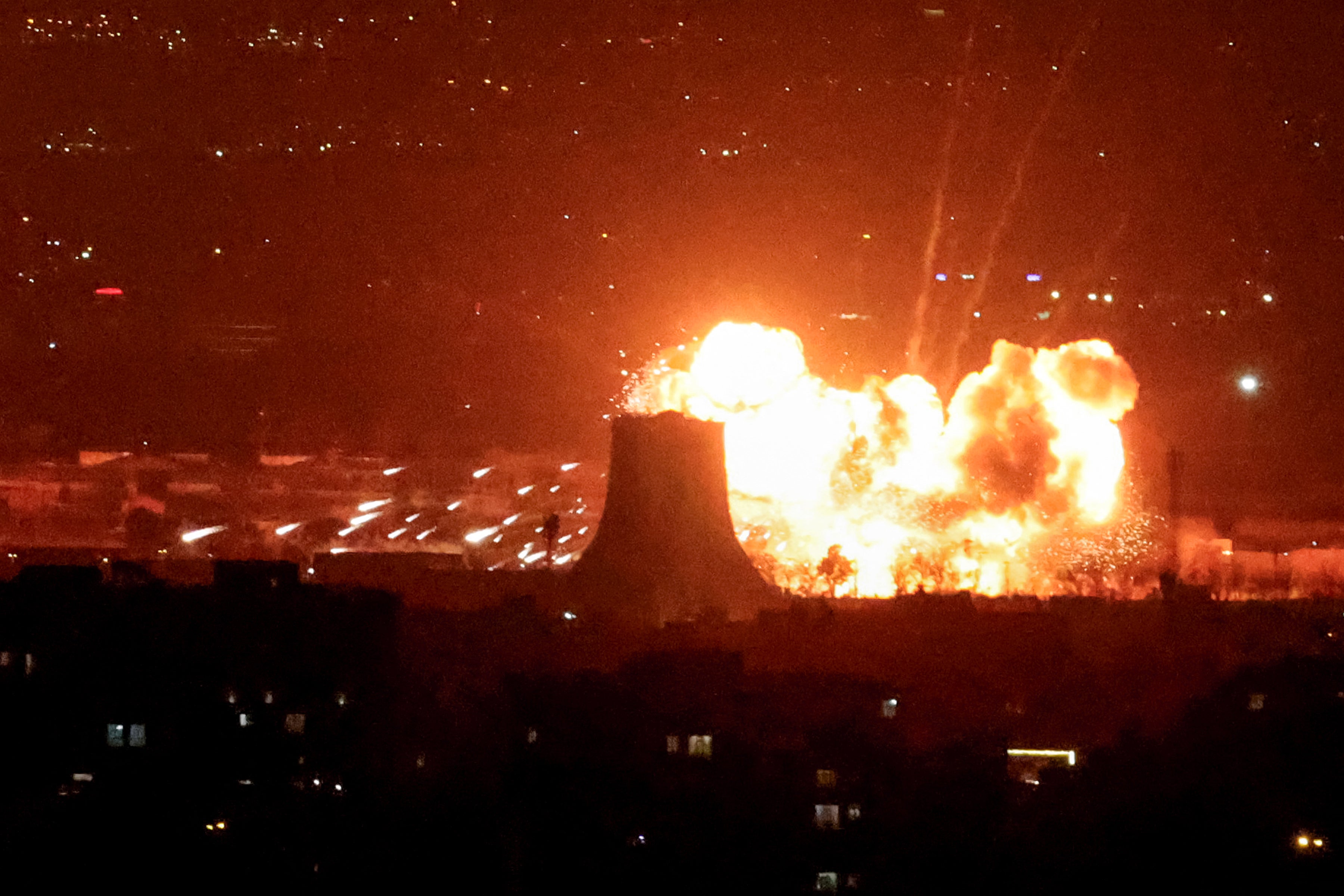
But the effects of three months of conflict have been seismic, with an estimated 7,000 people killed in the region, major disruption to the global economy and more than a million people displaced from their homes – without delivering on any of Donald Trump’s stated objectives.

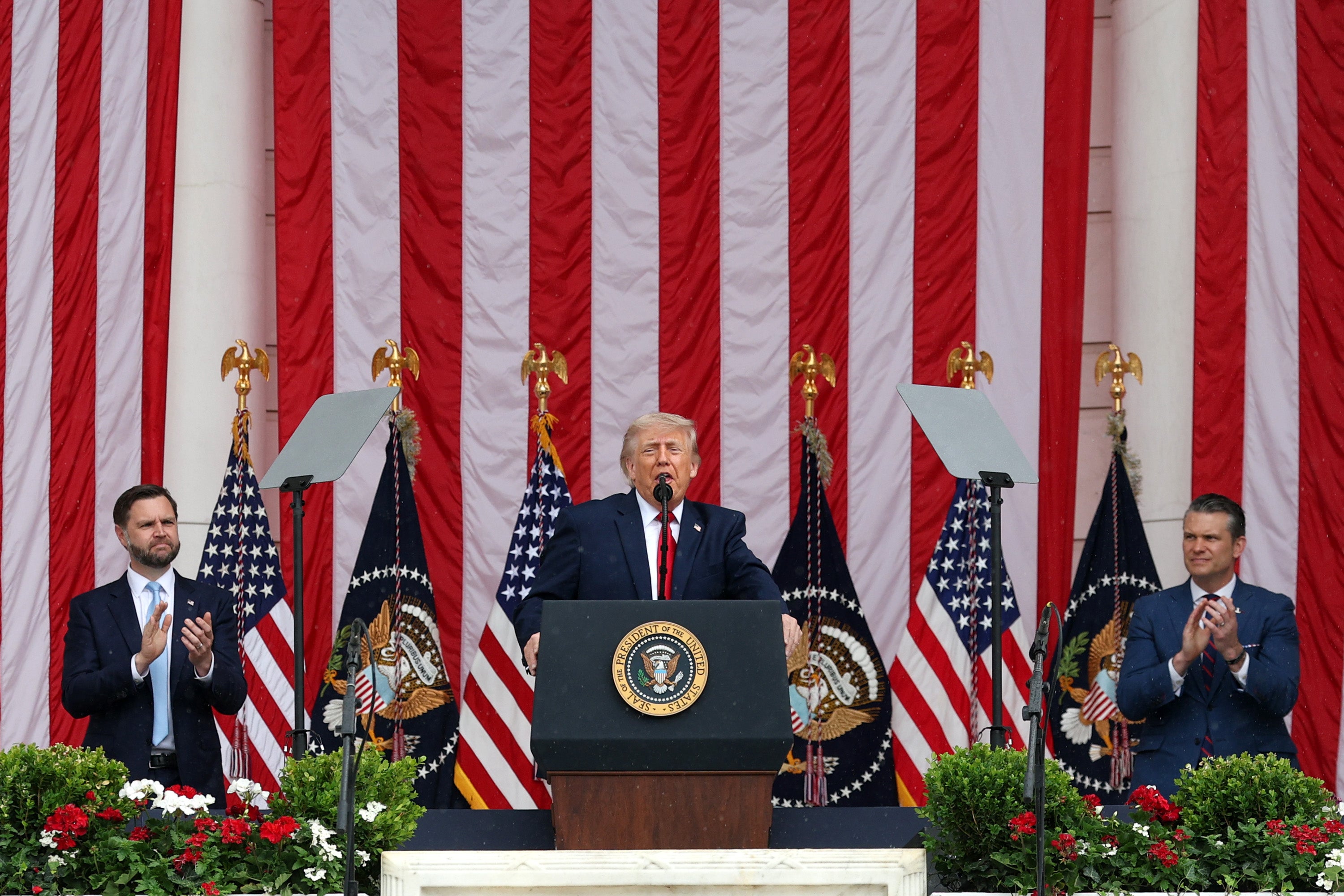
And while the Pentagon has priced the conflict at around $29bn, but analysts say the true cost could swell to $1 trillion once hidden costs are tallied.
The financial cost of war
Jules Hurst III, the chief financial official for the Pentagon, said on 12 May that the US war on Iran has cost around $29bn so far, an increase of $4bn from the end of April due to repair and replacement costs, as well as the “general operational costs to keep people in theatre”.
The Pentagon has been reluctant to share a detailed breakdown of costs, but the latest figures yield a mean average spend of $386.67m per day – quite a departure from the $2bn a day the Pentagon was said to be spending in March, according to Republican lawmakers.
Professor Linda Bilmes, senior lecturer in public policy at Harvard Kennedy School, told The Independent that the reported upfront costs are just the “tip of the iceberg”.

“When the Pentagon talked about their figures of $29bn, they systematically underestimate the cost because they are basing this on the historical cost of inventory of munitions. But the actual replacement costs are much higher.”
A Tomahawk missile may be valued at around $2m each in inventory, she said, but replacement today would cost between $3m and $3.5m. Patriot missiles are priced at $1m to $2m, but the newer models cost $4m to $5m.
Late last month, and after the ceasefire took effect, the Center for Strategic and International Studies assessed that the United States had used upwards of 1,000 Tomahawks and between 1,060-1,430 Patriots since 28 February.
Professor Bilmes said the $29bn figure could be double or “probably three times as much” with accrual accounting.
But behind that figure, the United States will still have to make repairs to damaged military sites and facilities, like embassies, spread across the region, she added, giving a ballpark figure of an additional $300bn.
Longer term, the US will also have to contend with veteran benefits, disability claims and the interest of financing the war through debt. A bolstered Pentagon budget and the cost of huge new military contracts on an expedited delivery schedule will add billions more to the longer-term costs of the war.
“When you put together the replacement costs … the obligations we have for rebuilding … and the long-term cost of caring for veterans, benefits, the paying debt service on all the borrowing and the increases to the base that come as a consequence of this war, you very quickly reach a trillion dollar figure,” Professor Bilmes said. “When I look at it, there’s no way it can end up costing less than that.”
The human cost of war
At least 7,053 people have been killed since 28 February, according to an aggregate of local tallies.
The war in Iran has been held to a tenuous ceasefire agreement since 8 April. Both sides have accused each other of violating the truce, but reports of strikes across the region have fallen massively since the height of the conflict in March.
A parallel ceasefire between Israel and Hezbollah in Lebanon emerged on 17 April, but both sides have continued attacks, also accusing each other of breaking the terms of the agreement.
The US-based rights group Human Rights Activists in Iran (HRA) has documented at least 3,636 fatalities, including 1,701 civilians, 1,221 military personnel, and 714 people whose identity or status could not be confirmed, between 28 February and 8 April. It said the figures should be taken as minimum estimates.

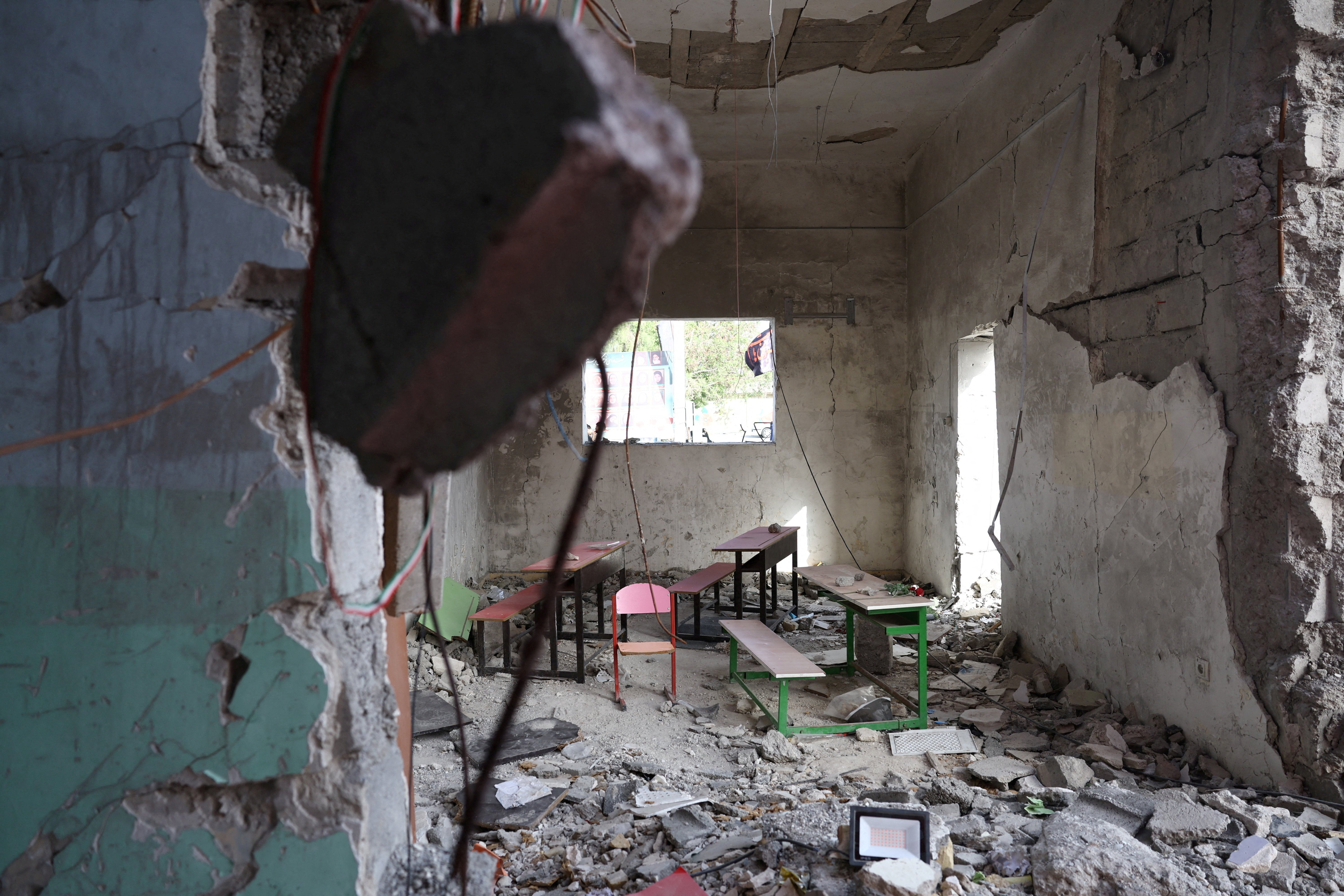
Gabriel Karlsson, the British Red Cross’s Middle East country cluster manager, said the Iranian Red Crescent Society has rescued more than 7,300 people and are providing medical care to tens of thousands more.
“The psychological impact is also deepening, with demand for psychological support services rising by over 200% since the escalation, underlining how this crisis is affecting not only physical safety, but long-term wellbeing,” he added.
The Lebanese health ministry reported on Tuesday that 3,213 people have been killed there since 2 March, when Israel and Hezbollah reopened hostilities. They said 9,737 people have been wounded.
By the end of March, more than a million people had been displaced across Lebanon, Mr Karlsson said. With clashes ongoing, people continue to be driven from their homes, with the Lebanese Red Cross supporting “tens of thousands” of patients.
Thirteen US military service personnel have also been killed, with more than 300 injured, according to US Central Command. Six were confirmed dead after a US military refuelling plane crashed over Iraq, while seven others were killed in action during operations against Iran.

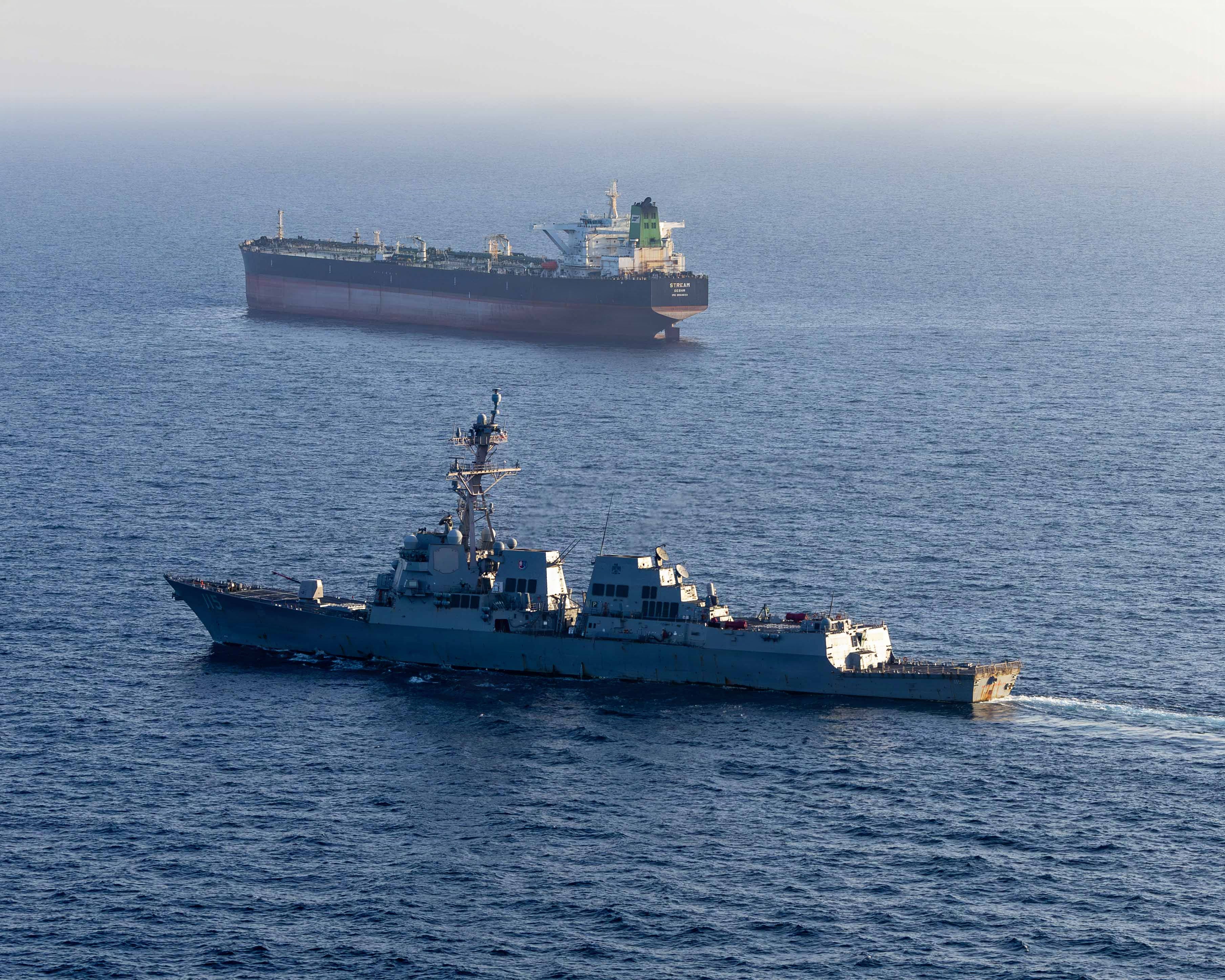
Missiles launched from Iran and Lebanon have killed 23 people in Israel, the ambulance service reported last month.
The conflict has resulted in further deaths across the broader Middle East, including 118 people killed in Iraq, 12 killed in the UAE, and seven killed in a helicopter crash in Qatar’s territorial waters, according to respective local authorities.
The UN estimates that four million people across the region could be pushed into poverty as a result of unemployment spiking at four per cent. Around the world, a further 30 million people could be pushed into poverty as the war causes disruptions to fuel and fertiliser supplies vital to agriculture.

