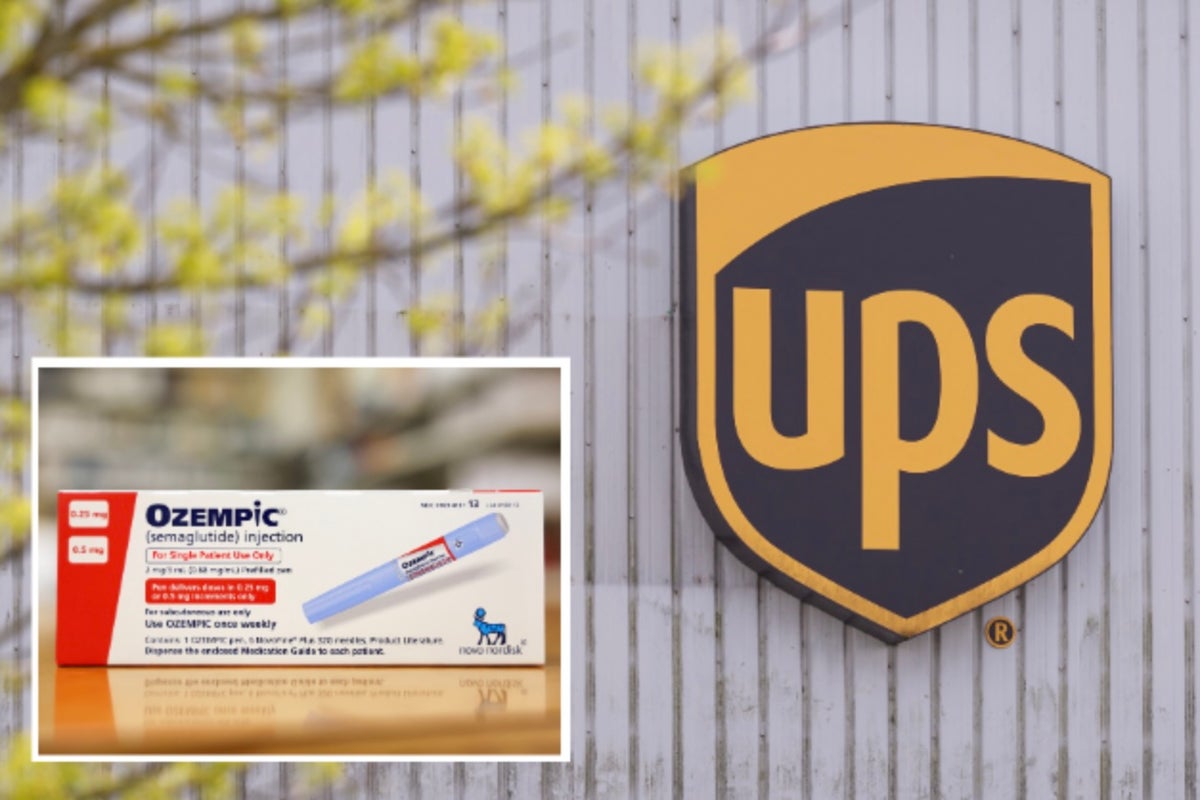
UPS has announced plans to invest $48 million in temperature-controlled facilities to keep up with the growing demand for weight-loss drugs.
One in eight adults in the U.S. has said they are taking a GLP-1 drug for weight loss or to treat a chronic condition.
UPS wants to stay ahead of orders for weight-loss drugs and other medications by investing in 27 facilities that can keep GLP-1 drugs at their required temperatures.
“These sites are designed to move sensitive healthcare shipments quickly between air and ground while maintaining strict temperature ranges, helping reduce risk and ensure medicines like biologics, vaccines and other treatments arrive safely and ready for patient use,” UPS spokesperson Michelle Polk told The Independent.
“Think GLP-1 boom or highly targeted cancer treatments that must remain within a precise [temperature] zone,” Polk said. “If they go out of the zone, they can’t be used…slowing down treatment plans.”

The temperature-controlled facilities, which were first reported on by CNBC, will be located in the Americas, Europe and Asia.
A poll released by health policy organization KFF last November found that about 12 percent of Americans said they are currently taking a GLP-1 drug like Ozempic and Wegovy. And about 18 percent of respondents said they have taken the medication at some point.
UPS isn’t the only company that is responding to the surge in demand for weight-loss drugs.
When the plus-size men’s clothing chain Destination XL saw sales fall by about 6 percent in the fourth quarter of last fiscal year, the company partly blamed GLP-1 drugs.
“We didn’t think it was going to be impacting the business as much at the level we think today it is,” DXL CEO Harvey Kanter said in a call with analysts in March.
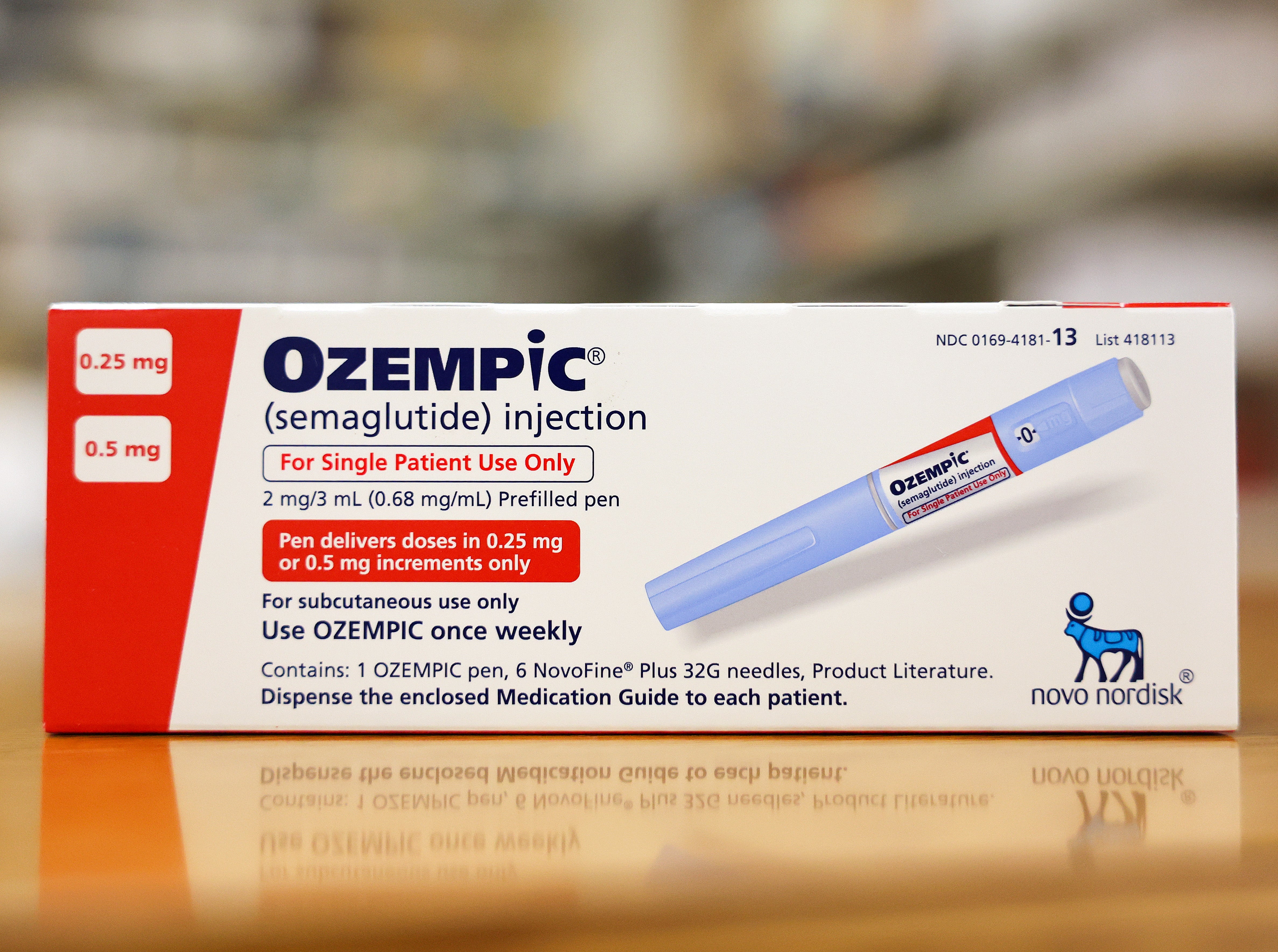
Fast food companies are also adapting to the changing appetites of their customers using GLP-1 drugs
“While fast food is not going away—convenience and affordability remain deeply embedded in U.S. culture—the landscape is shifting toward more intentional, health-aligned offerings,” dietician and diabetes educator Whitney Stuart told The Independent in February.
“We are already seeing fast-casual and fast food brands adapt by emphasizing smaller portions, protein-forward options, and nutrient density.”
UPS CEO Carol Tomé mentioned the company’s work in the healthcare sector, specifically its efforts to deliver temperature-sensitive medications, in April.

“We’ve built a world-class end-to-end logistics network to handle the most complex time and temperature-sensitive healthcare products, and these capabilities are enabling us to win,” Tomé said in a first-quarter earnings call, according to Yahoo Finance.
“In the first quarter of this year, we generated our first $3 billion healthcare revenue quarter ever, with all three of our segments delivering year-over-year revenue growth,” the CEO added.
The global industry for the transportation and storage of temperature-sensitive biologics — medications made from living organisms — was worth $19.7 billion in 2024, according to Growth Market Reports.
The market is expected to expand at a compound annual growth rate of 8.3 percent from 2025 to 2033, reaching an estimated $39.1 billion, the market research firm has said.
UPS spokesperson Polk said the new temperature-controlled facilities reflect “growing demand for complete chain of custody, temperature-sensitive medicines and the need for more precise, resilient cold-chain infrastructure worldwide.”