
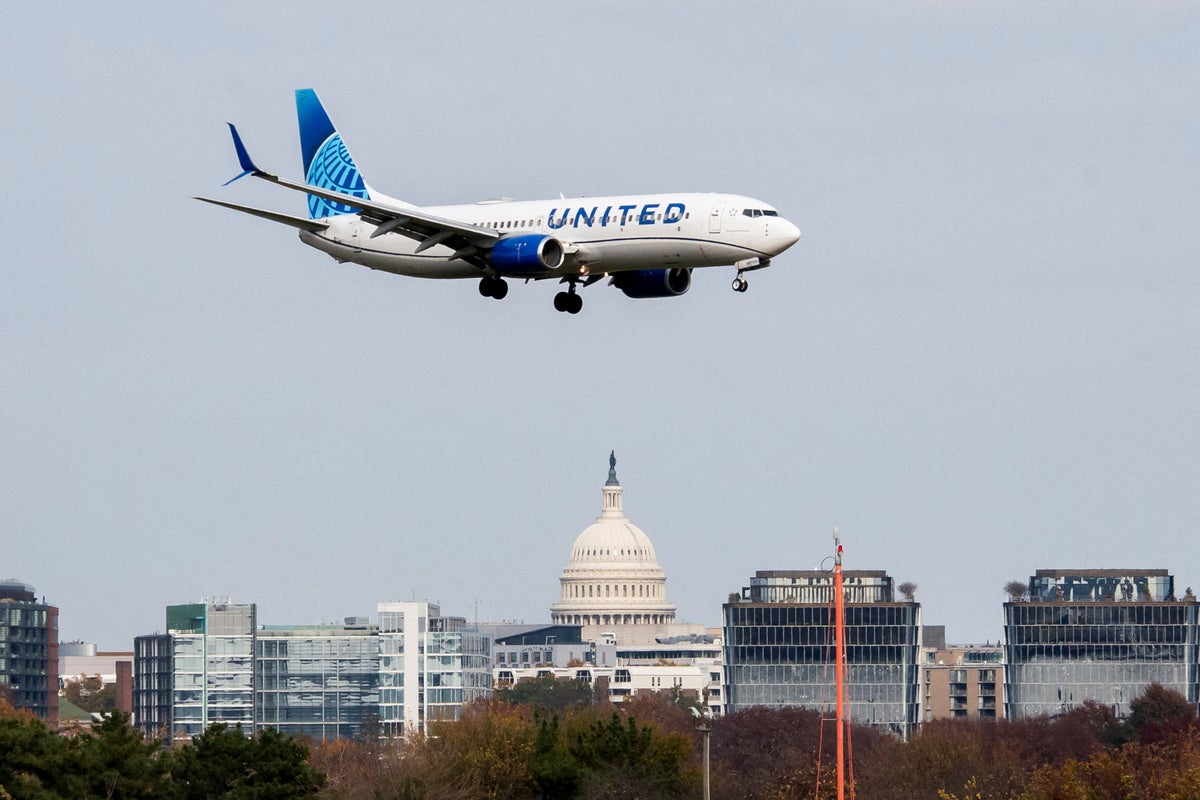
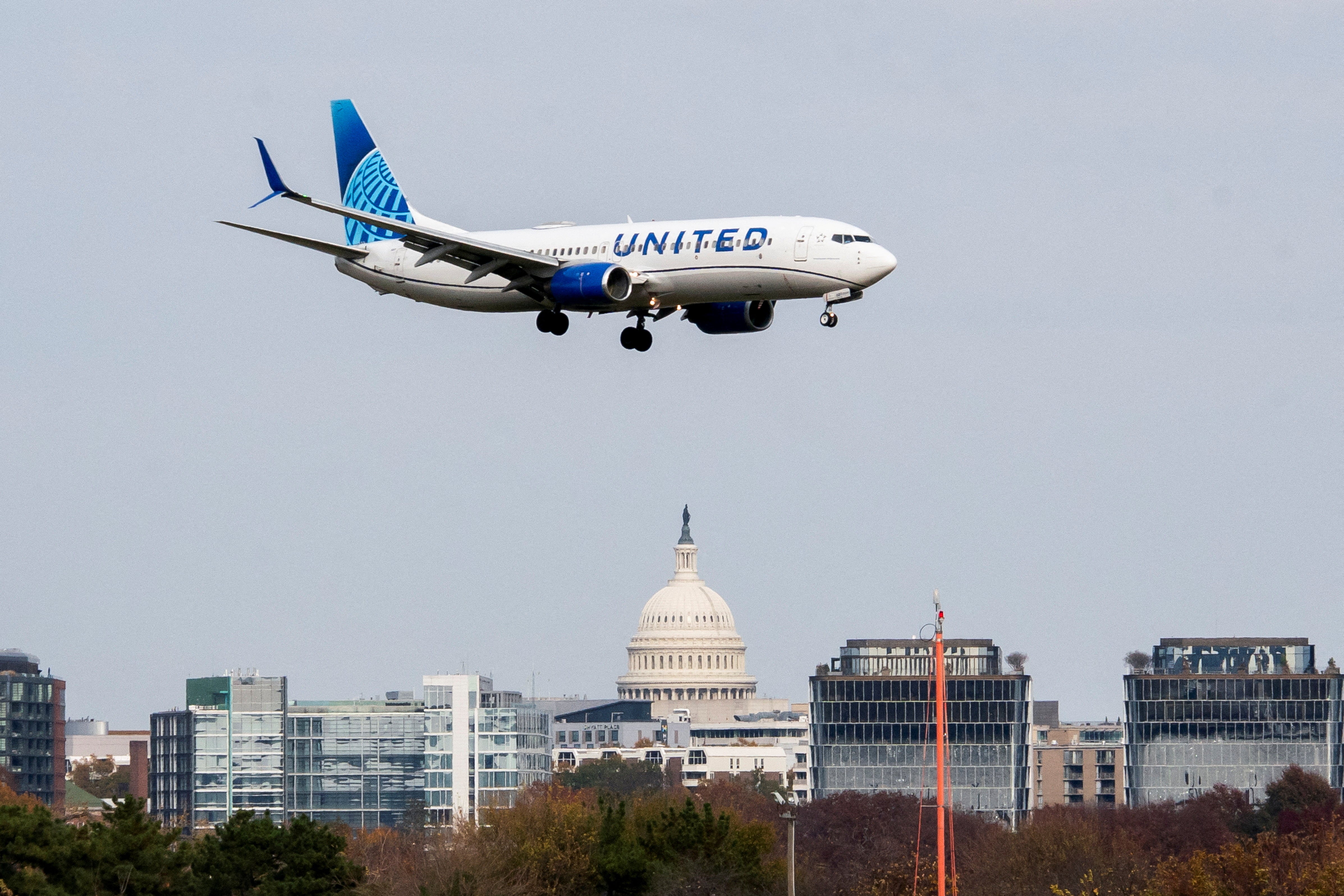
As the airline industry looks to its peak summer travel season, United Airlines may need to raise fares by as much as 20 percent as a result of rising fuel prices tied to the Iran war.
Speaking on an investor call this week, United CEO Scott Kirby reportedly said the airline is hoping to recover the full increase in fuel costs “as quickly as possible” and is eyeing a 100 percent pass-through, according to Reuters.
The Independent has contacted United Airlines for comment and confirmation.
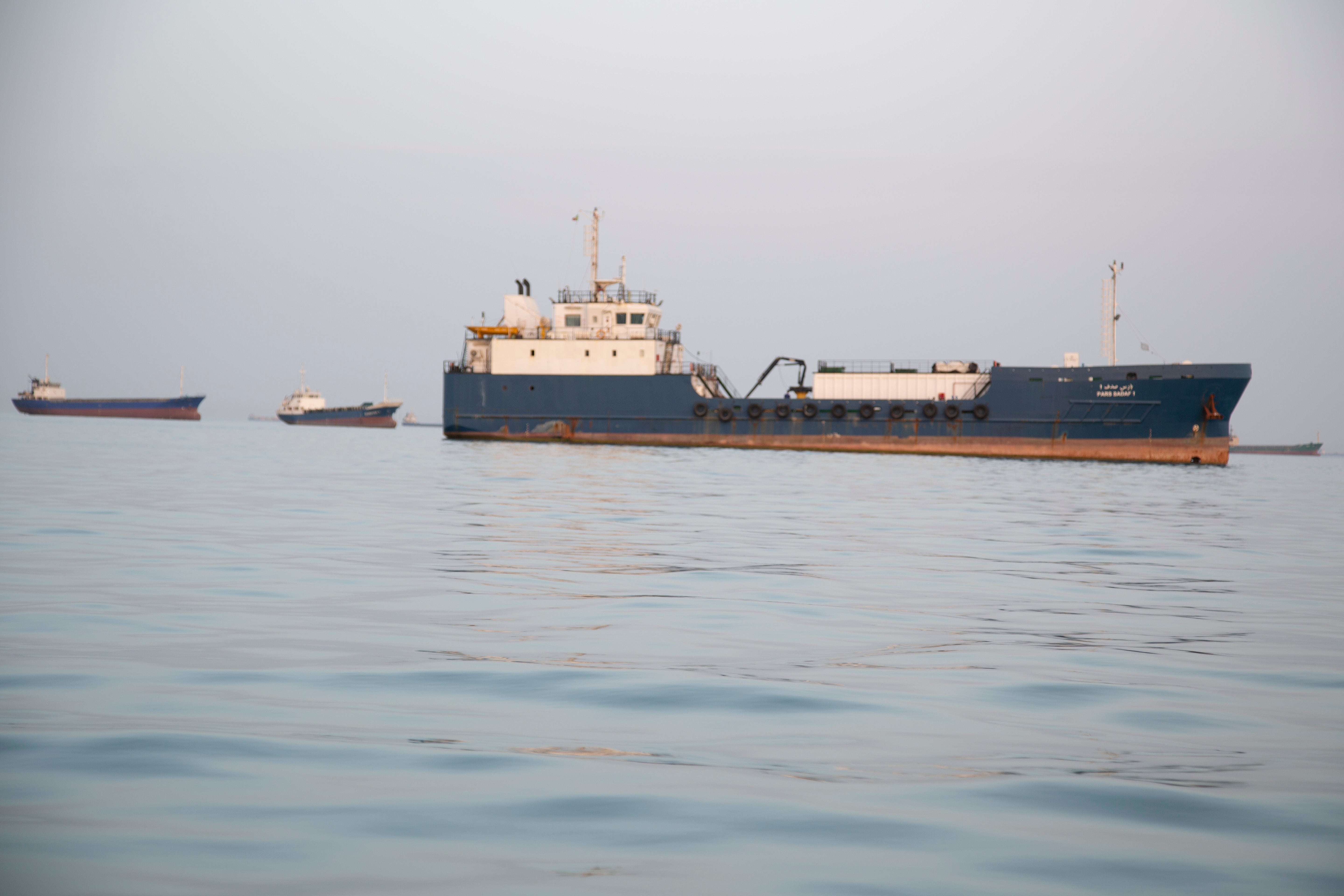
Kirby told CNBC on Tuesday that the airline is currently transferring about half of the cost of elevated fuel prices to customers, as oil prices have skyrocketed due to the closure of the Strait of Hormuz, a vital oil-shipping lane.
The executive nonetheless touted the company’s recent first-quarter results, which beat earnings expectations while at the same time including reduced profit guidance for the full year.
“We’ve had a doubling of fuel prices as we’ve gotten through the end of the quarter, and [to] still be solidly profitable, grow earnings year over year, is a pretty remarkable achievement,” Kirby said on CNBC.
The war has sent ripples of concern across the industry.
The Lufthansa airline group on Tuesday announced it would cancel 20,000 flights, saving 40,000 metric tonnes of jet fuel, in a bid to counter the rising cost of oil.
The European Union, meanwhile, has moved to take measures like optimizing fuel distribution between EU nations to head off a potential summertime fuel shortage, which one industry group has warned could be “systemic” and cause “significant” harm to the EU economy.
Last month, Kirby reportedly warned that the high oil prices might topple entire airlines.
“If these other guys make the same mistakes they made six years ago (during the Covid-19 pandemic), and if the forecast about $175 per barrel is right, you’ll see airlines not survive,” he said, according to The Los Angeles Times.
“If prices stayed at this level, it would mean an extra $11B in annual expense just for jet fuel. For perspective, in United’s best year ever, we made less than $5B,” he wrote in a memo to United Airlines employees that month.
The present state of the strait remains in flux.
On Wednesday, Iran seized two container ships in the waterway, hours after President Donald Trump announced an indefinite ceasefire.
The same day, John Phelan, the secretary of the Navy, which has been leading a U.S. blockade of ports that Iran demands must end before talks can progress.
It could take up to six months to clear the strait of Iranian mines, the Pentagon has reportedly told U.S. lawmakers.