

Britain’s plan to “modernise” its aid programme – which will see significant cuts – risks worsening humanitarian crises and destabilising fragile regions, the UN’s World Food Programme (WFP) has warned.
In a submission to the International Development Committee’s inquiry into the future of UK aid, the UN agency has critiqued of the government’s attempt to recast deep aid reductions as a strategic overhaul of development policy.
Ministers have described the shift as moving “from donor to investor”, and “from service delivery to system support, from grants to expertise and from international intervention to local provision.”
But the WFP has warned the policy risks masking deep cuts to humanitarian funding at a time of escalating global need. The agency told MPs that Britain had been investing in partner government systems and development finance “for decades” and that the push for modernisation is actually nothing new.
The WFP said the government’s strategy risked overlooking the immediate crisis facing fragile states where traditional grant aid remains essential.
“In the interim, we are grappling with escalating unmet needs, mainly in fragile contexts, where sustained grant finance will continue to be urgently needed for the foreseeable future”, the submission said.
The WFP also cautioned that declining funding could destabilise already fragile regions. “The precipitous fall in funding at a time of rising needs is reversing hard-fought development gains and destabilising countries and regions”, it said.
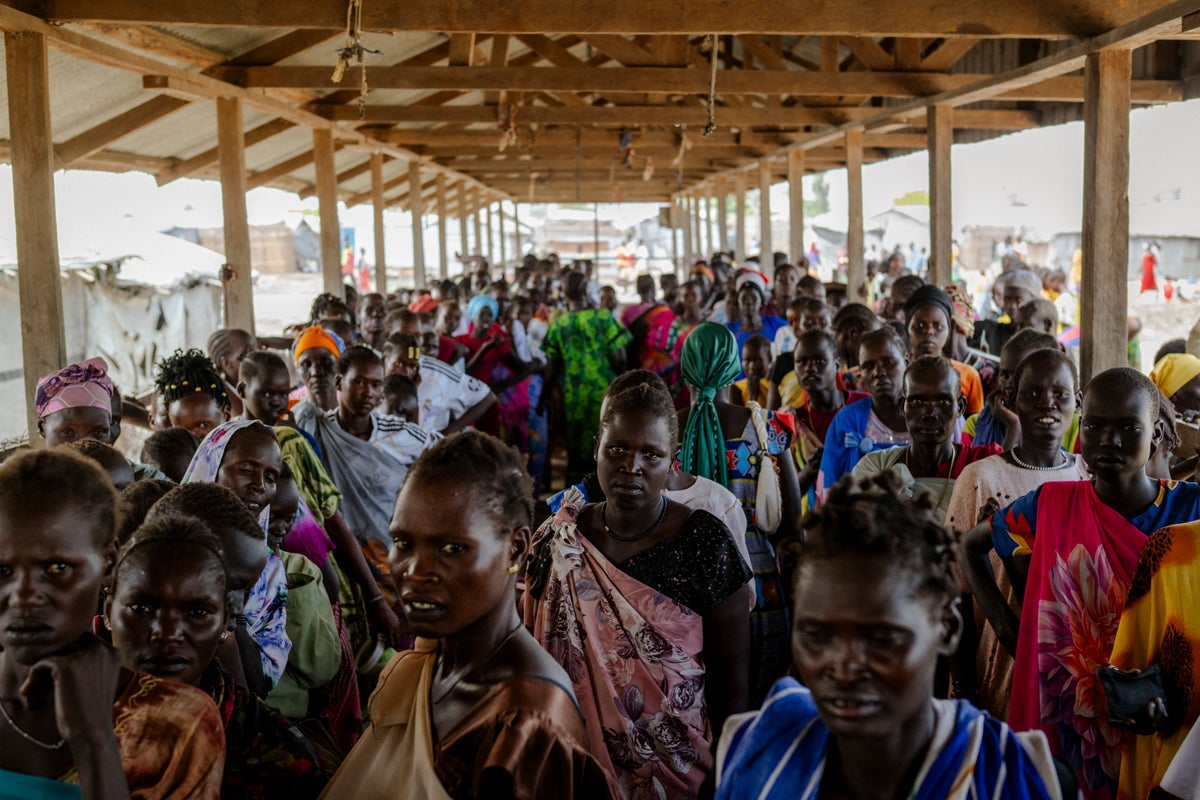
Global humanitarian needs have more than doubled since 2019, with about 319 million people now acutely food insecure worldwide.
Callum Northcote, head of economic justice at Save the Children UK, told The Independent: “The development system needs to change, but slashing the grants keeping children alive is not reform, it’s abandonment.”
He said humanitarian nutrition programmes designed to prevent child deaths in hunger crises are now facing what he described as an “unprecedented funding shortfall.” In Somalia alone, he warned, nearly half a million young children could face severe acute malnutrition by the end of the year.
Funding to the WFP has been cut by nearly a third, from $610 million (£448 million) in 2024 to $435 million last year, as part of wider reductions to Britain’s aid budget after ministers announced plans to cut overseas development assistance from 0.5 to 0.3 per cent of national income by 2027 to help fund higher defence spending.
Adrian Lovett, UK executive director of the ONE Campaign, said: “One thing we can all agree on is that in the 21st century, no child should die of hunger. The government’s desire to move from ‘donor to investor’ is undermined by the depth of the prime minister’s 40% cut to UK aid. This cut costs lives.”
He added that aid delivered through “trusted partners such as the WFP” saves lives at relatively low cost, but warned the reductions risked creating “a vicious cycle of grinding hunger and disease leading to further instability and conflict.”
Hannah Bond, co-chief executive of ActionAid UK, said the cuts were already contributing to the “roll-back of hard-won rights for women and girls”. She said: “Abruptly cutting off vital streams of funding isn’t the way to achieve the transformation we need.”
Aid policy experts have also questioned the clarity of the government’s strategy. Gideon Rabinowitz, policy and advocacy manager at Bond, said that there was “an urgent need for clarity on the strategy underpinning the FCDO’s new vision for development.”
Flora Alexander, UK executive director of the International Rescue Committee, said: “Innovation can and should help make UK aid more agile and responsive as humanitarian crises escalate. But in the immediate term, to ensure the most vulnerable people don’t fall through the cracks, governments should be directing 60 per cent of their aid budgets towards fragile and conflict‑affected states.”
The WFP submission represents an unusually direct warning from one of the world’s largest humanitarian agencies that the UK’s aid overhaul risks deepening, rather than resolving, the global crisis it is intended to address.
This article has been produced as part of The Independent’s Rethinking Global Aid project