


England’s chief medical officer has issued a warning about the health dangers of prolonged sitting, coinciding with the release of new guidance on exercise benefits.
Professor Sir Chris Whitty stated that any physical activity surpasses none, encouraging sedentary individuals and those working from home to increase their movement.
Updated guidelines from the UK’s chief medical officers, based on fresh evidence, confirm that even minimal activity can improve health.
Significantly, the new advice presents stronger data than the 2019 guidance regarding exercise’s positive impact on women.
The CMOs said in their report that “if physical activity were a drug, we would refer to it as a miracle cure, due to the great many illnesses it can prevent or treat”.


The new guidance reiterates that adults should do at least 150 minutes per week of exercise – unchanged from the previous guidance.
However, there is now more of a focus on why small amounts of movement add up, and the CMOs have issued a new warning to people on weight-loss drugs to do resistance training to prevent losing muscle mass.
The guidance sets out how:
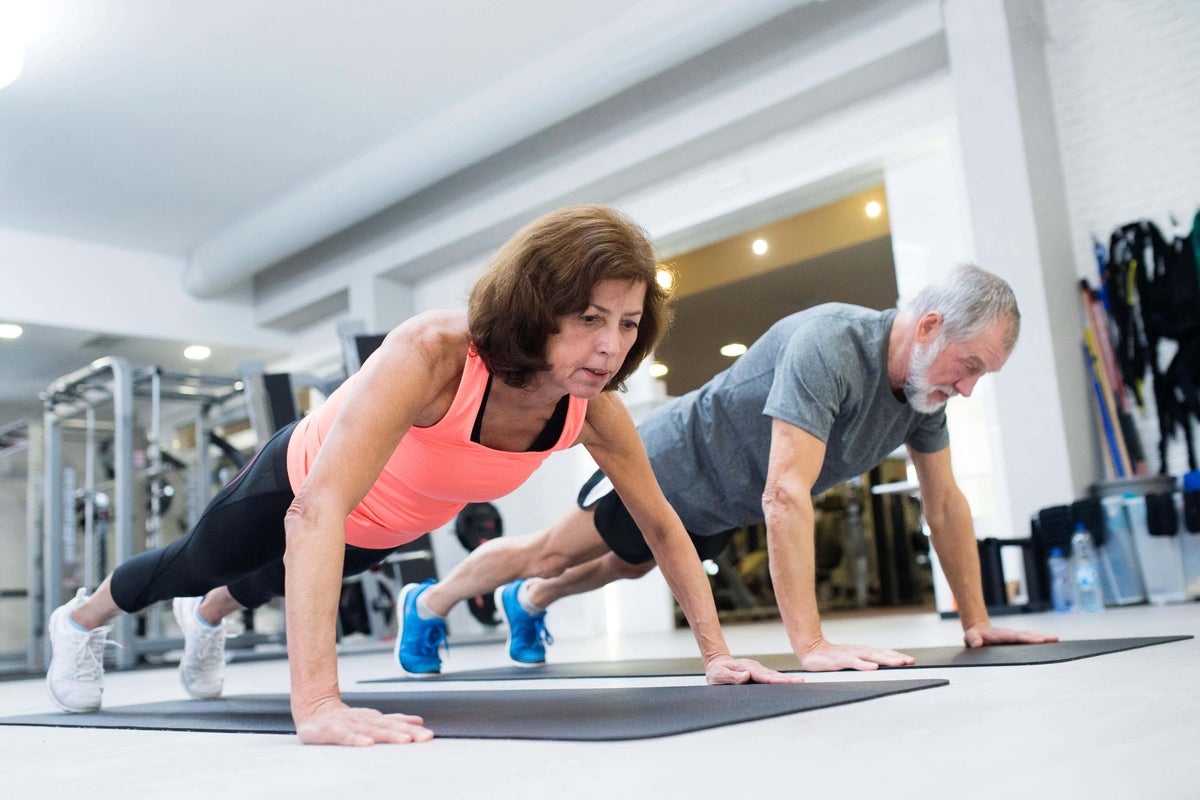
– Adults should be physically active every day – “any activity is better than none, and more is better still”. Across a week, adults should accumulate at least 150 minutes of moderate intense activity, such as brisk walking or cycling, or 75 minutes of vigorous activity, such as running, or a combination of these.
– Muscle strengthening activity should be done on at least two days a week, “but any strength activity is better than none”. People should aim to do what they are capable of, such as lifting weights or sitting and working with resistance bands. People on weight-loss drugs – who are at risk of shedding muscle as well as fat – should particularly heed this part of the recommendation.
– Adults should minimise the amount of time they are sedentary and should break up long periods of inactivity by moving around. The guidance said “prolonged sitting is harmful, even in people who achieve the recommended levels of moderate to vigorous physical activity”.
– Babies aged under one should be active several times every day in a variety of ways, such as crawling or playing on the floor. Babies who are not yet mobile should have at least 30 minutes of tummy time spread throughout the day.


– In toddlers aged one to two, at least three hours per day should include activity, such as outdoor play.
– Children aged three to four should spend at least three hours a day in a variety of activities, including outdoor play.
– Those aged five to 18 should engage in moderate to vigorous activity for at least 60 minutes per day across the week. This can include PE, walking, cycling or scooting to school, after-school clubs, playing and sport.
In the report, the CMOs said “lasting change is most likely when activity is enjoyable or useful or part of everyday routines”, with walking, cycling, sport, dancing and running “valuable ways to be active”.
They added: “There is clear evidence that even small increments, such as taking the stairs rather than the lift or walk into the shops, can make a surprisingly large difference to our long-term health and well-being if they become part of normal life.”
Sir Chris gave the example of working from home being detrimental to health because people may move less than before.
He told a briefing: “Without wanting to exaggerate, I think it’s important people think through, for example, hybrid working means quite a lot of people could very easily do very little other than leave their homes, where previously people would be routinely going to work, and that often meant at least some physical activity.
“Obviously, online shopping is another example where people can actually stay put – we previously would have gone out and actually gone to the shops.”

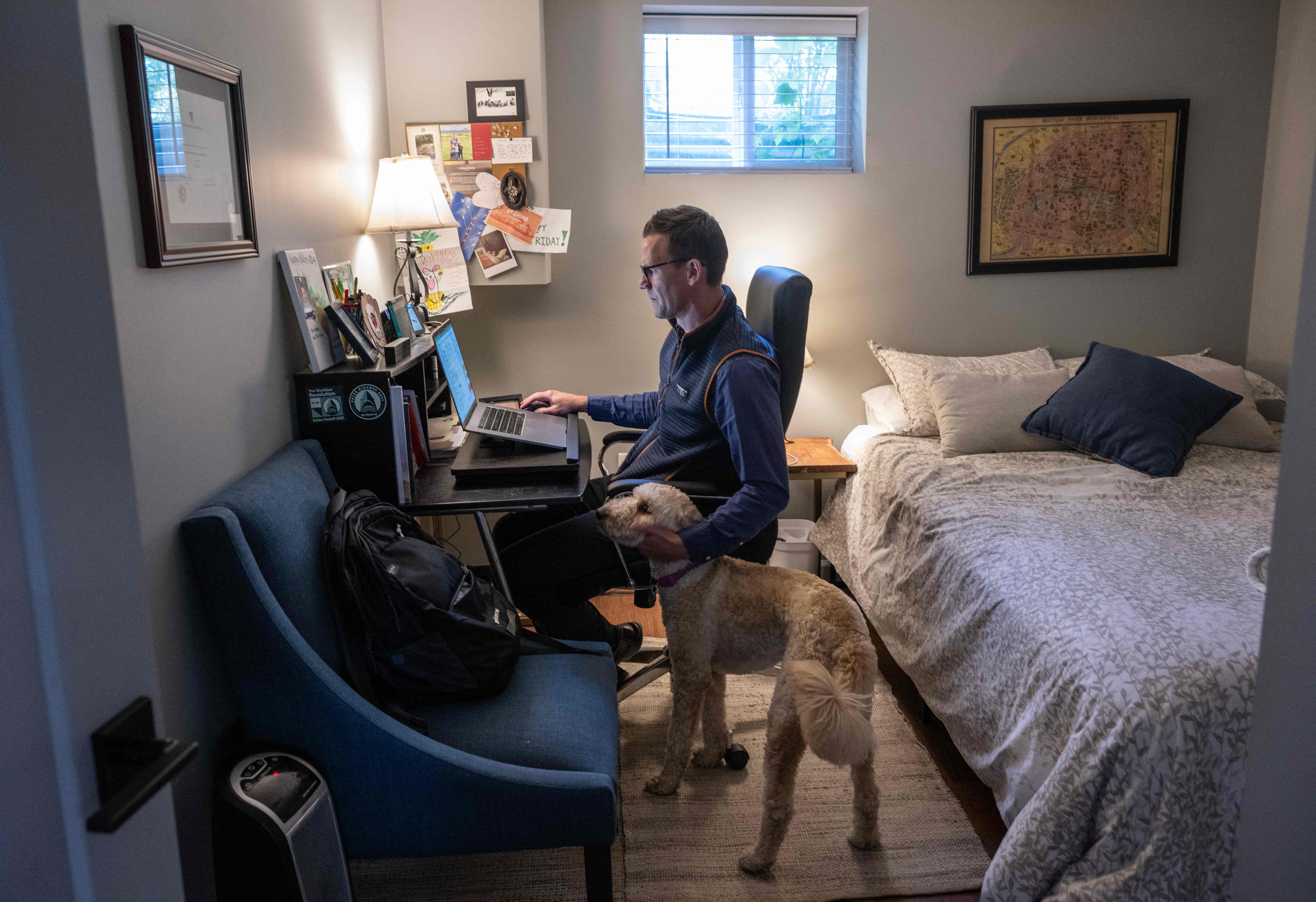
He said he was “not saying these are bad things” bur they showed how incorporating activity into day-to-day life was “less common” than before.
Asked if there were studies on the impact of working from home, Sir Chris said “not that we could rest a lot of weight on in terms of what the effect will be. I suspect, though, they will come out as time goes by.”
Turning to people on weight-loss drugs and GLP-1s such as Wegovy and Mounjaro, the guidance says they “especially need to ensure they do activities to maintain muscle strength”.
Sir Chris said people on GLP-1 agonists lose mostly fat but also lose muscle.
“It’s part of the physiological process, but it’s very important that they maintain their strength and balance over time to maintain their ability to keep muscle mass,” he said.
When people stop the drugs, they should also ensure they maintain their muscle mass through exercise, he added.
The guidance further set out how older people should do weight-bearing exercises or use things like resistance bands to “protect against the natural decline in muscle mass and bone density which occurs from around age 50”.
Sir Chris said weight-bearing exercises helps prevent “frailty in old age” compared to “if you allow the muscle mass to essentially wither away and not be used…”
He said the new review included studies on 30 million people, showing that being active cuts the risk of diseases and deaths from any cause, with strong reductions in heart disease, stroke and some cancers.
Sir Chris told the media how he manages to get enough exercise himself, saying “in day to day things, I walk whenever I can, and then in terms of leisure, I really enjoy walking. I sometimes go kayaking, walking in hills, that’s one of the things I enjoy.
“It’s really to do with the things we enjoy most.”
Public health minister Sharon Hodgson said: “Whether it’s walking to school, playing in the park, taking the stairs or getting active at home, small changes can add up to significant health benefits.
“As we head into the summer holidays, we’re encouraging families to take advantage of the opportunities to get moving together and build healthy habits that can last a lifetime.”
Chris Boardman, chairman of Sport England, said: “Physical activity is one of the closest things we have to a wonder cure.
“Whether it’s a walk to the shops, a bike ride, a jog or a game of football, moving more improves our physical and mental health, helps us stay independent for longer, and connects us with the people and places around us.”
Paul Farmer, chief executive of Age UK, said: “We are pleased to see that the revised activity guidelines emphasise that any activity is better than none.
“This is so important to people with long-term health conditions, who are one of the least active groups, yet have the most to gain in health benefits from physical activity. ”