

.jpeg?trim=0,435,0,435&width=1200&height=800&crop=1200:800 "Ukrainian MP says lifting sanctions on Russian oil puts ‘question mark’ over friendship with UK – UK Times")
A Ukrainian politician has condemned the British government for loosening sanctions on Russian oil, saying it “puts a question mark” on the UK’s friendship with Ukraine.
The government has faced widespread criticism after a trade licence which allows for the import of Russian jet fuel and diesel refined in third countries came into effect on Wednesday. Some sanctions on the transport of Russian liquefied natural gas (LNG) were also lifted.
Experts have described the policy as a “carve-out” which creates an exemption from tighter restrictions on processed oil products derived from Russian crude.
Oleksiy Goncharenko, a Ukrainian MP, said he was “deeply disappointed” by the government’s decision.
.jpeg)
“One of the things which we felt in Ukraine very strongly was that United Kingdom was always supporting Ukraine on the very high level, and we were appreciating it very much,” he toldTimes Radio.
“And that was important part of our also resilience, knowing that there are real true friends in countries like UK, which supported us really seriously. And now that this decision puts it on the question mark because I really can’t understand it. I’m deeply disappointed.”
“I think that shows to Russia that [at] the end of the day, everything can be bought and everything is at sale.”
It comes months after the US loosened sanctions on Russia as a “short-term measure” to promote “stability in global energy markets”, drawing criticism from Europe and Canada, who warned it would help Putin’s regime.
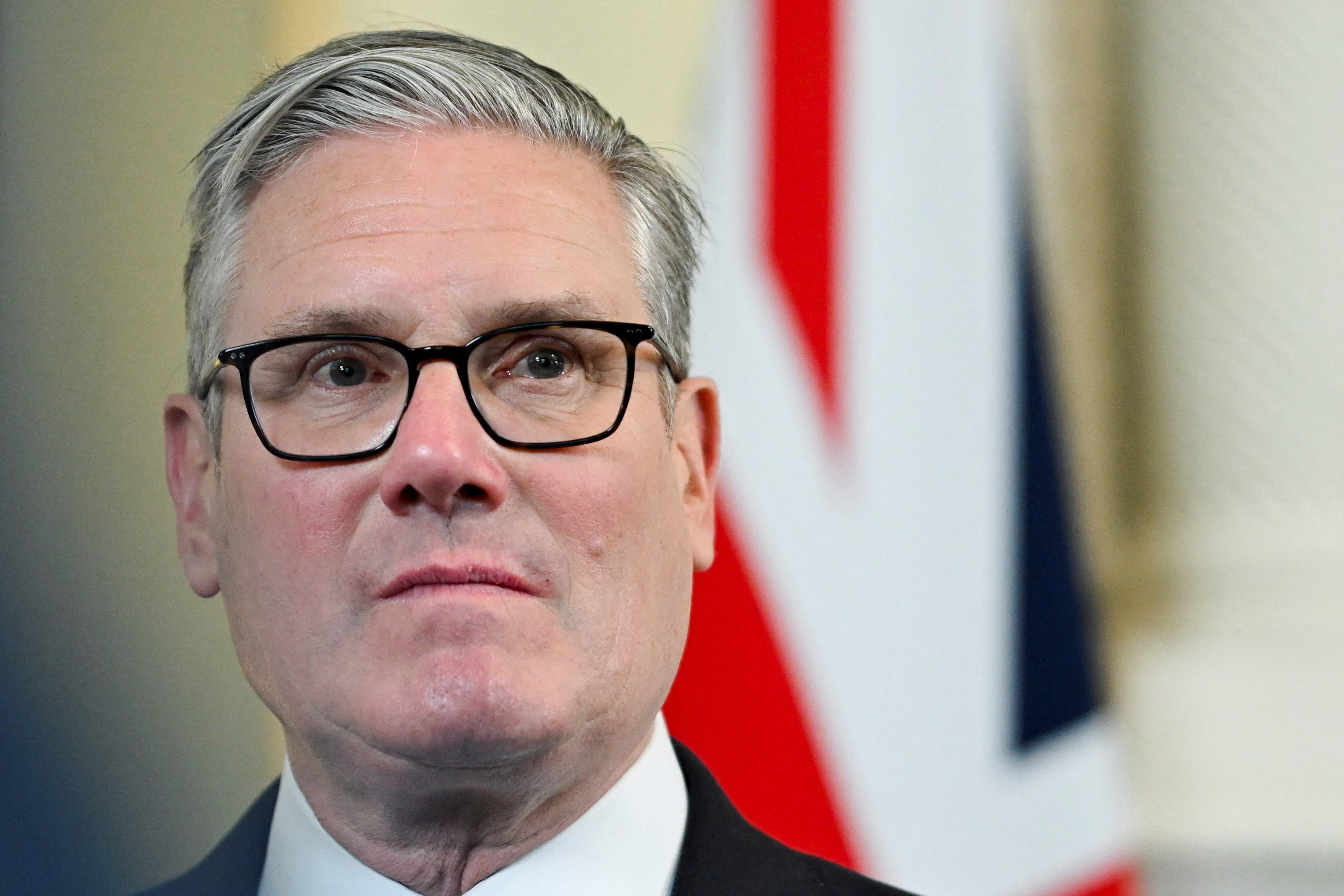
Sir Keir Starmer faced pressure in parliament on Wednesday as Kemi Badenoch accused the government of “choosing to buy dirty Russian oil, that money will be used to fund the killing of Ukrainian soldiers”.
Campaigners have condemned the decision as a win for Russia.
Alexander Kirk, from fossil fuel lobby group Urgewald, said: “After years of campaigning to tighten the screws on the Kremlin’s war economy, this decision risks sending the opposite message: that sanctions only hold when they are politically convenient.
“Celebrations will be happening in the Kremlin today. Russian state media is already seizing on this as proof that Western resolve can be weakened when fuel prices rise.”
The UK has sanctioned 3,252 individuals, entities and ships under the Russian regime since Putin’s war in Ukraine began. Last year, the foreign office estimated that sanctions on Russia deprived the state of at least $450 billion in war funds between February 2022 and June 2025. This included $154 billion in lost oil tax revenues.
Ukrainians like Alla Pomhaibus, who moved to the UK as the war began, said the UK’s decision to loosen sanctions is “frustrating”.
Thinking about her brother on the frontline, and her family in Odesa, she told The Independent: “Without the UK, I don’t know where we would have been right now.

“But some decisions, well… they’re not OK because we’re all fighting together with a common enemy. We’re trying to win this war and put Putin behind bars and finally finish this disaster.”
The Association of Ukrainians in Great Britain said that while they understood the economic difficulties caused by conflict in the Middle East, they were “deeply disappointed and concerned”.
“Allowing Russian-origin fuel to reenter the UK through third countries undermines the spirit of the sanctions regime and sends a troubling signal to Ukrainians fighting for their survival,” a spokesperson said.
“We hope that this will be balanced by increased aid for the Ukrainian military so that they can carry on fighting for Ukraine and for Europe’s security.”
Aura Sabadus, an energy and cross commodity expert at ICAS and senior fellow at CEPA, said the loosening of sanctions “definitely offered Russia some breathing space.”
“It helps them to reverse the problems that they have been encountering in the economy,” she told The Independent. “The economy has been faltering and critically [it helps] to keep up the war effort without resorting to much borrowing or to reserve drawdowns.”
So far in the war, the UK has been “the biggest supporter of Ukraine and one of the biggest cheerleaders in terms of introducing sanctions”, she said. The introduction of this carve-out, raised questions about the effectiveness of sanctions and coherence of Western opposition, she added.
The European Union has said it remains committed to its sanctions on imports of Russian oil and gas.
“We reaffirm our commitment to our sanctions on imports of Russian oil and gas, and we reiterate our desire that Russia does not benefit from the war,” a Commission spokesperson said.
Ms Sabadus warned that it might not be long before EU member states took a similar line to ease the oil shortage financial pain.
Dr Umud Shokri, an energy strategist and senior visiting fellow at George Mason University, said Russia gained more from the rise in oil prices caused by Iran-related disruption than the licensing change alone, but politically it put the sanctions regime in a weaker position.
“Politically, the decision matters. It weakens the clarity of the sanctions regime and shows how energy-security pressures can force Western governments to soften restrictions when fuel costs rise.
“So while the immediate financial gain for Russia may be modest, the precedent is significant because it gives Moscow more room to monetise oil flows during a period of tight supply.”