



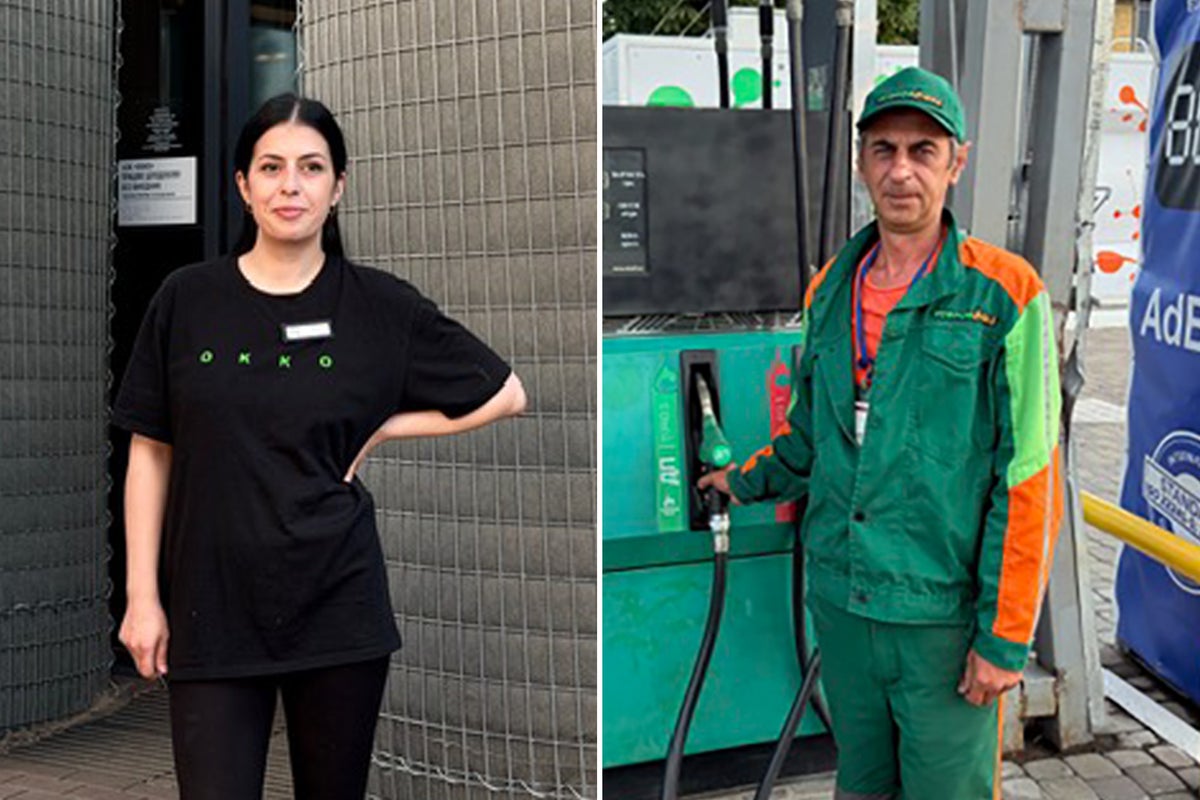
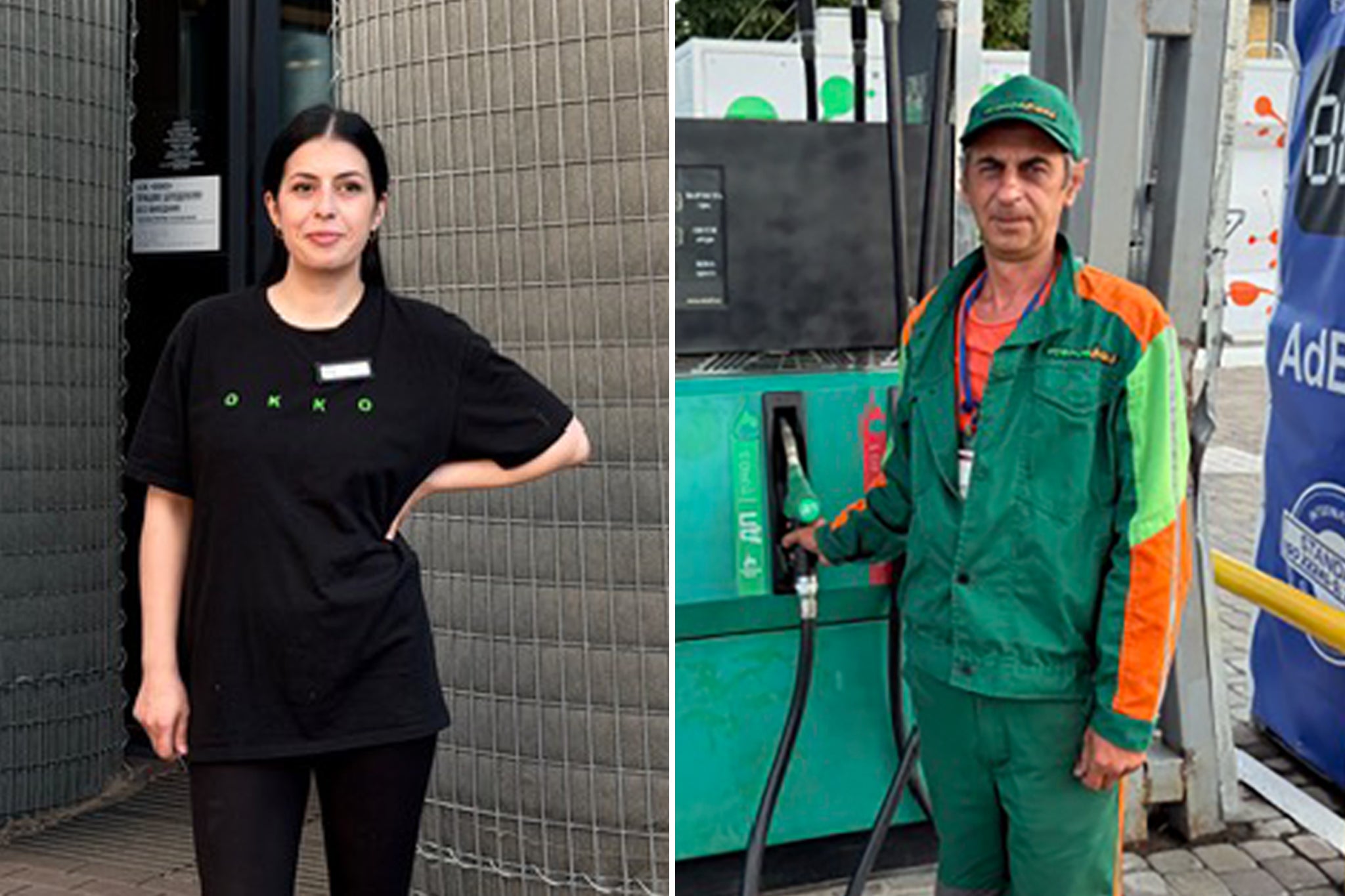
Get off the forecourt now,” shouts Dima, 65, an attendant at a petrol station on the main road into Pavlohrad, in Ukraine’s eastern Dnipropetrovsk region.
As the air raid siren wails, he points to an app on his phone tracking Russian drones — now an essential tool for those working on the country’s increasingly dangerous petrol station forecourts. An arrow is moving across the screen.
“It’s a Russian Geran-3 drone heading in our direction,” he says. “They missed us yesterday, but they are coming back for another try. You must leave immediately.”
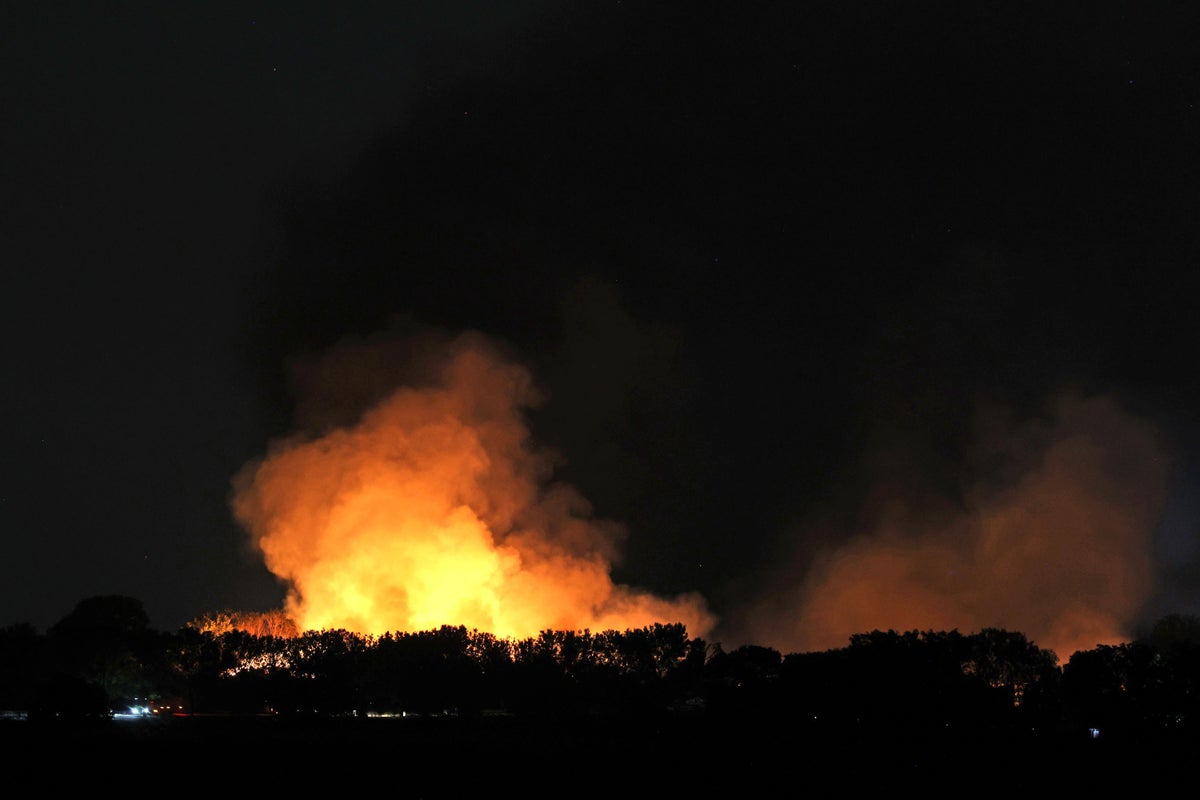
Russia has intensified its assault on Ukraine’s retail fuel network over the past month, striking ordinary roadside stations across the east and south of the country.

Fuel-industry estimates suggest that the rate of attacks has risen to about 20 a week, with as many as 200 stations reported to have been hit or damaged in recent months.
The campaign has turned working on a forecourt into one of the most hazardous civilian jobs in eastern Ukraine, where much of the fighting is taking place. Military authorities are urging motorists to fill their tanks and leave as quickly as possible, spending no more than 10 minutes at a station.
The previous day, a drone was shot down moments before reaching Dima’s forecourt, crashing instead into a nearby business park.
A week earlier, another station at the opposite end of Pavlohrad suffered a direct hit.
The site was destroyed, with several people reported killed or injured.
Russia previously concentrated its attacks on refineries, storage depots and other large energy installations. It is now increasingly targeting the last mile of Ukraine’s fuel network: the roadside stations used by civilians, ambulances, volunteers, farmers and military vehicles.
Russian forces have used Geran-3 attack drones — Russia’s version of the Iranian-designed Shahed — as well as smaller, long-range fixed-wing drones and, closer to the front line, short-range FPV drones.
-ed891f41.jpeg)
At a busy OKKO petrol station nearby, Irada, its 31-year-old manager, watches customers stream into the shop, known locally for its hot dogs.
“I’m extremely worried about my safety,” she says. “We run whenever we hear the siren, but sometimes it is difficult. Customers are paying or filling their cars, and there is no guarantee I will be able to get away in time.”
Irada is a single mother whose relatives remain trapped in Russian-occupied territory.
“If anything happens to me, who will look after my daughter?” she asks. “The rest of my family are stranded in the [Russian-occupied] territories.”
Yet she says she has little choice but to continue working.
“I need the job, but it has become so dangerous that we should be paid danger money,” she says. “So far, our bosses have offered us nothing — only this.”
She gestures towards makeshift blast protection installed around the kiosk.
“They will not say how many casualties there were when the nearby WOG [petrol] station was destroyed, but I think there were a lot,” she adds quietly.
“The Russians have changed tactics,” says Andriy, the commander of a nearby mobile air-defence unit. “They are targeting civilian infrastructure, and petrol stations are among their priorities.”
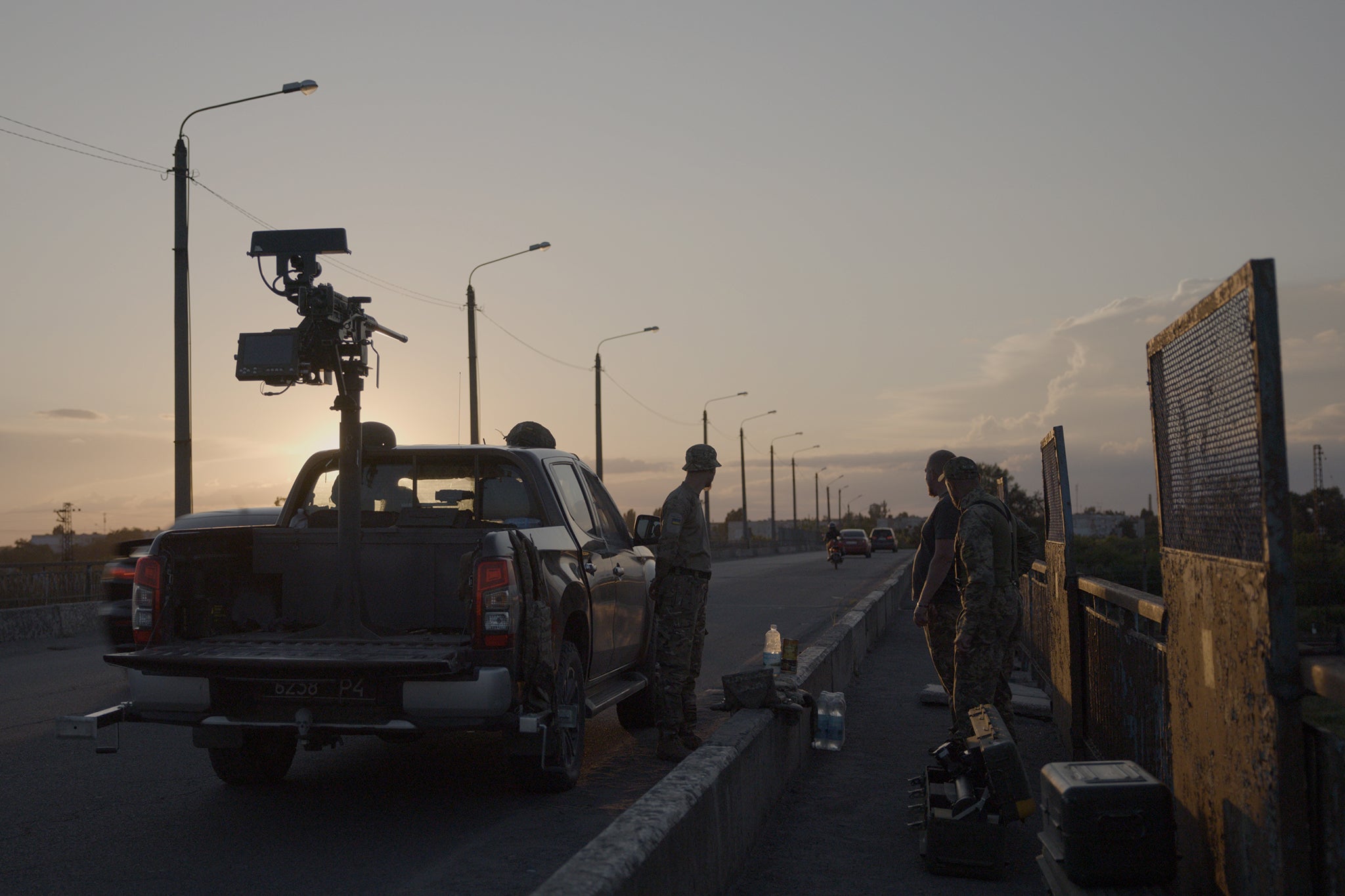
He stands beside a flatbed truck carrying a large Browning machine gun, its barrel trained towards the sky.
The jet-powered Geran-3 is reported to travel at about 400km an hour and fly higher than earlier piston-engined attack drones, making it harder for Ukraine’s mobile air-defence teams to intercept.
“Our only chance of hitting them may be during their final dive,” Andriy says. “That does not give us much time.”
He gestures towards the Browning mounted on the truck.
“They are very difficult to hit with this… So now we need these,” he says, pointing to an open crate containing a long cylindrical weapon. “Heat-seeking Stinger missiles,” he adds.
The nearby Vostok Gaz station also narrowly escaped destruction after Ukrainian air defences intercepted a drone above the forecourt moments before it could strike.

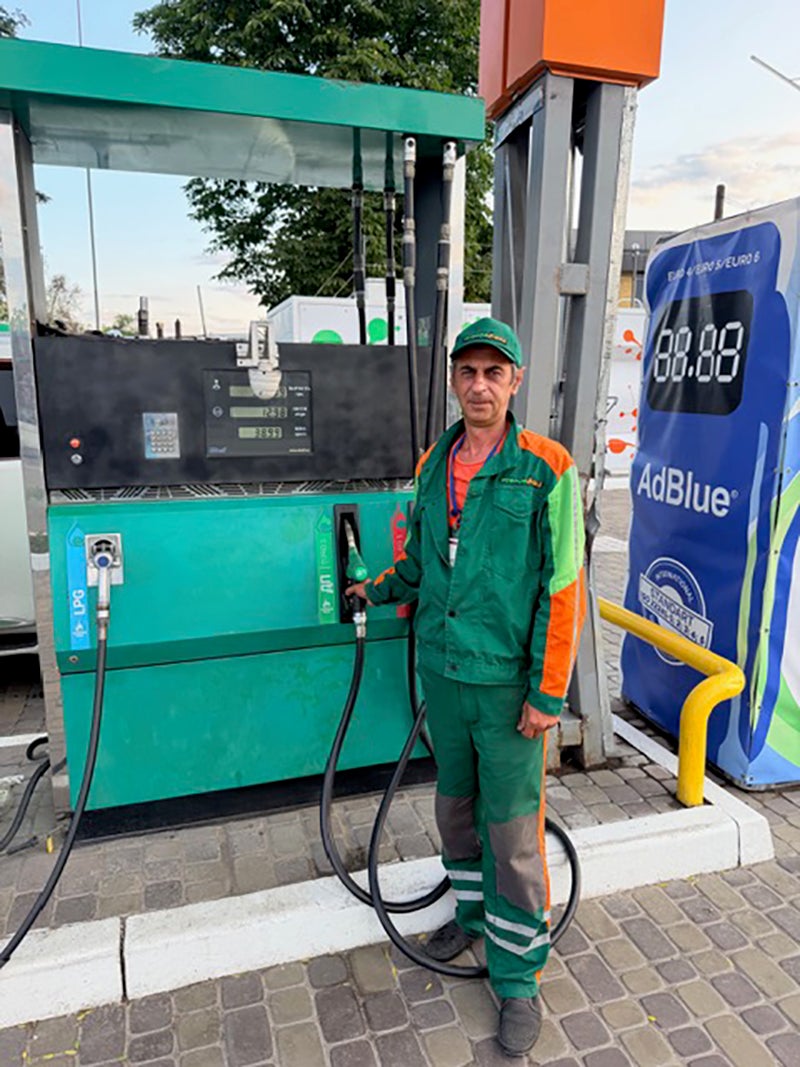
Sergei, 59, a pump attendant, points to shrapnel marks on the kiosk. He narrowly escaped injury.
“I look at the sky all day,” he says. “When I see something in the air, I run for my life and throw myself into the ditch across the road.”
He believes the stations are being attacked in retaliation for Ukrainian strikes on Russian oil refineries.
“It’s revenge,” he says. “The Russians are angry that our armed forces are destroying their refineries.”
Yet Sergei remains defiant. Drivers continue to arrive, watching the sky as they stand beside their cars.
“Our customers still need petrol,” he says. “I still need to work, and I will not stop.”


