

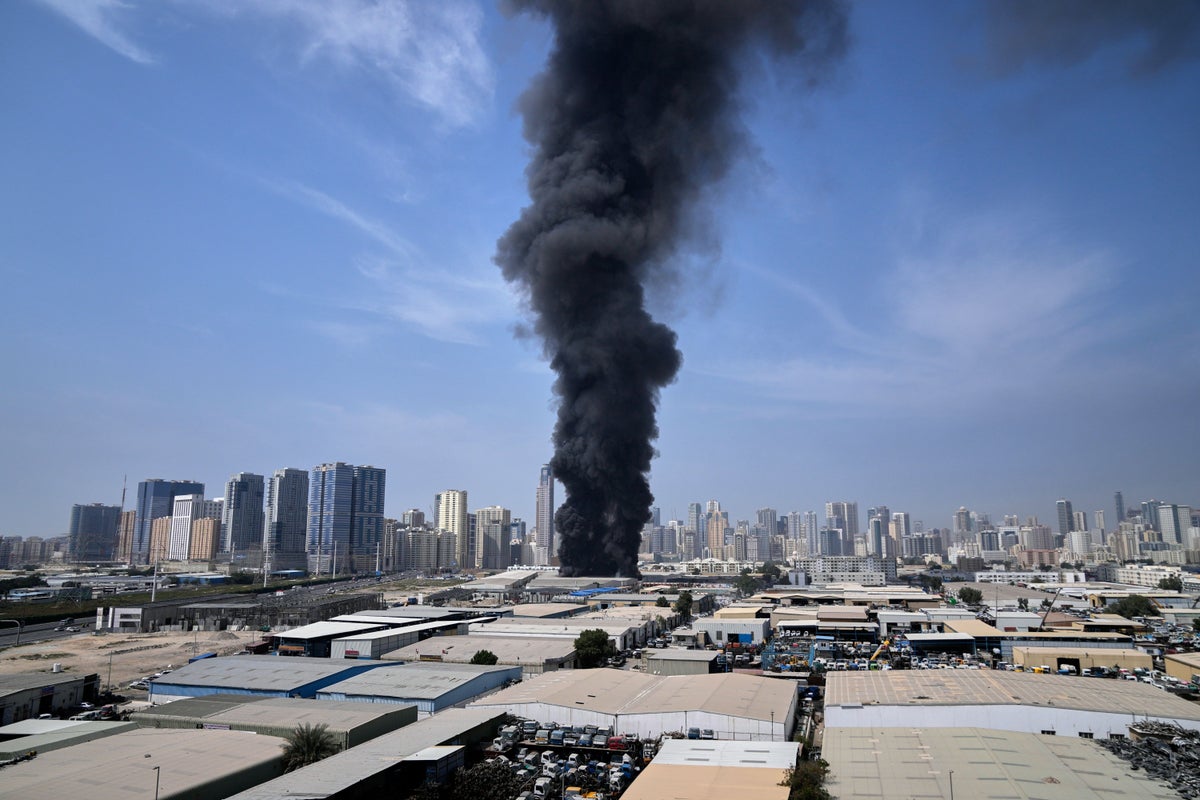
The UK has launched a huge operation to support hundreds of thousands of British nationals in the Middle East as Iranian missile strikes rock the region.
Officials at the Foreign Office are understood to be working on plans for potential evacuation routes should airspace in the Gulf remain closed.
Iran has launched strikes at countries across the Middle East in retaliation to US-Israeli airstrikes which have killed hundreds of people in major cities including Tehran. Three US service members have been killed as part of Trump’s military action against Iran, and five seriously wounded, while several people have been killed in Israel.
British nationals are currently being advised to stay where they are and follow the instructions of local authorities and monitor the Foreign Office’s travel advice, which officials expect to change rapidly.

Those in Bahrain, Israel, Palestine, Qatar and the UAE have been urged to register their presence with the Foreign Office online.
More than 76,000 people, mostly in the UAE, have already registered their presence, a scheme the Government has used before to provide urgent updates to people affected by international crises.
Ambassadors in the UAE and Qatar also remain in frequent contact with major airlines.
Airline passengers were facing travel chaos for days as all UK flights to and from the Middle East are grounded until at least Monday, stranding thousands of travellers.
The scale of the consular operation is unprecedented, with the “register your presence” scheme never previously handling so many people in so many different countries.
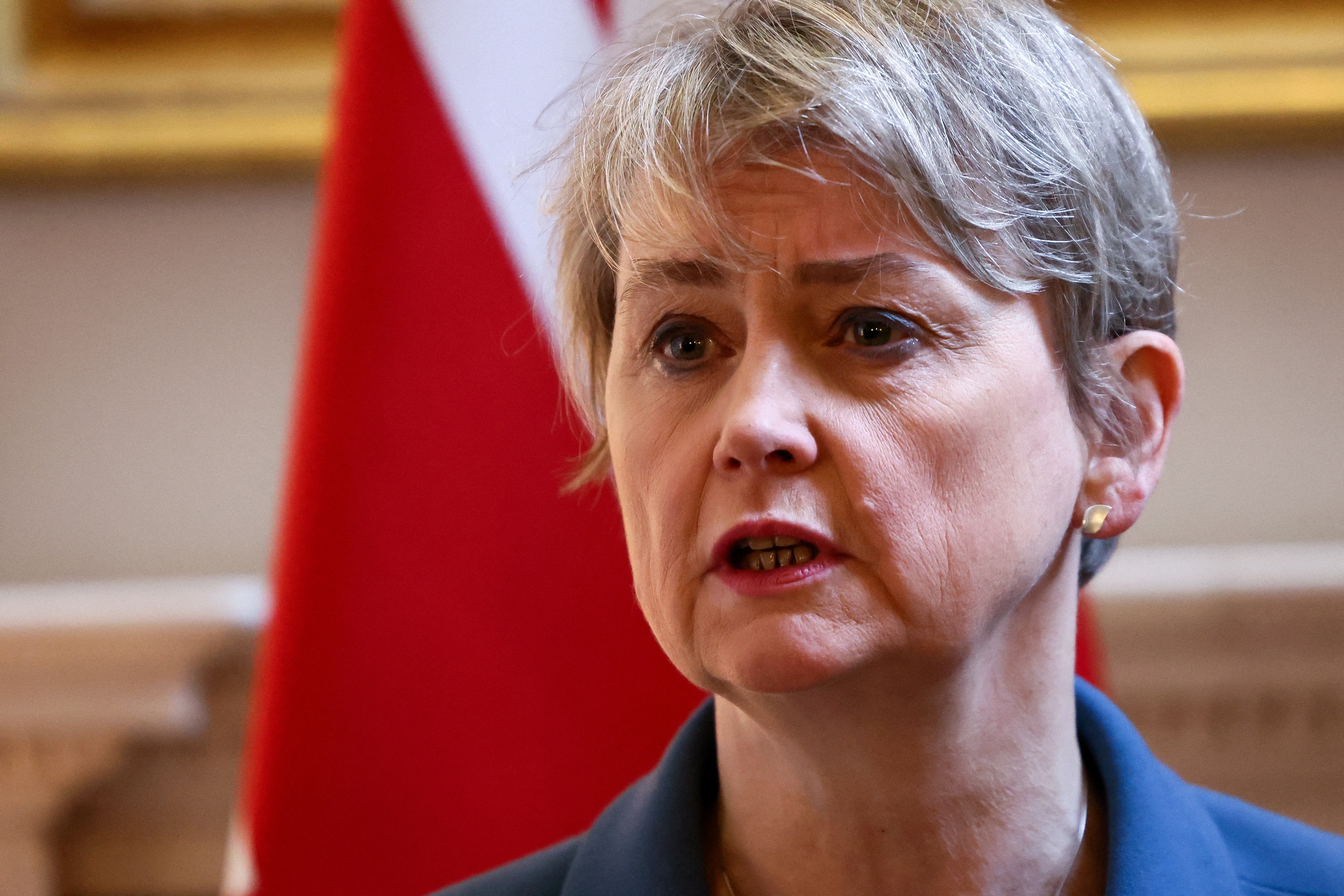
Efforts to support British nationals, driven by foreign secretary Yvette Cooper and minister Hamish Falconer, come as US and Israeli combat operations against Iran entered their second day on Sunday.

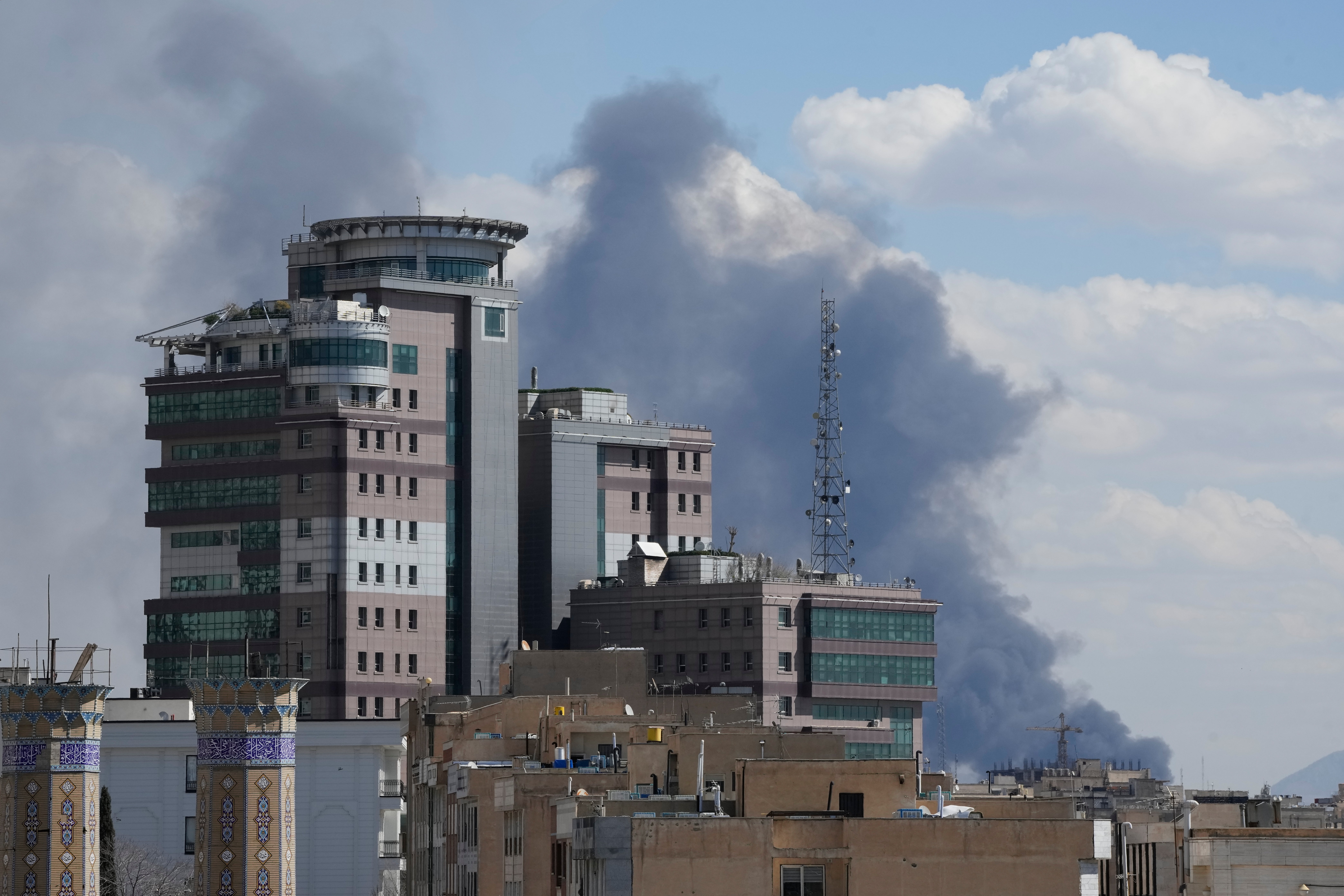
The Israeli military said it had continued to hit sites in central Tehran following the death of Supreme Leader Ayatollah Ali Khamenei in an airstrike on Saturday morning.
Iran has vowed to retaliate with “devastating blows” and has fired missiles at many of its neighbouring countries as well as US military targets.
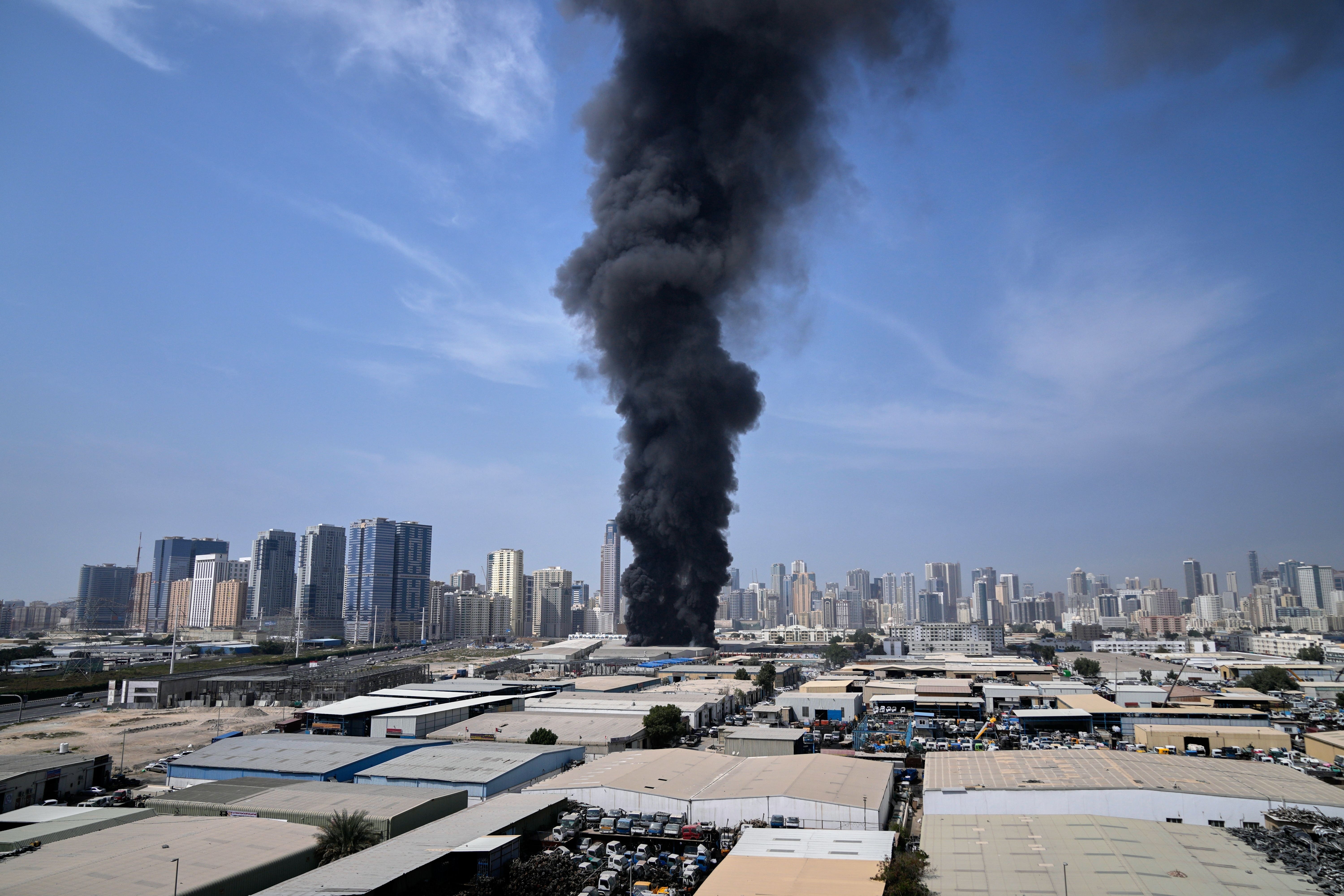
A fresh wave of blasts were heard in Dubai and in the Qatari capital of Doha for a second day on Sunday as defence forces intercepted missiles headed their way in response to US and Israeli attacks on Saturday.
The UAE’s ministry of defence said that 165 ballistic missiles, two cruise missiles and 541 drones had been launched from Iran towards the country so far. Three people have been killed and 58 injured, the authorities said.
JS Anand, founder and CEO of Leva Hotels, which has a flagship hotel in Dubai, told The Independent that the attacks had caused “panic and uncertainty” among residents and guests.

Israeli authorities reported Iranian missiles had killed nine civilians in Beit Shemesh, near Jerusalem, while the US military’s Central Command said three American service members had been killed and five others severely wounded on Sunday.
Central Command gave no further details about those killed or wounded, but has rejected Iranian claims that the aircraft carrier USS Abraham Lincoln had been hit by ballistic missiles.
It is understood that no British nationals have been killed or injured so far in the conflict.
But Defence Secretary John Healey said some 300 UK troops had been within “a few hundred yards” of an Iranian strike on a base in Bahrain.
Two missiles have also been fired in the direction of Cyprus, where thousands of UK personnel are stationed, although the Government does not believe these were deliberately targeted at the British bases there.