
Over a dozen Israeli public figures are calling on the UK and European Union to ban all trade with settlements in the occupied West Bank, which are illegal under international law, warning that Israel was expanding them at “an alarming rate”.
In an open letter published in The Independent, 19 Israeli public figures, including former ambassadors, a former attorney general and a deputy speaker of the Israeli parliament, accused the UK and some European countries of failing to “translate its words into policy.” It warned that ending the settlement regime was “key to achieving peace between our two peoples.”
It comes as a cross-party number of MPs called on the government to implement a total ban during a backbench debate in parliament last week. Labour MP Abtisam Mohamed, who led the discussion, warned that despite the ICJ ruling being in place for years, settlements continue to expand.
“Whilst we may have recognised Palestine in its entirety, we have failed in any follow-up action to make that recognition a meaningful reality,” she said.

In the open letter, the Israeli public figures welcomed efforts in the US and the UK to curb trade with settlers and the imposition of sanctions, but called for urgent action on a full ban, as senior Israeli government ministers have publicly spoken about establishing settlements in razed Gaza as well.
“For decades, Europe has maintained that Israeli settlements in the Occupied Palestinian Territory (OPT) are illegal and undermine prospects for resolving the Israeli-Palestinian conflict through a two-state solution. Despite this firm and consistent stance, it has failed to translate its words into policy,” read the joint letter.
It was signed by 19 officials, including Professor Élie Barnavi, former Israeli ambassador to France, as well as Ilan Baruch, former Israeli ambassador to South Africa, and Michael Ben-Yair, former attorney general of Israel and former acting supreme court judge.
“Successive Israeli governments’ defiance of international law has been enabled by the international community’s failure to move from rhetoric to action,” the letter continued.
“Far from bringing more security, this approach has only deepened the cycle of violence. European supporters of Israeli-Palestinian peace should now ensure that settlements no longer benefit from trade and investment ties.

“We hope the whole EU and the UK will follow suit. Europe has long spoken clearly for peace and international law. It must now act accordingly.”
Israel seized the West Bank, East Jerusalem and Gaza in the 1967 Six-Day War, an occupation which the International Court of Justice has deemed illegal and is in defiance of the Palestinian right to self-determination and statehood.
Since then, Israel has built and expanded its settlements to such an extent that the West Bank is now home to over 500,000 Israeli settlers.
Surrounded by these ever-expanding settler outposts, towns and even cities, illegal under international law, are 3 million Palestinians who live under Israeli military rule, with the Palestinian Authority exercising limited autonomy in scattered enclaves.
Since Hamas’s attacks on Israel on 7 October 2023 and Israel launched its war on Gaza, international, Palestinian and Israeli rights groups have pointed to an unprecedented surge in forcible displacement of at least 40,000 Palestinians in the occupied West Bank, mass territory grabs and settler violence as Israel moves towards full annexation of the territory. The Independent has extensively documented the surge in deadly violence – which has included the killing of Palestinian children and US citizens.
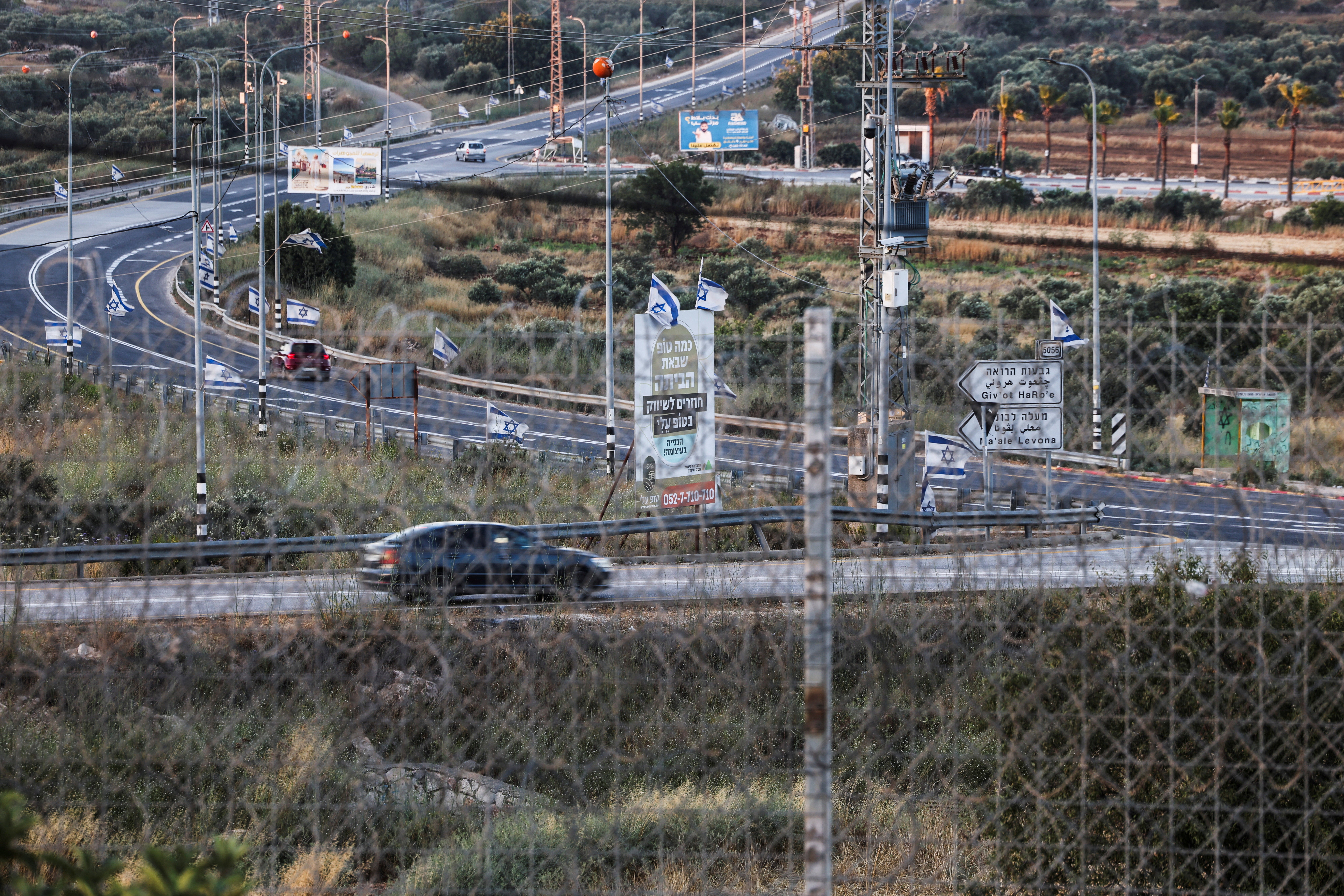
The far-right Israeli government, which includes settlers as senior ministers, has repeatedly denied that its actions in the West Bank constitute a “land grab” and claims a right to territory. The government has also denied systematic abuses, despite overwhelming evidence.
The British government, which recognises the state of Palestine, holds the official position that settlements are not only illegal under international law but constitute “a major obstacle to the achievement of the two-State solution and a just, lasting and comprehensive peace.”
The UK government has issued sanctions against some Israeli settlers and settler organisations, and strongly advises against trade with illegal Israeli settlements. However, it does not have an outright ban on trade.
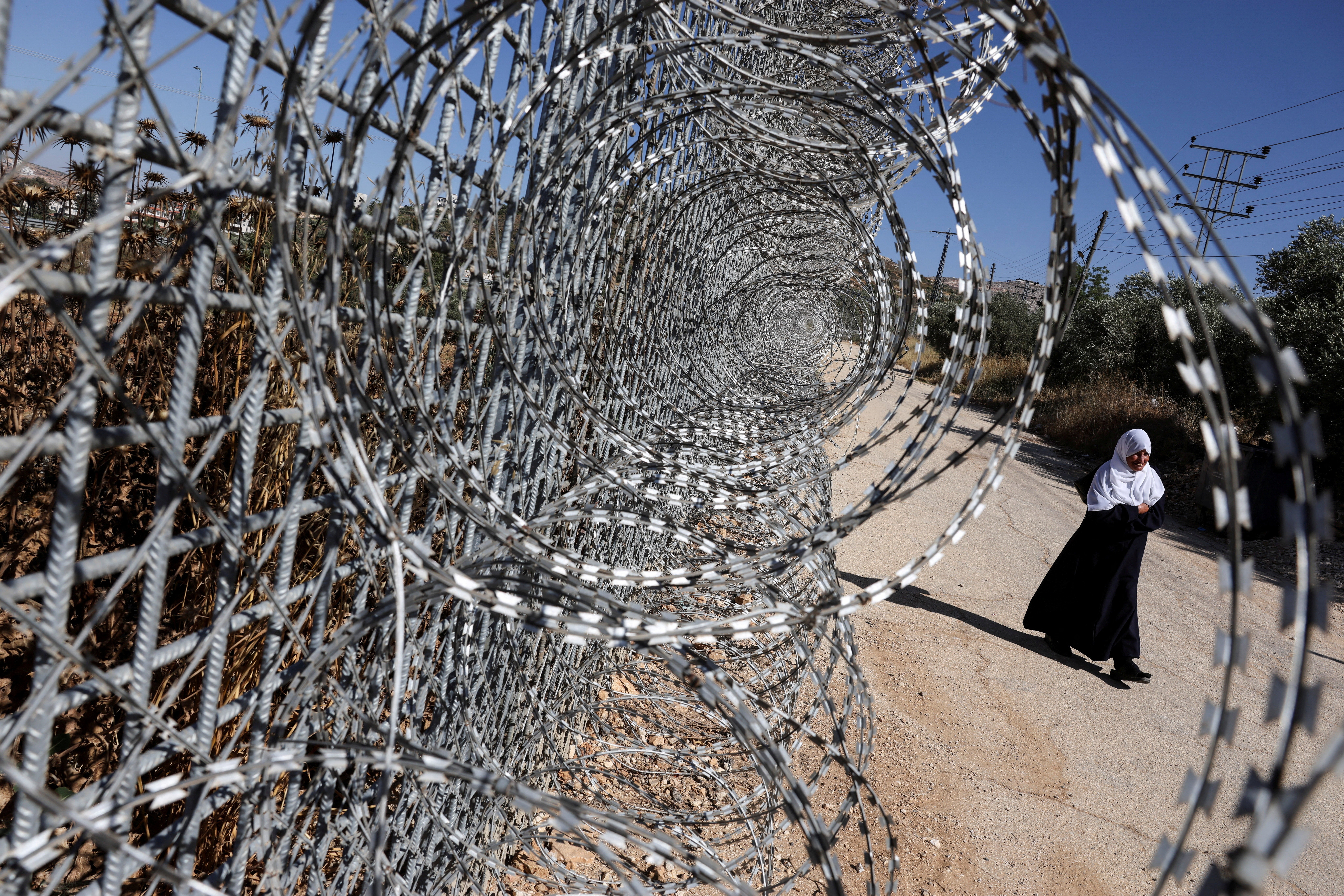
Responding to comments, trade minister Chris Bryant acknowledged the UK did “need to stop UK businesses from providing economic support and legitimacy to illegal settlements.” But he added, “the challenge is that there is no properly verifiable means of determining the real source.”
“Of course, we want to design measures to stop trade with settlements that also balance enabling British businesses and citizens to benefit from a strong trading relationship with Israel and with Palestine,” he concluded.
Last week’s debate in Parliament follows a joint letter by 140 Labour MPs last month to the foreign secretary calling on the government to ban trade with Israeli settlements.