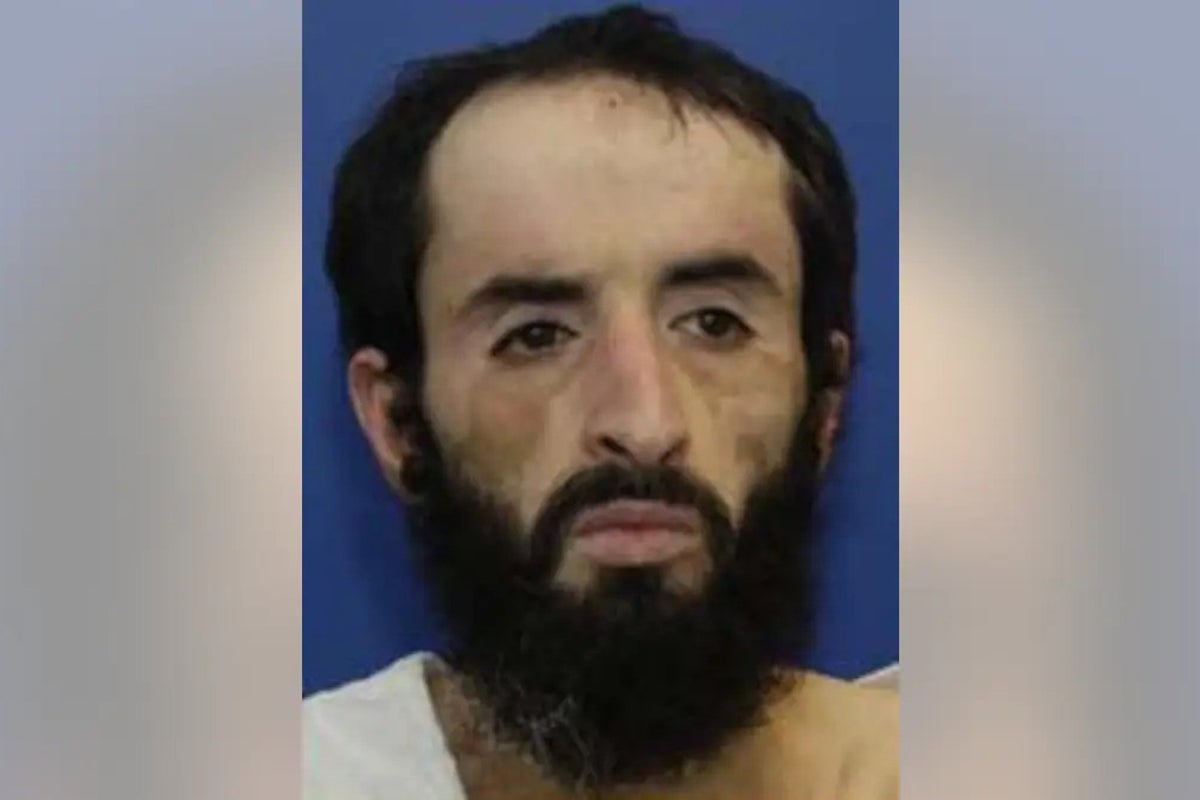
The UK government’s raid of a lawyer’s office in the case of a Guantanamo Bay suspect allegedly tortured by the CIA with UK knowledge is “extremely troubling”, the High Court has heard.
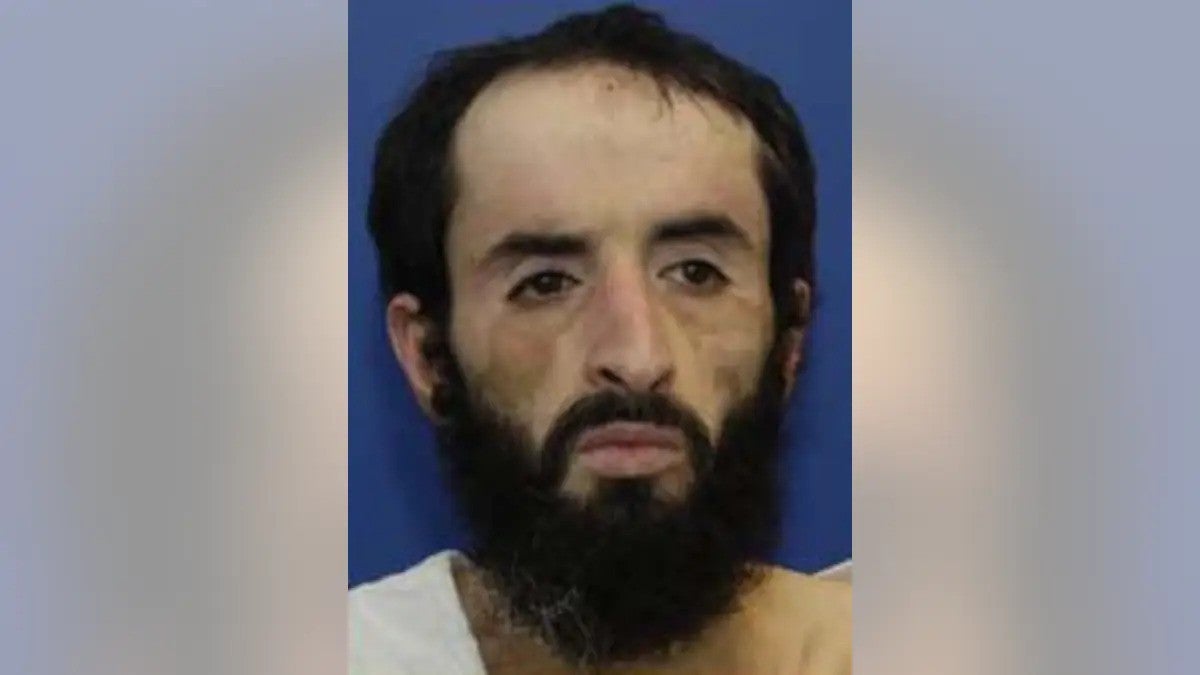
Security officers seized documents in January from the office of Rachel Toney, a security-cleared lawyer who was representing the interests of alleged al-Qaeda chief Abu Faraj al-Libi, born al-Uzaybi, in secret hearings involving claims of complicity by the UK intelligence services in his torture.
Despite Ms Toney refusing permission for them to enter, officers opened her secure safes, went through her documents, and seized them at the direction of MI6, as well as going through files on her laptop and double-deleting them, the Royal Courts of Justice in London heard on Wednesday.
Jesse Nicholls, barrister for al-Libi, told the court that the government had acted to “unlawfully” seize the material because Ms Toney had been using it “effectively” against them and they sought to gain an unfair advantage in the legal case. The material related to a previous case that Ms Toney had been involved in, of a Palestinian man called Abu-Zubaydah, who was also tortured by the CIA.
The court heard that MI6 and the government’s legal department acted quickly to seize the documents after they heard that Ms Toney planned to apply to a judge to retain the material and use it in the al-Libi case.

Mr Nicholls said that Ms Toney had been “targeted and singled out” by the “unlawful” seizure, adding: “The defendant’s conduct was very grave and concerning”.
The government’s most senior legal official, the treasury solicitor, has already offered an apology to Ms Toney for the trespass and agreed that she can use the material in the al-Libi case. However, Mr Nicholls argued that there should instead be a public apology made by the security services, who commissioned the search.
The court heard that the seizure raised concerns about the integrity of the system of security-cleared lawyers, known as special advocates, who represent the interests of individuals in secret proceedings where national security evidence is disclosed.
Tim Buley KC, a special advocate, told the High Court on Wednesday that the events “potentially have a chilling effect on the willingness of us to do our job”.
“The appearance of this is that special advocates who do their job conscientiously and effectively will face adverse consequences,” he said.
Mr Buley said the behaviour of MI6 and the government legal department was “extremely troubling”. The court also heard that officials at the government legal department had floated the idea of referring Ms Toney to her vetting officer and legal regulator and discussed her possible prosecution under the Official Secrets Act, suggestions that were never acted upon.
Mr Nicholls told the court that a security officer at the Government Legal Department had asserted that they owned all of the notes made by Ms Toney on the Abu-Zubaydah material, not just the underlying documents.
Mr Nicholls said that this would have “very serious implications” for other cases if the government’s view was that it had a right to seize such documents.
Mr Justice Chamberlain, who is presiding over the case, said he would have to give consideration to “what the government’s attitude is to its powers were such a situation to arise again”.
The government has argued that Ms Toney’s possession of the documents posed a national security risk, but Mr Buley told the court that this did not justify the office trespass or seizure of the documents.
Government lawyer Rory Phillips KC told the court they “were not suggesting that Ms Toney acted improperly in any way” by not returning the documents.
In response to the “gaps” exposed by the incident, Mr Phillips said, the Government Legal Department has set up a “lessons learned group” to identify what went wrong and make sure it doesn’t happen again.
Mr Phillips said the government acknowledged mistakes had been made during the seizure regarding the “timing, the manner in which it happened, and the circumstances of the retrieval” and said it should have taken place “with her [Ms Toney] present, rather than in her absence”.
Mr Phillips told the court that it was not an unlawful retrieval of documents but that the government would not repeat this type of seizure again.
According to a report from the US Senate’s intelligence committee, Al-Libi was al-Qaeda’s chief of operations and was captured in Pakistan in 2005. He was tortured at CIA black sites, the report said. He has been held at Guantanamo Bay since September 2006.
Mr Justice Chamberlain has reserved judgment in the case.