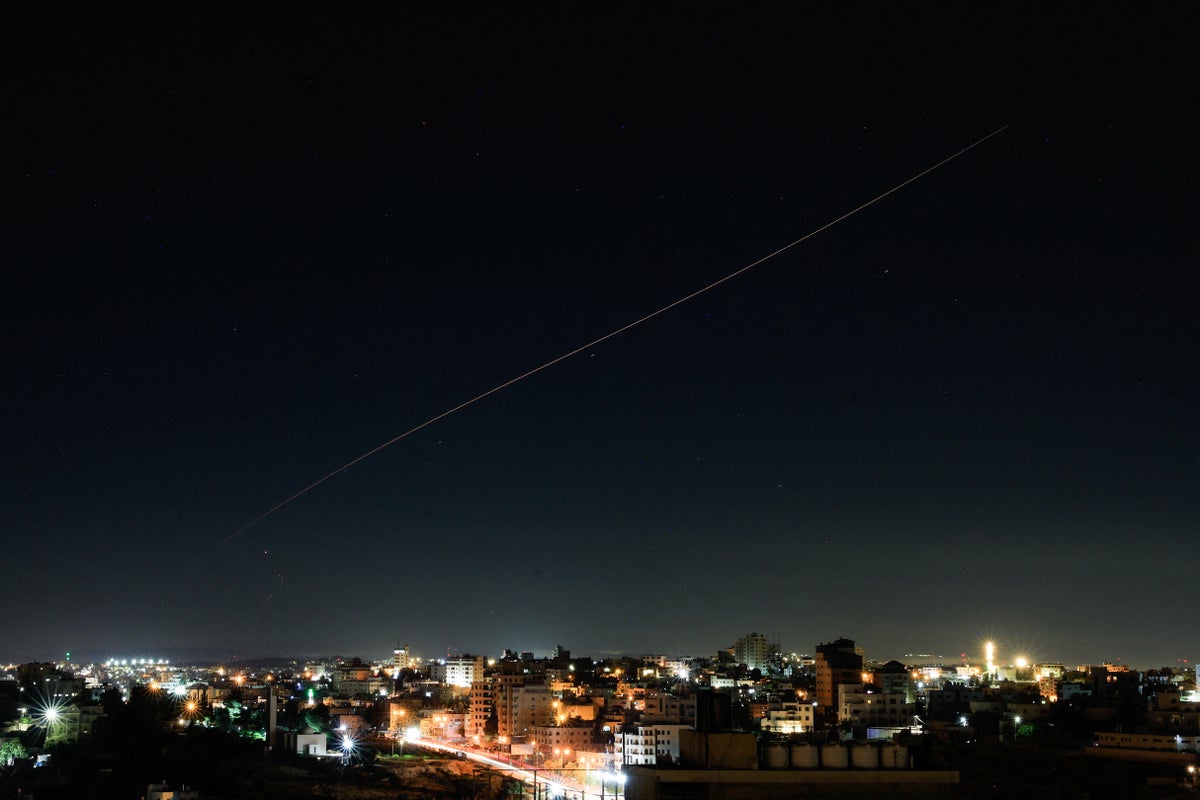

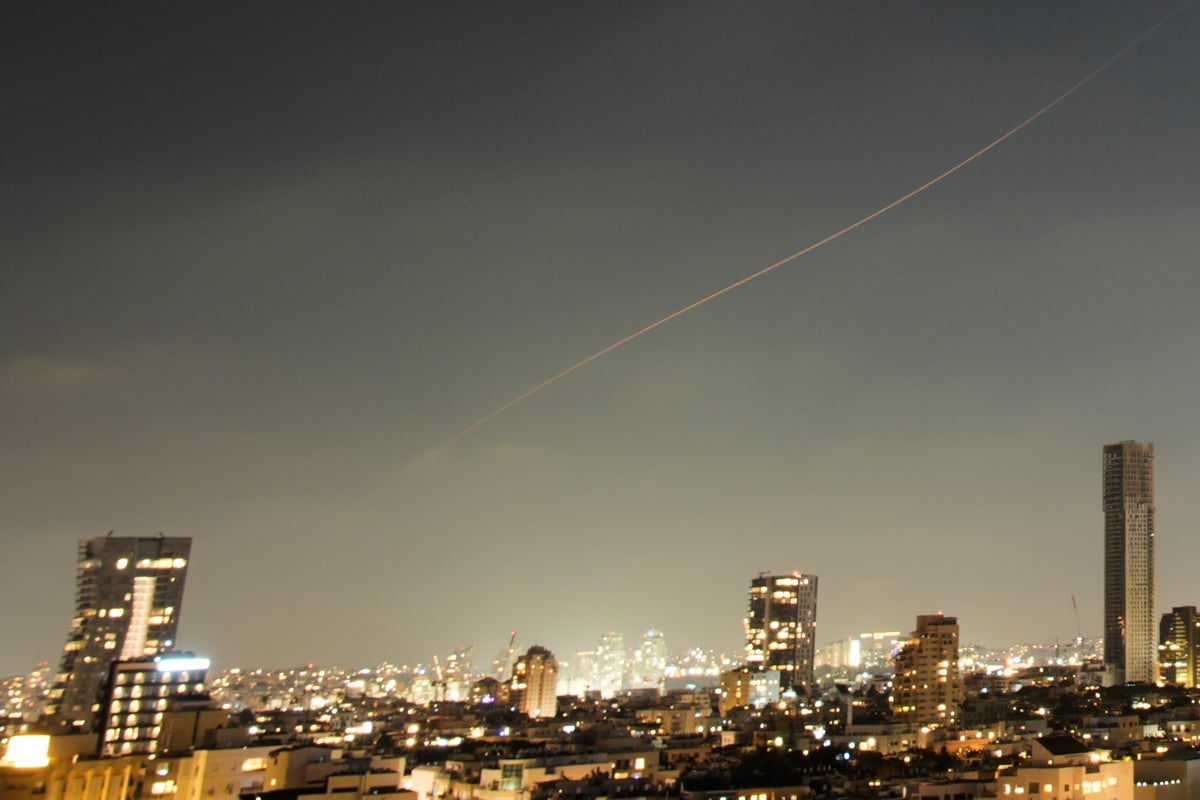


The regime in Iran is “in its death throes” an Anglican bishop who left the country after the revolution has warned, but cautions it “shouldn’t be underestimated”.
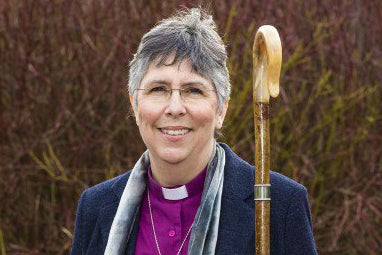
The Rt Rev Guli Francis-Dehqani, Bishop of Chelmsford, said that the regime is “doing everything it can to survive another day”.
She expressed deep personal concern, adding she “weeps what for could be coming” and is currently unable to contact anyone she knows in Iran.
The bishop, who holds a seat in the House of Lords, also affirmed her belief that the UK was right to stand by international law and refuse to join in with the initial US-Israeli strikes on Iran.
Bishop Francis-Dehqani, 59, was born in Iran in 1966. Her father, Hassan Dehqani-Tafti, served as the Anglican Bishop in Iran and presiding bishop of the Episcopal church in Jerusalem and the Middle East.
In the wake of the revolution in 1979, there were raids on their house, her father was imprisoned and there was an assassination attempt on her father’s life in which her mother Margaret was injured.
Then, while her father was on duties elsewhere in the Middle East, her brother Bahram was murdered.
After the funeral, Guli, her mother and her sister Shirin joined her father abroad and they eventually settled in the UK as refugees when Bishop Francis-Dehqani was 14 years old.
Reflecting on the current situation in Iran, the bishop told PA: “I think that this regime is in its death throes, I genuinely do.
“But death throes can last for a very, very long time. I don’t have any clear sense of when it will end, but I believe it will end, and so I think they feel a sort of existential threat.
“I don’t think they really have a plan for how to properly reassert themselves financially, for example…
“I think everything they’re doing is about surviving another day, hence the brutality of the crackdown we saw at the end of last year into the beginning of this. I mean, it was utterly, utterly barbaric.
“I think everything they’re doing is about trying to survive another day and that shouldn’t be underestimated.”
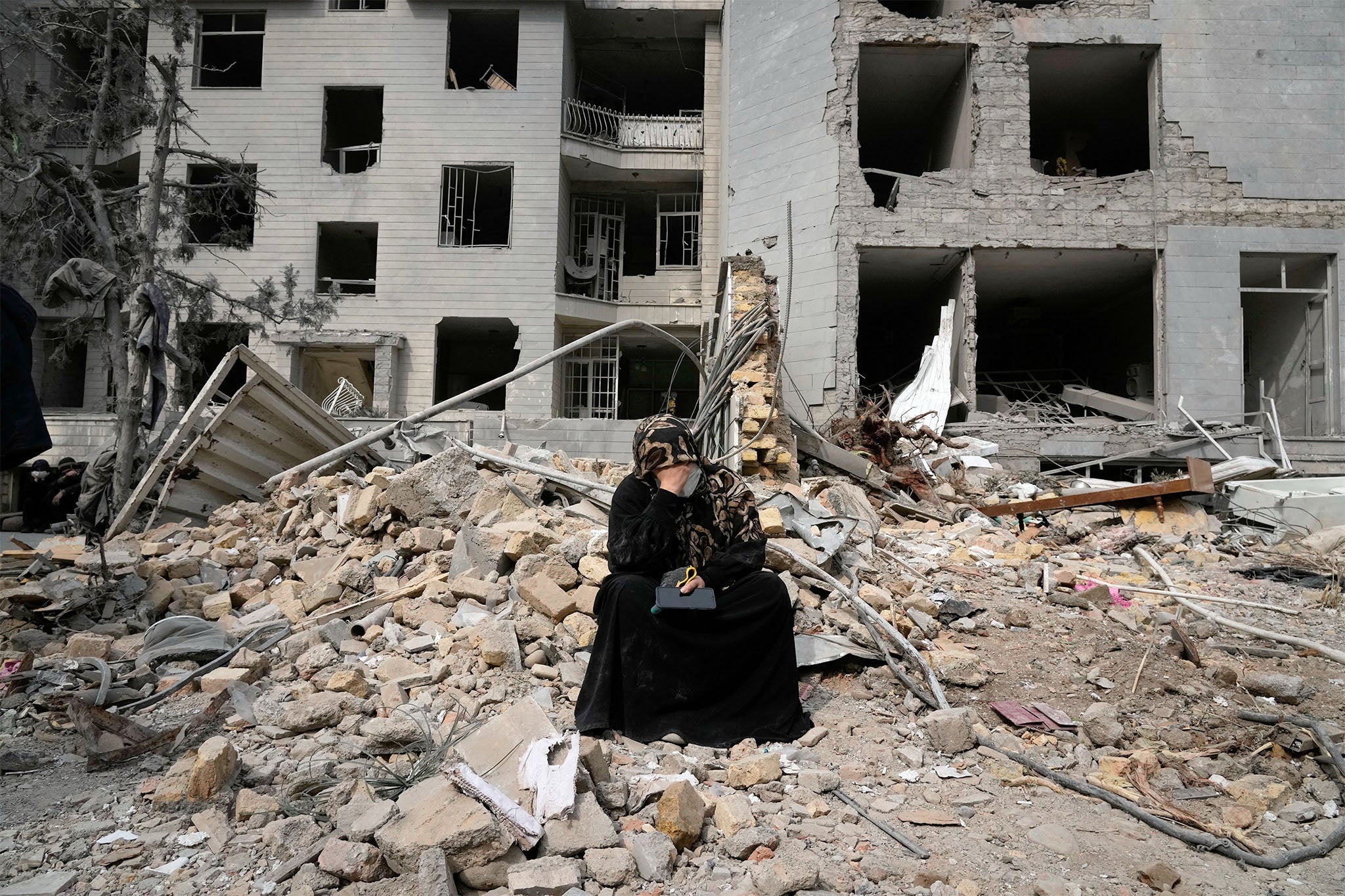
Iran “constantly seems to surprise the West”, Bishop Francis-Dehqani said, adding: “I’m not a politician, but I imagine that President Trump is probably quite surprised at the response of Iran to these latest attacks.
“So, I think people underestimate their ability to have planned for this event – they probably knew it was coming.”
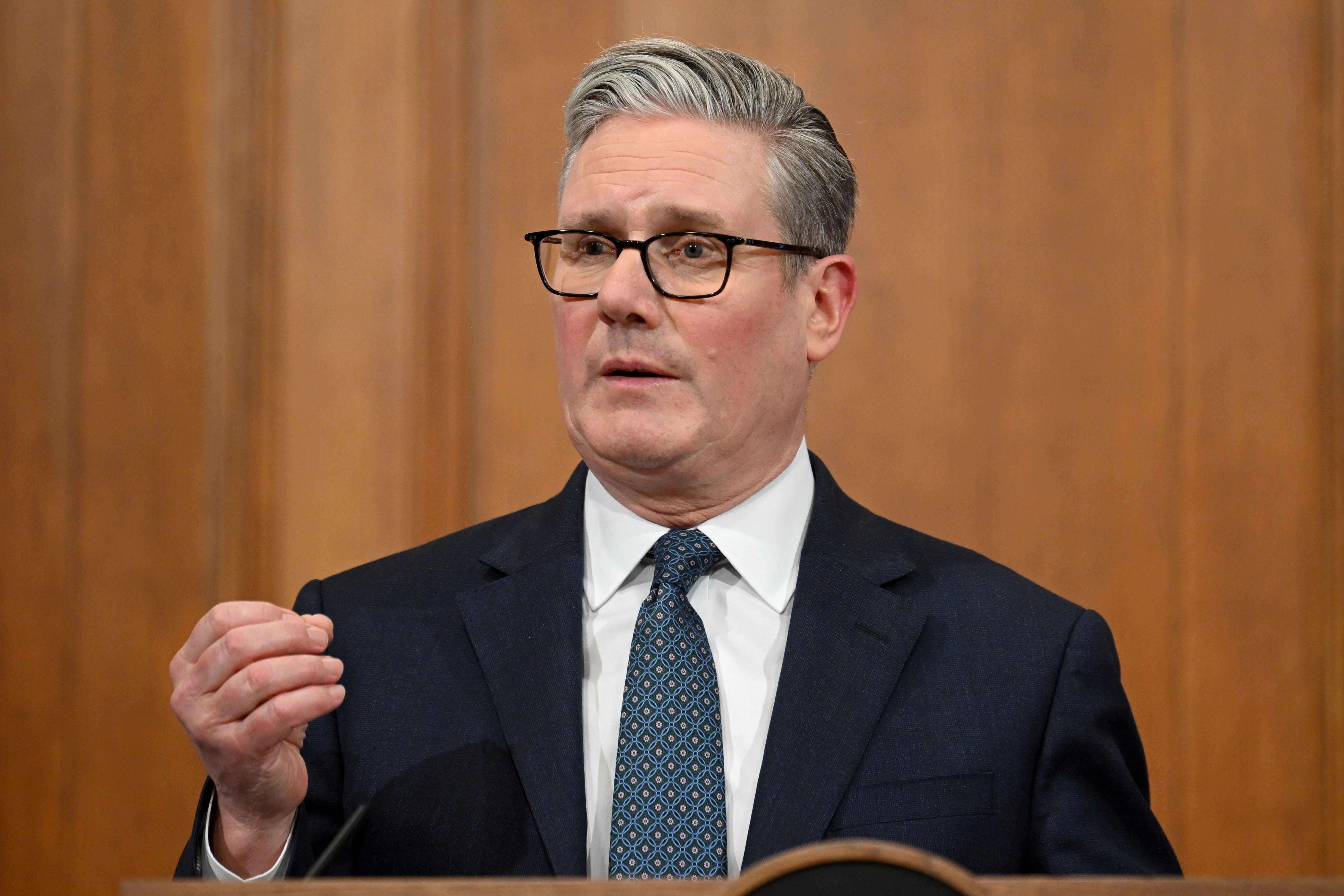
Asked about the UK Government’s decision not to be involved in the initial strikes on Iran, she said: “I personally happen to agree that Britain should not have joined in the attack.
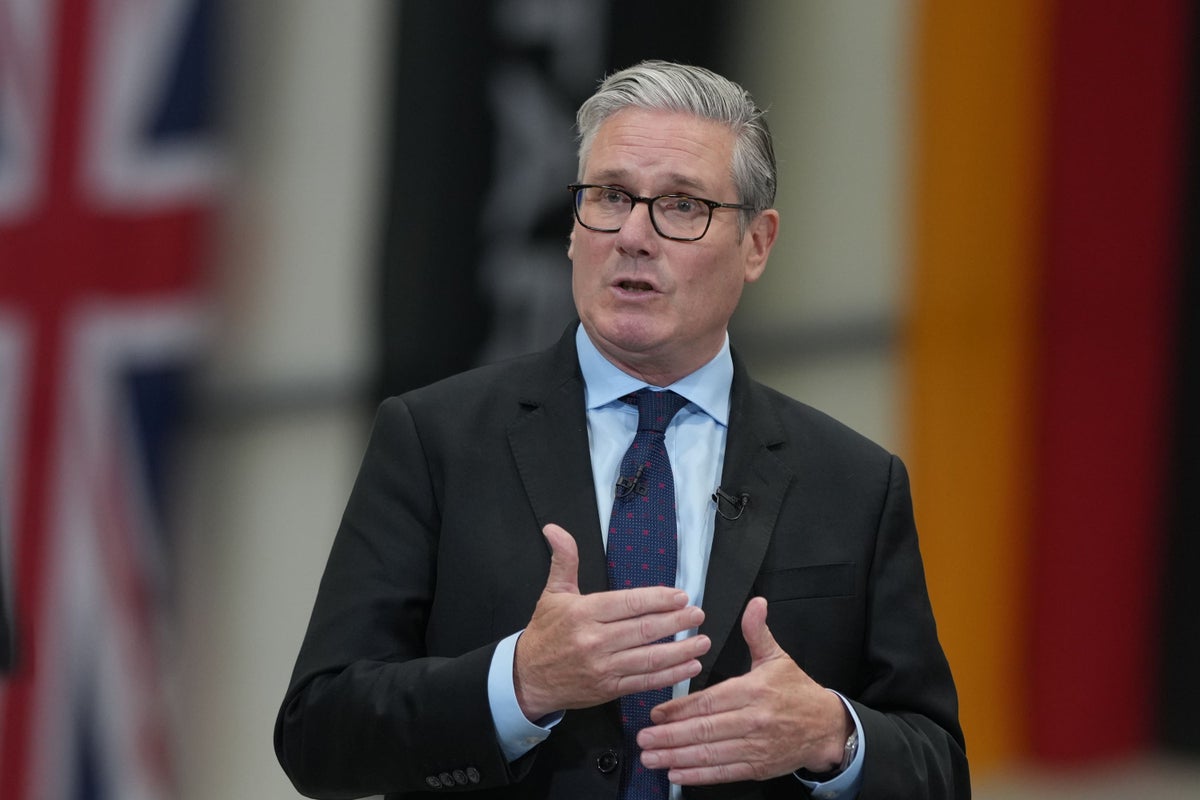
“I think he (Sir Keir Starmer) was right to say this does not seem to have legal status under international law.
“And, frankly, I know international law is virtually now in shreds, and this seems to be another nail in its coffin, but I think it’s right that we stood by that and refused to join the attack.”
Bishop Francis-Dehqani said her fear is that Iran will descend into a civil war and the bloodshed that comes with that.
She said: “There is no credible opposition around which people will coalesce.
“If the regime does kind of collapse in some form of chaos, I really worry that there will be civil war.
“There are factions who are seeking change, wanting change. Some of them are no better, if not worse, than what we have at the minute.
“And I really fear civil war and massive bloodshed.”
Bishop Francis-Dehqani added that any regime change will have to come from within Iran.
She said: “The West has intervened so often in the politics of Iran, the people almost have lost the ability to to work out their future for themselves.
“So, I think the West, yes, give support to dissident groups, help the Iranian people, but they have to have agency in working out what comes next.
“And, certainly, democracy is a far-off dream. Democracy doesn’t come to a nation overnight, it has to be learned. And Iran has never been democratic.”
As she discussed her concerns, the bishop recalled a message she received from someone in Iran during the protests in January, who told her that there are terrorist dissident groups making use of the unrest.
She said: “They are killing government agents and, he said, beheading them, literally on the streets.
“And then the government isn’t discerning between the terrorist groups and innocent protesters, so I fear we would have more of that kind of thing.”
She said that while there were some reports of celebrations in Iran at the death of the Ayatollah, her worry is that, as time goes on and “the reality kicks in that this is not going to be over quickly”, that the elation “will turn to real fear”.
She said: “I really weep for what could be coming in the coming days and weeks.”
The bishop reported that she is “not getting anything out of Iran at the minute, my messages aren’t getting through and nothing’s coming out”.
She said: “I know that people who have close family and a lot of ties in Iran, this is a very, very difficult time, because obviously we have no news or information about friends, family, loved ones and so on.”