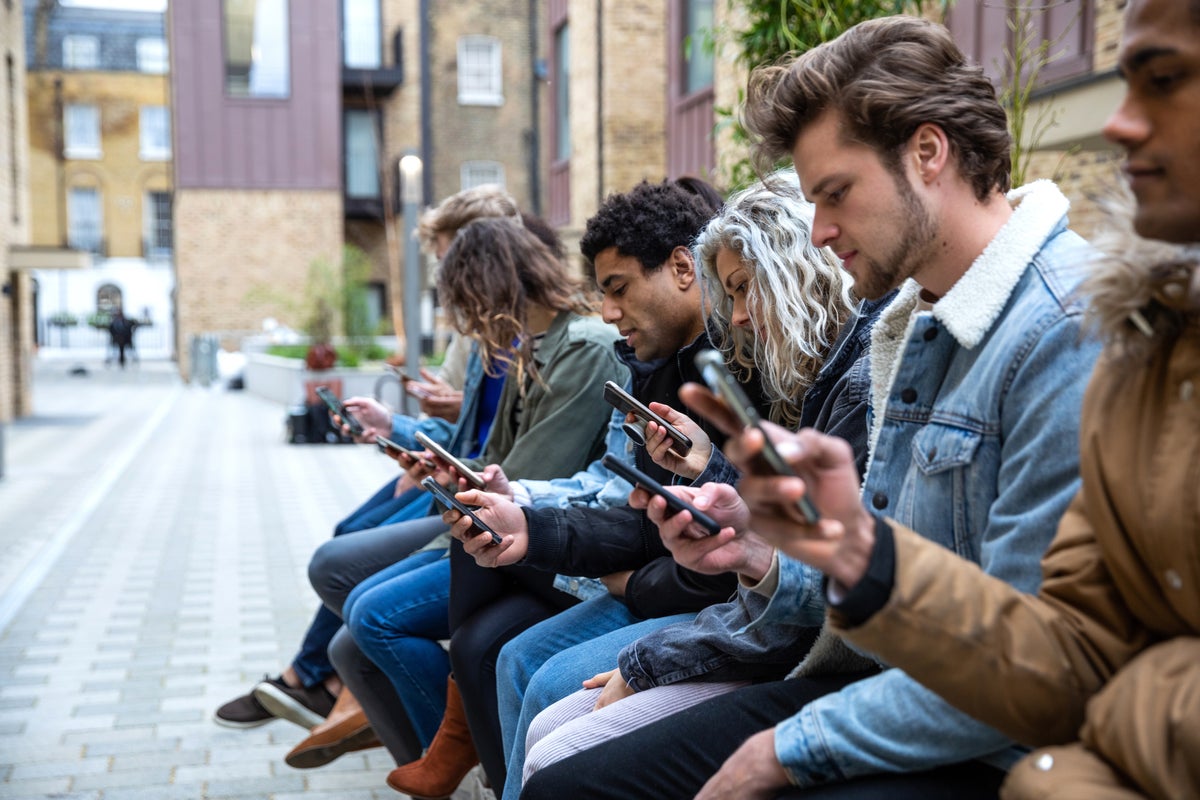
Most children in Australia still use restricted social media platforms despite the ban for under-16s, according to a major new survey that raises questions about the effectiveness of the legal measure.
About two thirds of Australian 12 to 15-year-olds who used social media before the ban came into force last December still had access to one or more accounts, the survey found.
Roughly 50 per cent of the 1,050 children polled could still access their accounts on the most popular platforms of TikTok, YouTube and Instagram, according to the survey conducted by the charity Molly Rose Foundation, When also considering apps like Facebook and Snapchat, the number increased to nearly two-thirds.
About 70 per cent of the children who reported still using the restricted sites said it was “easy” to circumvent the ban while over half of them said the ban made no difference to their online safety.
The findings suggested that social media platforms had failed to detect or seek to remove accounts for under-16s, Molly Rose Foundation said, adding that a similar move being planned in the UK would be a “high stakes gamble” at this stage.
The foundation warned that an Australia-style ban would not deliver the improvements in online safety that parents and children deserved.
“These results raise major questions about the effectiveness of Australia’s social media ban and show it would be a high stakes gamble for the UK to follow suit now,” the foundation’s head Andy Burrows said.
“Proponents of a ban argue it offers an immediate and decisive firebreak but the early evidence from Australia shows it only lets tech firms off the hook and fails to give children the step change in online safety and wellbeing they need.”

In a report released last month, Australia’s e-safety commissioner warned platforms such as Meta, YouTube and TikTok that there were “major gaps” in their implementation of the ban. It noted that platforms were enabling children under 16 to repeatedly attempt age verification so as “to ultimately obtain a 16+ outcome”.
While acknowledging that tackling the addictive and dangerous design choices of social media apps was key, the Molly Rose Foundation said that the need of the hour was to strengthen regulation that “cuts to the heart of business models that put profit over safety” instead of limited bans.
The UK government is currently consulting with stakeholders on children’s social media safety and contemplating plans such as a crackdown on addictive and dangerous design features.
“Keir Starmer has the chance to make the UK a world leader in online safety by following the evidence with robust new laws that give parents what they’re rightly demanding,” said Ian Russell, chair of Molly Rose Foundation.
“The cost is too high to get this wrong by rushing into an Australia-style ban that offers the perception of security but is letting children down in practice.”
The Independent has approached TikTok, YouTube and Instagram for comment on the survey’s results.