


Portugal and Italy have no plans to exempt British nationals from Europe’s biometric border checks, according to the European Commission.
Following the suspension of the entry-exit system (EES) for British travellers to Greece, unconfirmed reports had speculated that the two countries were set to follow suit.
The European Commission told BBC News that it had been in contact with both Portugal and Italy on the implementation of EES.
It said: “The Portuguese and Italian authorities confirmed that they do not intend to exempt any nationality.”
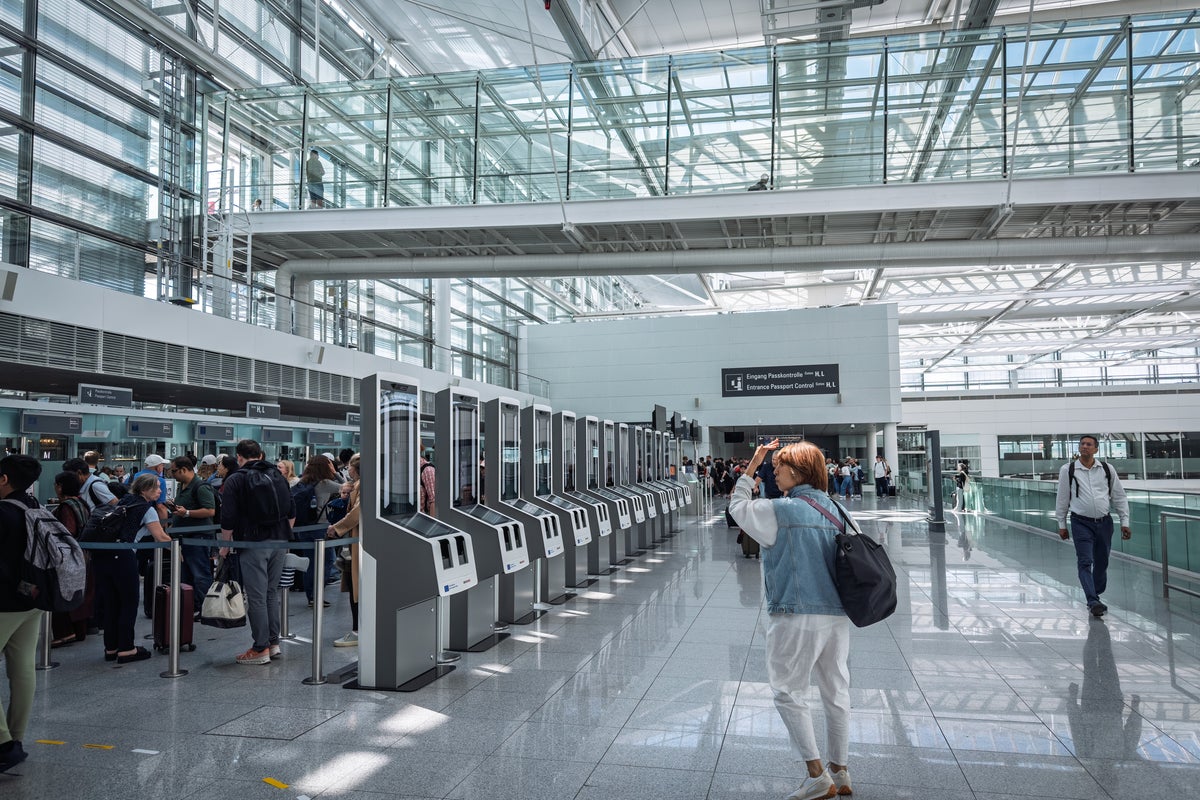
As of 10 April, every Schengen area frontier should have implemented the EU entry-exit system, which includes fingerprints and facial biometrics, for British passport holders at the time of their first registration during border crossings.
These rules apply to all “third-country nationals”, including Australians, Canadian and Venezuelans.
However, on 17 April, Eleni Skarveli, the director of the Greek National Tourism Organisation in the UK, revealed that British passport holders are now exempt from biometric registration at Greek border crossing points.
According to Ms Skarveli, the move is aimed at “ensuring a smoother and more efficient arrival experience in Greece”.
Travellers heading to Europe have faced disruption and confusion following the rollout of EES, with 122 easyJet passengers left behind in Milan due to long biometric queues last month.
In April, several UK-bound Ryanair passengers also missed their flight due to chaos at passport control across Europe.
Around 30 travellers due to fly from Milan Bergamo to Manchester were not boarded following “passport control delays”.
A Ryanair spokesperson said in a statement: “Due to passport control delays at Milan Bergamo airport (16 April), a number of passengers missed this flight from Milan to Manchester.
“Should these passengers have presented at the boarding gate desk before it closed, they would have boarded this flight.”
Read more: Britons ditching Spain after rival destination drops EU biometric requirement