


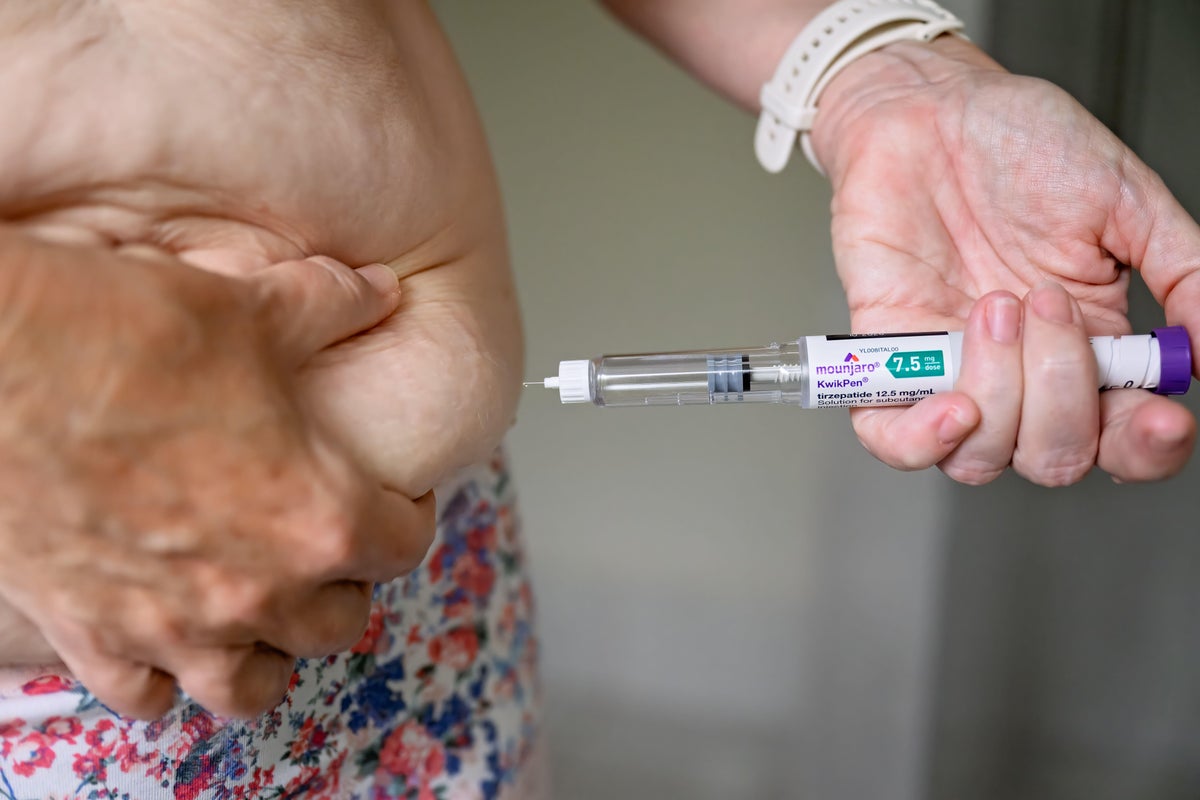
The deaths of a man and a woman in Northern Ireland were reported to the UK’s drug watchdog due to fears they were linked to weight-loss drugs, a report has revealed.
The Medicine and Healthcare Regulatory Agency (MHRA) received reports of the deaths in 2024 and 2025. They were two of more than 500 adverse drug reaction reports submitted from Northern Ireland during that time, which were suspected to be tied to GLP-1 medications.
A report does not mean that the drugs were responsible for the deaths or adverse reactions, but that the person who made the report suspected they might be, the watchdog said.
Dr Alison Cave, the chief safety officer of MHRA, said: “Patient safety is our top priority and no medicine would be approved unless it met our expected standards of safety, quality and effectiveness.
“We have robust, safety monitoring and surveillance systems in place for all healthcare products. When a safety issue is confirmed, we always act promptly to inform patients and healthcare professionals and take appropriate steps to mitigate any identified risk.”

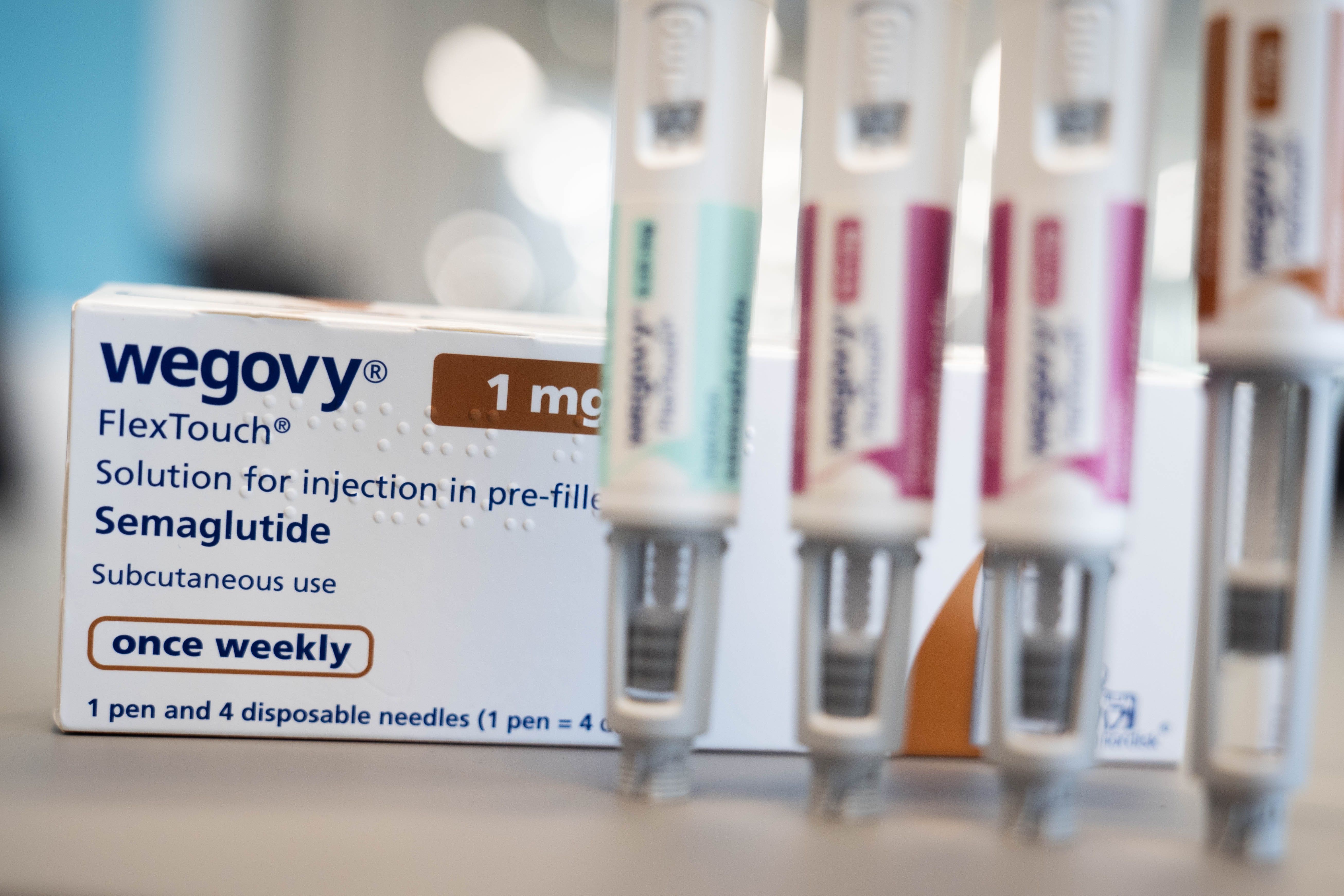
Britain has seen a sharp rise in the use of GLP-1 medications, which are also used to treat diabetes and are sold under brand names including Mounjaro, Wegovy and Ozempic.
According to University College London, 1.6 million adults used weight-loss drugs between early 2024 and early 2025.

Of the two deaths reported to the MHRA, one was made in connection to Mounjaro, while the other was linked to an unspecified semaglutide, the active ingredient in weight-loss jabs.
The man and woman who died were in their 40s and 60s, but the report did not specify what age category applied to which person.
Data of adverse reactions to GLP-1 medications reported to the agency between January 2024 and December 2025 showed that 419 or 82 per cent of the reports were made by healthcare professionals. Another 92 reports were made by patients, parents, and carers during this time.

The majority of reports were made via the Yellow Card scheme, a system for reporting suspected side effects and safety concerns of medicines.
Some 317 reports of suspected reactions were made in relation to Mounjaro, while 135 were made in relation to Wegovy.
Of the incidents reported to MHRA, 242 were deemed “serious”, and 267 were categorised as “non-serious”. A serious report was made for a child who was younger than 10 years old, but it is not specified what medication was used.
“On the basis of the current evidence, the benefits of GLP-1 medicines outweigh the potential risks when used for the licensed indications. The decision to start, continue or stop treatments should be made jointly by patients and their doctor, based on full consideration of the benefits and risks,” Dr Cave said.
“We strongly encourage patients and healthcare professionals to continue reporting suspected side effects to GLP-1 medicines through our Yellow Card Scheme.”