

The tragic deaths of two children in England from measles this year have been confirmed by health officials, as the highly contagious disease continues to circulate across the country.
The UK Health Security Agency (UKHSA) reported that one fatality was due to “acute measles”, while the other was linked to the “late effects of measles”.
New figures reveal 736 cases have been recorded so far this year, compared with 959 cases for the entirety of 2025.
Many of these infections have been concentrated in outbreaks across London and the West Midlands.
The UKHSA highlighted that the majority of those affected were unvaccinated children aged 10 and under.
The UKHSA said that in the last month cases have been confirmed in London, the East of England and the West Midlands.
Earlier this year, the World Health Organisation (WHO) said that the UK is no longer considered to have eliminated measles.

Dr Vanessa Saliba, Consultant Epidemiologist at UKHSA said: “Our thoughts and condolences are with the families who have so tragically lost their children. Measles continues to circulate in many parts of the country and as we have seen it can be very serious and even fatal.
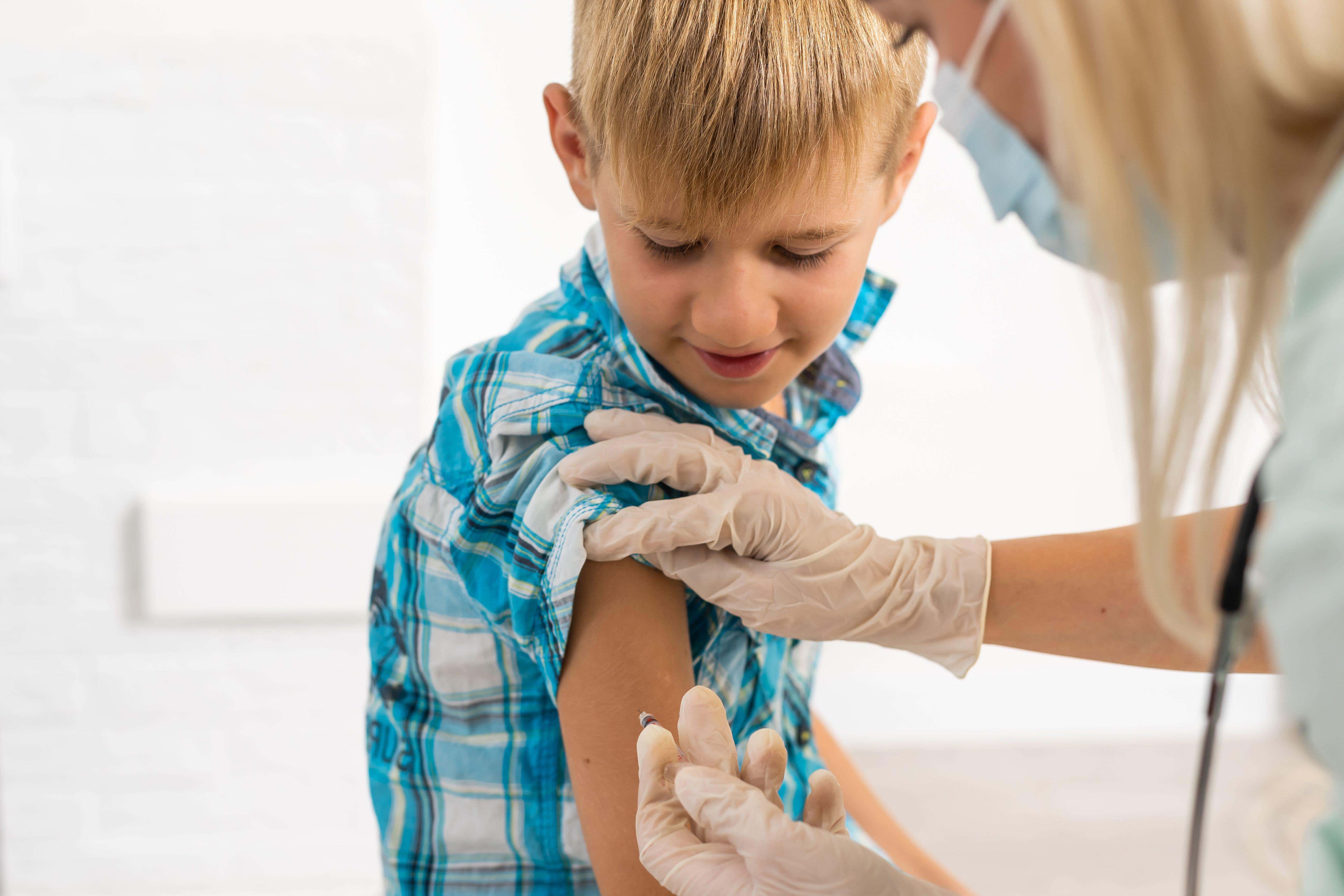
“We urge all parents to ensure their children are up to date with their MMR or MMRV vaccines, giving them the best and safest protection against measles – which can spread very easily. Anyone who has missed out on their measles vaccines can catch-up through their GP practice whatever their age.
“Getting vaccinated also helps protect babies who are too young to be vaccinated and people unable to have the vaccine due to a health condition. Please don’t delay and if you or your child are not up to date, book an appointment today.”
Health Secretary James Murray said: “My thoughts are with the families who have suffered such unimaginable loss.
“These deaths are a heartbreaking reminder that measles is not a harmless childhood illness.
“Measles can lead to serious complications that can be fatal, and the MMR vaccine, which has saved countless lives, remains the best protection we have against this highly infectious disease.
“I urge all parents and carers to check that their children are up to date with their vaccinations as it is never too late to catch up – even if you miss a dose.
“By ensuring our children are vaccinated, we not only protect them but also help safeguard the most vulnerable in our communities.”

What is measles?
Measles is one of the most contagious diseases known to affect humans. In fact, every person with measles can infect 12 to 18 others who are not immune.
The measles virus can survive in the air for two hours, so people can inhale the virus even after an infected person has left the room.
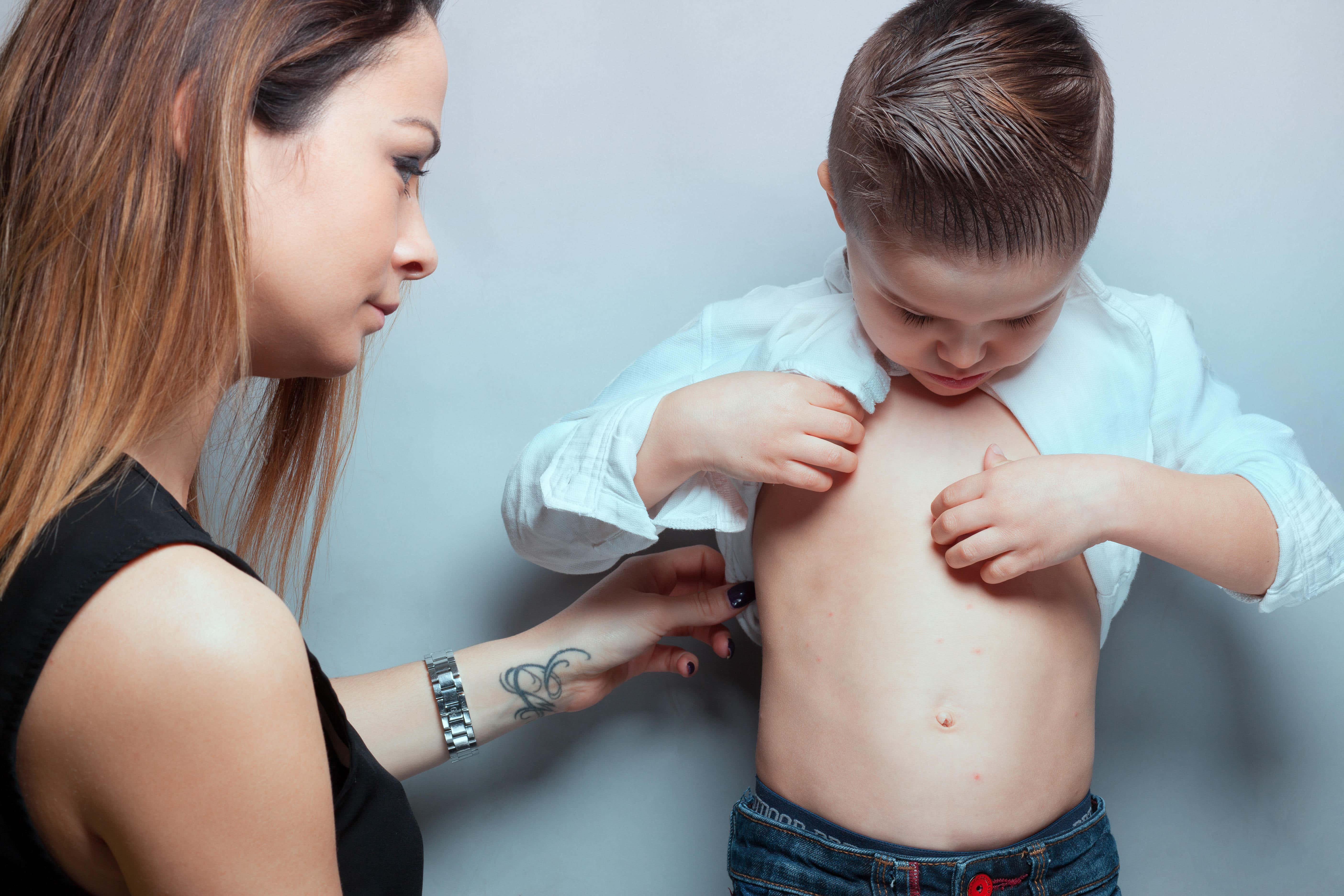
The signs and symptoms of measles usually start 7–14 days after exposure to the virus, and include rash, fever, a runny nose, cough and conjunctivitis.
The rash usually starts on the face or neck, and spreads over three days to eventually reach the hands and feet. On darker skin, the rash may be harder to see.
Complications from measles are common, and include ear infections, encephalitis (swelling of the brain), blindness and breathing problems or pneumonia. These complications are more likely in children.
Pregnant women are also at greater risk of serious complications, and measles can also cause preterm labour and stillbirth.
Even in people who recover from measles, a rare (and often fatal) brain condition can occur many years later, called subacute sclerosing panencephalitis.