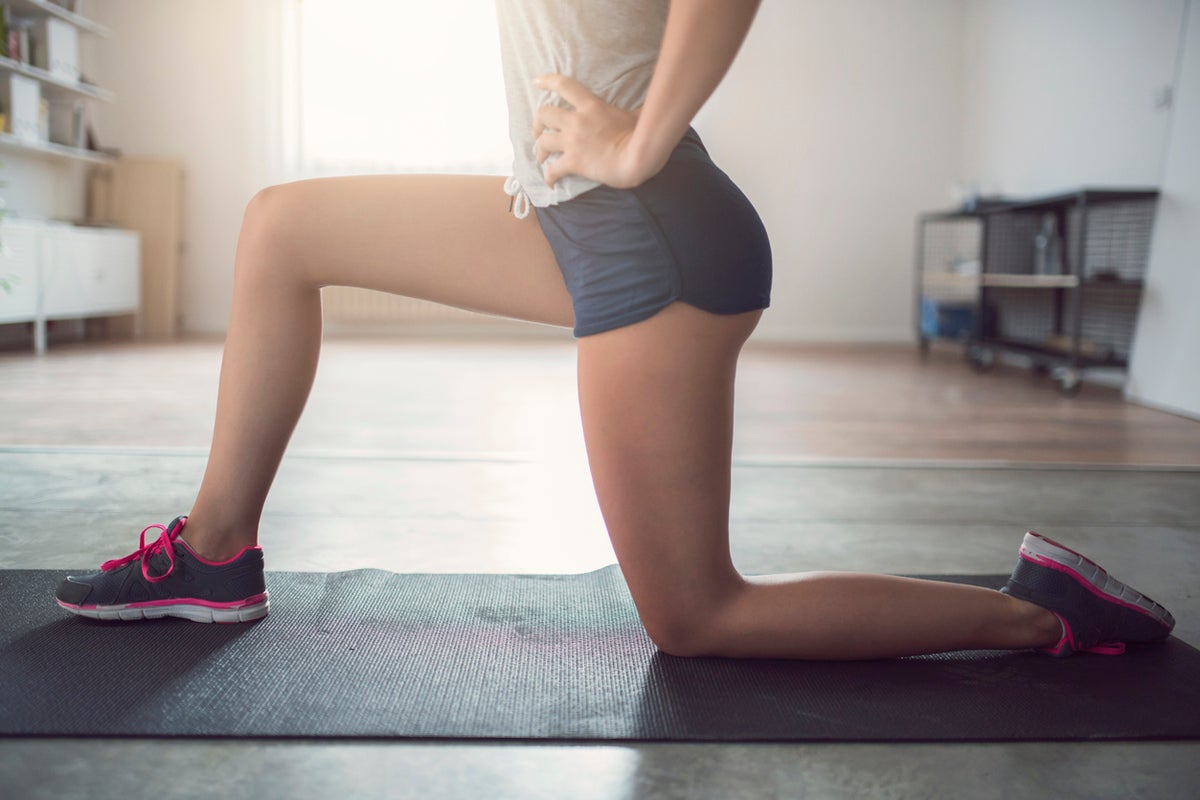
Fitness, like anything else, is partial to trends, and at the moment, exercise is portrayed in extremes. “You’ve got to do HIIT training. You’ve got to run marathons. You’ve got to lift heavy.” The actual truth is much less snappy and attention-grabbing: fitness should be balanced and well-rounded. Slow and intentional is better than intense and sloppy.
There’s one functional exercise which is particularly good at challenging us in the ways we often forget, and most of us have never heard of it: the Turkish get-up.
But what is the Turkish get-up, and why is it so good for you?
What is functional movement?
Functional movement is any exercise which mimics and builds on the way we move in everyday life. Rather than aiming for aesthetic results or personal bests, the goal of functional exercise is to feel a little better all the time, in every movement you do, whether that be taking the stairs, lifting heavy boxes, or, if you’re a mum like me, bending down to pick a child up off the floor.
Functional movement incorporates multiple muscle groups, or the entire body, to build strength in a way you’ll actually use, multiple times a day, without even really thinking about it – the best type of exercise. But functional movements aren’t all about building muscle – they also crucially improve coordination, joint stability, shoulder strength, balance, hip mobility, and, perhaps most importantly, core stability and strength.
Over on Strong Like Mum, functional exercise is the name of the game. If you or someone you know is postnatal and ready to start rebuilding core strength, we’ve just released week three of the Strong Like Mum core challenge – all you need is 15 minutes, for a stronger core in just 6 weeks.
Start from week one to start building the vital foundations needed to rehabilitate a strong core. Join the Strong Like Mum core challenge:

What is the Turkish get-up?
See the step-by-step guide below for how to do a Turkish get-up.
The Turkish get-up is an incredibly beneficial, multi-step, multi-joint, full-body exercise targeting every major muscle, which has a simple goal: get from lying down on the floor to standing up, while holding a weight in one hand.
The whole movement is about being balanced, steady, and controlled. It takes an incredible amount of strength to move with intention, rather than trying to go as fast or hard as your body can take. High-impact exercise can be great, but slow and controlled movements can challenge your body in loads of ways, too.
It’s ideal for hitting all the areas we often forget while we’re pushing for a heavier weight or racing to break a personal best. It’s about slow control, brain function, focus, and coordination.
The Turkish get-up is also really easy to replicate if you have children, as it seems more like a fun mobility challenge than an exercise routine. Maybe you could call it a teddy bear get-up: rather than holding a weight, they’ve got to balance their teddy bear in their hand.
How to do a Turkish get-up
Here’s a rundown on how to do a Turkish get-up.


Why is the Turkish get-up so good?
There’s a growing interest in longevity and healthy ageing at the moment. People are starting to think about the long game and what’s going to help create strong foundations for future exercise, in the immediate short-term and into older age.
This is where Strong Like Mum comes in. If you’re postnatal and want to be able to do high-intensity exercise, lift heavy weights, and run marathons, that’s great! But in order to get there, we need to start in the right way. We need to build those strong foundations in order to have longevity with our health. If you want to be able to get the maximum benefit out of this exercise, you’re going to have to do it with the right technique, and that’s where the six-week core program will really help.
For another great full-body workout, check out this video from Strong Like Mum:

If you do this exercise wrong, it can actually cause you all sorts of issues, like back pain or shoulder strain. You have to do it right, and doing it right comes with laying all the foundations that we learn over on Strong Like Mum.
For more evidence-based postnatal recovery advice, pelvic floor education and realistic fitness guidance for women navigating motherhood and midlife, subscribe to Strong Like Mum on YouTube.