




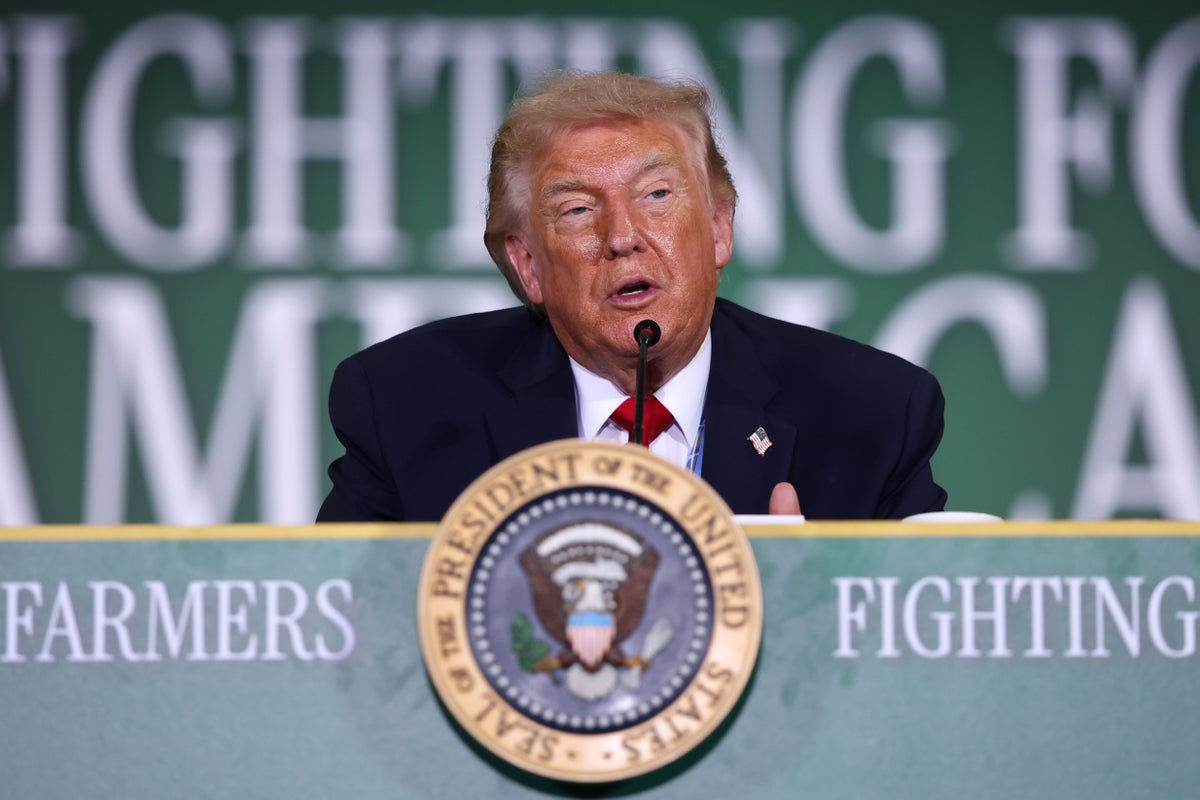
Support for President Donald Trump among rural Americans, a crucial voting bloc, has seen a significant decline, with concerns over the rising cost of living and foreign policy decisions appearing to be key factors.
The shift could pose a challenge for the Republican party in the upcoming November midterm elections.
Trump’s approval rating among rural Americans fell to a new low of 50 percent in to a Reuters/Ipsos poll conducted between June 3-8. This marks a notable drop from 60 percent approval recorded in February 2025, shortly after he took office.
At the same time, rural disapproval of his performance has risen to 48 percent, up from 34 percent in February 2025. The online poll surveyed 4,531 US adults nationwide, with a margin of error of 3 percentage points for rural areas and 2 points overall.
This discontent is particularly significant given that Trump secured rural voters by a 40-point margin in the 2024 election, an increase from 31 points in 2020 and 25 points in 2016, as per an exit poll analysis by Pew Research Center.

Trump’s overall approval rate, currently at 35 percent, is also near the lowest point of his political career as many Americans express fears over continued petrol price increases, which the latest Reuters/Ipsos poll links to the Iran conflict.
Brian Rauch, a 42-year-old Air Force veteran from Stevensville, Montana, exemplifies the growing disillusionment. He faces a 30-mile drive to the doctor’s office, where he feels the pinch of higher petrol prices, alongside increasing food costs. Rauch, who voted for Trump in the last three presidential elections, also questions the rationale behind the “U.S.-Israeli war on Iran.”
Bryan Shaver, a 62-year-old insurance agent in Hattiesburg, Mississippi, who voted for Trump in 2024, voiced frustration over persistently high food prices. A long-time Republican supporter, Shaver expressed concern that these economic pressures could harm the party in the midterms.
“I have a feeling we’re going to be in big trouble in November,” he said.
Polling data indicates that disapproval of Trump’s handling of the cost of living and the US economy is a primary driver of the decline in rural support. Only 31 percent of rural respondents approved of his stewardship on these issues, while 61 percent disapproved. This contrasts sharply with February 2025, when approximately 45 percent approved and 43 percent disapproved.
Rauch, who works for a non-profit assisting military veterans, has consistently backed Trump since his initial White House bid in 2016. However, he now believes Trump’s “erratic behavior” this term risks alienating trading partners and further escalating everyday costs for Americans. He also highlighted local concerns, such as the rapid expansion of data center in Montana potentially compromising water access.
“We’re in bigger water fights with AI, we’re all paying more for groceries and we’re all paying more for gas,” Rauch said. “My day to day is negatively impacted and I haven’t seen these other benefits.”
Rural Americans are often more susceptible to higher petrol prices due to greater driving distances. Federal data from the Department of Transportation’s 2022 National Household Travel Survey shows rural residents travel an average of 30 miles daily, compared to 17 miles for urban dwellers.
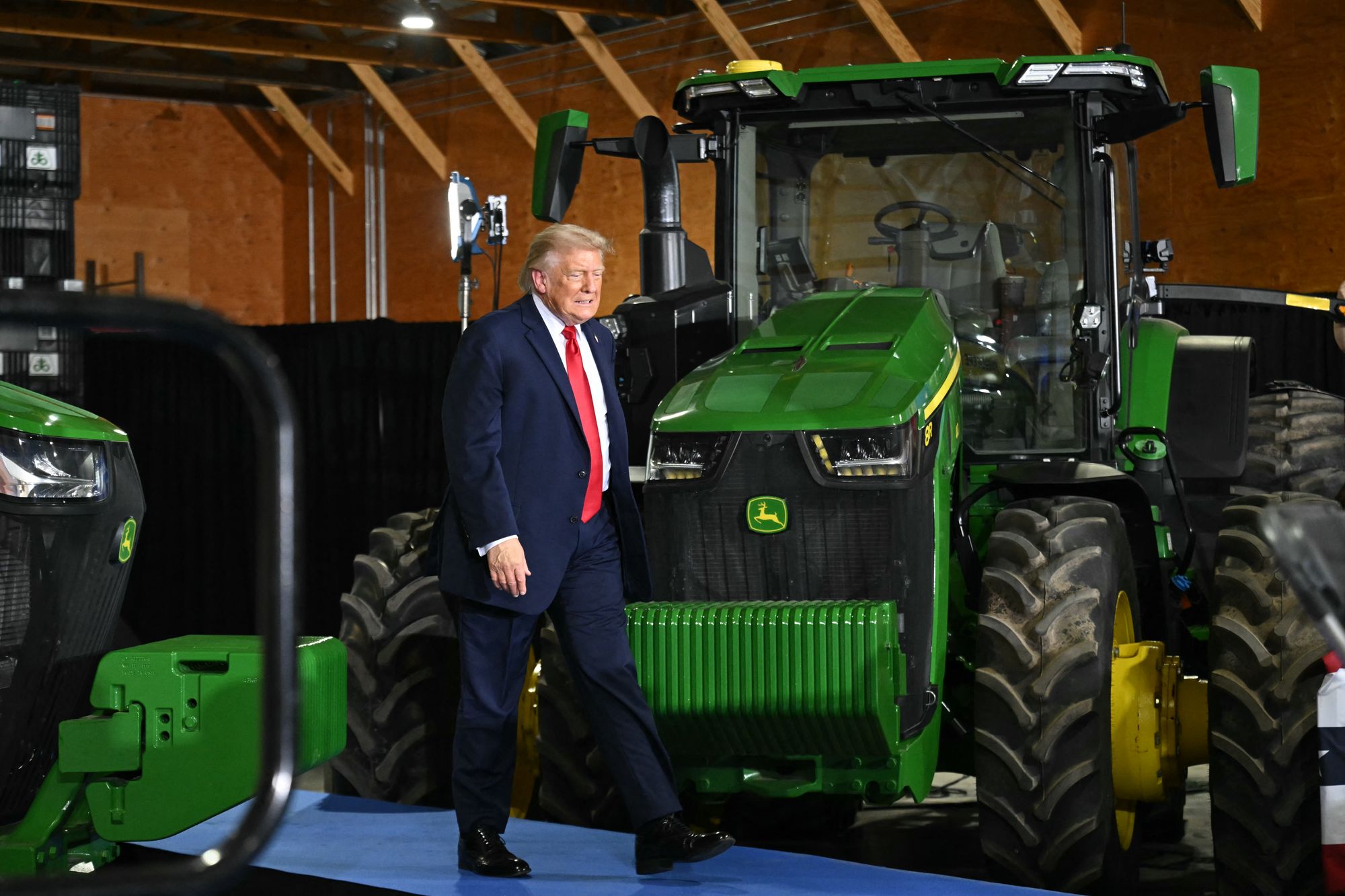
Other factors impacting rural communities include a challenging year for farmers, burdened by rising fertilizer costs exacerbated by the Iran conflict, low crop prices, and curbed exports resulting from Trump’s trade policies.
Diesel prices in several states have also reached record highs, threatening farmers’ slim margins and leading some fishermen to keep their boats docked rather than incur substantial fuel expenses.

