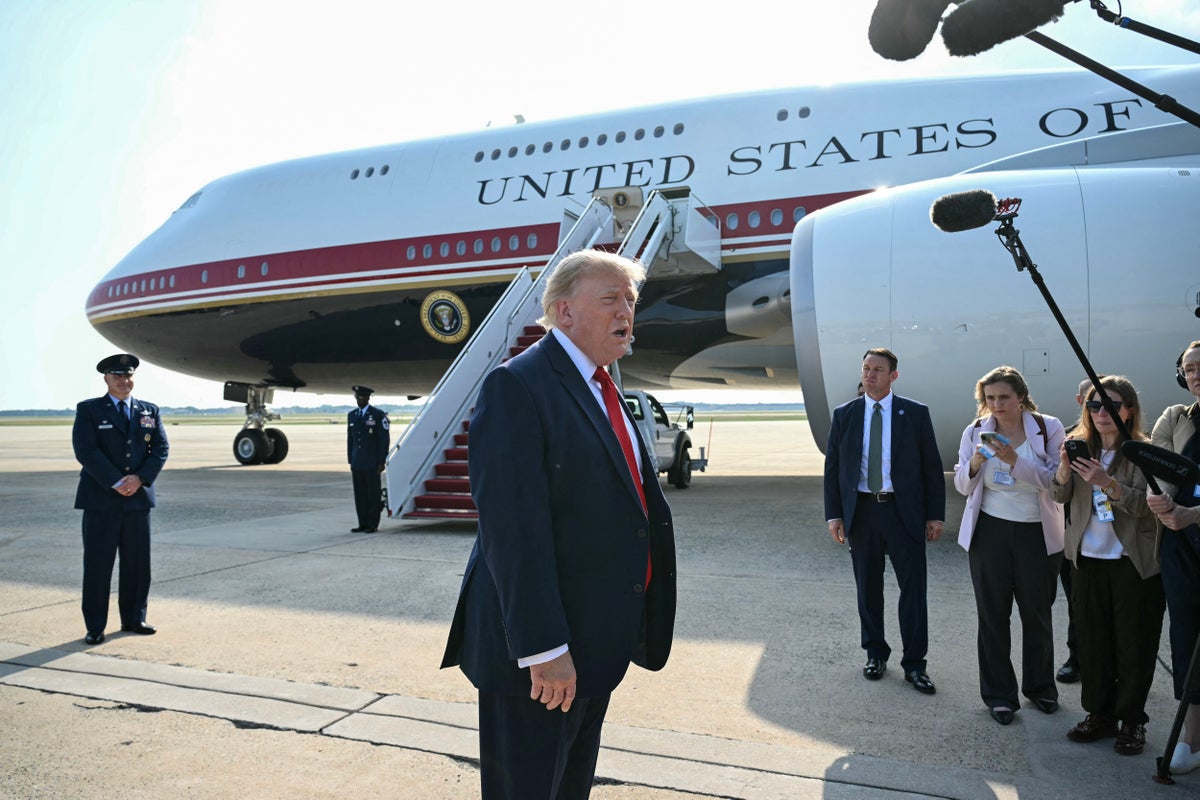
The Trump administration has issued subpoenas to multiple journalists at The New York Times after the newspaper reported on security concerns about the president’s Qatari-gifted Air Force One, marking the latest salvo in its efforts to intimidate the media.
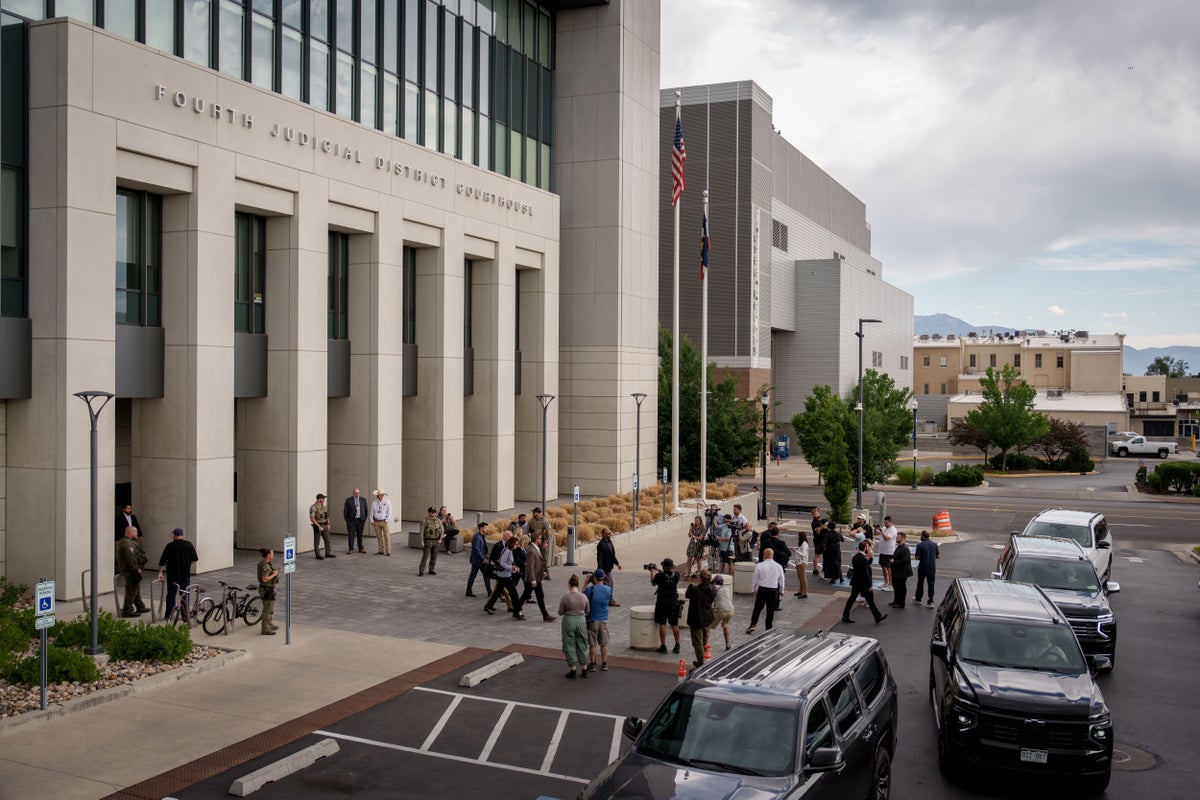
The Justice Department subpoenas seek to compel the journalists to appear before a federal grand jury in New York City Wednesday, according to the Times. Some reporters received the documents from federal agents who turned up at their homes.
The documents, issued by U.S. Attorney for the Southern District of New York Jay Clayton, are sparse on specifics. They state that the journalists’ testimony is sought “in regard to an alleged violation of federal criminal law.”
The newspaper swiftly condemned the administration’s actions. Times attorney David McCraw said: “The appearance of federal law enforcement agents on the doorstep of news reporters should shock the conscience of any American who believes in the Constitution and the press freedom it protects.”
He added: “This brazen act should be seen as nothing more than an attempt to prevent the public from knowing what is happening in their country by intimidating journalists from doing their jobs.”

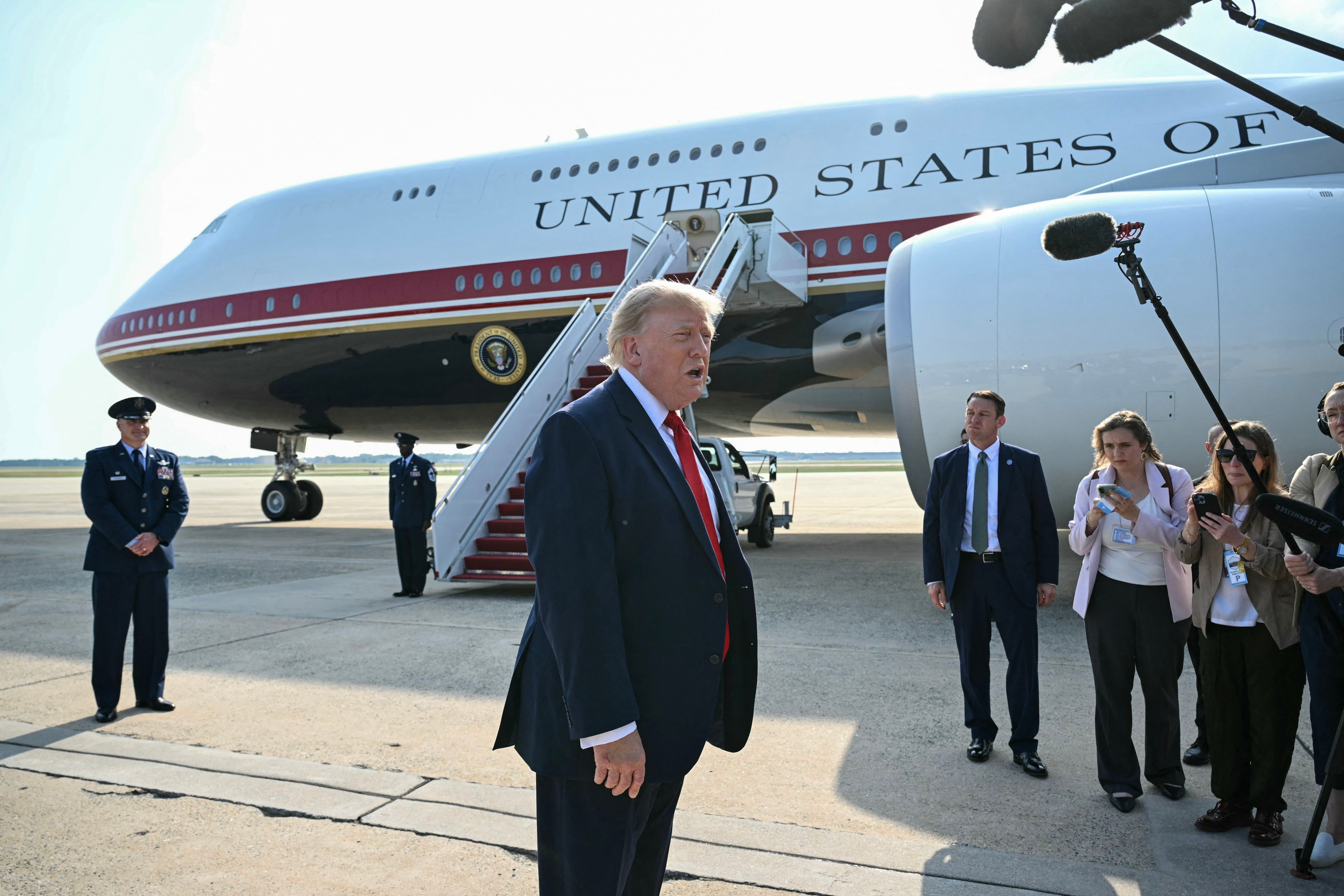
In a statement to The Independent, the DOJ said its investigation is aimed not at reporters but at those who leak classified information. “We value and appreciate the important role that the press plays in this country,” the statement read, in part.
Since Trump’s return to office, his administration have moved aggressively against the press, filing lawsuits against multiple outlets and limiting White House access for others.
Trump has branded reporters he clashes with as “treasonous” and said one journalist could “go to jail” over reporting on the Iran war. For years, the Republican has referred to the media as “the enemy of the people.”
Among the Times reporters who received subpoenas are Julian Barnes, Tyler Pager, Eric Schmitt and Eric Lipton. A report, published Wednesday under their four bylines, revealed that Trump had left the NATO summit in Turkey aboard the old Air Force One plane as a precautionary measure at the direction of the Secret Service. The report cited anonymous sources.
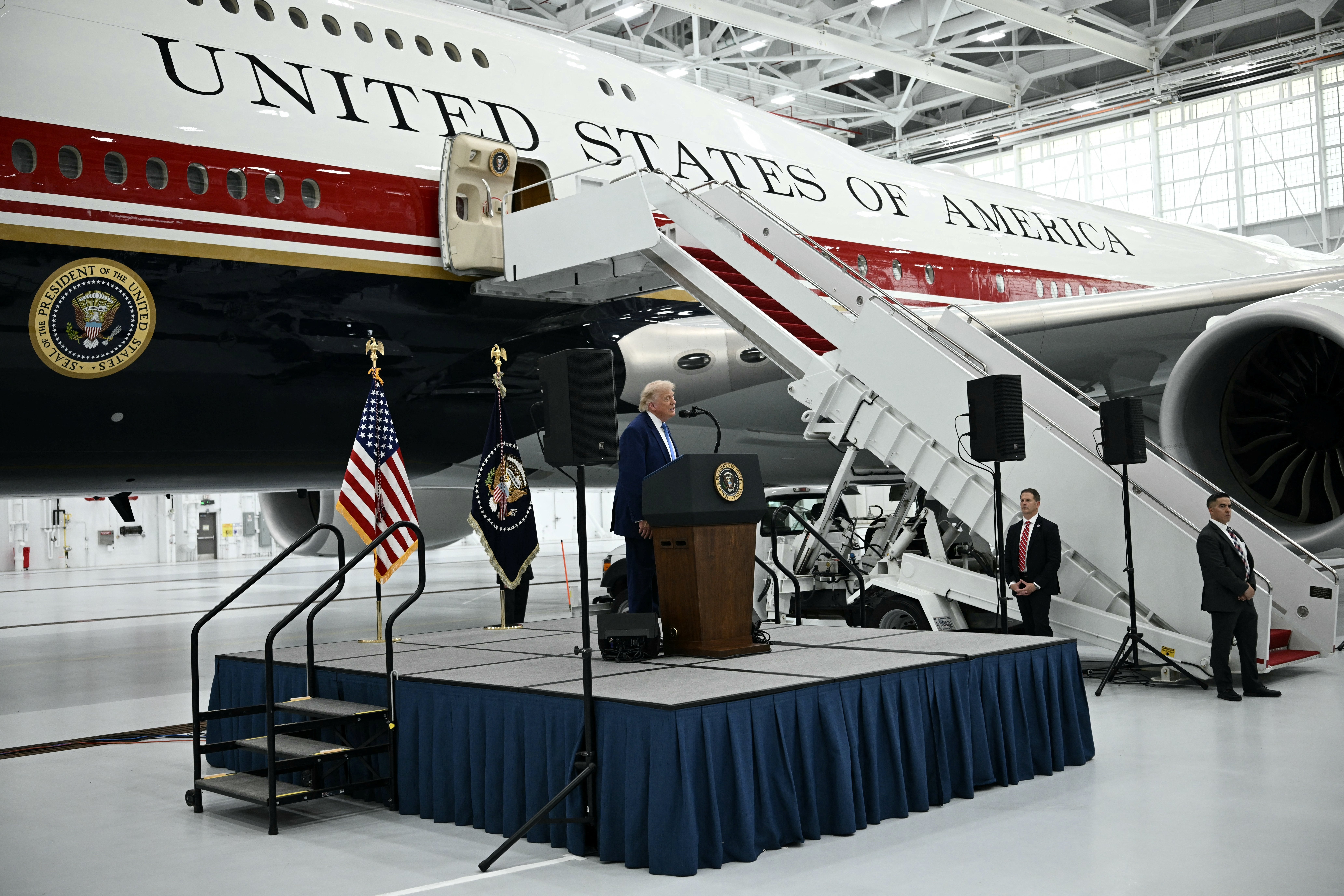
The new Air Force One, a $400 million Boeing 747-8 donated by Qatar, lacks “some of the advanced security features of the older aircraft, including antimissile capabilities,” according to the Times.
The jet, an expensive gift that has raised ethics and security concerns among Democrats, was retrofitted by the Pentagon earlier this year and officially unveiled by Trump last month.
Trump said Wednesday he would be flying the older aircraft out of Turkey “for old times’s sake.” He later denied that security concerns factored into the decision.

Before the Times published the article, an FBI official contacted the outlet and asked that it be held, citing national security concerns. The official also asked the newspaper to reveal its sources for the article, which the outlet declined to do.
This week, multiple other outlets, including CNN andCBS News, published similar reports on apparent security concerns related to the new Air Force One.
While multiple previous administrations have launched leak investigations over the disclosure of classified information, subpoenas directed at journalists are rare, according to the Times.
The Department of Justice has also recently sought to force testimony from reporters at The Washington Post and The Wall Street Journal. Those subpoenas were later withdrawn after the outlets fought back.

In January, FBI agents opened an investigation into Hannah Natanson, a reporter at The Washington Post, over a government contractor’s handling of classified information.
As part of the probe, Natanson’s home was searched, with agents seizing laptops, phones and a smartwatch. The reporter had been covering the administration’s mass firing of federal employees.
A spokesperson for the Justice Department described its actions as consistent those of past administrations.
“Every administration has addressed the crime of leaking national security information,” the spokesperson said in a statement provided to The Independent. “To the extent that we have to investigate breaches of national security, that’s something that we will continue to do. To be clear, reporters are not the targets, those leaking classified information are.”
“We value and appreciate the important role that the press plays in this country, but DOJ also plays an important role to make sure that the people entrusted with our nation’s secrets do what they’re supposed to do with that information, which means not sharing classified information,” the spokesperson added. “We recognize there may always be natural tension there, but we are not going to ignore the law and stop investigating the people who work in the administration and think it’s okay to leak classified information impacting national security.”