


Global markets experienced a turbulent start to the week, with Asian stocks largely retreating and oil prices surging, following a stark warning from Donald Trump to Tehran that “the clock is ticking” amid stalled negotiations over a permanent end to the conflict.
U.S. futures also saw declines, falling more than 0.6%.
The rise in oil prices was directly linked to Trump’s social media post, which declared: “the Clock is Ticking, and they better get moving, FAST, or there won’t be anything left of them.”


This message followed a call with Israeli Prime Minister Benjamin Netanyahu. Investors remain cautious, however, given Trump’s history of setting deadlines for Iran only to back off.
Further exacerbating concerns was a drone strike over the weekend on a United Arab Emirates nuclear power plant, adding to worries of potential escalation in the region.
The Strait of Hormuz, a critical global energy chokepoint, remains largely closed, with the US having imposed its own maritime blockade of Iranian ports last month.
Brent crude, the international benchmark, gained 1.9% to reach $70 a barrel.

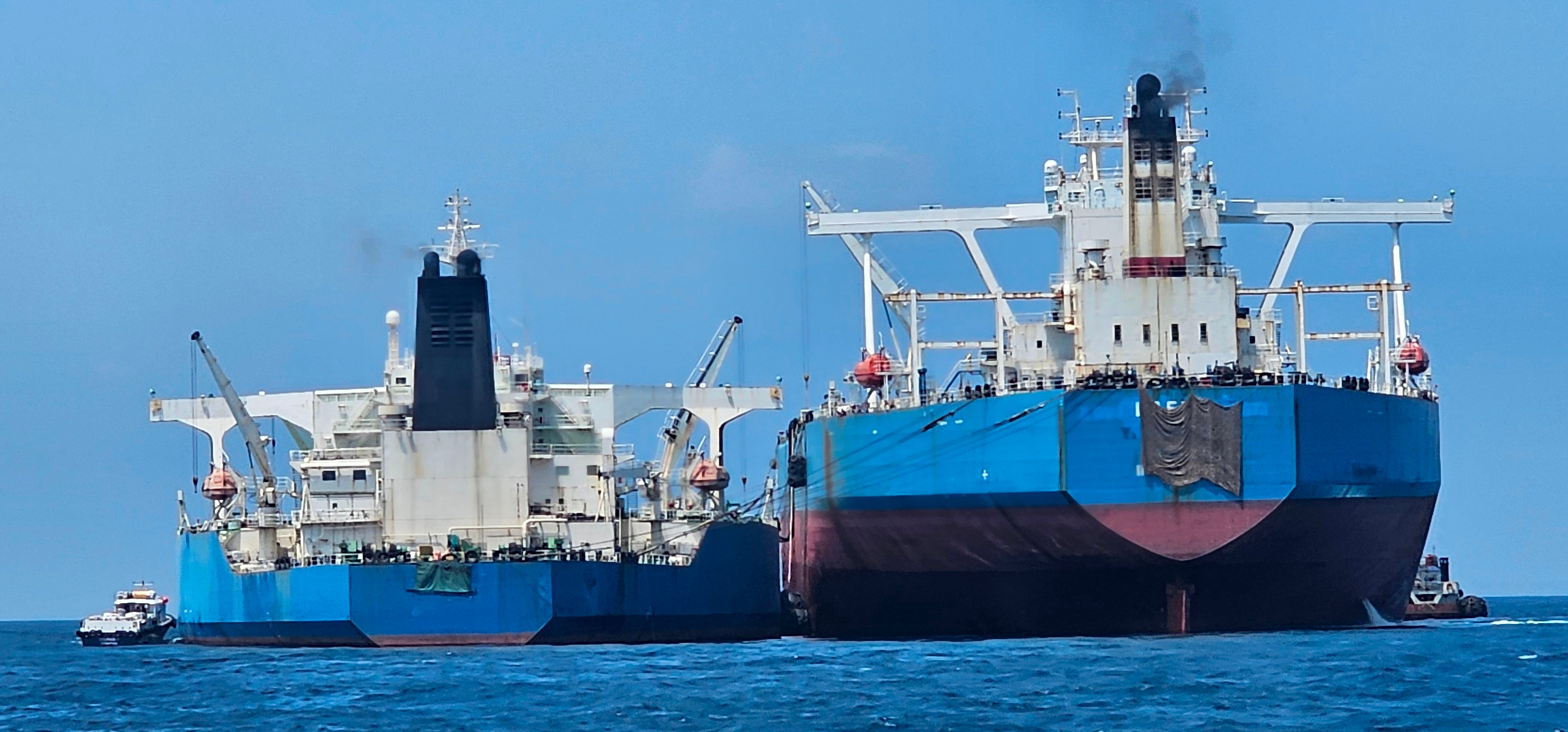
Before the start of the Iran war in late February. Benchmark US crude also climbed 2.3% to $107.83 per barrel. ING commodities strategists Warren Patterson and Ewa Manthey noted in a research brief that “Re-escalation risks are increasing.”
While shipping activities around the strait have seen a recent uptick, they cautioned that “this can change quickly.”
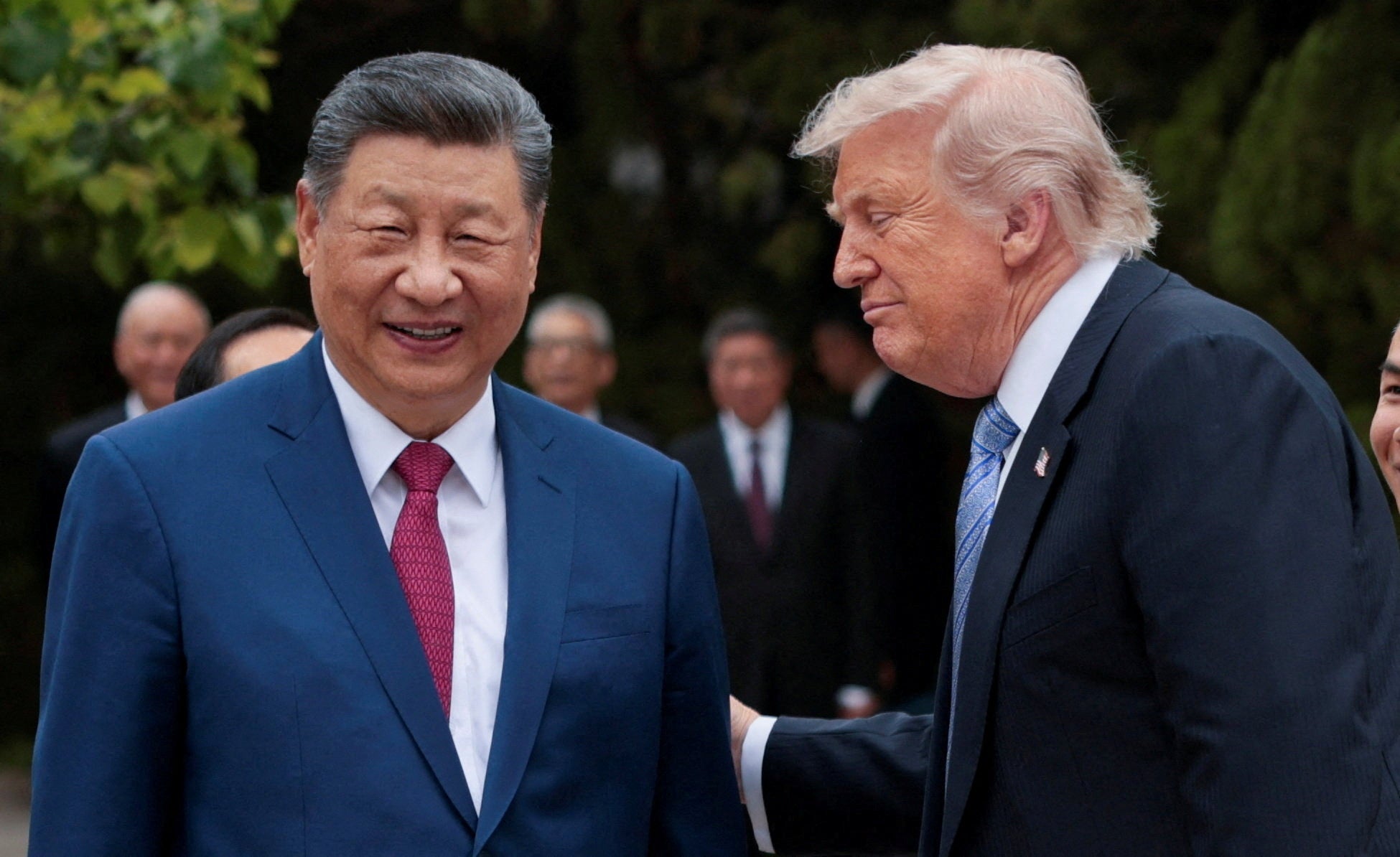
The strategists also highlighted the oil market’s reaction to the lack of tangible results from last week’s summit between Trump and Chinese President Xi Jinping in Beijing, despite the White House stating both nations agreed the Strait of Hormuz must remain open.
U.S. officials had hoped Beijing would leverage its economic ties with Iran to help broker a peace agreement, with Trump stating Xi told him China “would like to be of help” in negotiations, though how Beijing might achieve this remains unclear.

Across Asia, markets largely pulled back. Tokyo’s Nikkei 225 fell 0.9% to 60,843.09, led by technology-related stocks, after reaching all-time intraday highs above 63,000 last week.
The yield on the 10-year Japanese government bond surged to 2.8%, its highest level since the late 1990s, driven by the Bank of Japan’s gradual interest rate hikes and rising energy costs fueling inflation expectations. This is up from around 2.55% just a week prior.
Seoul’s Kospi, after trading lower earlier in the day, jumped 0.9% to 7,558.50. It had crossed the 8,000 mark on Friday, buoyed by technology shares amid the artificial intelligence boom, but later declined due to investor profit-taking.
Hong Kong’s Hang Seng lost 1.6% to 25,543.32, while the Shanghai Composite index edged 0.1% lower to 4,132.24 following weaker-than-expected retail data from China for April. Australia’s S&P/ASX 200 declined 1.4% to 8,508.40, Taiwan’s Taiex dropped 1.1%, and India’s Sensex fell 0.6%.
In the US, the yield on the 10-year Treasury stood at around 4.63%, up from 4.47% last Thursday and sharply higher than the nearly 4% level it held before the Iran war.
On Friday, the benchmark S&P 500 dropped 1.2% from the record it set the day before. The Dow Jones Industrial Average fell 1.1% and the technology-heavy Nasdaq composite lost 1.5%.
In other dealings, the U.S. dollar rose to 159.02 Japanese yen from 158.62 yen. The euro was trading at $1.1626, up from $1.1622.